




















- Nature, tribal culture, handicrafts, homestays, and eco-tourism are boosting local employment and the economy.
- A New Chapter of Tourism Potential in Bastar
Bastar, Chhattisgarh, is forging a new identity. Once known primarily for Naxalism and violence, the region is now emerging as a new hub for tourism, celebrated for its natural beauty, rich tribal culture, art, traditions, and hospitality. Amidst this changing landscape, new opportunities in tourism, eco-tourism, rural tourism, and local entrepreneurship are taking shape in Bastar.
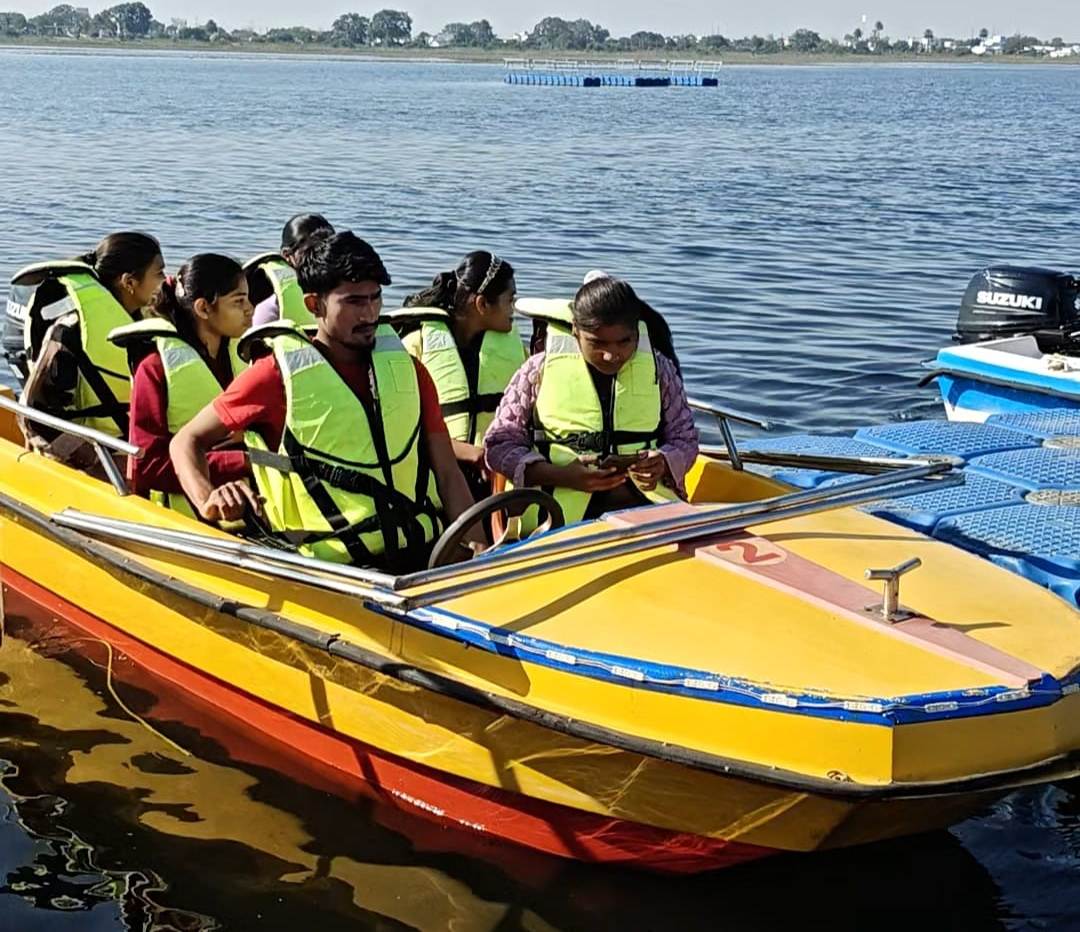
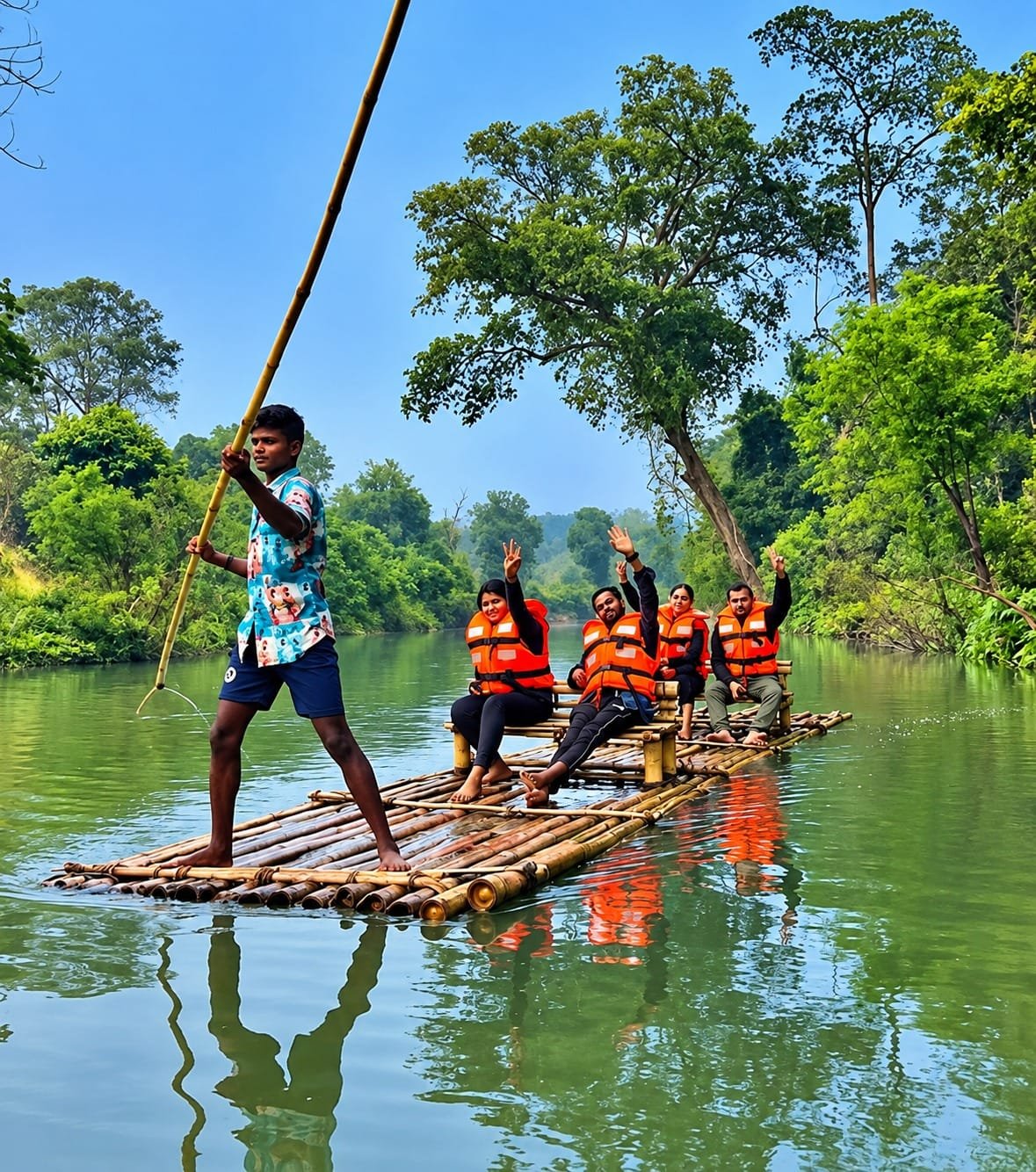
Bastar’s greatest asset is the remarkable blend of nature and culture it offers. Sites such as the Chitrakote and Tirathgarh waterfalls, Kanger Valley National Park, Kutumsar and Kailash caves, Maa Danteshwari Temple, Dalpat Sagar, and Bastar Palace provide tourists with a unique experience encompassing nature, adventure, spirituality, and history. Visitors do not merely sightsee; they connect with local life, traditional cuisine, handicrafts, folk dances, and music. Consequently, Bastar is being developed not just as a tourist destination, but as a distinct region for experience-based tourism.
- Connectivity Opening New Avenues for Development
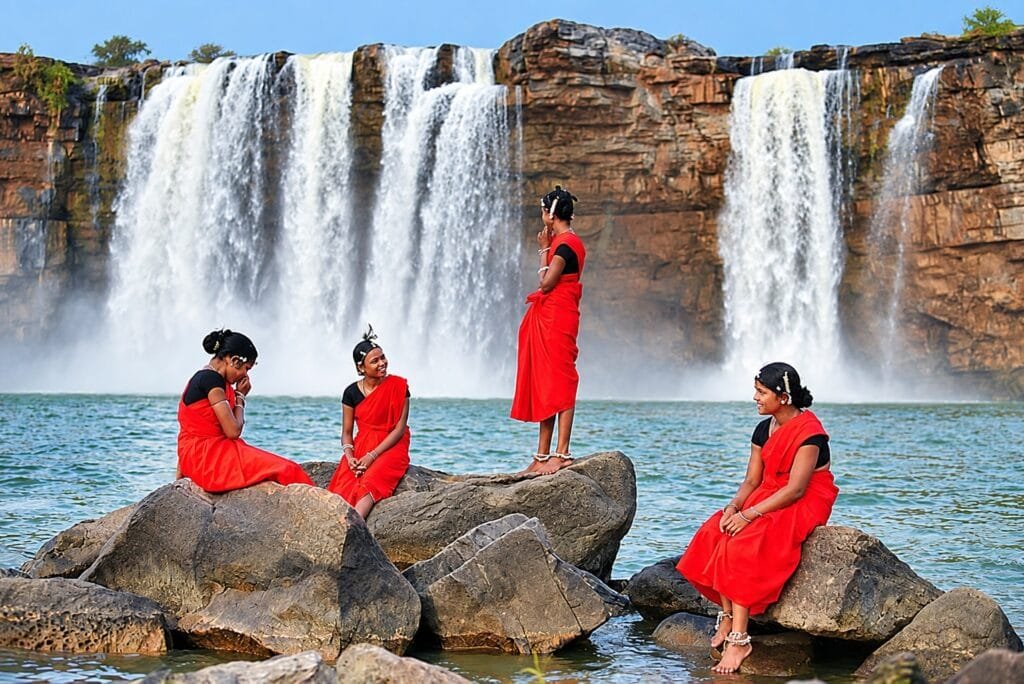
Improved connectivity is the cornerstone of tourism expansion. Efforts to strengthen road, rail, and air links in Bastar are giving fresh momentum to tourism prospects. The proposal to construct 228 new roads and 267 bridges under the ‘Bastar 2.0’ blueprint marks a significant step toward enhancing connectivity to remote areas.

The Maa Danteshwari Airport in Jagdalpur plays a pivotal role in linking Bastar to other parts of the country. Currently, air connectivity is available to Raipur and Hyderabad. Meanwhile, projects like the Rowghat-Jagdalpur rail line hold the potential to further strengthen regional connectivity in the future. Improved connectivity will benefit more than just tourists; it can provide local products with access to markets, offer rural areas better connectivity, and create new tourism-based employment opportunities for the youth.
- Homestays Bring the Benefits of Tourism to Villages
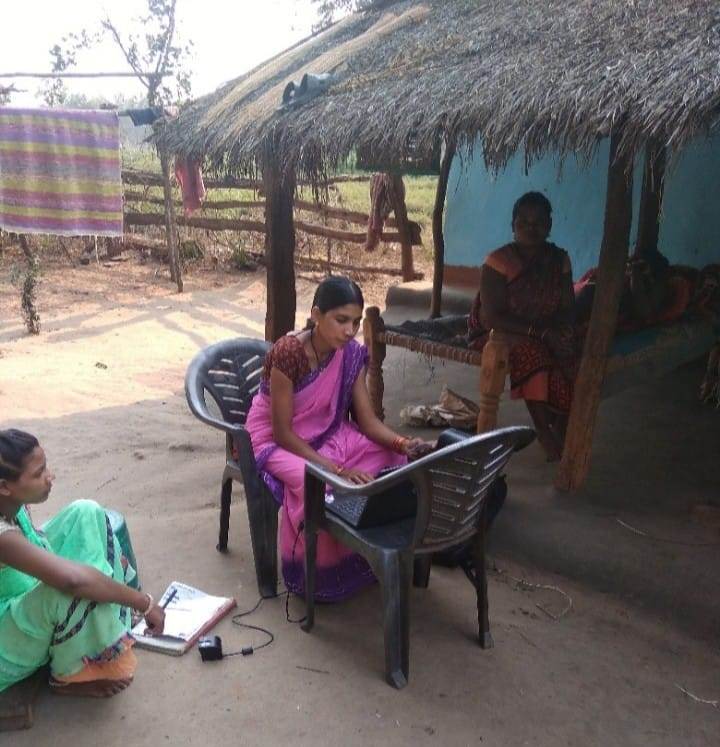
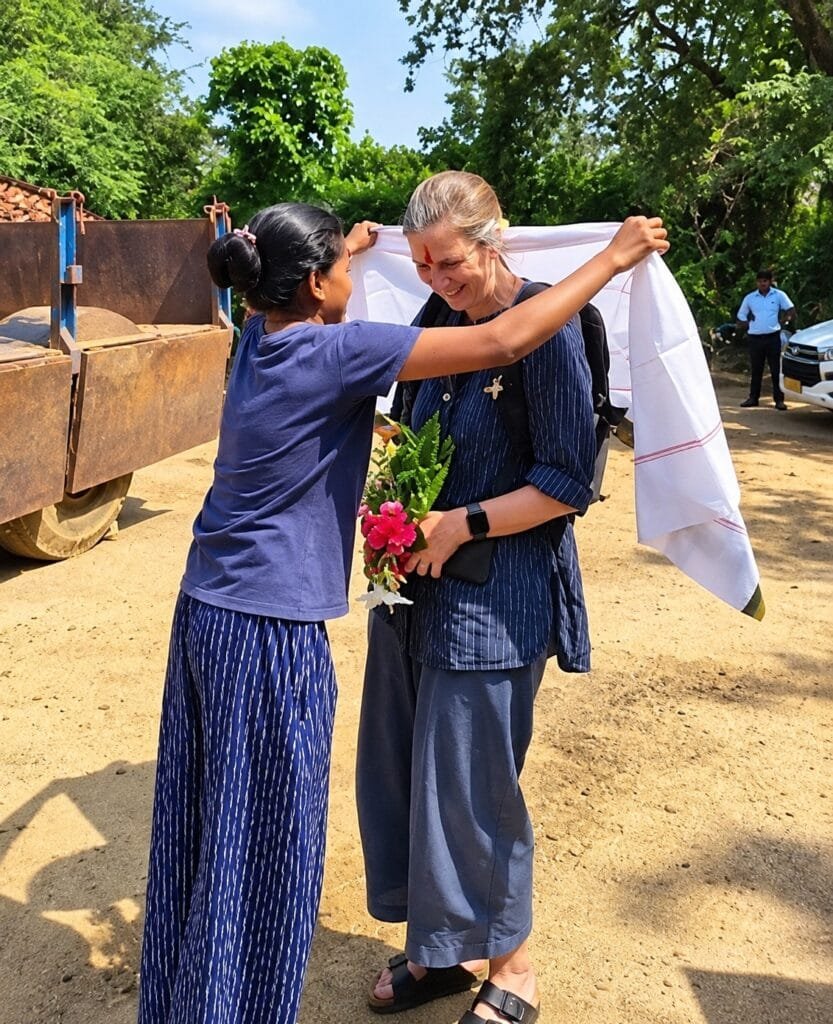
Rural and tribal homestays have become a crucial link in the development of tourism in Bastar. Through the Chhattisgarh Homestay Policy (2025-30), efforts are being made to offer tourists an authentic experience of rural life, tribal culture, local art, handicrafts, and traditional cuisine by allowing them to stay with local families.
The most significant feature of the homestay model is that the economic benefits of tourism reach local families directly. Beyond accommodation, income opportunities are being created for other families in the vicinity through services such as meals, local guiding, transportation, handicrafts, and cultural activities.
Provisions exist for financial assistance of ₹1 lakh per room for new construction and ₹50,000 per room for the renovation of existing rooms in Bastar. With support available for units ranging from one to nine rooms, rural families can engage in tourism activities according to their capacity. Currently, proposals for grants for 85 beneficiaries have been forwarded to banks, and 27 homestays are already registered with the Chhattisgarh Tourism Board.
- Culture Emerges as a Key Strength of Tourism
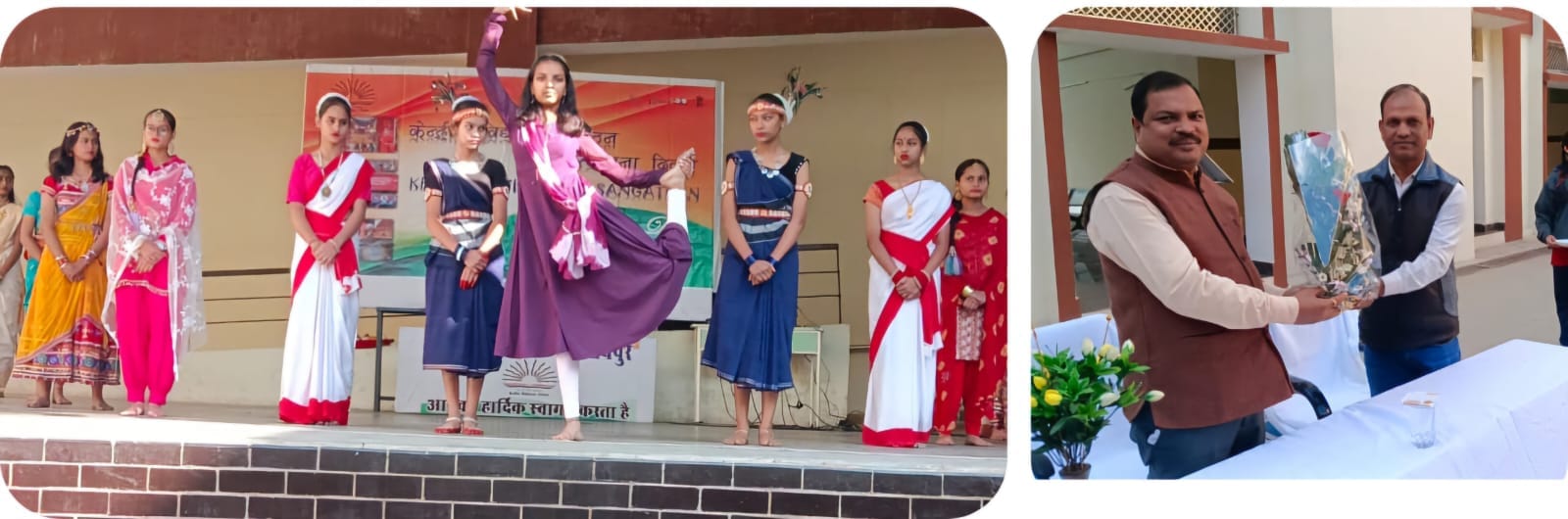
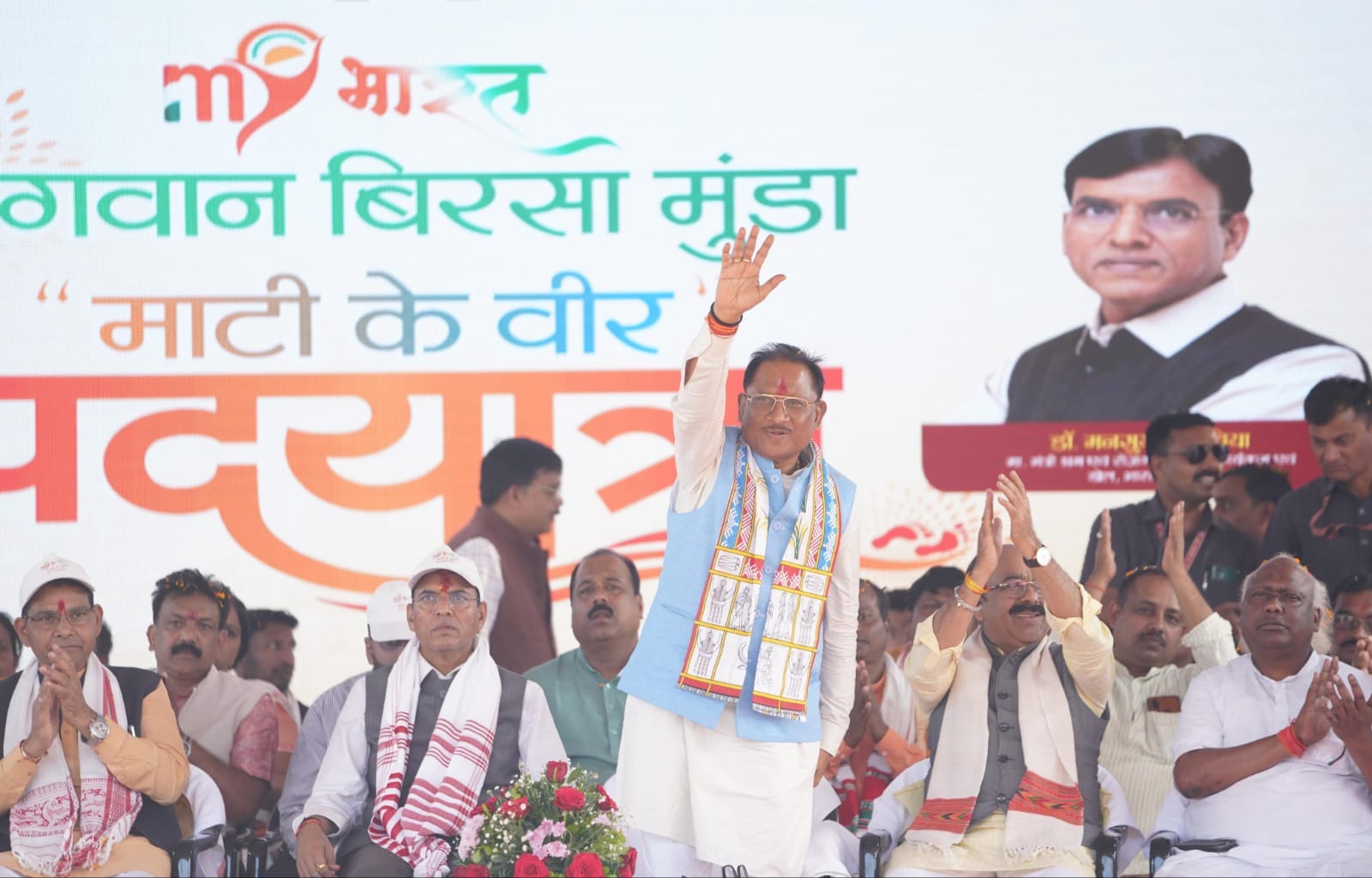
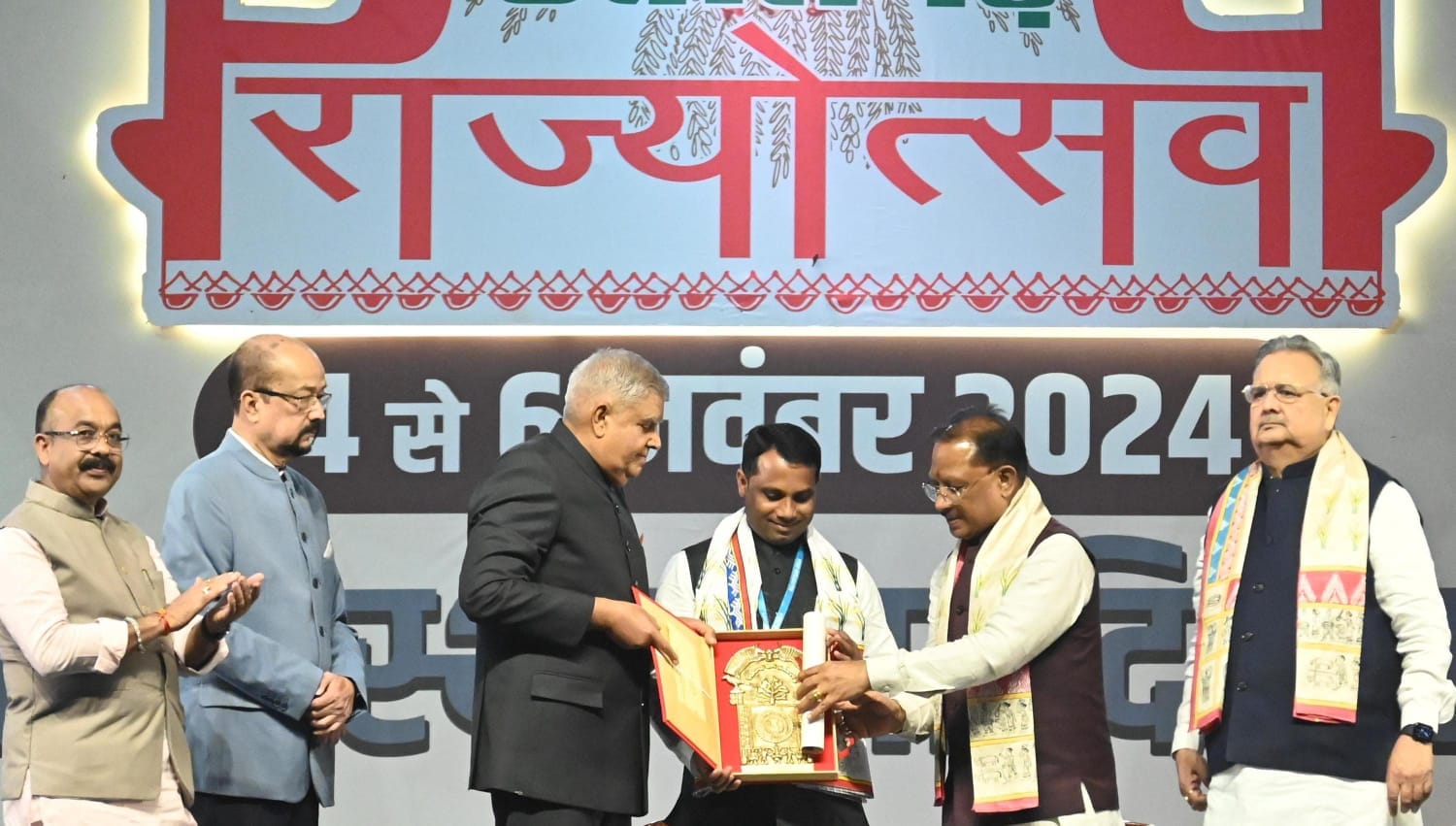
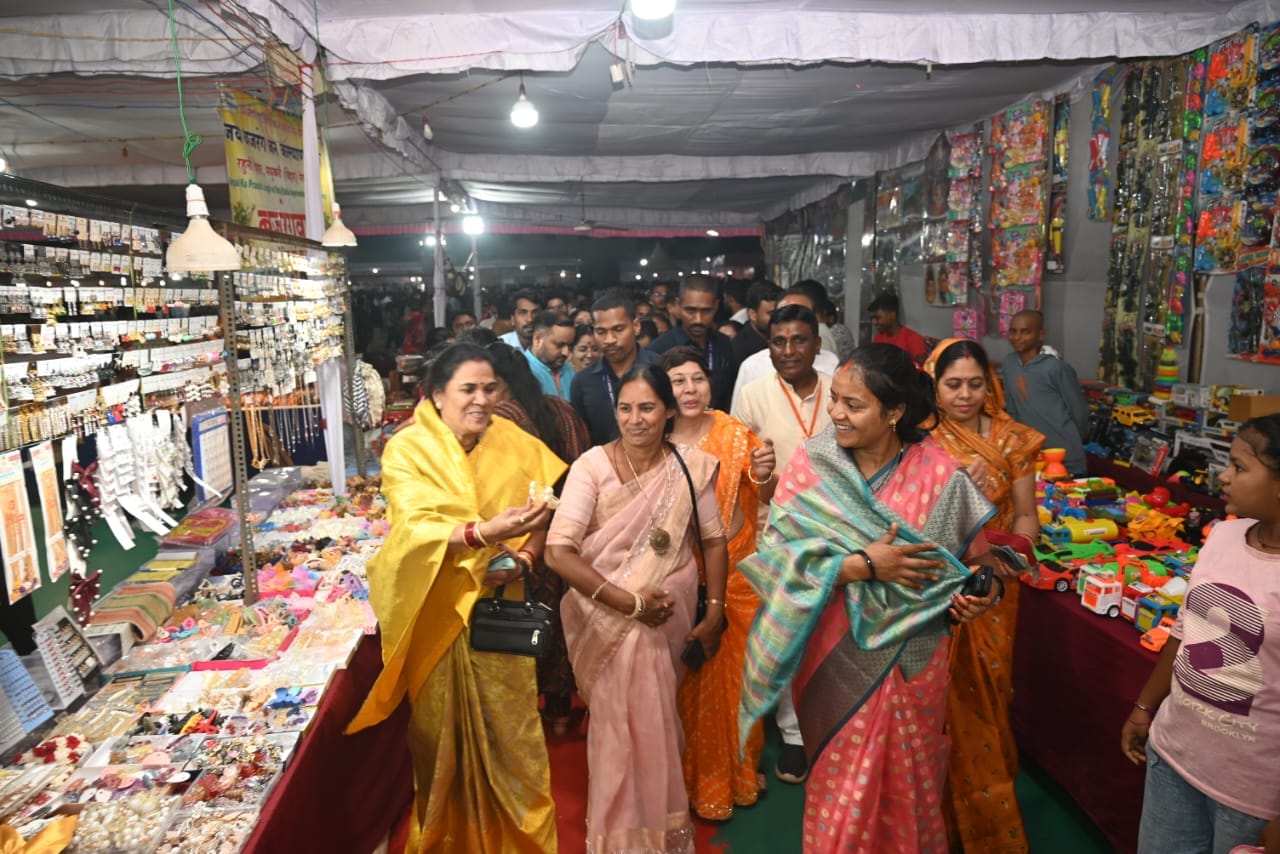
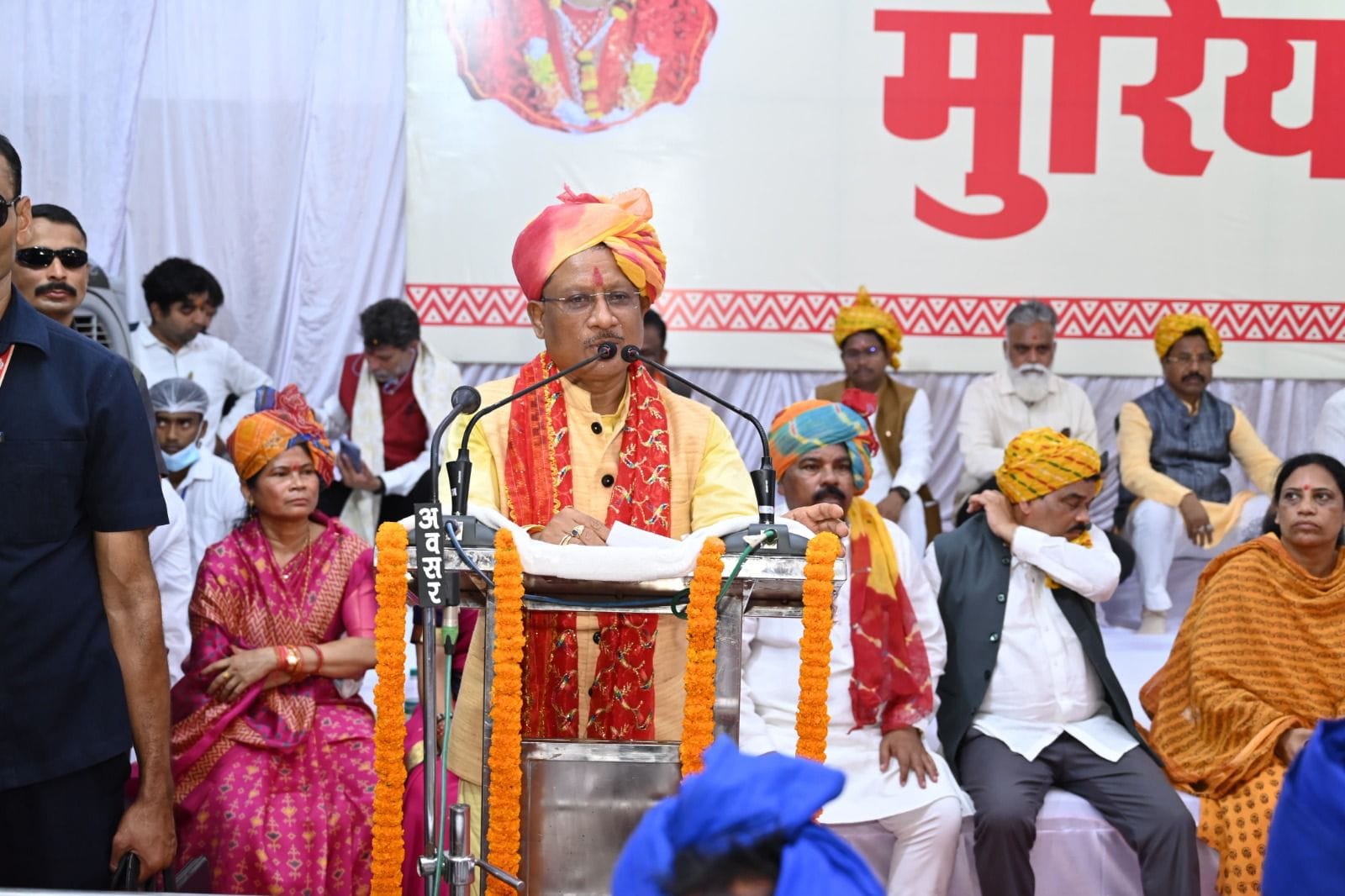
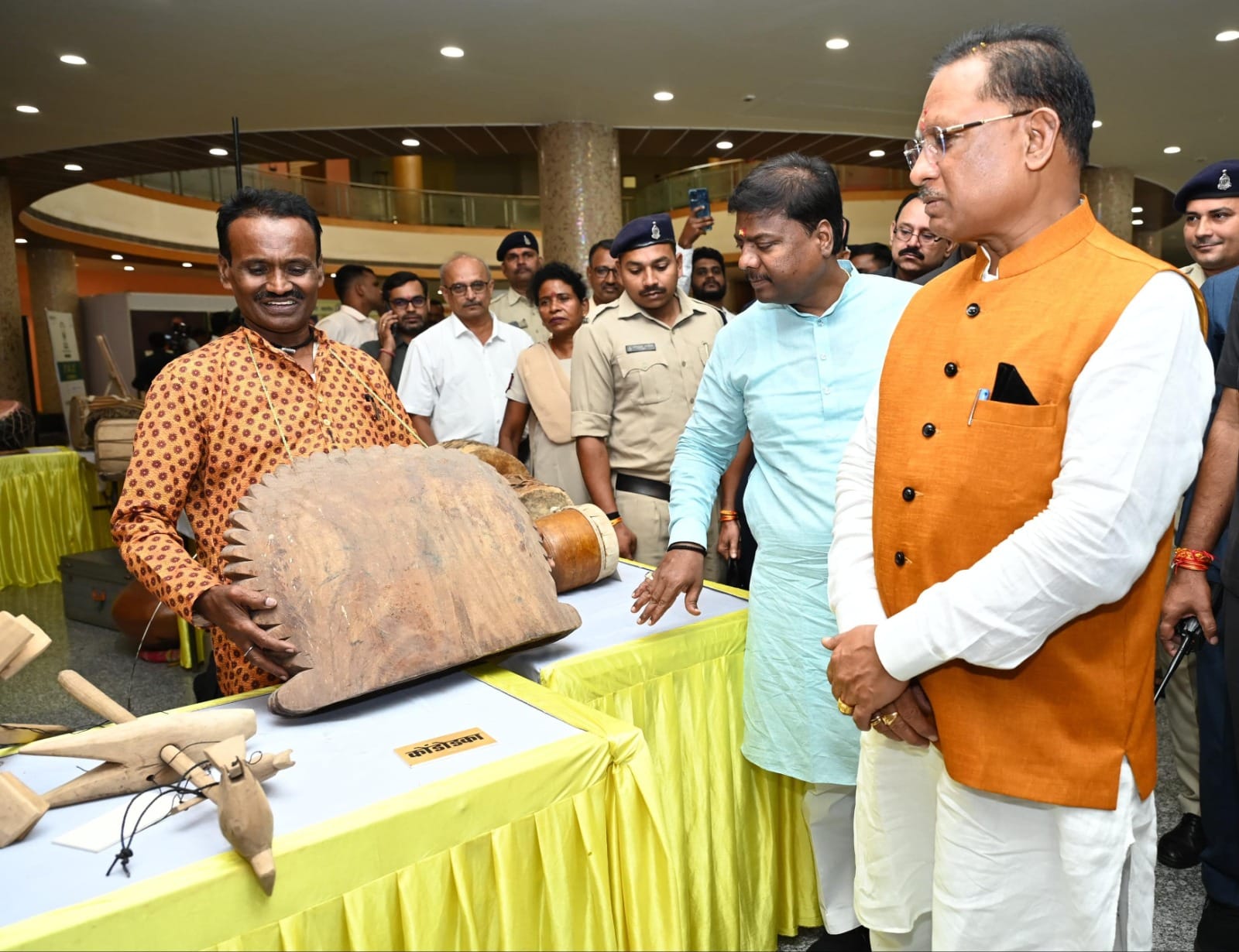
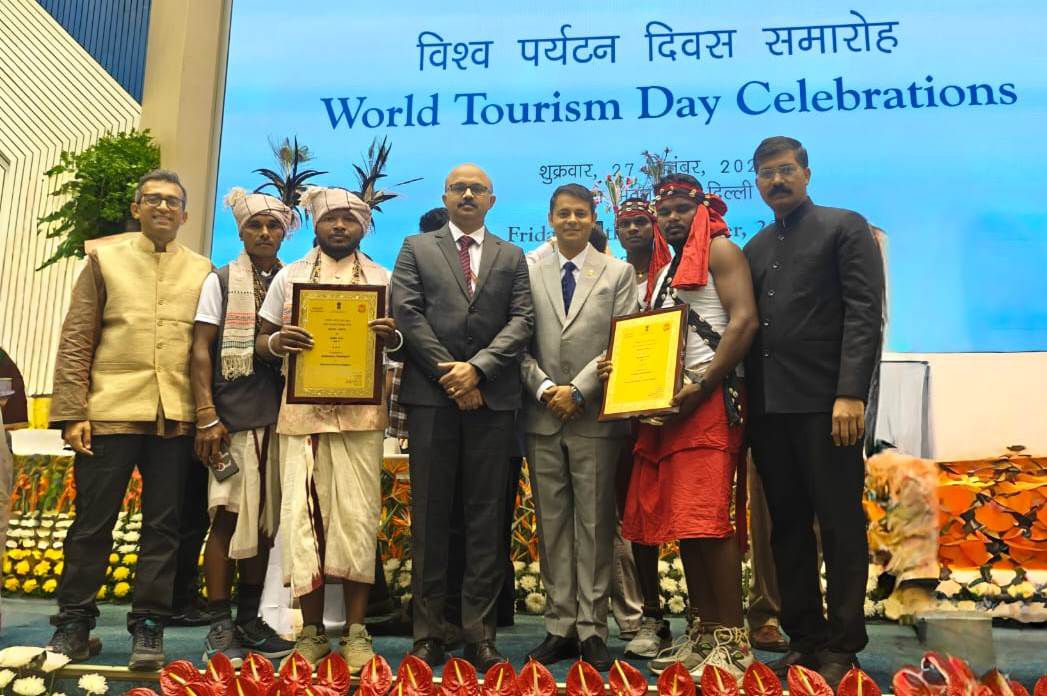
Bastar’s tribal culture is one of its most distinctive features. Bell metal and metal crafts, wood and bamboo art, traditional jewelry, dance, music, and cuisine serve as major attractions for tourists from across the country and the world. Events like ‘Bastar Pandum’ provide a broad platform to showcase this cultural heritage. The 2026 Bastar Pandum showcased 12 forms of tribal culture and saw the participation of approximately 55,000 tribal people. Held in the presence of President Smt. Droupadi Murmu, the event offered an opportunity to highlight Bastar’s cultural identity on a national stage.
- Diverse Tourism Potential: From Faith to Adventure
Bastar offers a unique blend of potential for religious, cultural, eco, and adventure tourism. While the Maa Danteshwari Temple and Bastar Dussehra form the foundation of spiritual and cultural tourism, areas like Kanger Valley and Dhudmaras offer new opportunities for nature- and adventure-based tourism.
Plans for adventure tourism facilities—such as a glass bridge and canopy walk—in Dhudmaras, combined with the village’s selection for the UN Tourism ‘Best Tourism Villages’ development program, are giving new recognition to the potential of rural tourism.
- Tourism-led Employment and Local Prosperity
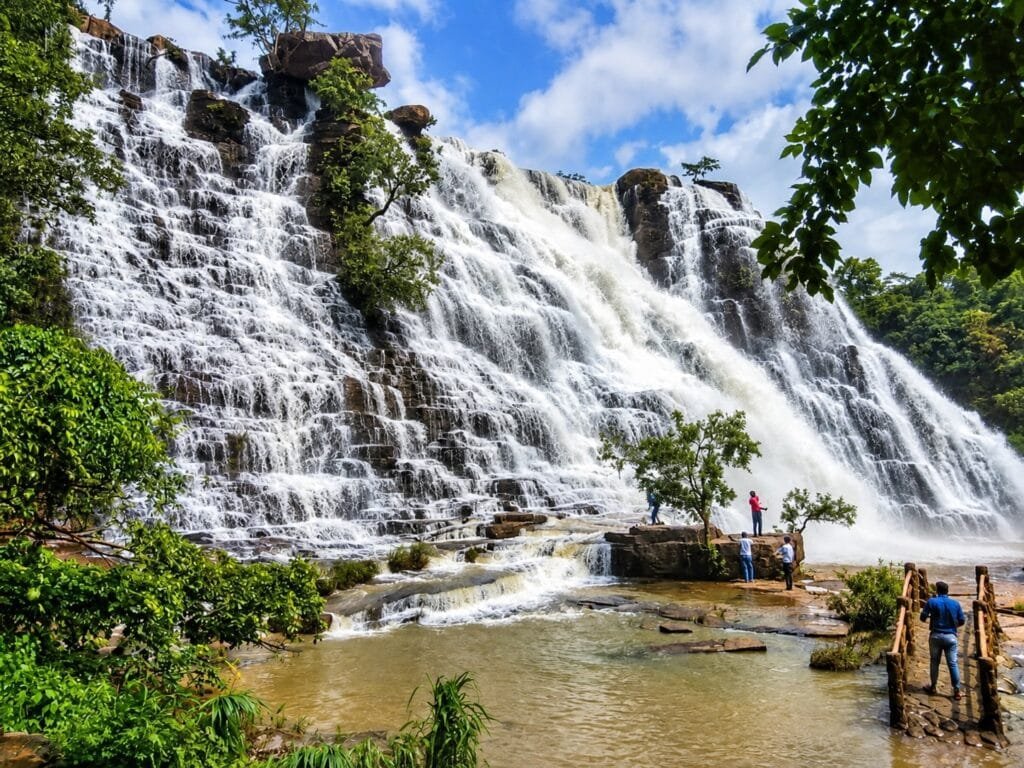
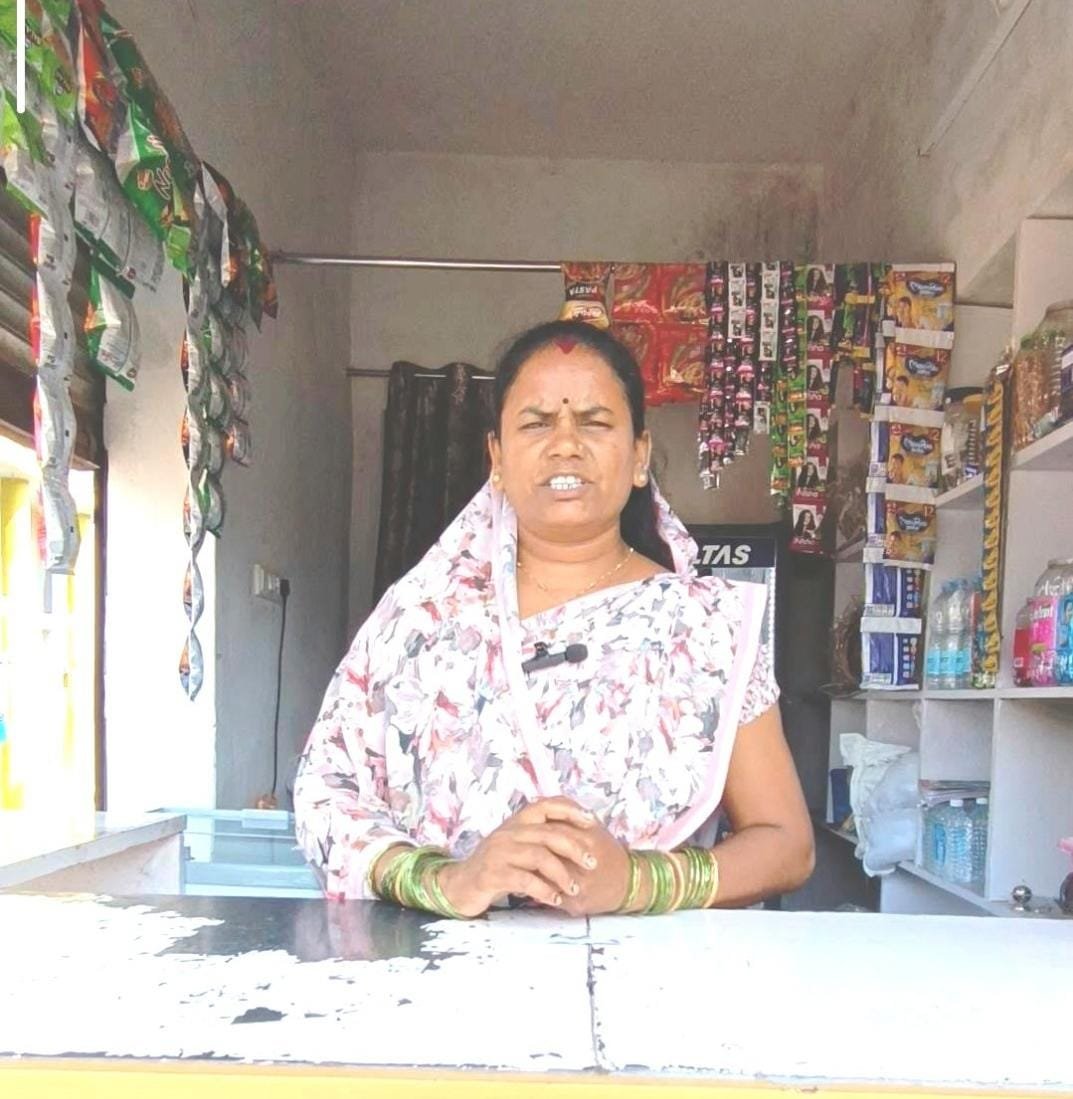
A crucial aspect of Bastar’s tourism development is ensuring that the benefits reach the local community. Homestay operators, tour guides, local drivers, food service providers, handicraft sellers, cultural artists, and youths involved in adventure tourism are becoming integral parts of this emerging tourism economy.
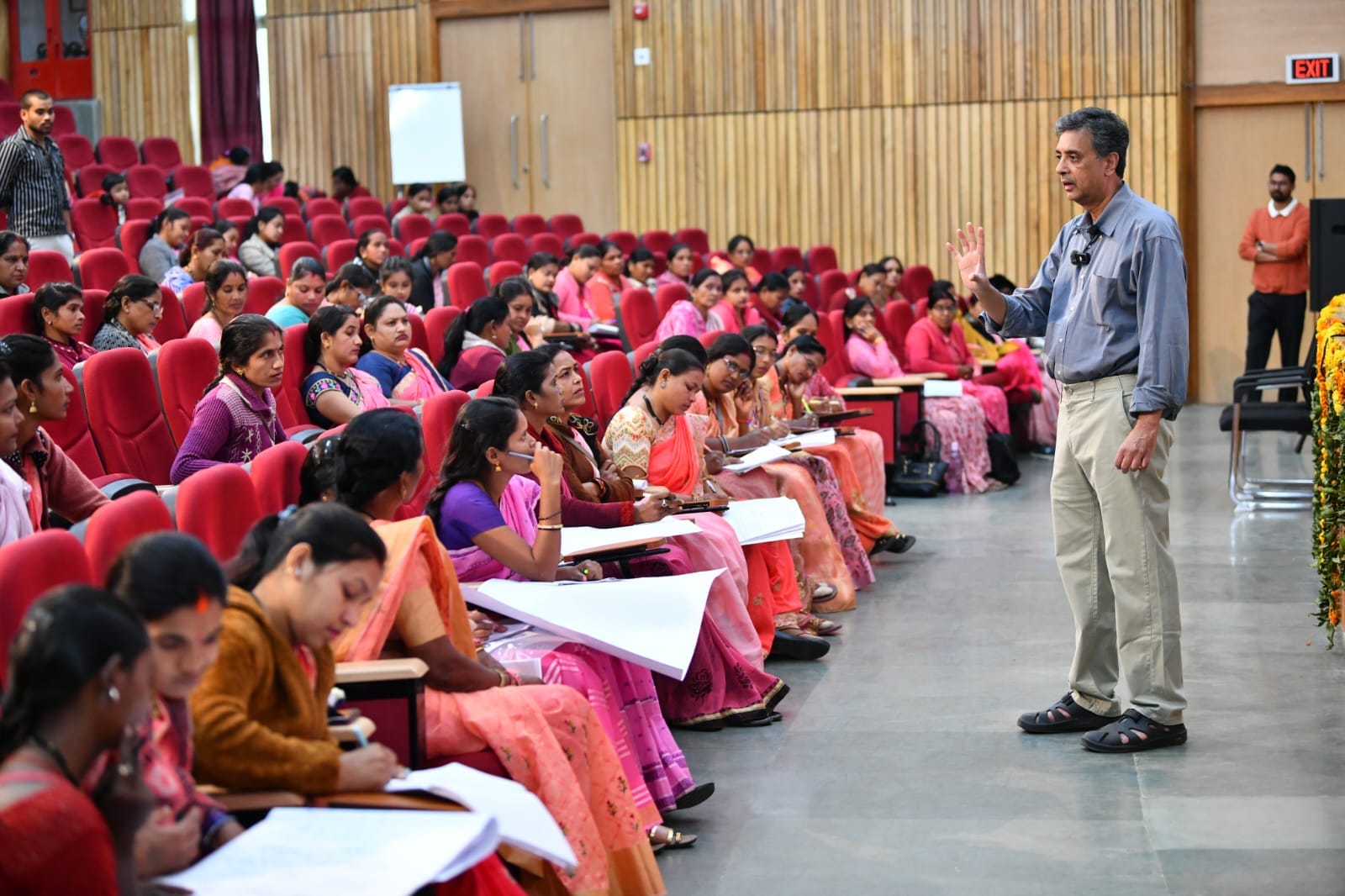
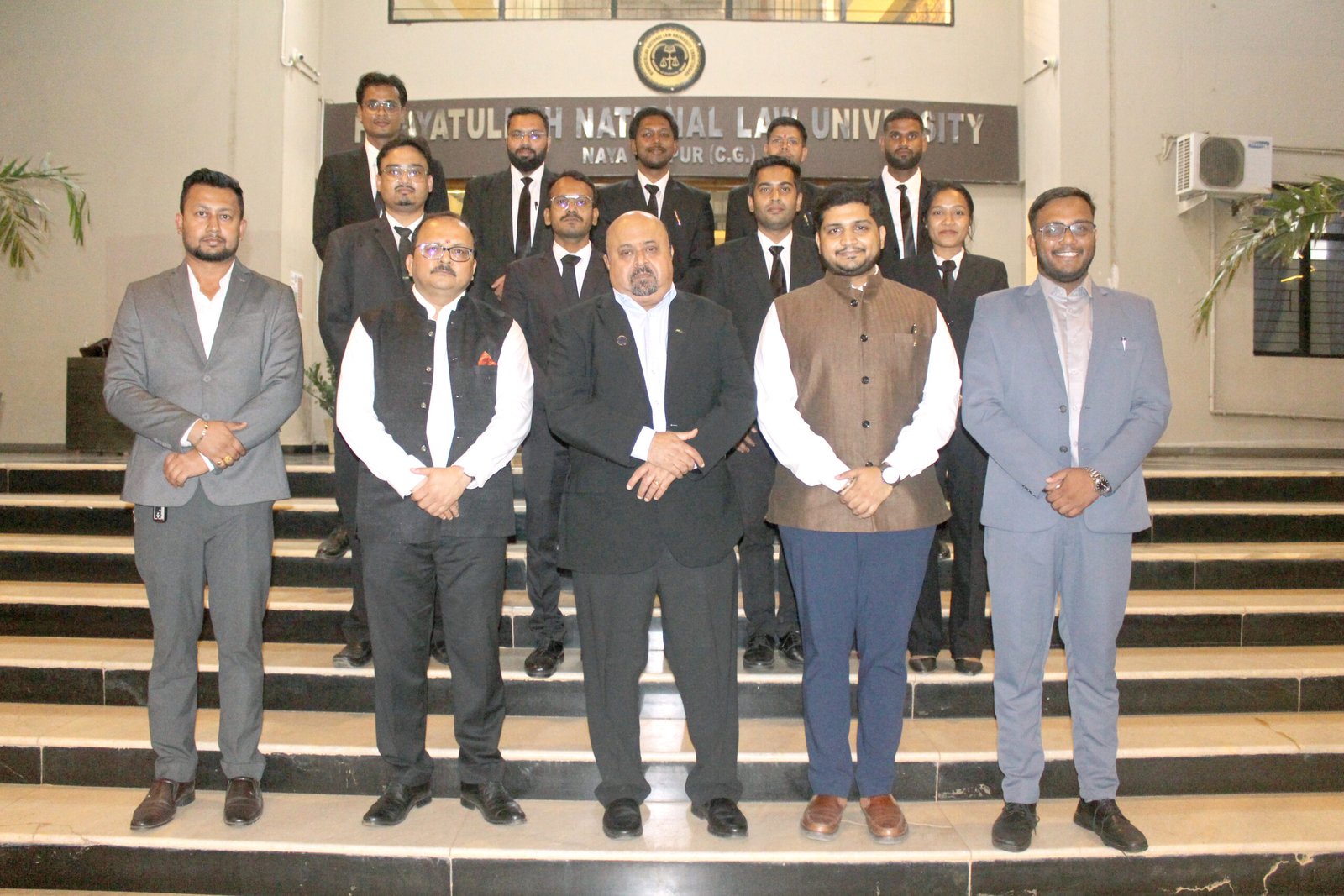
Under Bastar’s tourism roadmap, 45 youths have received training in tourism management. This indicates a shift towards linking tourism with local skills, employment, and entrepreneurship, rather than limiting it merely to the development of sightseeing spots.
- A New Image of Bastar
Bastar’s tourism model is one where nature is preserved, the authenticity of tribal culture remains intact, and the income generated from tourism benefits the local community. Roads are connecting Bastar, air links are reducing travel time, rail connectivity prospects are expanding, homestays are integrating villages into the tourism economy, and events like ‘Bastar Pandum’ are showcasing this are bringing its cultural identity to the forefront for the nation.
Bastar is no longer just a story of the past. It represents a new chapter of possibilities, where the lush greenery of forests, the beauty of waterfalls, the vibrancy of tribal culture, and the hospitality of the local people combine to give a new direction to tourism in Chhattisgarh. Bastar’s new identity is being defined not by its past, but by new possibilities rooted in peace, nature, culture, tourism, and local development.