






















































- Chhattisgarh’s new initiative towards drone surveillance, smart monitoring and green development
- A clean, safe and sustainable future is taking shape through the integration of science, technology and public participation.
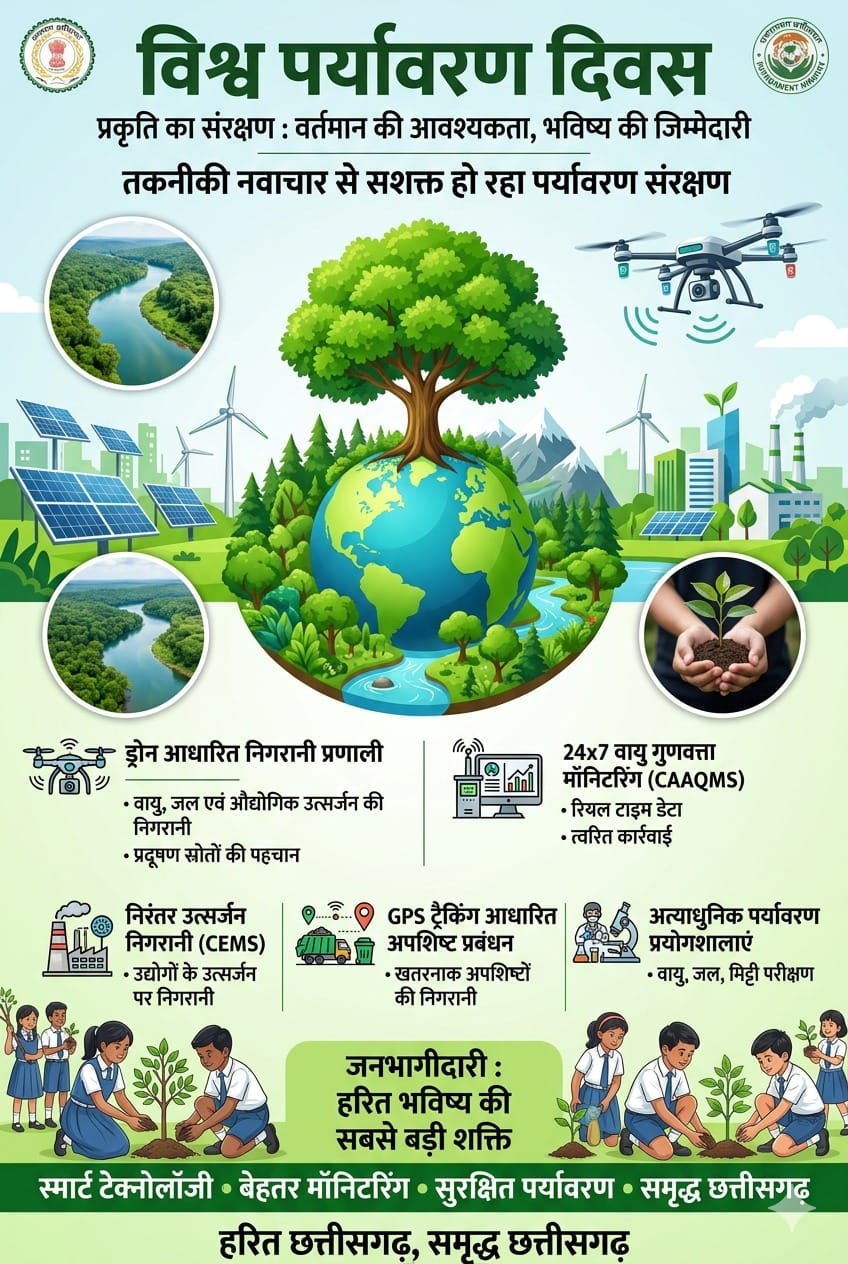
- Conservation of Nature: A Need for the Present, a Responsibility for the Future
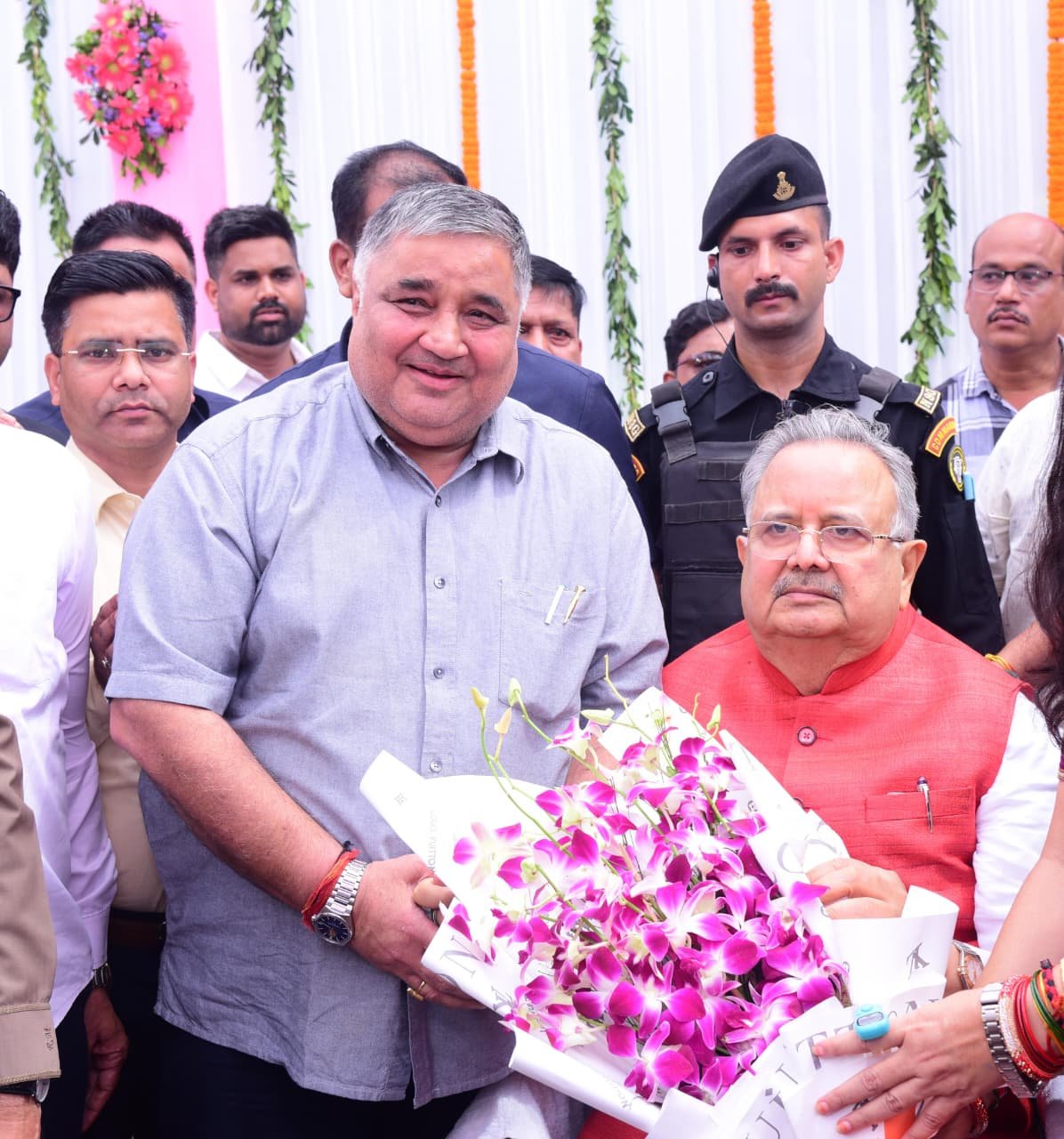
- Shri Dhananjay Rathore, Joint Director Public Relations
- Shri Sunil Tripathi, Assistant Director, Public Relations
The Earth is not just our habitat, but also a priceless heritage for future generations. Clean air, pure water, lush forests, and rich biodiversity are the foundation of human civilization. However, today, climate change, global warming, air pollution, water pollution, and the uncontrolled exploitation of natural resources have posed a serious crisis for the entire world. World Environment Day reminds us that striking a balance between economic development and environmental protection is the most pressing need of the hour. Ignoring nature in the pursuit of development can ultimately pose a threat to human life. Therefore, today, there is a need for a development policy that ensures prosperity as well as environmental balance.
Under the leadership of Chief Minister Shri Vishnudev Sai, the Chhattisgarh government is advancing this concept of balanced development. By integrating environmental governance with modern technologies, the state has taken several important steps toward pollution control, resource conservation, and sustainable development.
- Technological Revolution in Environmental Protection: Drone Based Monitoring System
In the 21st century, technology has become not just a means of convenience but an effective tool for good governance and resource conservation. Drone-based monitoring systems in the field of environmental monitoring symbolize this transformation. Previously difficult-to-reach areas, where pinpointing pollution sources took time, drones equipped with state-of-the-art sensors can now provide detailed information in a matter of minutes.

- through drone technology
Drone technology is being used to effectively monitor particulate matter such as PM2.5 and PM10, analyze gaseous pollutants such as sulfur dioxide (SO₂) and nitrogen dioxide (NO₂), monitor the altitude of industrial chimney emissions, test the water quality of rivers and reservoirs, identify illegal waste disposal sites, and accurately map pollution hotspots. This enables rapid identification of pollution sources, scientific analysis, and prompt corrective action.
- Chhattisgarh moves towards smart environmental governance
Environmental challenges are constantly changing. Therefore, strengthening traditional monitoring systems with modern technologies is the need of the hour. With this vision, the Chhattisgarh government has prioritized technology-based environmental governance.
- 24-hour air quality monitoring
The Continuous Ambient Air Quality Monitoring System (CAAQMS) is being expanded across the state. This system analyzes air quality around the clock and provides real-time data. This enables scientific assessment of pollution levels and provides citizens with air quality information.
- Pollution control in industries gets new strength
Industrial development is fundamental to the state’s economic progress, but ensuring that it complies with environmental standards is equally important. To this end, the Continuous Emission Monitoring System (CEMS) has been implemented in industries. This system continuously monitors industrial emissions and provides immediate information in the event of any standard violations. This has made the pollution control process more transparent and accountable.
- Controlling hazardous waste with GPS tracking
Scientific management of industrial waste is a crucial component of environmental protection. The Chhattisgarh government has implemented a GPS-based tracking system to monitor the transportation and disposal of hazardous waste. This system provides complete information from waste generation to its final disposal. This has significantly reduced the potential for illegal dumping and environmental damage.
- State-of-the-art environmental laboratories: the basis for scientific decisions
Accurate data and scientific analysis are the cornerstone of any effective environmental policy. The state-of-the-art Central Environmental Laboratory established in the state conducts high-level testing of air, water, soil, and wastewater samples. Additionally, mobile environmental laboratories are playing a vital role in surprise inspections and rapid testing. These facilities enable early detection of pollution incidents and ensure timely necessary action.
- Balance between environmental protection and industries
The state government has simplified and made processes for industries transparent without compromising environmental standards. The Permit to Establish (CTE) and Permit to Operate (CTO) processes have been made time-bound and digital. Industries have been provided relief by facilitating self-certification-based renewals in several categories. This initiative exemplifies that environmental protection and economic development can go hand in hand.
- Public participation: The biggest force for a green future
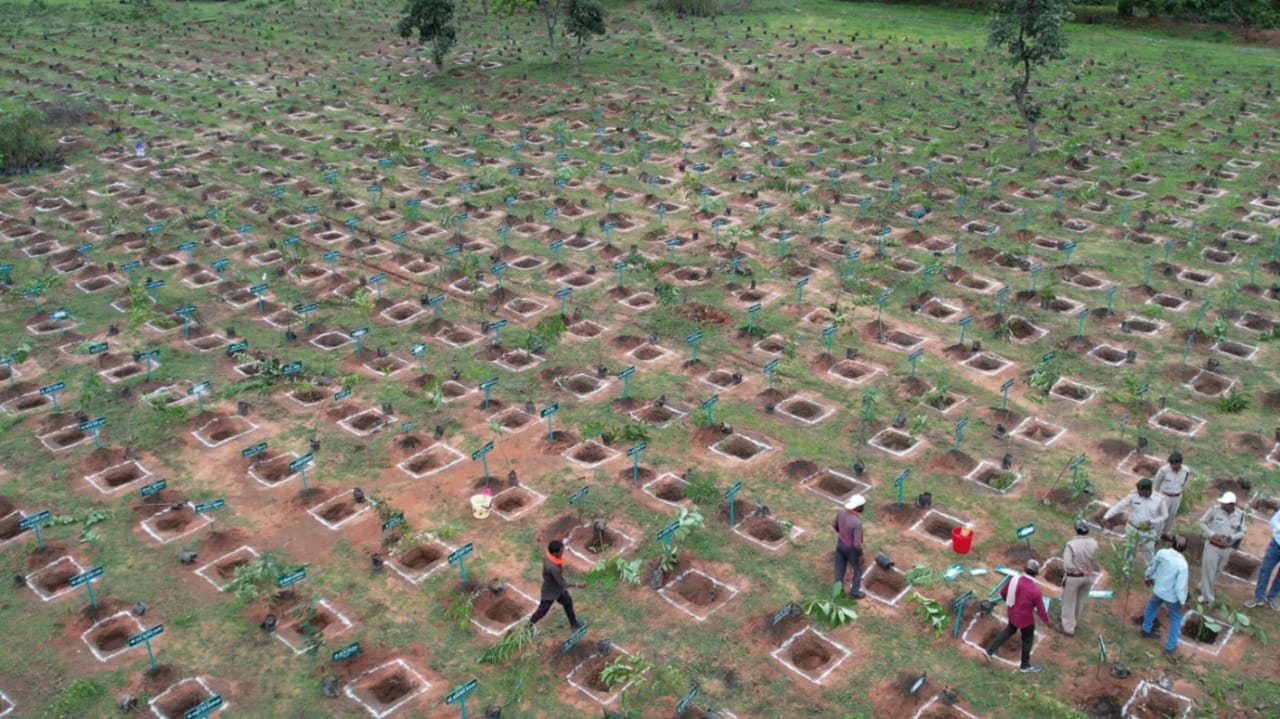
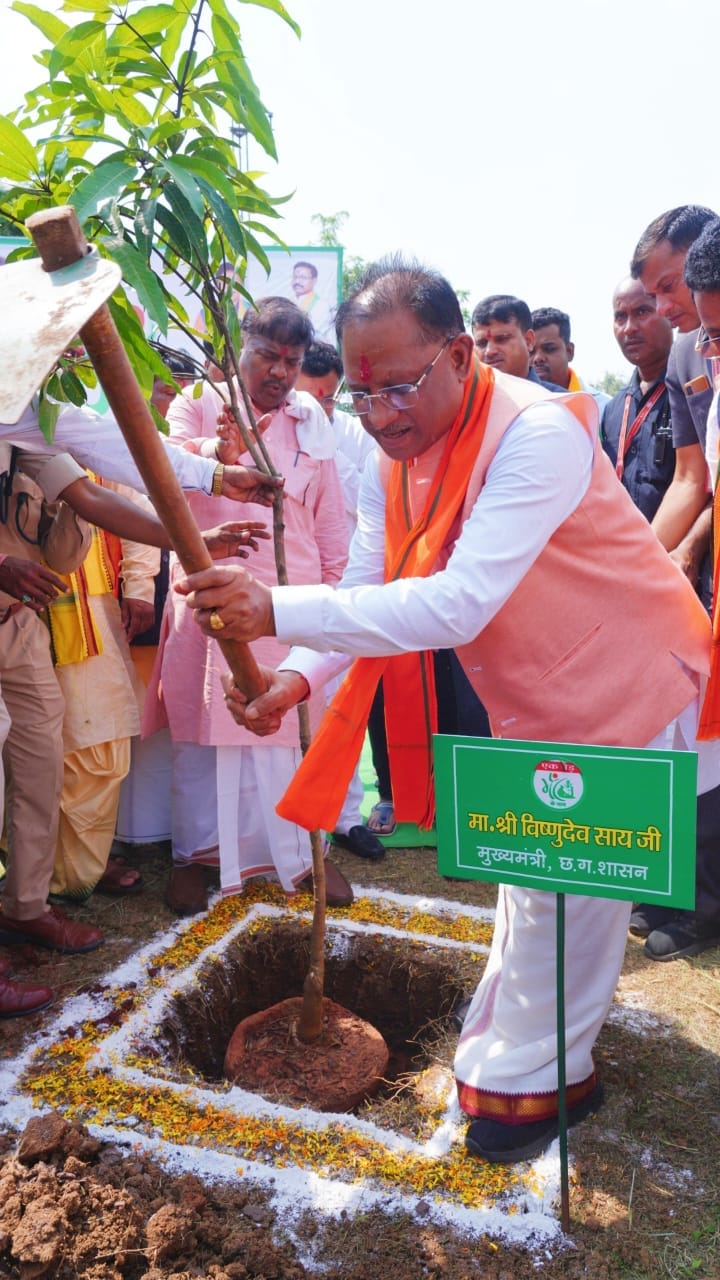
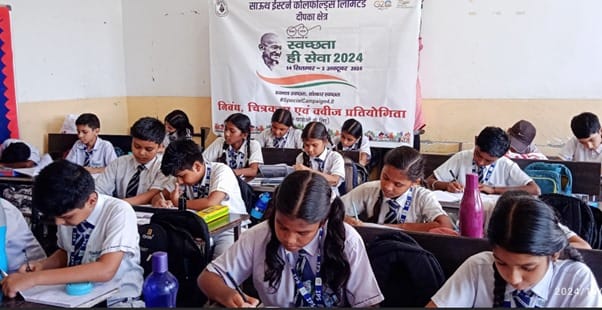
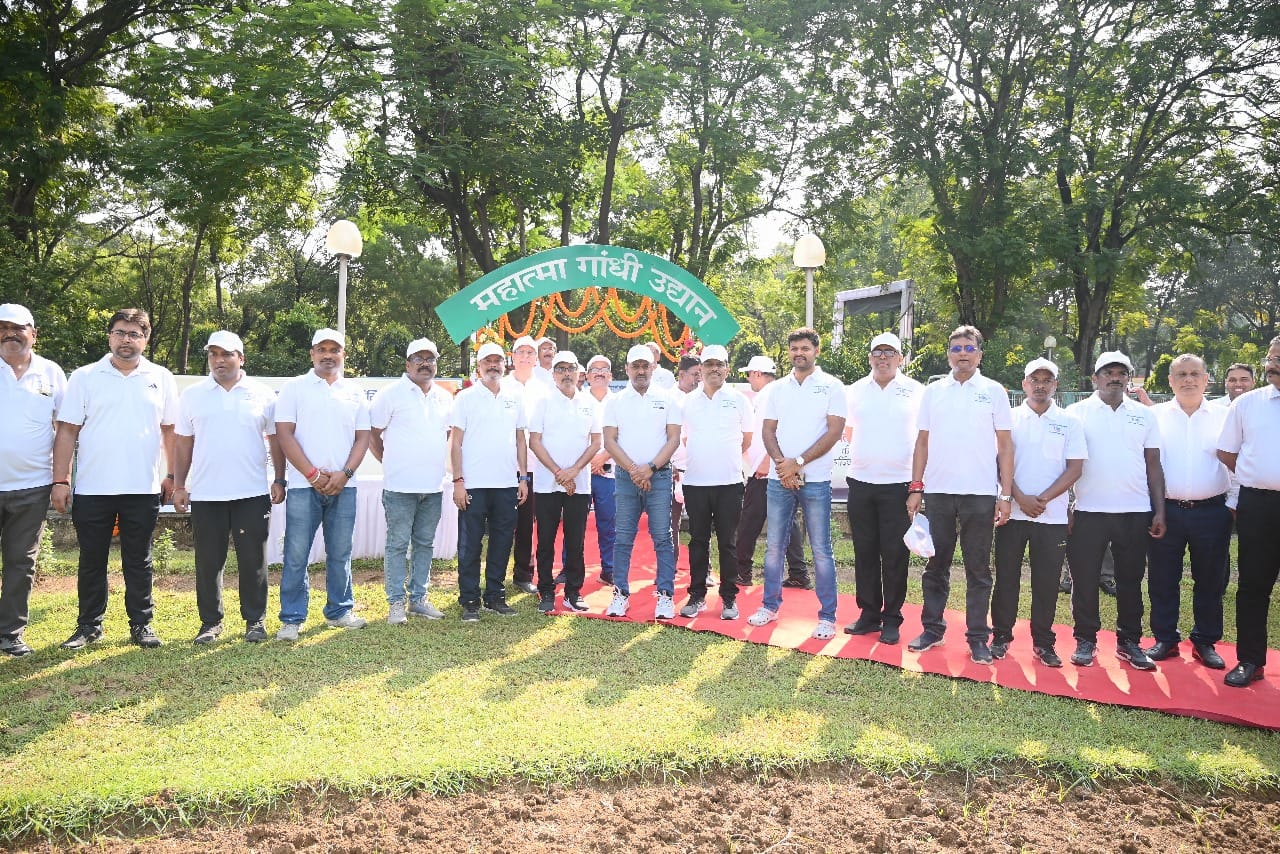
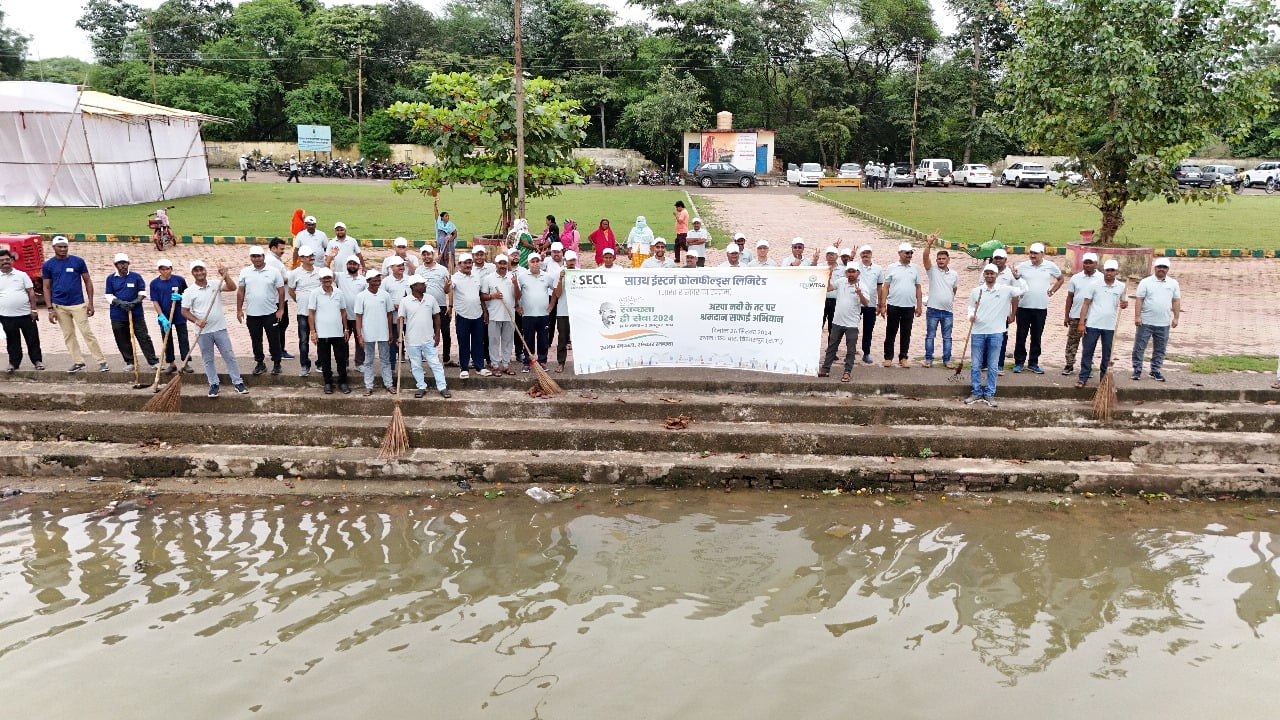
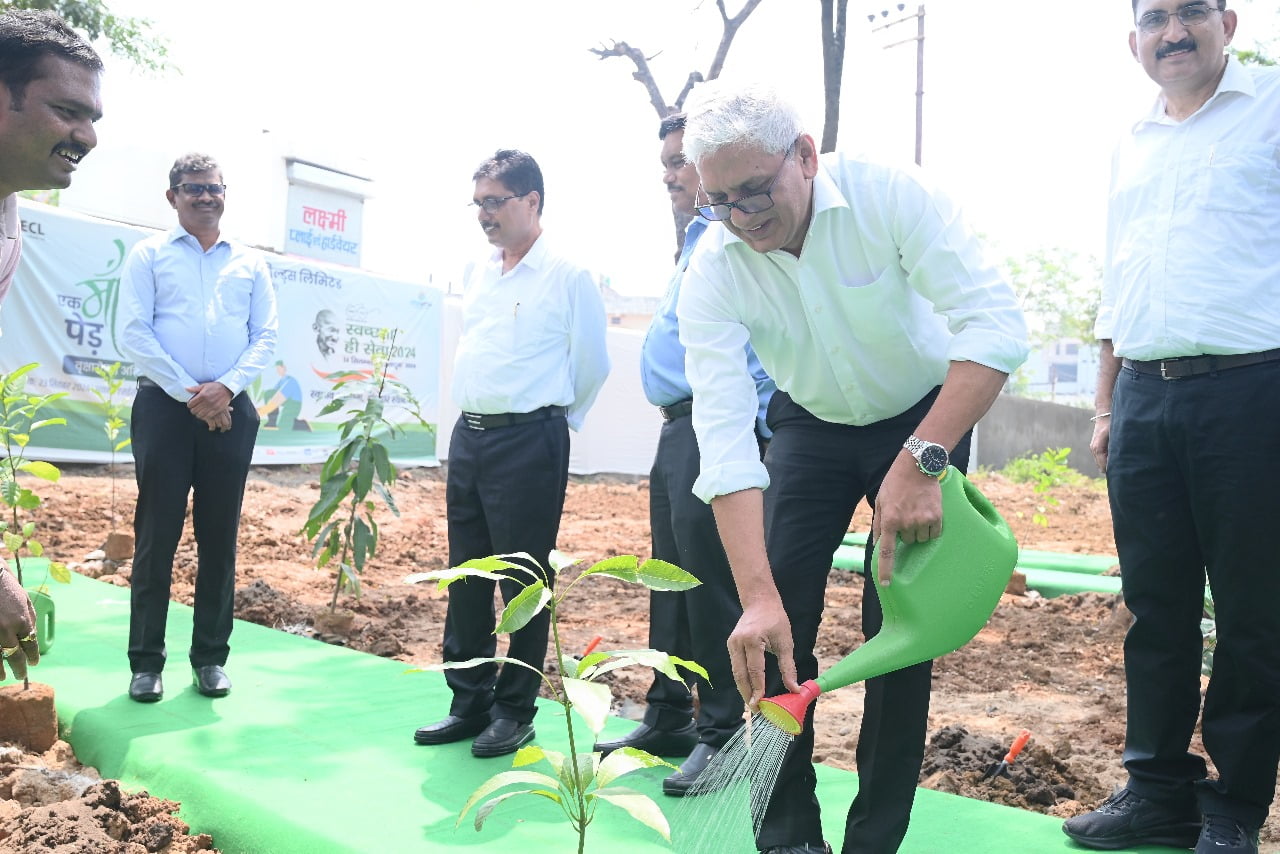
Environmental protection is not possible solely through government schemes. It will only be successful when every individual in society understands and fulfills their responsibility. To this end, eco-club programs are being implemented across the state. Thousands of school and college students are actively participating in tree planting, water conservation, plastic-free campaigns, cleanliness programs, and biodiversity conservation activities. Developing environmental awareness among the younger generation is laying a strong foundation for a green India in the future.
- Future Vision 2030: A Roadmap for Green Growth
In the coming years, environmental governance will be entirely data-driven, transparent, and technology-driven. Under the “Future Vision 2030,” smart monitoring, digital environmental management, advanced pollution control systems, and public participation-based conservation models are being developed in the state. This vision is not limited to pollution control alone, but is a comprehensive effort to provide citizens with better health, a cleaner environment, and a higher quality of life.
- A safe future will be created through the coordination of technology and nature.
World Environment Day gives us the message that protecting the Earth is not just the responsibility of governments, but a shared responsibility of all of us. In Chhattisgarh, drone-based monitoring, CAAQMS, CEMS, GPS tracking, modern laboratories, and public participation programs are giving new direction to environmental governance. These initiatives are not only making pollution control more effective but also laying a strong foundation for ensuring clean air, safe water, and a healthy environment for future generations.
This effort to balance nature and progress is giving Chhattisgarh a new identity of green development. This is the most important resolution on World Environment Day – a state where the pace of development is maintained and the environment is also pure.