








- An unforgettable experience of Indian cultural diversity, folk traditions and cultural heritage at the Indira Gandhi National Human Museum
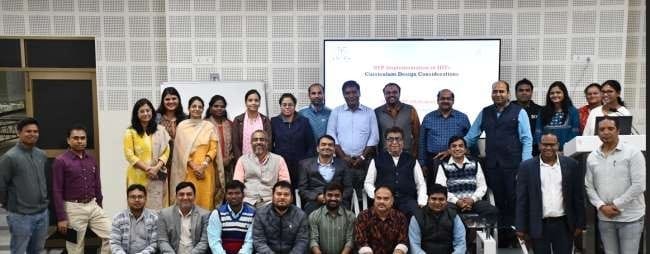
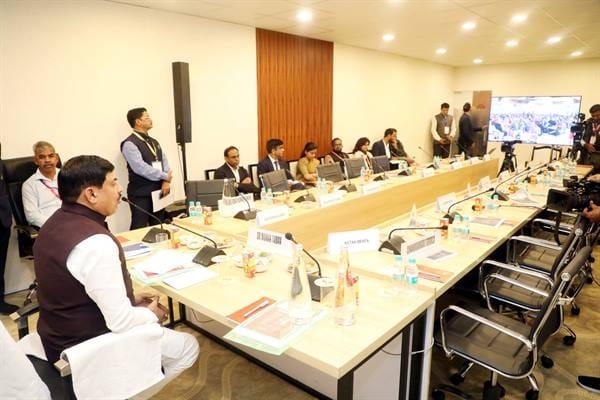
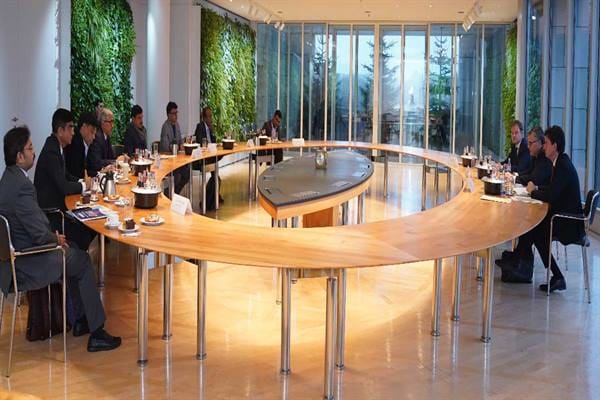
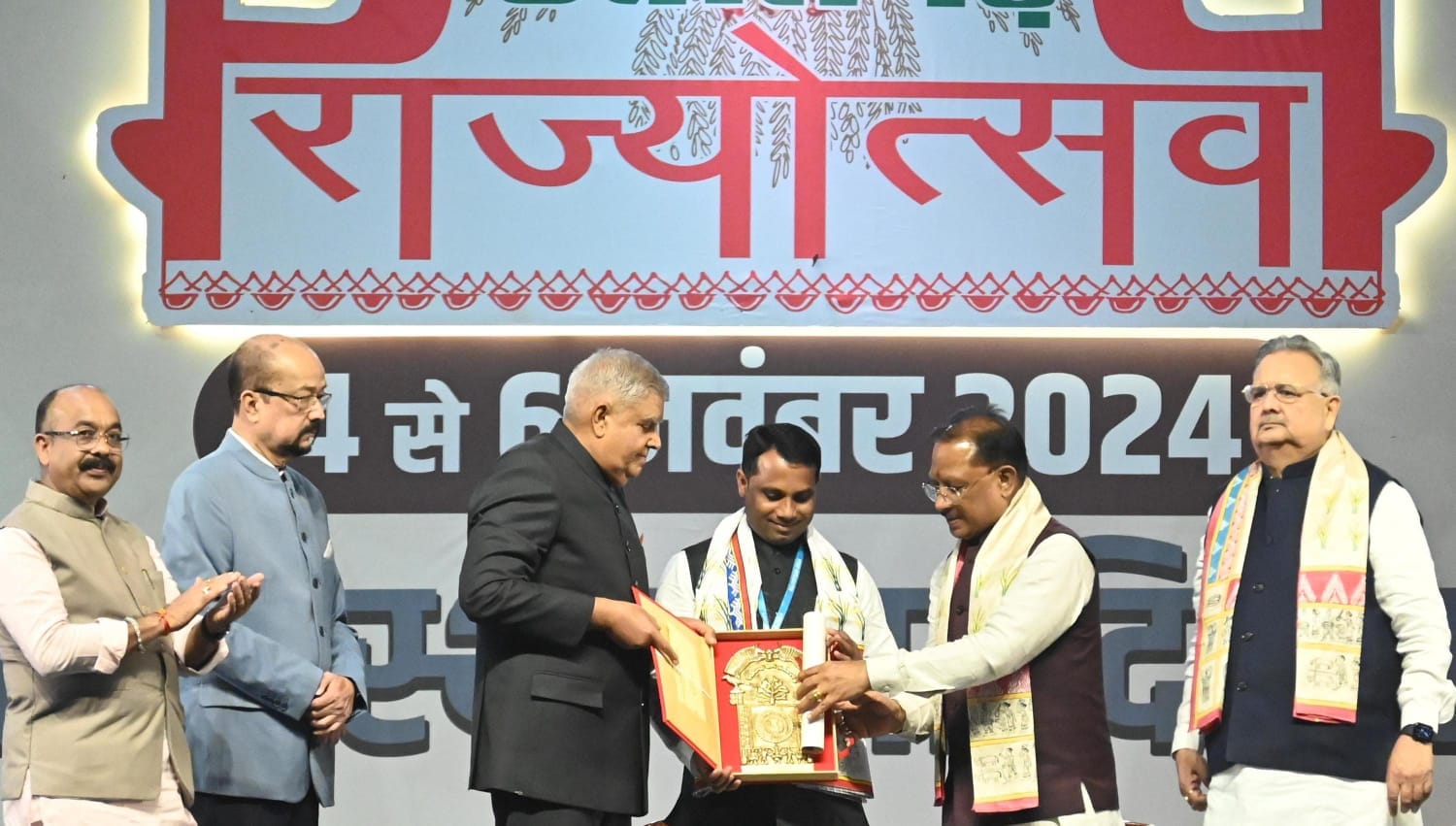
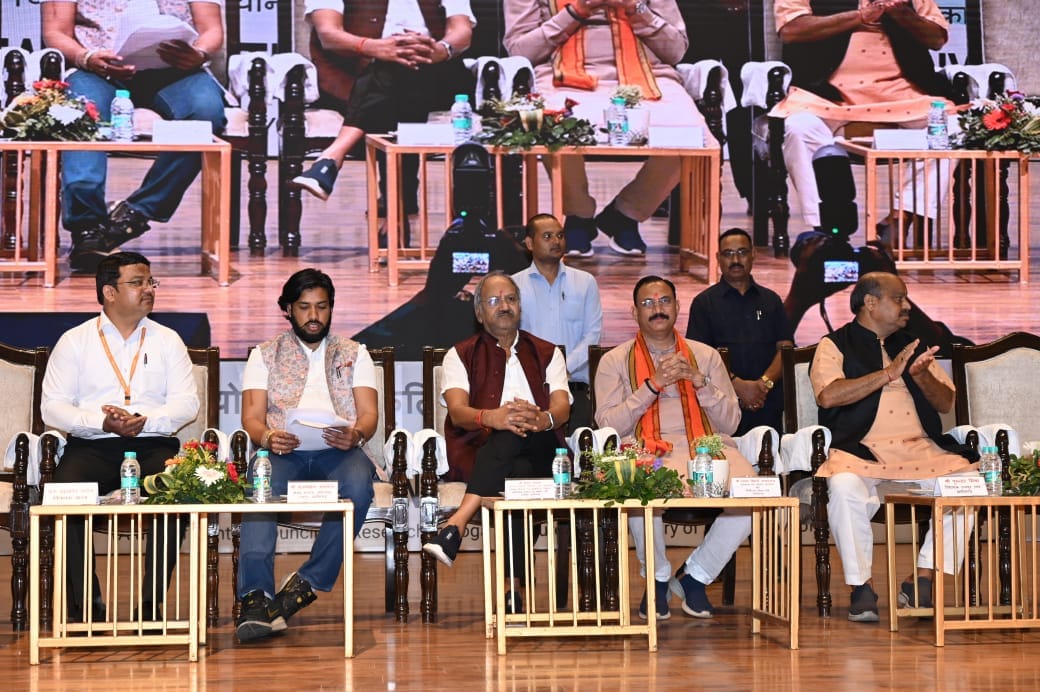
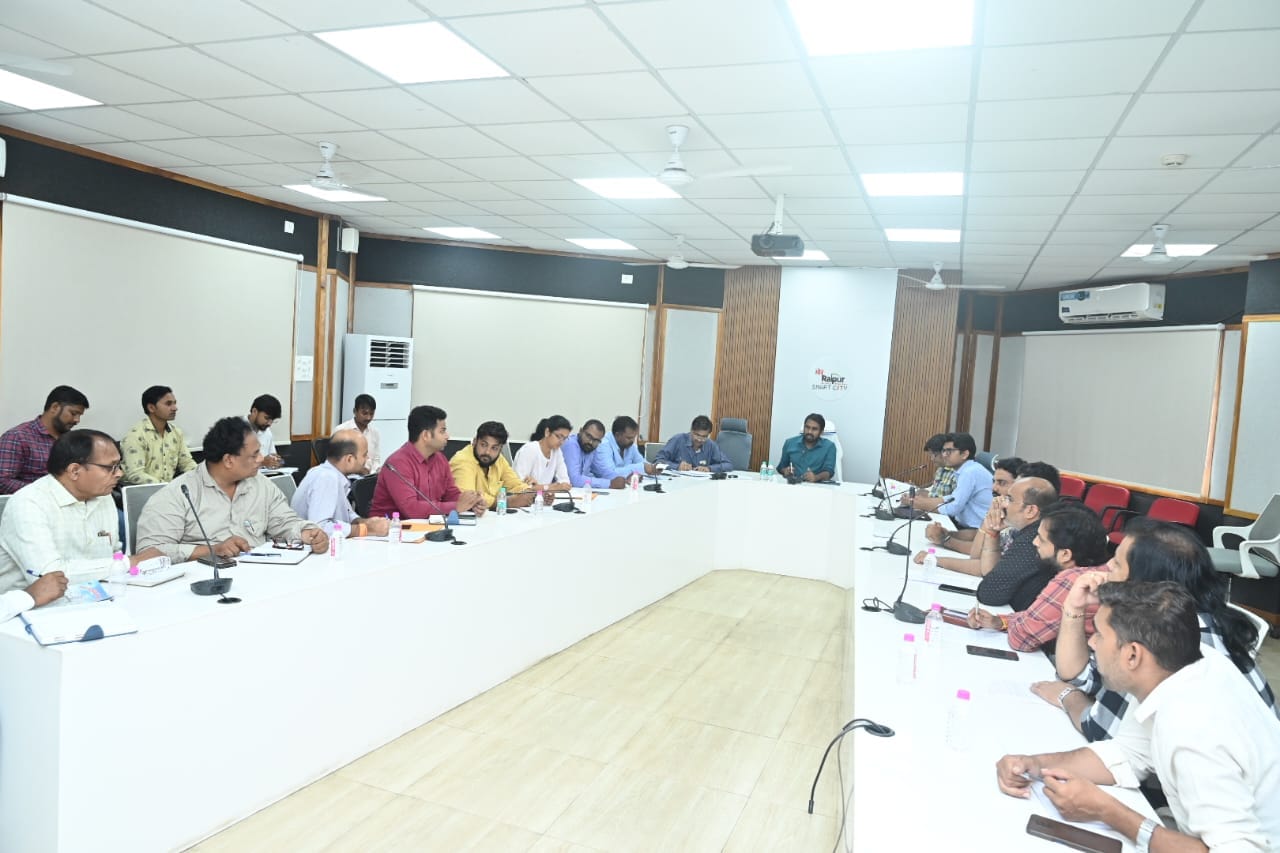
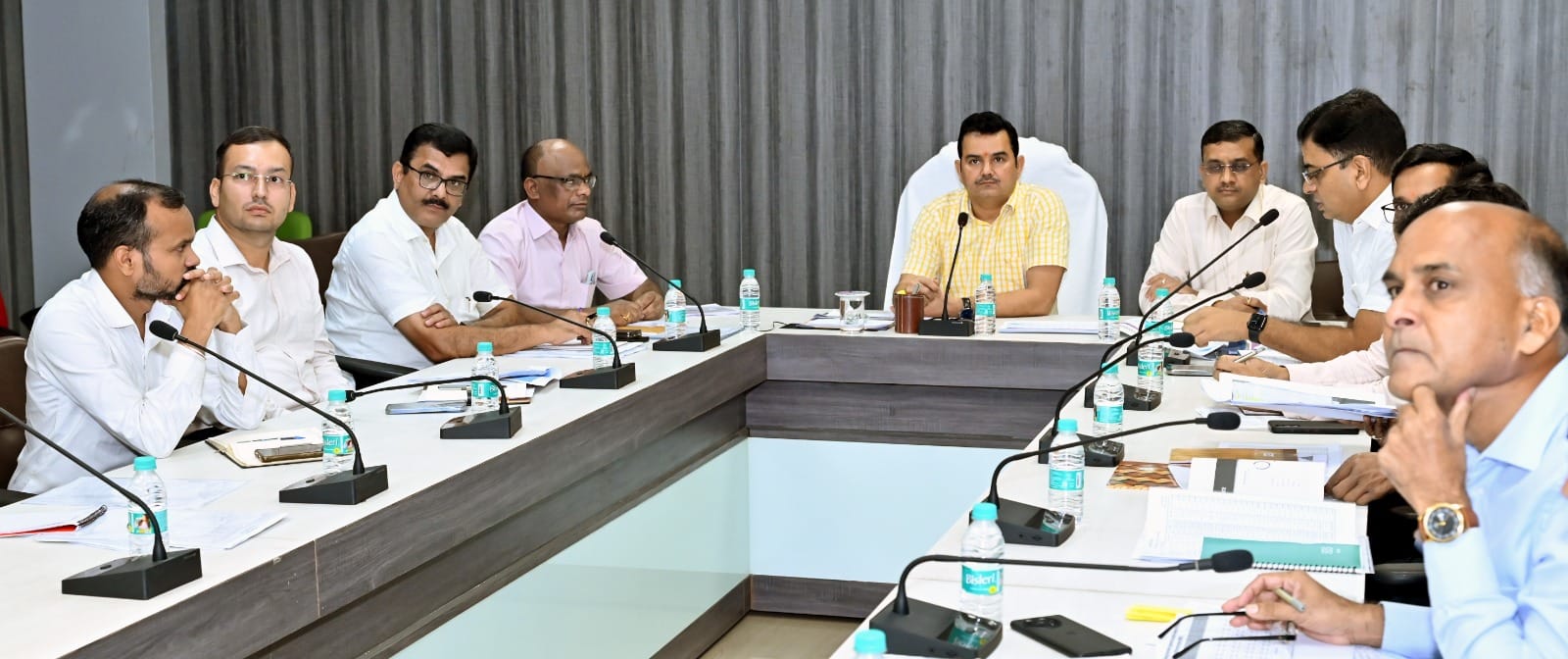
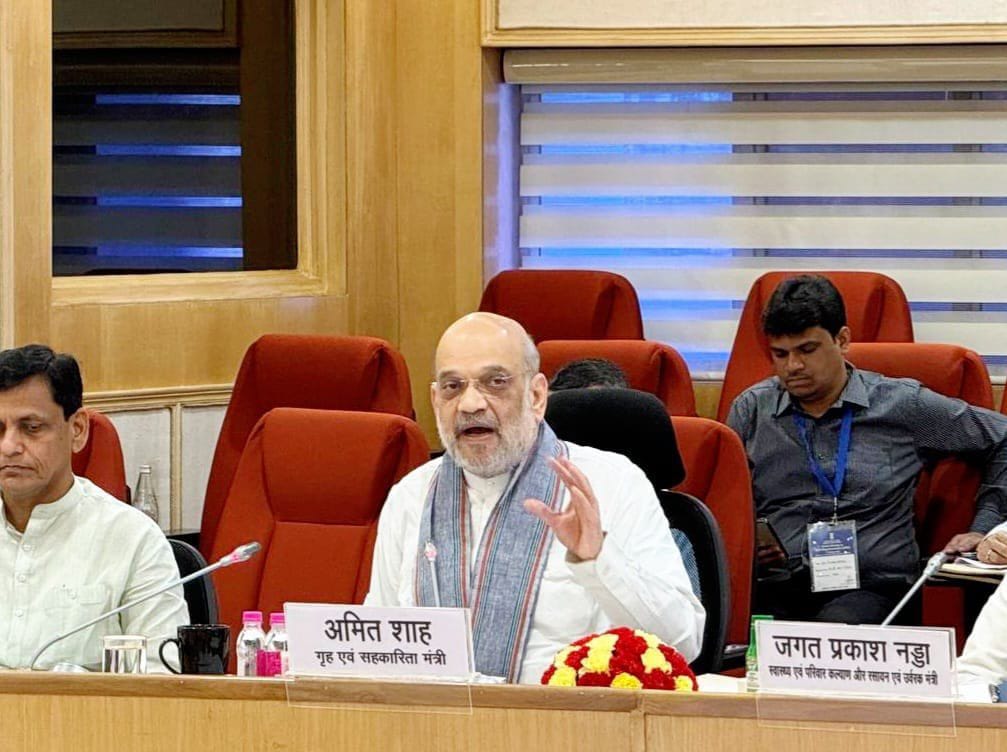
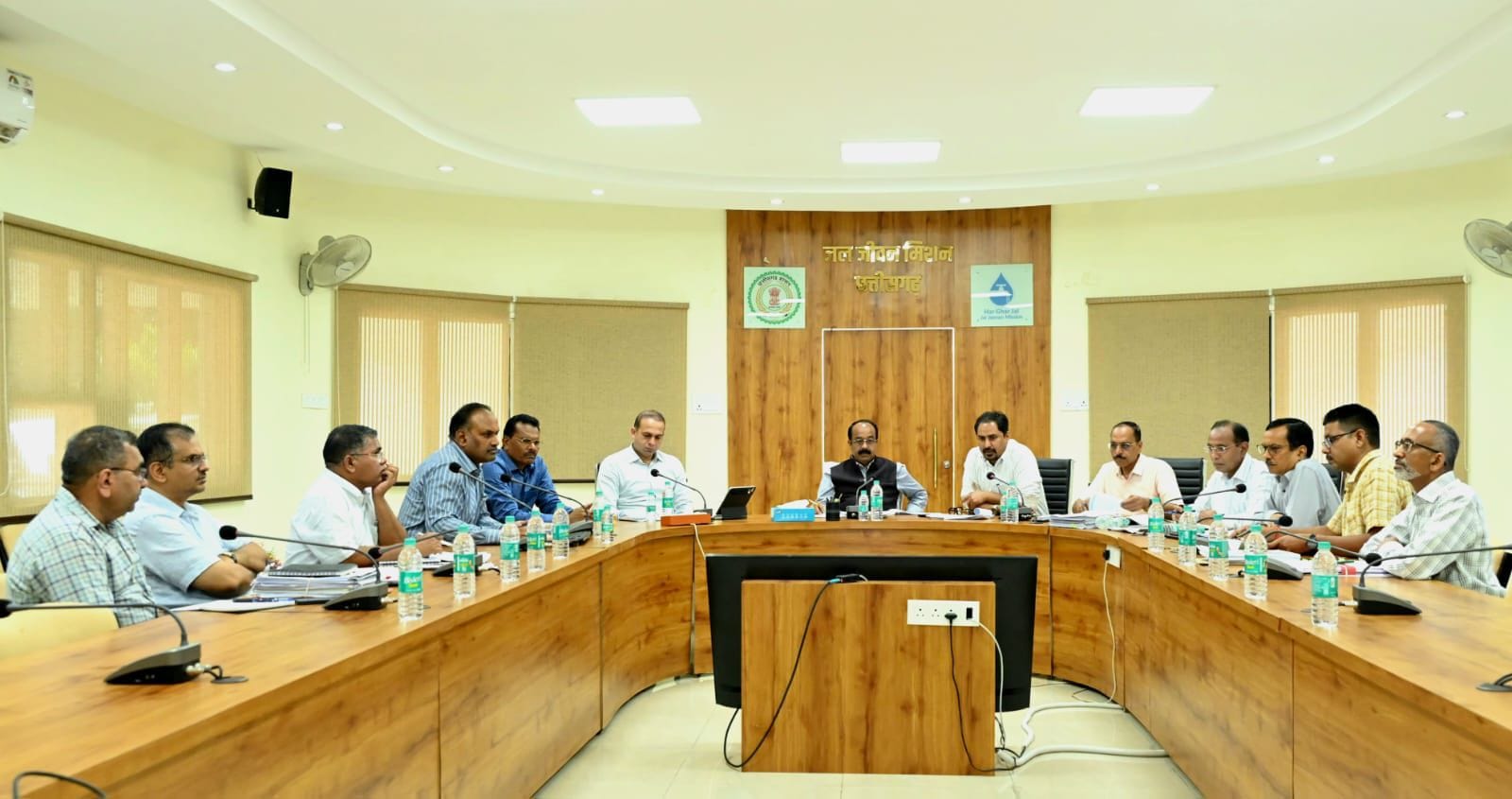
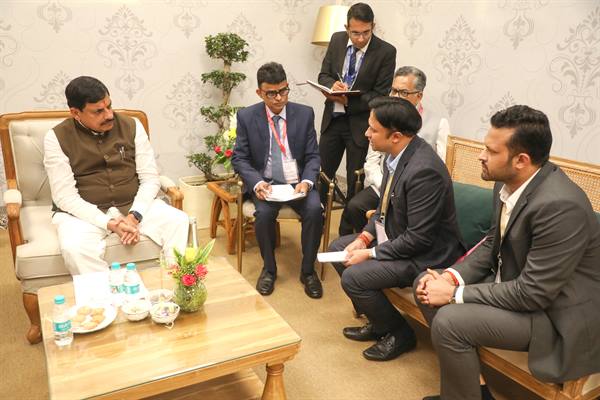
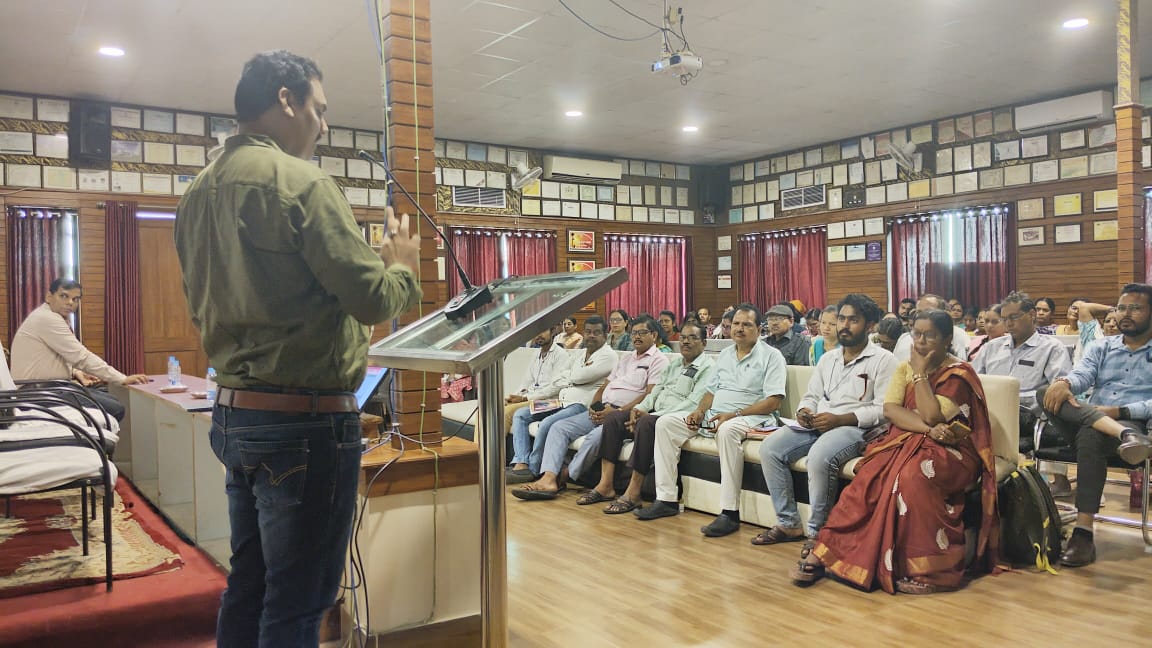
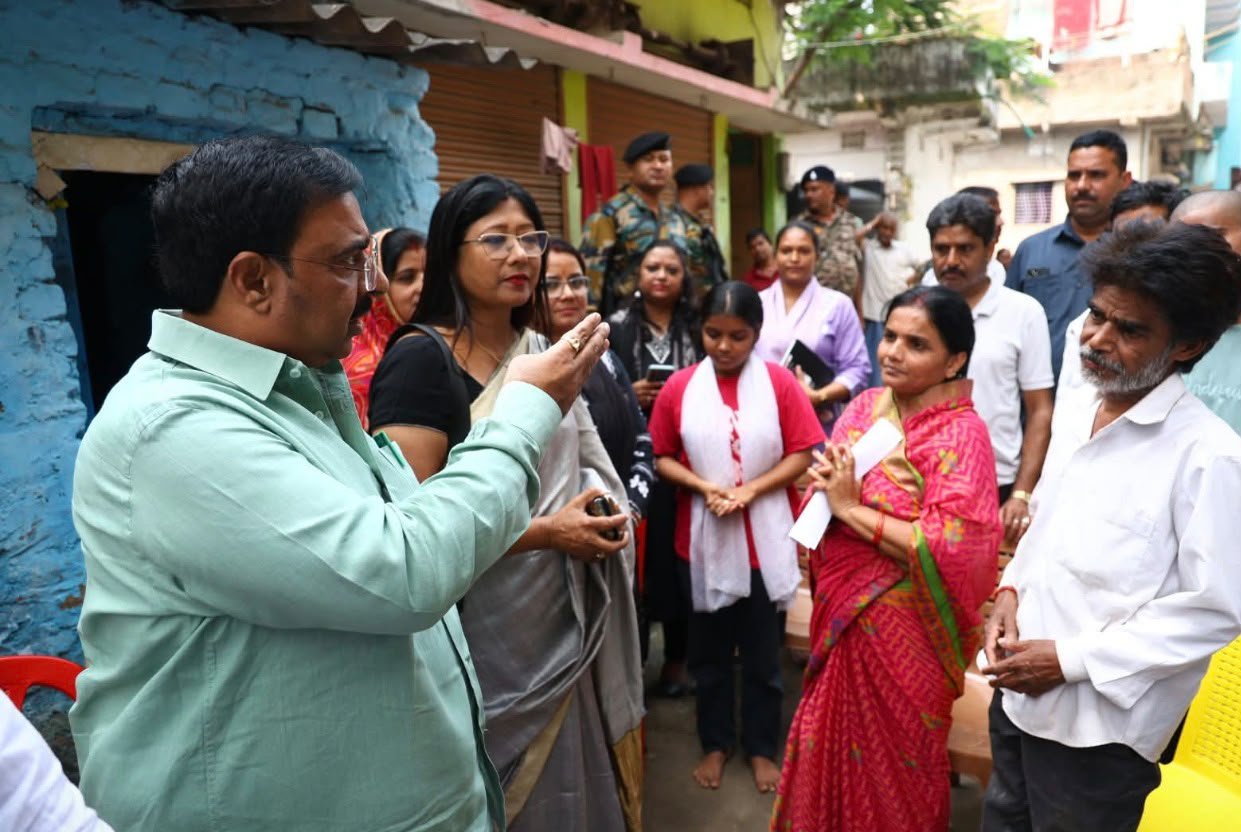
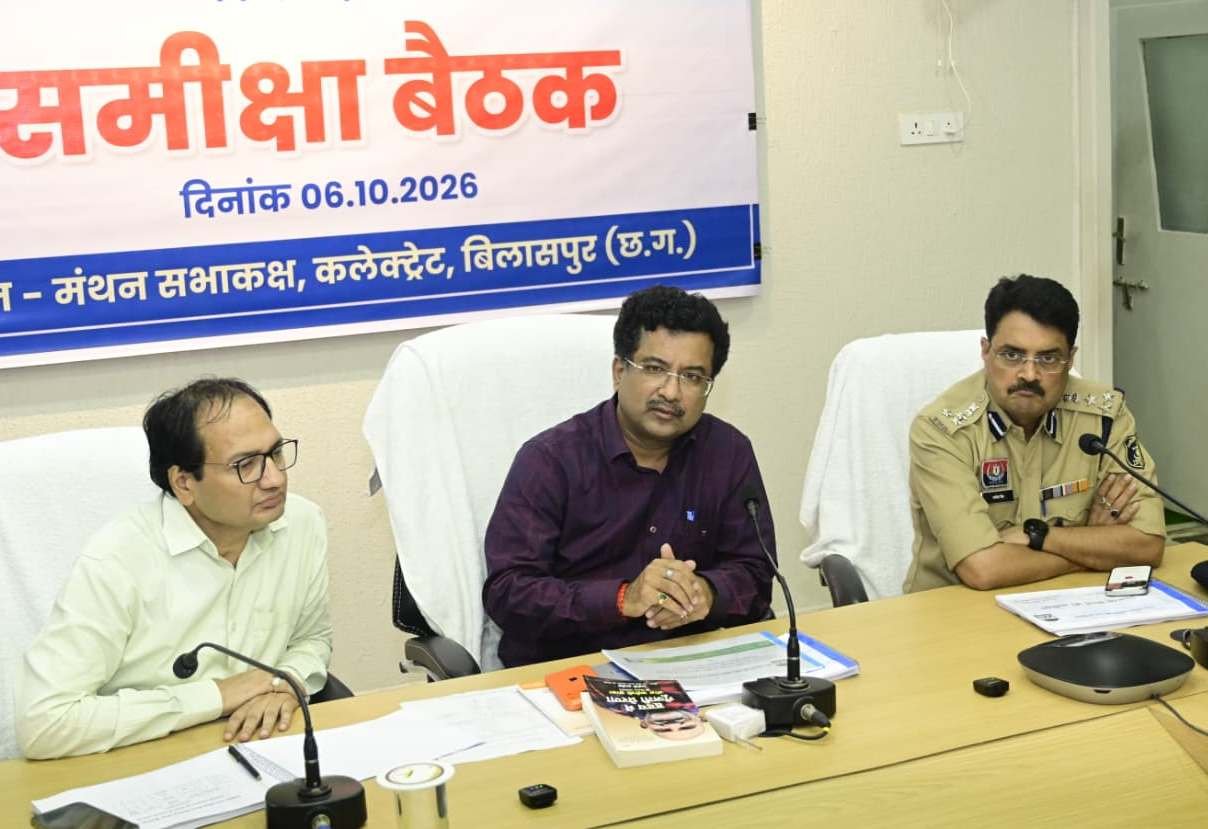
The meeting of the BRICS Culture Working Group began at the Kushabhau Thackeray International Convention Center in Bhopal with the aim of strengthening cultural ties between the BRICS countries through mutual respect , consensus and common goals. On the first day, the representatives of the BRICS member countries started discussions on strengthening cooperation in the field of culture and advancing common priorities. During the meeting , the delegations presented their initial views on the key priorities set by India under the Culture Track — creative economy , cultural and creative industries , protection of cultural heritage and culture-based sustainable development .
The delegations of India , Brazil , China , South Africa , United Arab Emirates ( UAE), Indonesia , Iran , Russia and Ethiopia participated in the meeting , while the delegation of Egypt joined the proceedings through hybrid media. This working group meeting held before the BRICS Culture Ministers’ meeting provides an important forum for strengthening cultural cooperation among member countries , advancing common initiatives and practical cooperation in the field of culture.
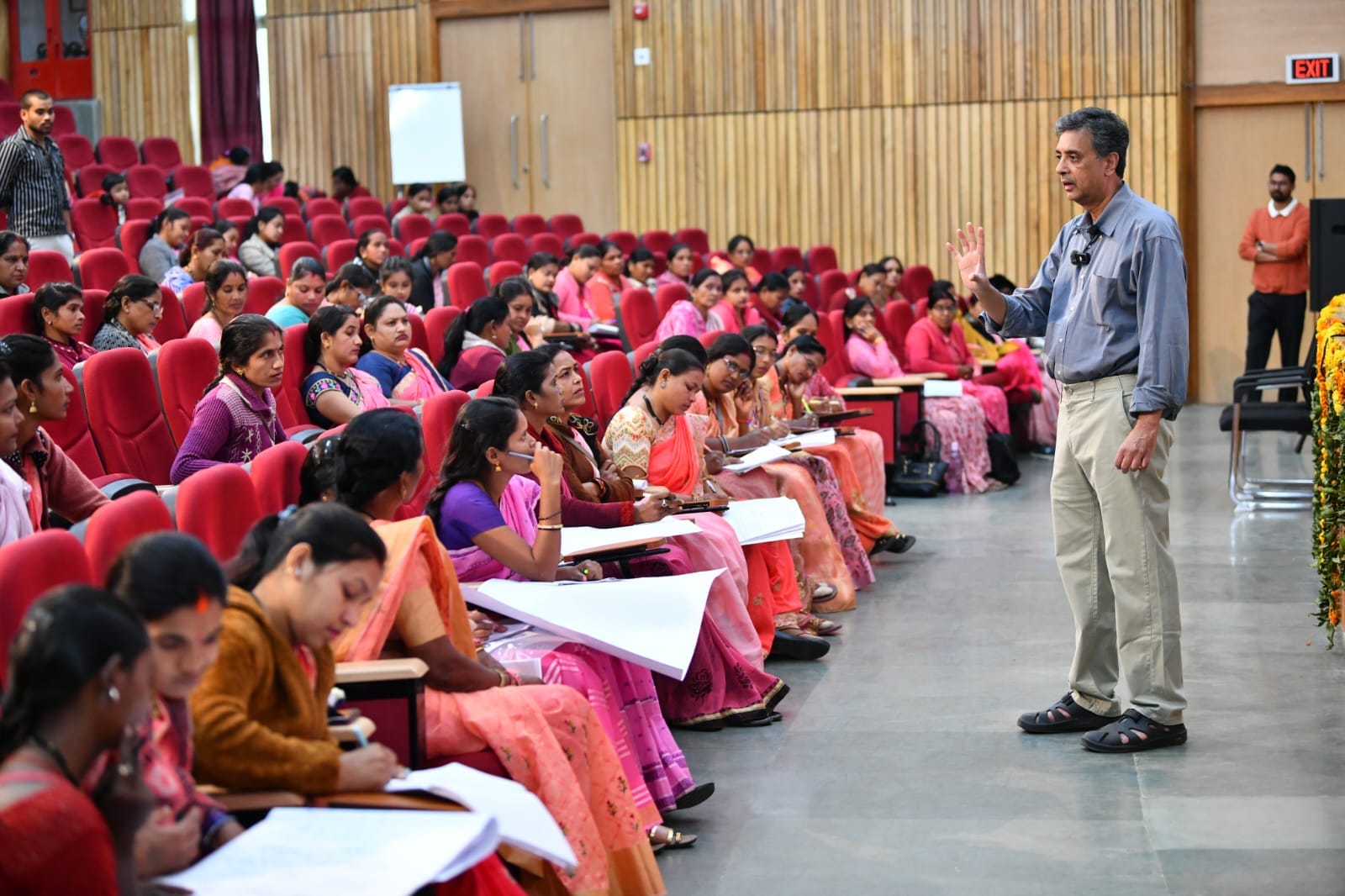
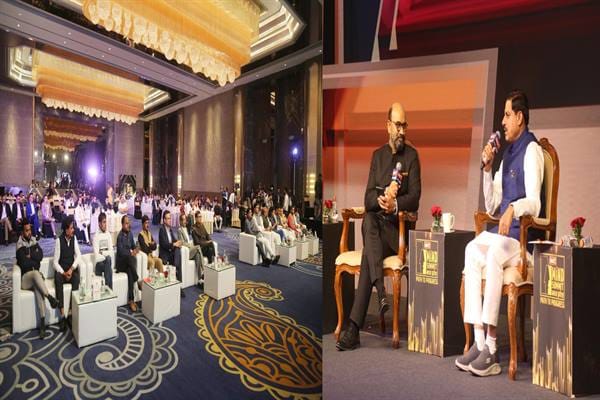
Addressing the inaugural session, Shri Vivek Agarwal, Secretary, Ministry of Culture and Chairman, BRICS Culture Working Group, said that the discussions reaffirmed the shared belief that culture is not just a legacy of the past , but a powerful driving force for innovation , resilience , inclusive development and establishing deep people-to-people ties.

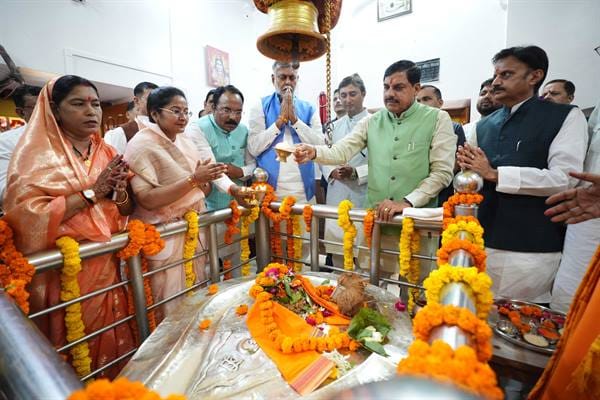
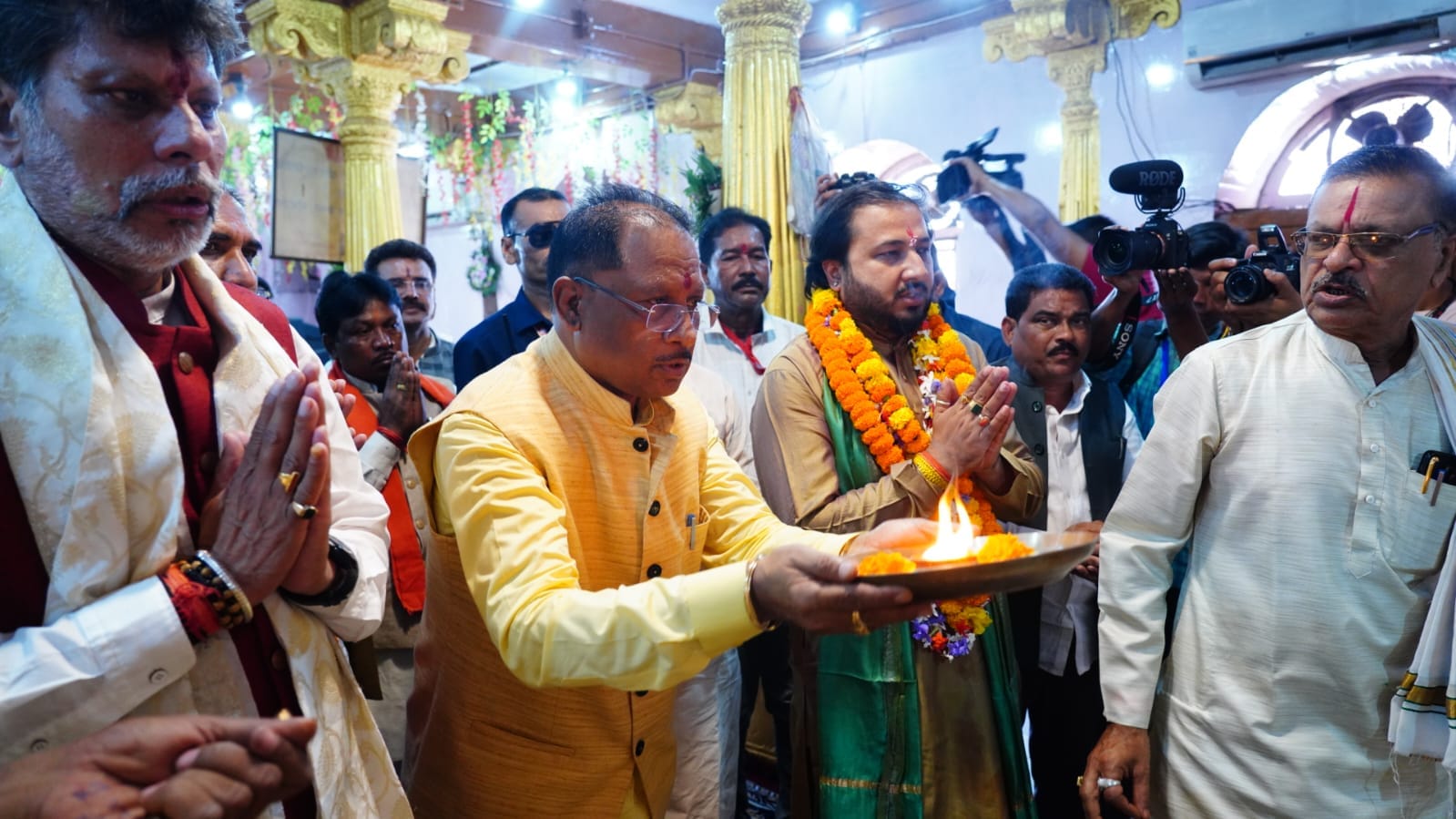
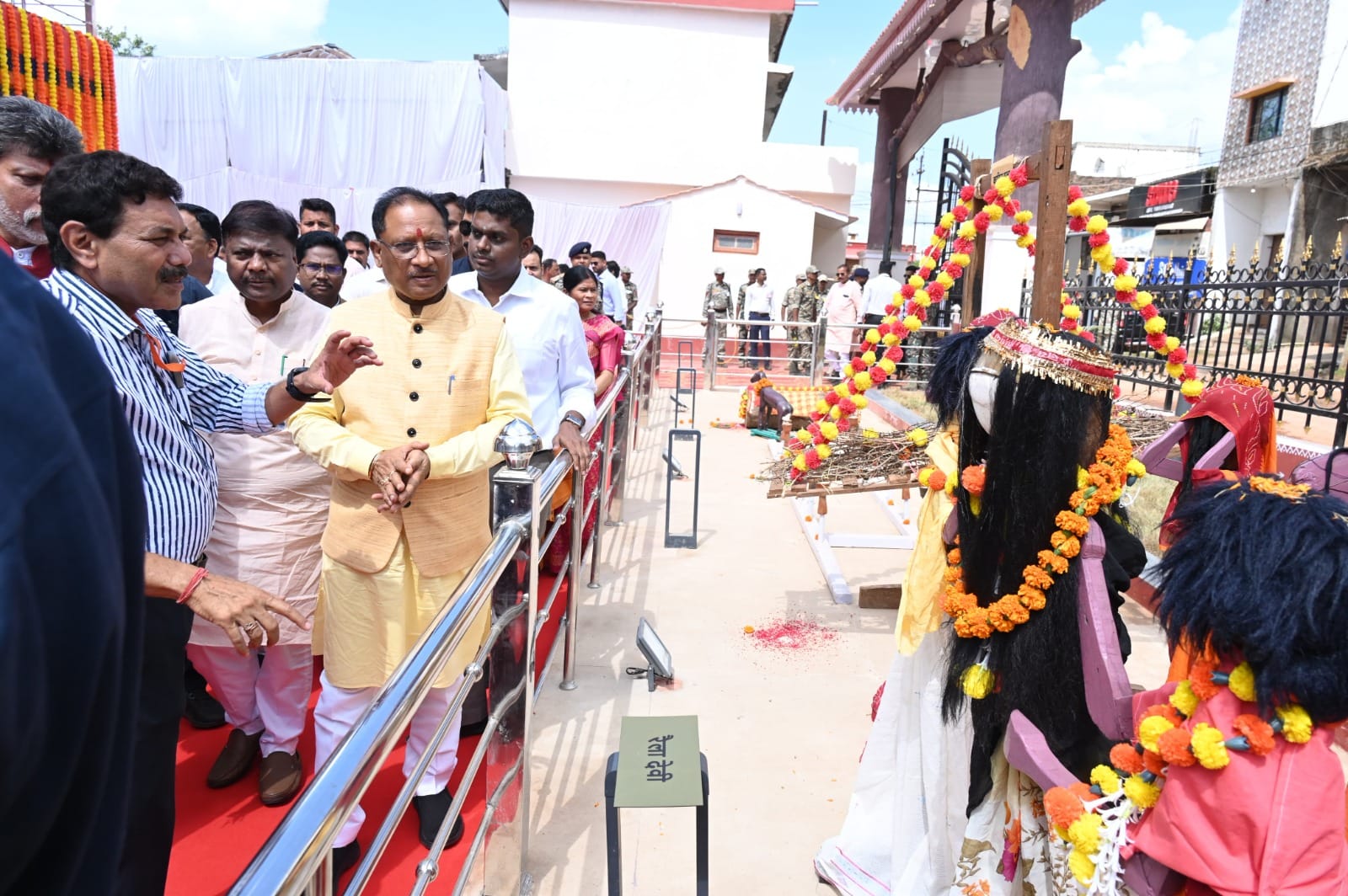
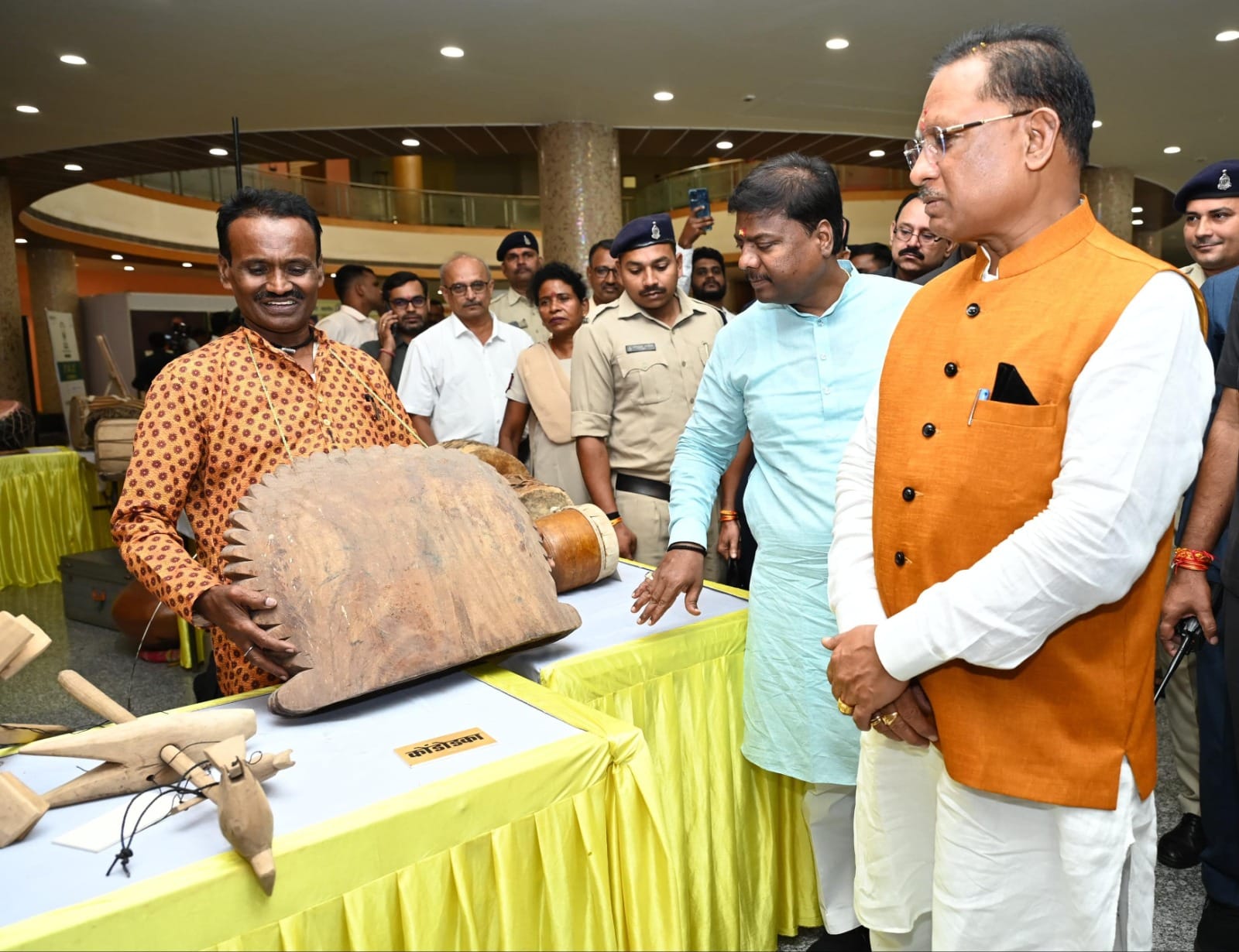
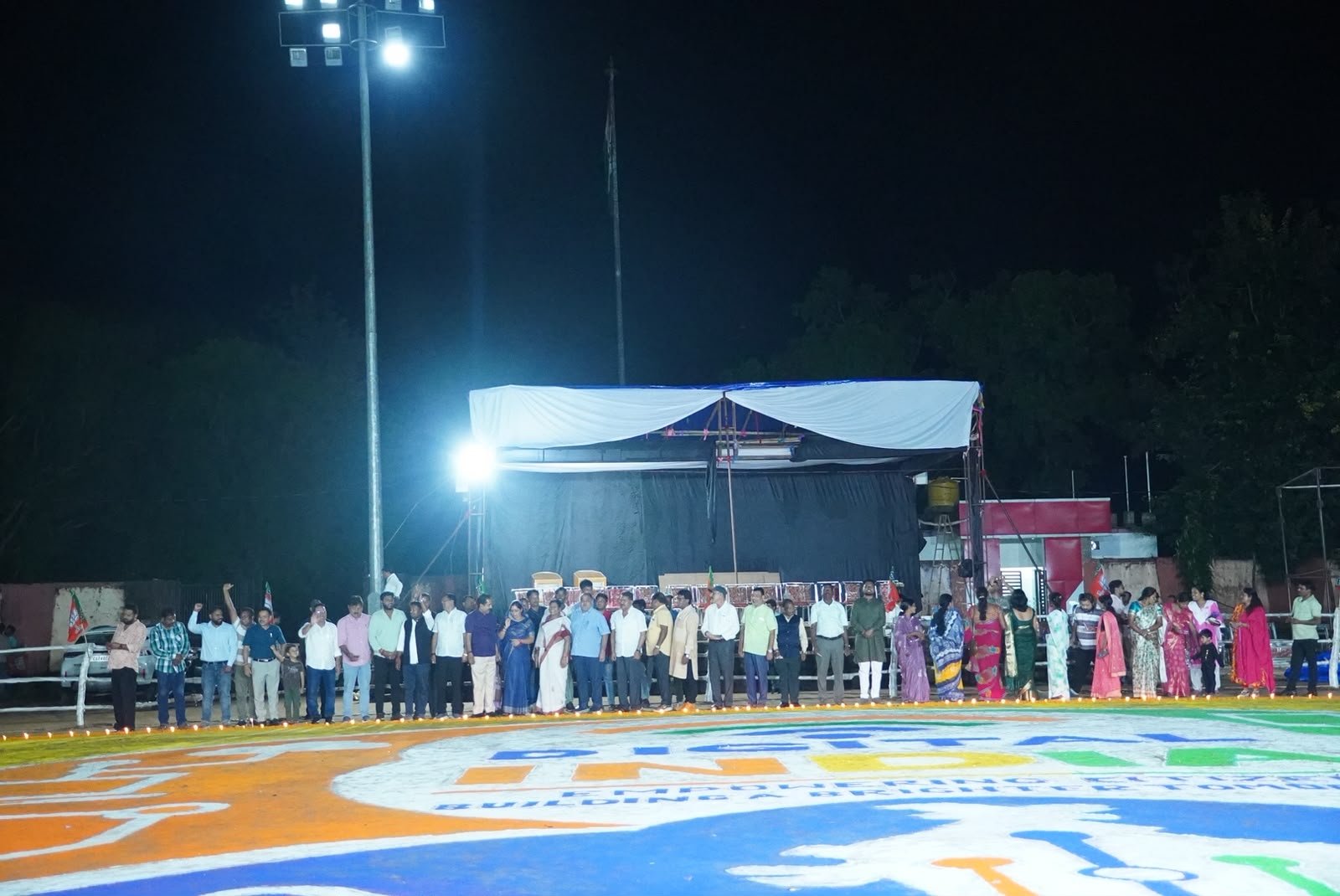
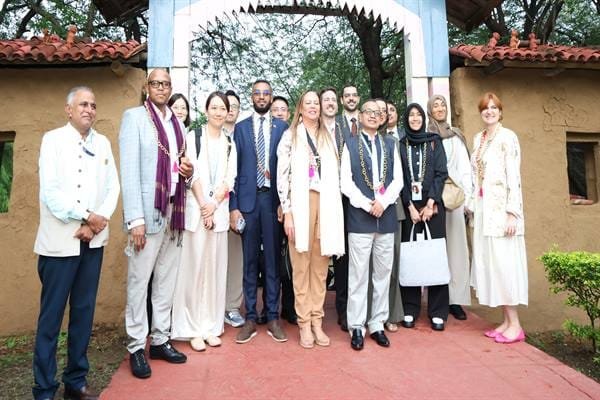
The BRICS delegation visited the Indira Gandhi National Humanities Museum ( IGRMS) in the evening. Delegates toured the museum’s open-air exhibits — Kumhar Para , Traditional Technical Park and Himalayan Village — to appreciate India’s rich folk heritage , traditional habitats and tribal lifestyles. During the tour, the delegates participated in the lighting of Kerala’s traditional heritage ‘ Al-Vilakku ‘ lamp. 15 feet tall and weighing 1,830 kg, this huge bronze lamp made using traditional lost wax technique is equipped with 1001 lamp-kotrons , symbolizing knowledge , prosperity and spiritual awakening.
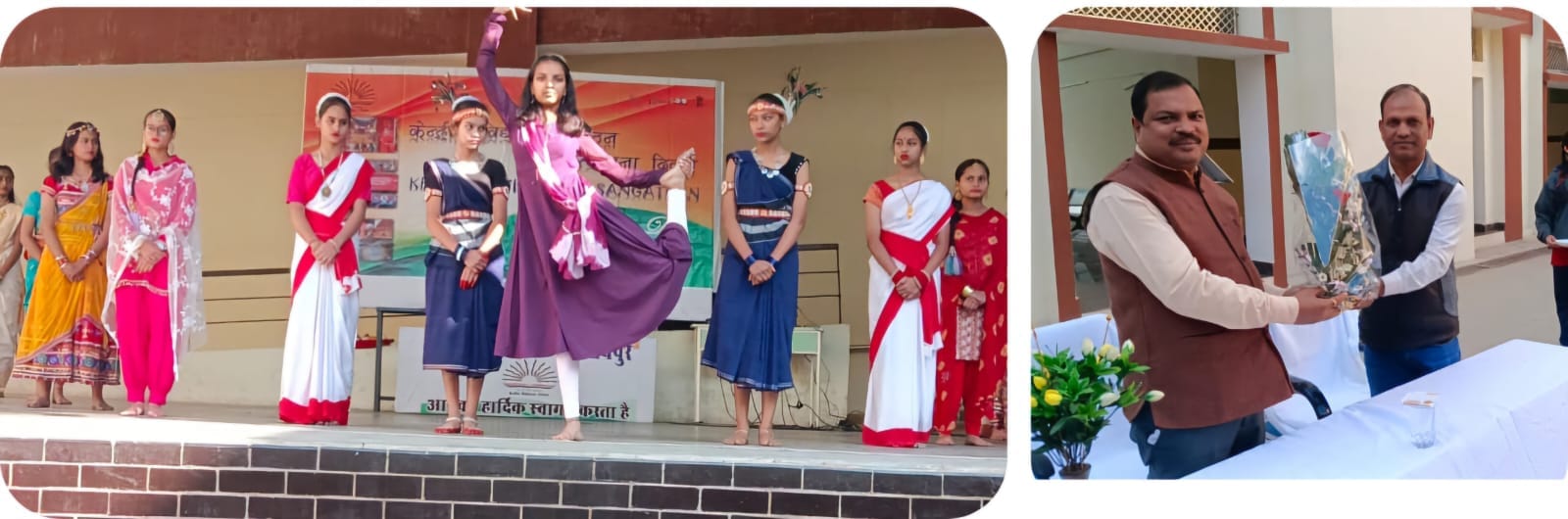
India’s spirit of “unity in diversity” was impressively presented to the delegates in the museum premises. The cultural program began with ‘ Navaras ‘, ‘ Kali Stavan ‘ and ‘ Narmada Ashtapadi ‘ performed in the Kathak dance style , which enlivened the Indian classical aesthetic. This was followed by a mesmerizing rendition of traditional ‘ Tati ‘ folk songs by Chakesang Naga artists from Nagaland . The program concluded with a special runway presentation ‘ Shikhar Se Tat Tak ‘ by National Institute of Design ( NID MP) , which showcased India’s geographical and cultural journey through apparel. This tour and cultural event left an indelible impression of India’s folk traditions and cultural heritage on the international stage.