




















- Now all women beneficiaries in tribal areas will get milch cows, increasing their incomeInstructions for the speedy construction of cow shelters for the protection and welfare of nomadic cattle.Indian breeds and artificial animals for breeding climate-resilient animalsPromote conception
- Livestock Minister Shri Netam reviewed the departmental work
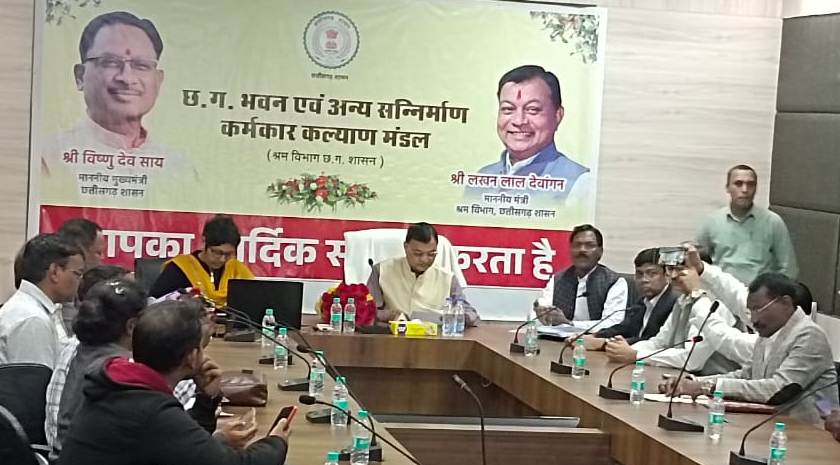
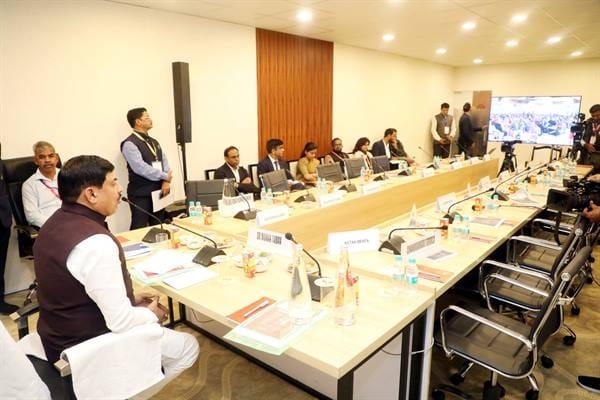
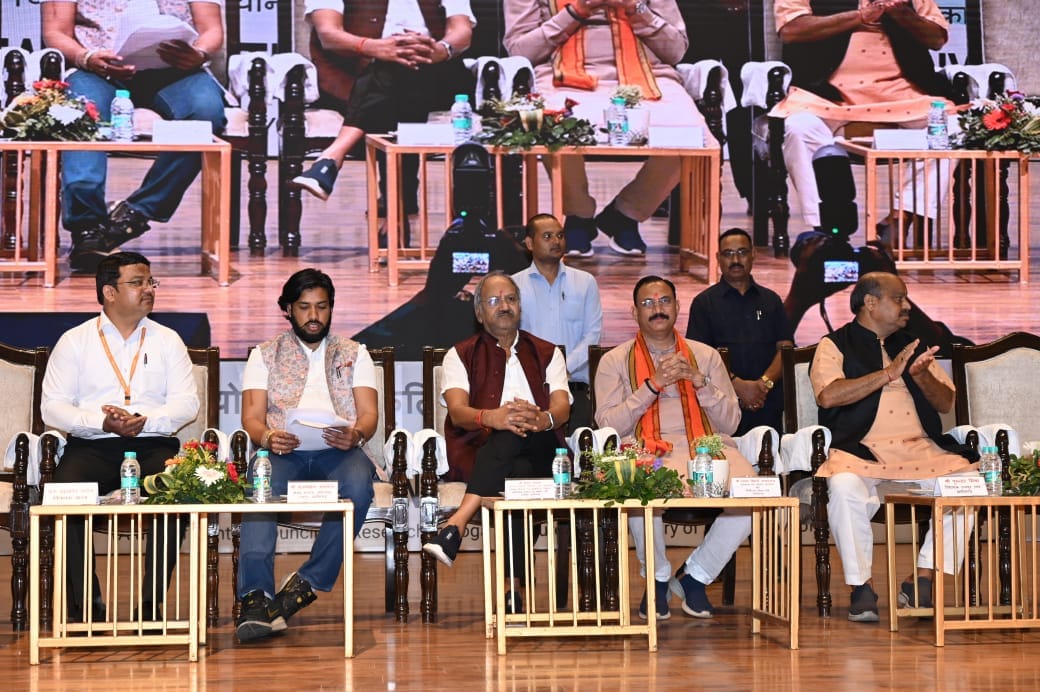
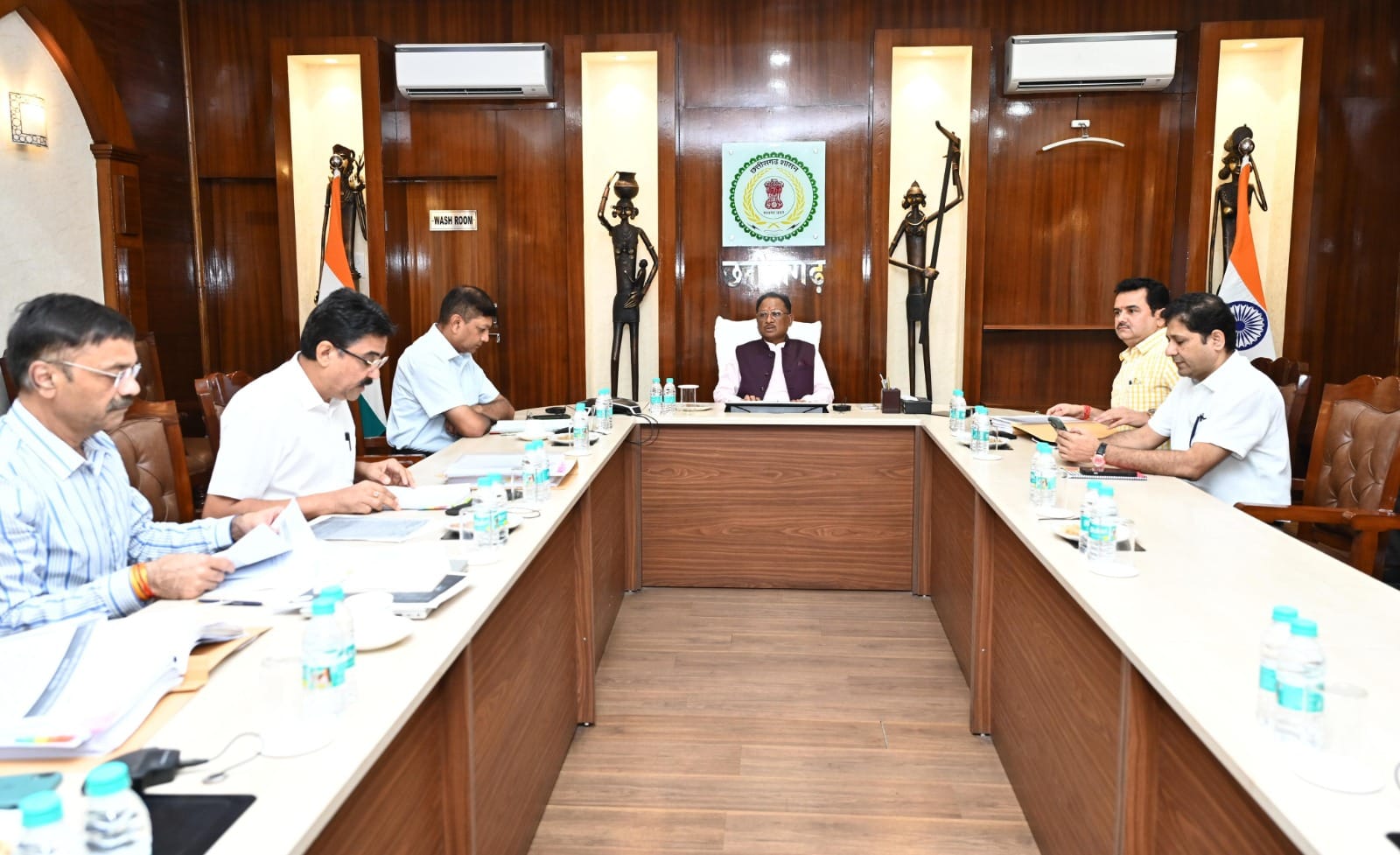
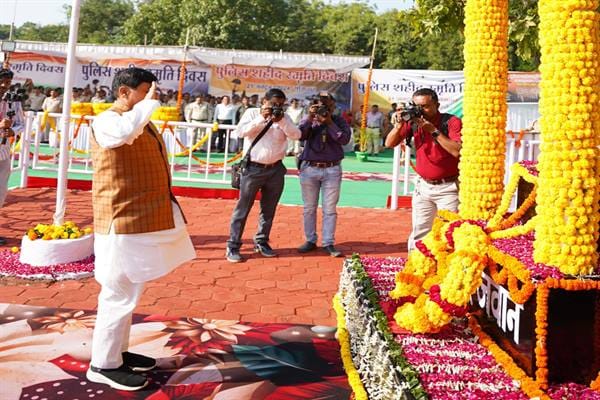
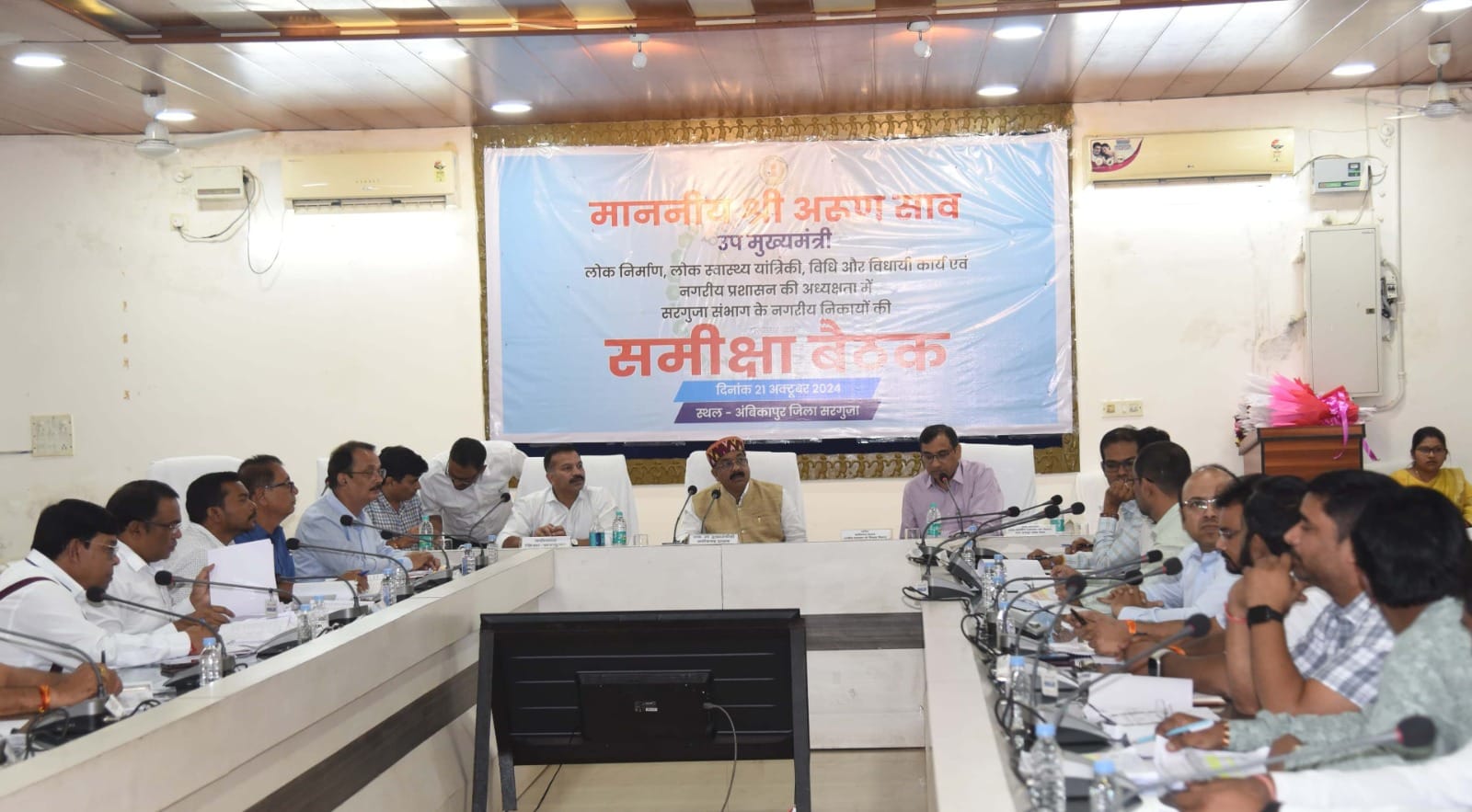
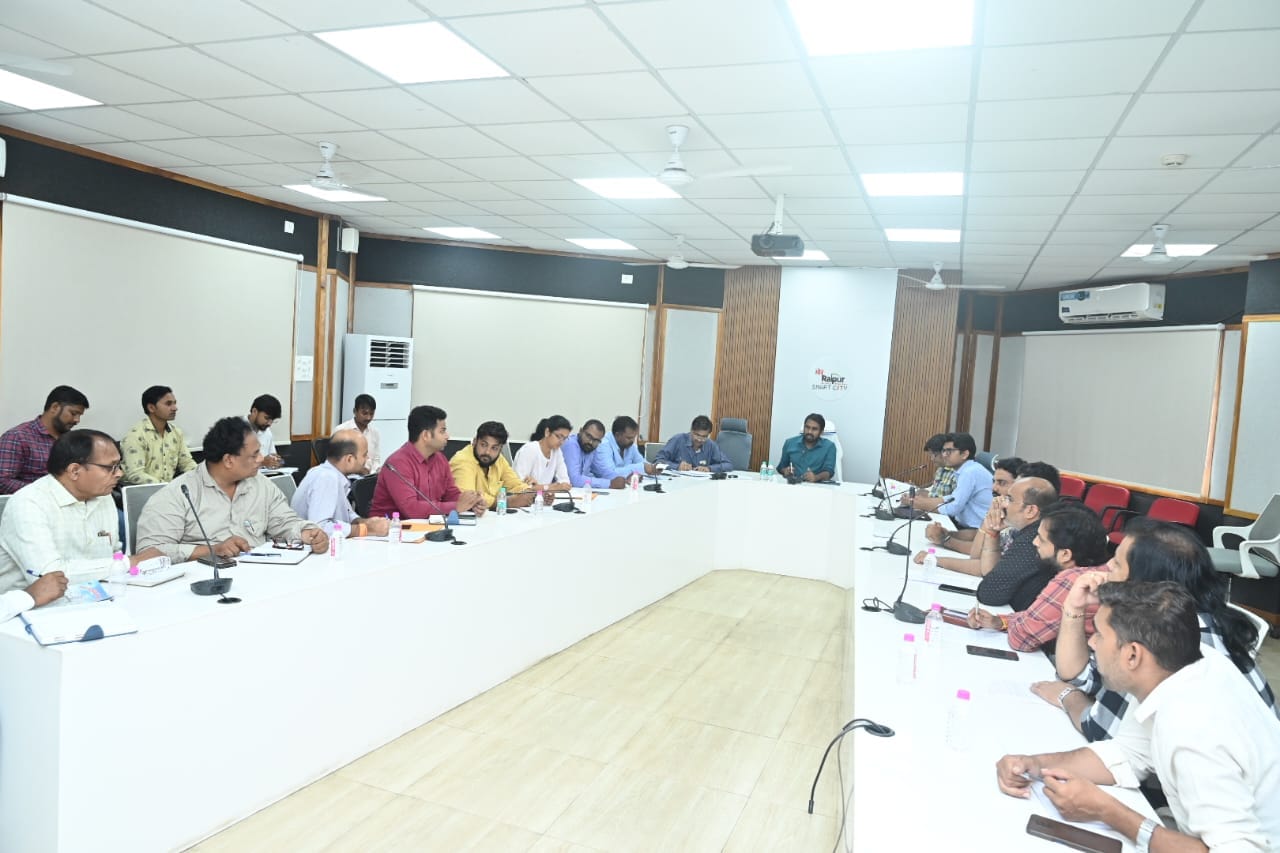
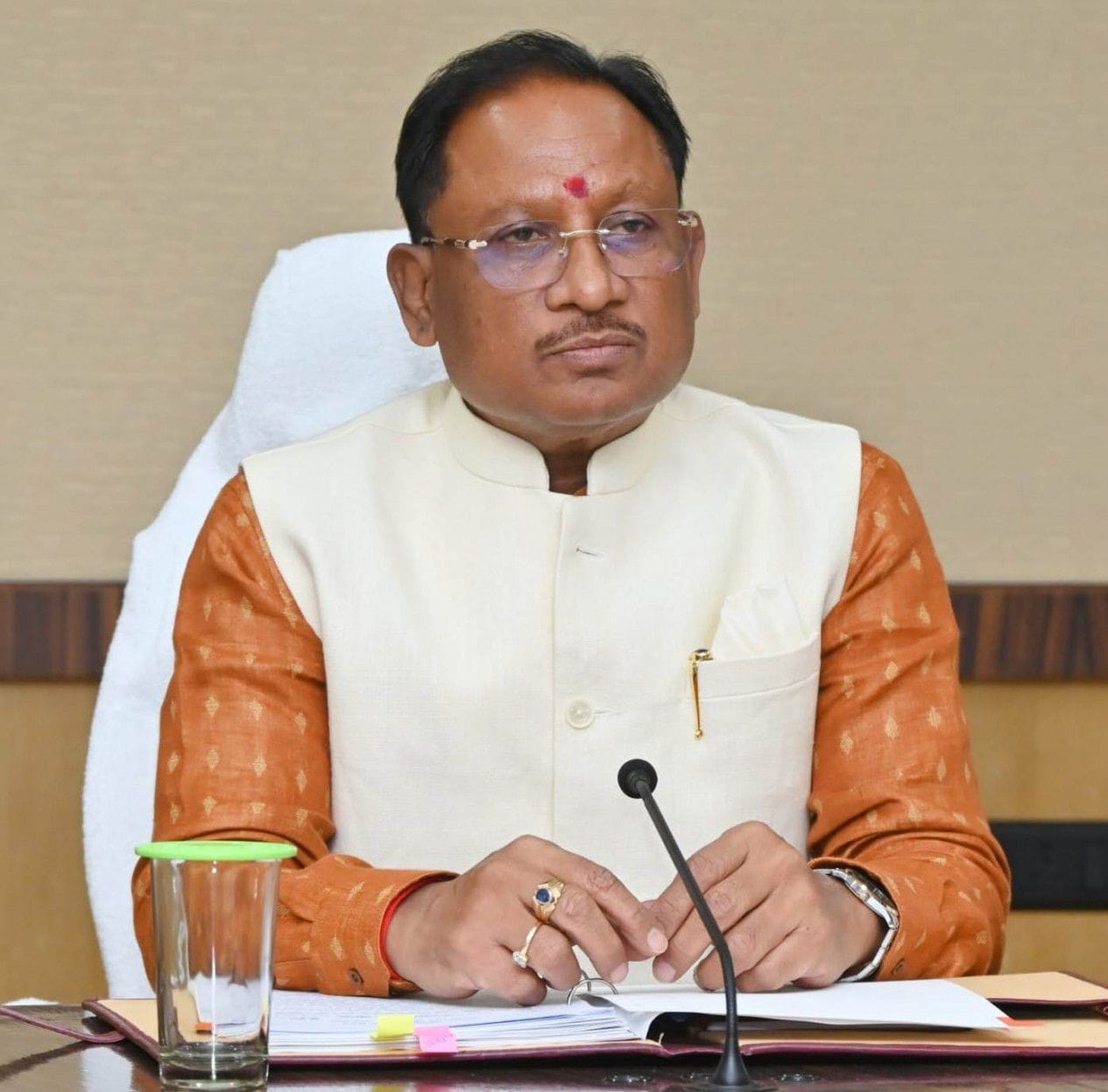
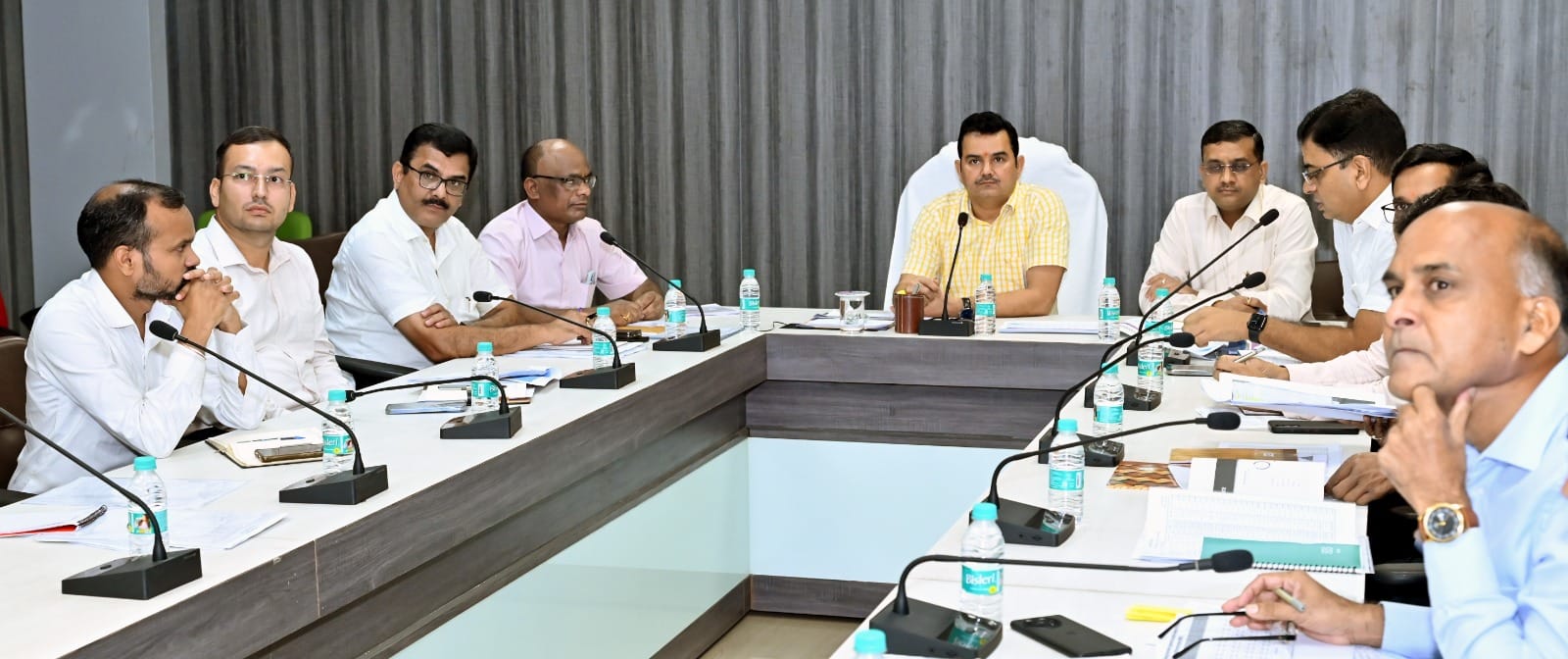
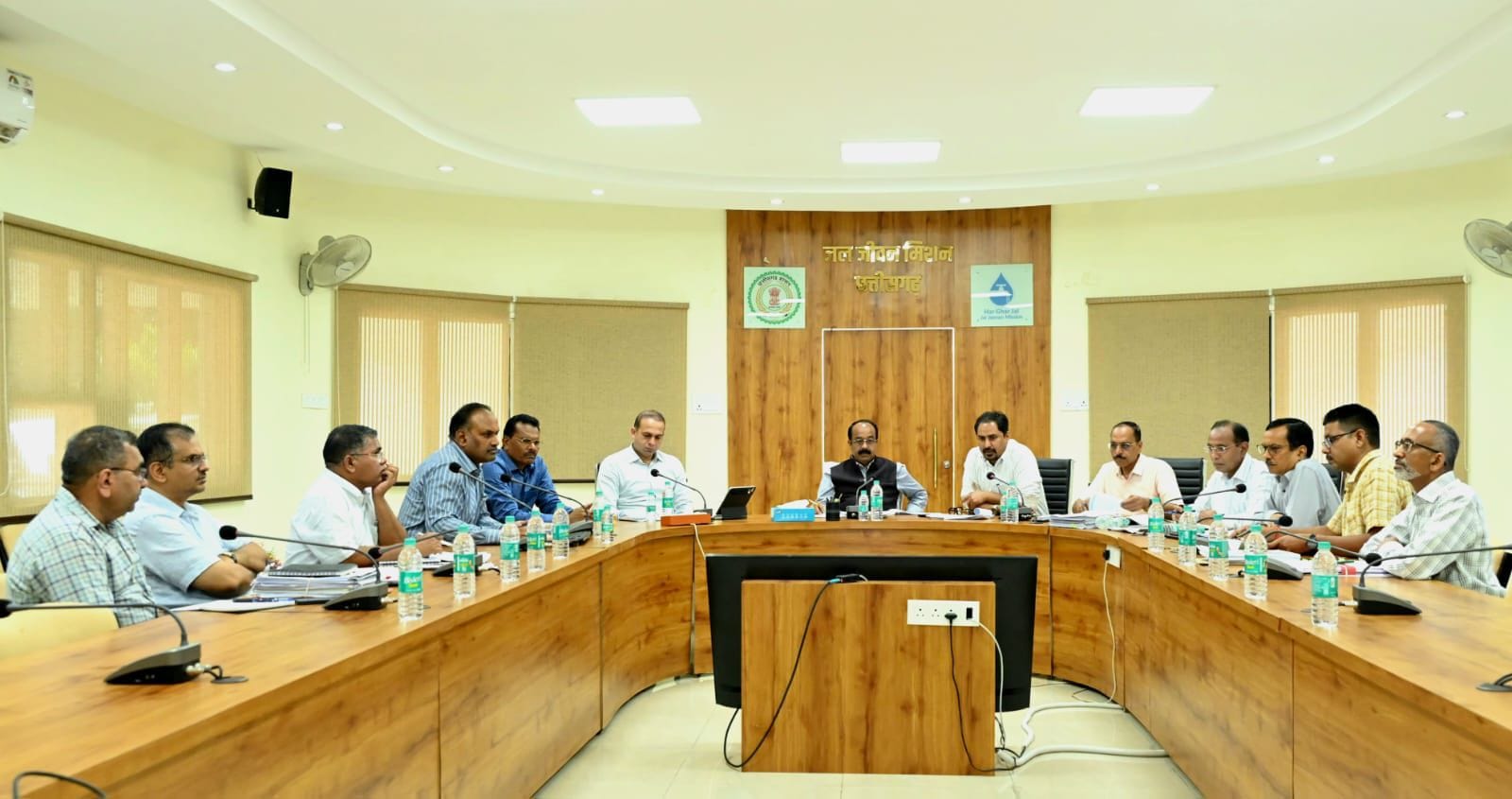
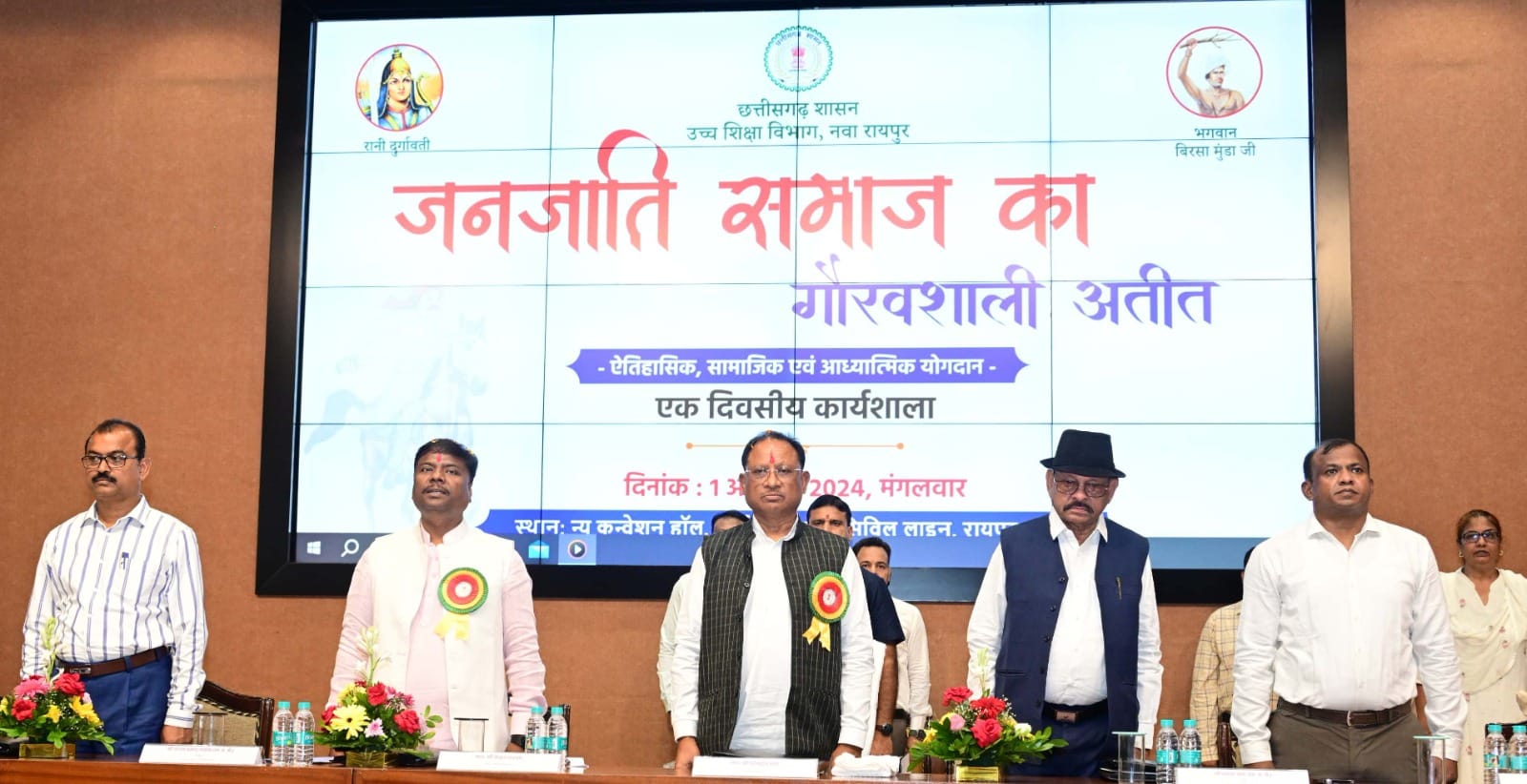
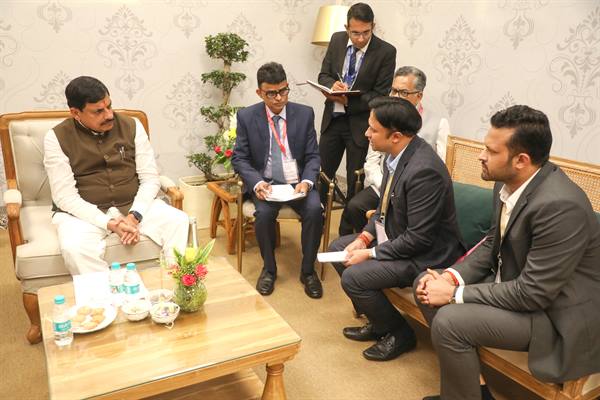
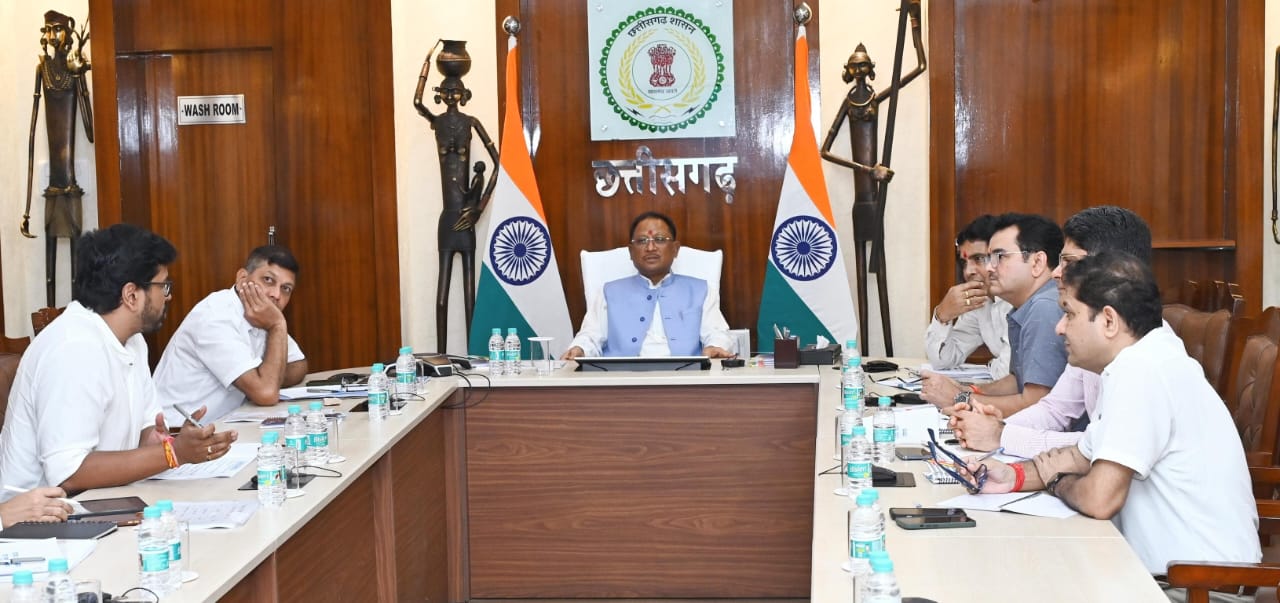
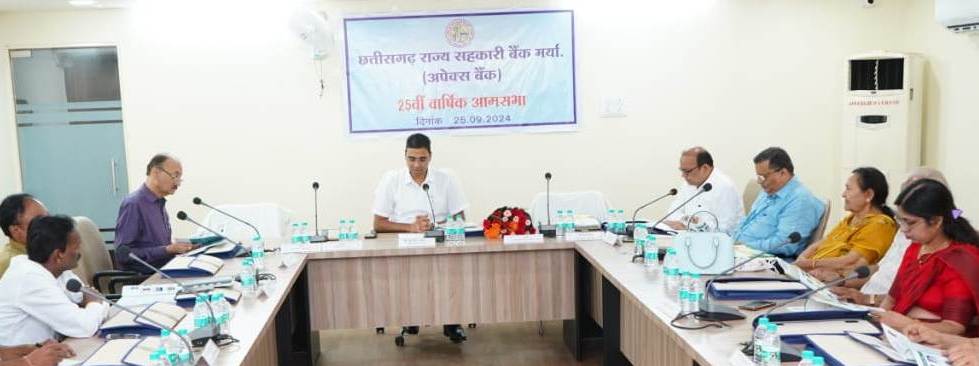
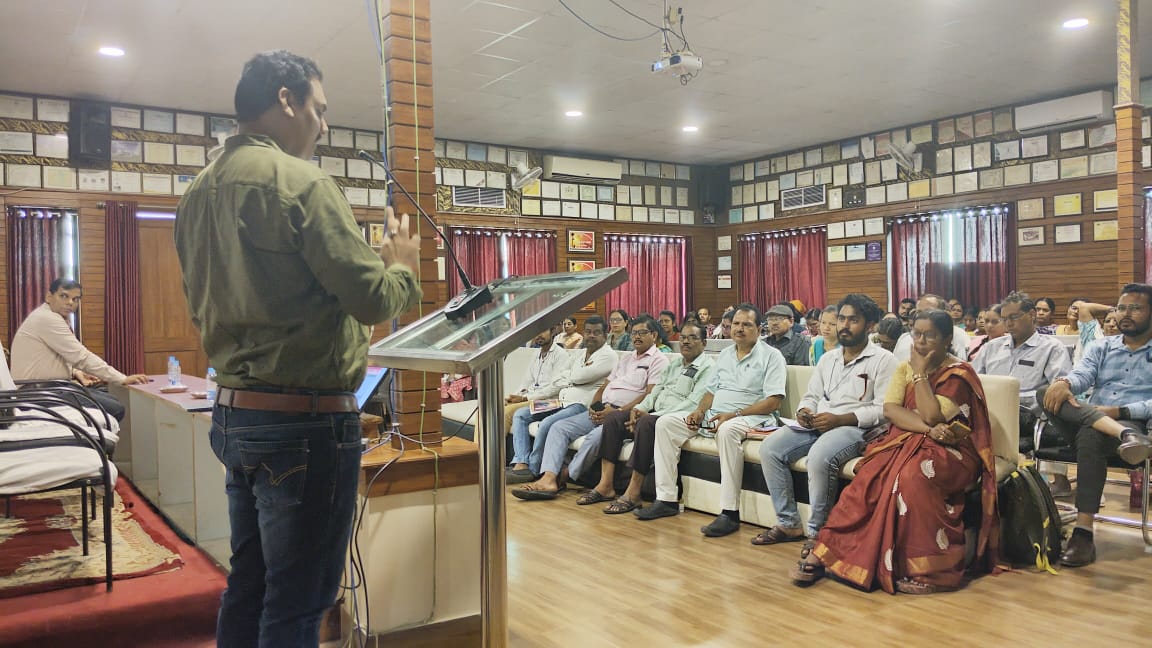
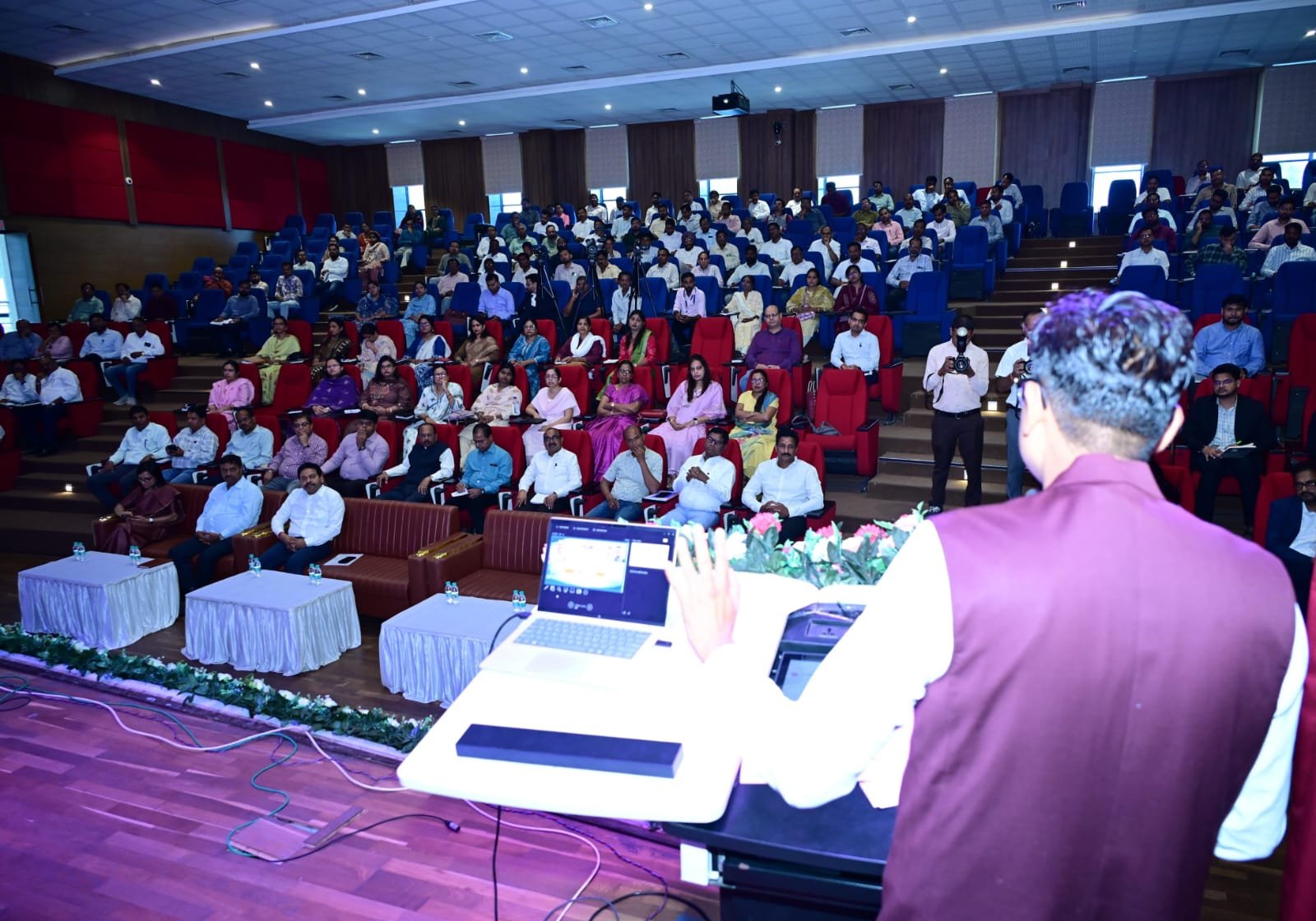
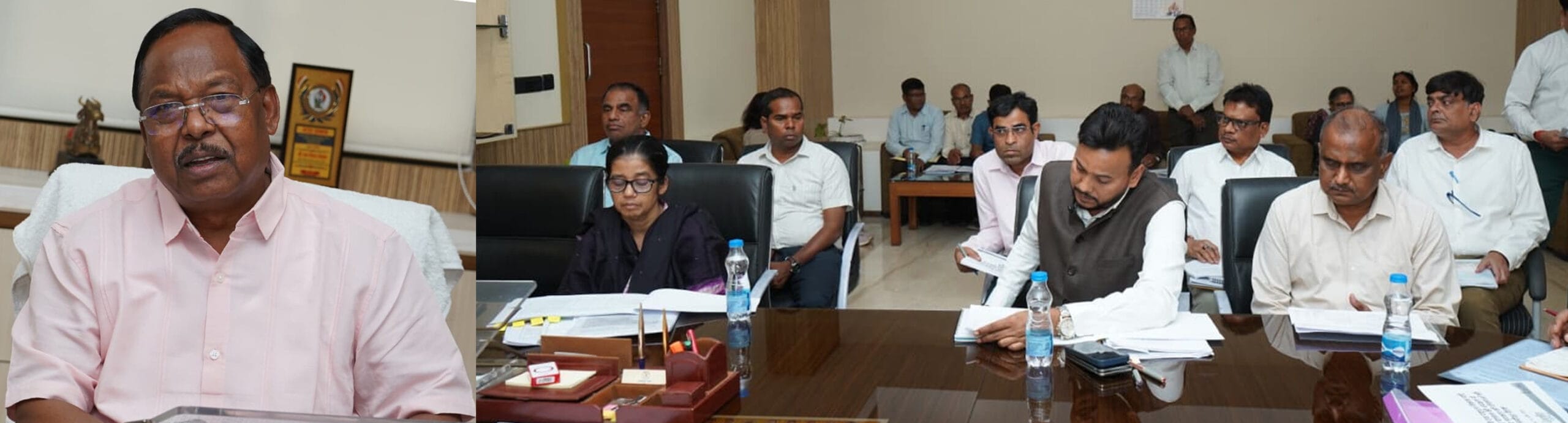
Livestock Development Minister Shri Ramvichar Netam said that under the “Pashu Jan Niman (Shwan)” initiative, Animal Birth Control Centers will be established in all 33 districts of the state in collaboration with urban local bodies to control stray dogs. These centers will conduct sterilization campaigns to control dog births, and dogs will also be vaccinated to prevent rabies, a disease caused by dog bites. Minister Shri Netam made these remarks during a departmental review meeting held at the Ministry’s Mahanadi Bhawan.
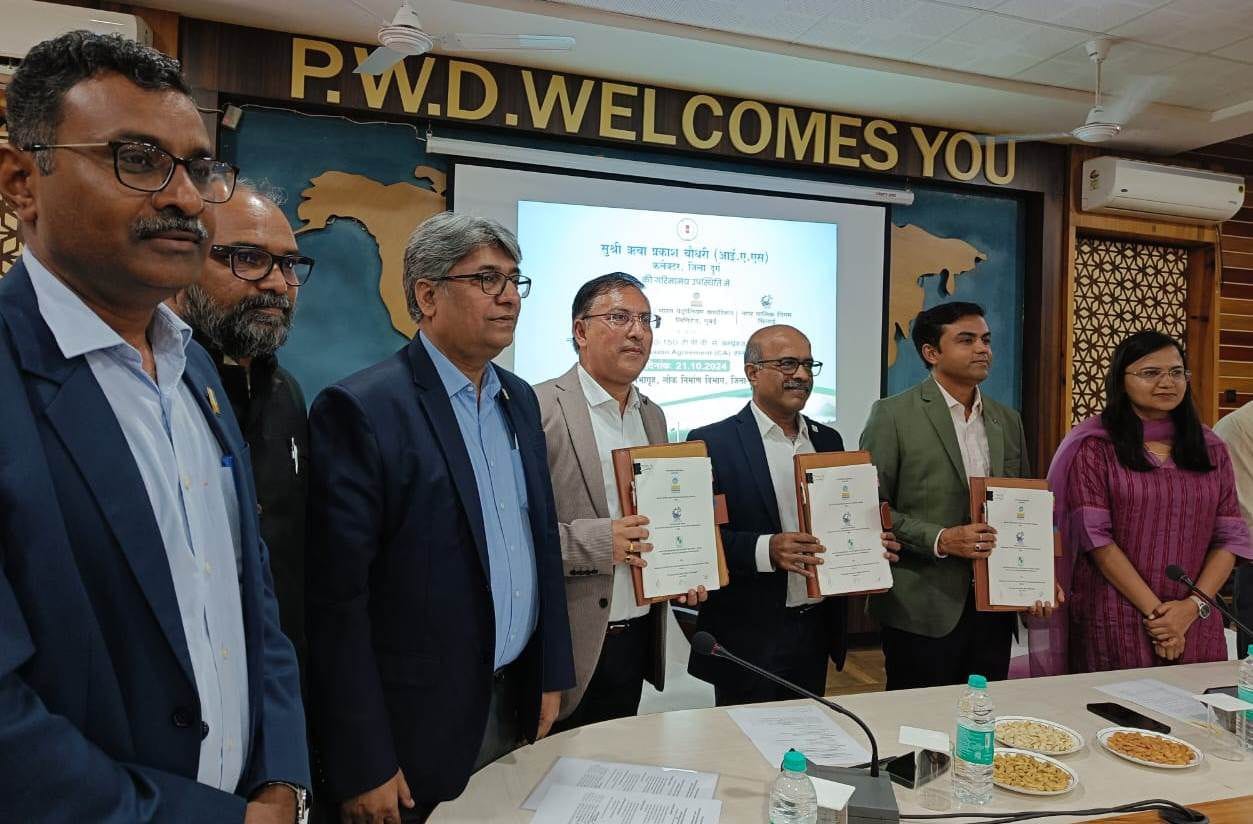
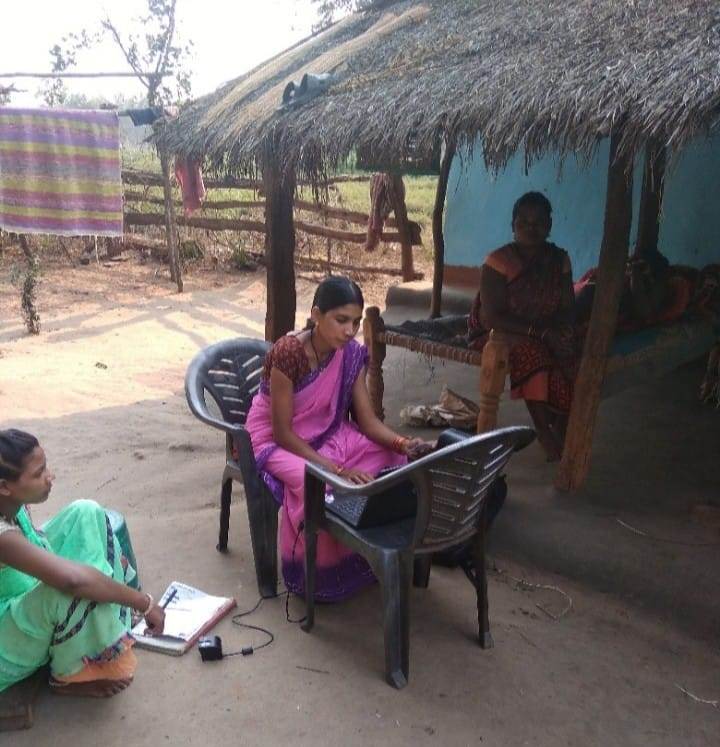
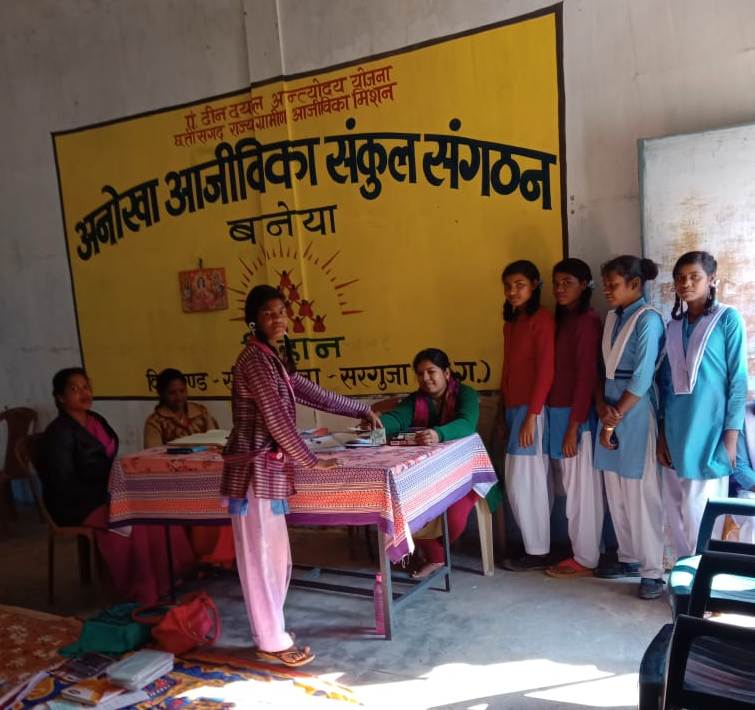
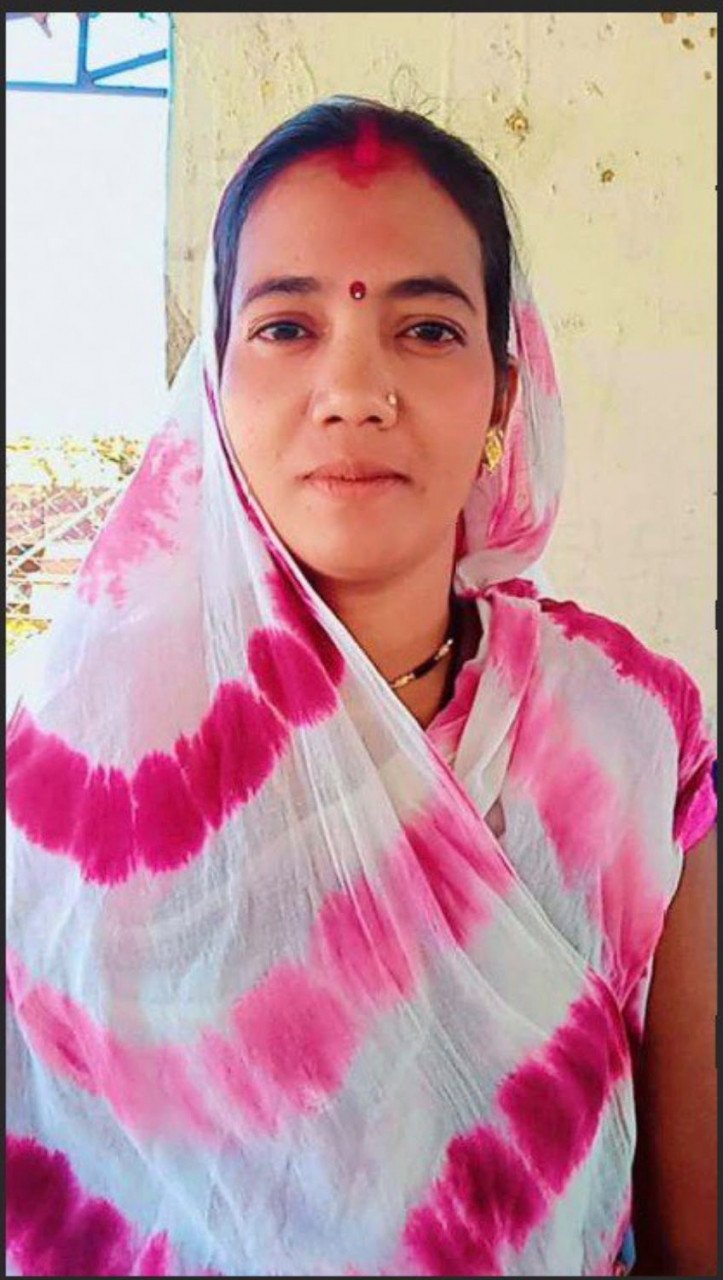
Livestock Minister Shri Netam stated in the meeting that under the leadership of Chief Minister Shri Vishnu Dev Sai, our government has decided to provide milch cows to all women beneficiaries in tribal areas, increasing their income and empowering them economically. He explained that with the aim of providing a sweet and nutritious diet, a regular source of income, and promoting milk production, our government previously launched a scheme to distribute milch cows to tribal women in the Bastar region. Now, expanding this, milch cows will be provided to women beneficiaries from all categories of tribal areas in the state. The state government has signed an agreement with the National Disaster Response Fund (NDDB) for this purpose. He directed officials to ensure that as many beneficiaries as possible benefit from this scheme.
Minister Shri Netam stated in the meeting that it should be ensured that different varieties of Indian breed cows suited to the state’s climate are distributed to increase both cow population and milk production. It should also be ensured that the animals and birds provided under beneficiary-oriented schemes are distributed to selected beneficiaries and distributed to those in need. He also called for vaccination campaigns to control various infectious diseases in animals to prevent accidental livestock losses.

Officials informed the meeting that under the Gaudham Yojana, cattle are being housed in Gaudhams to protect and enhance the nomadic cattle that roam the national highways and other major roads. Officials stated that 36 cow shelters have been approved, and 32 have been registered. They also stated that the animal husbandry program, including artificial insemination and calf production, is being implemented efficiently. Transportation is also being arranged to expand the scope of artificial insemination. Adequate budget provisions have been made for this purpose. Under the National Gokul Mission, artificial insemination with sex-deficient semen is being promoted. A provision for exemption from beneficiary contributions has been made for this purpose in the year 2026-27.
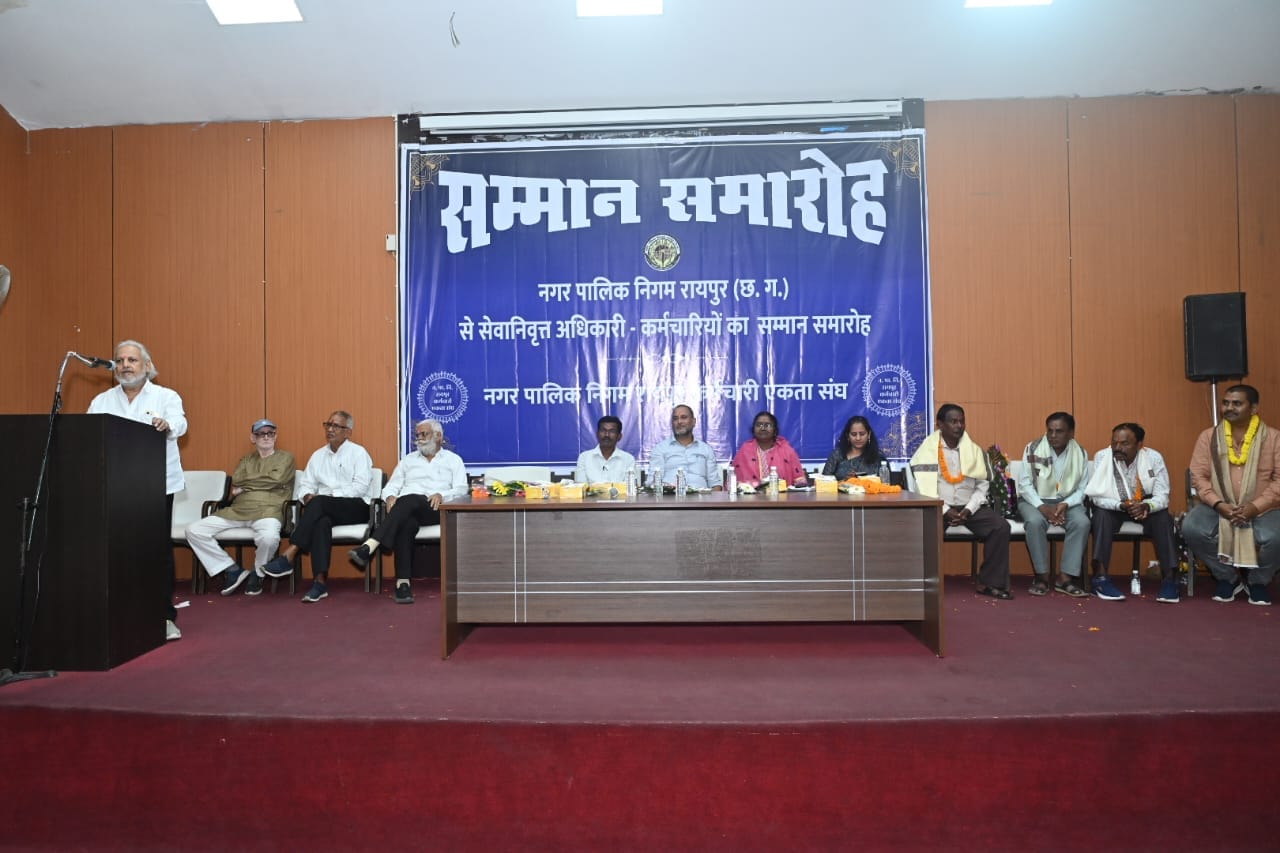
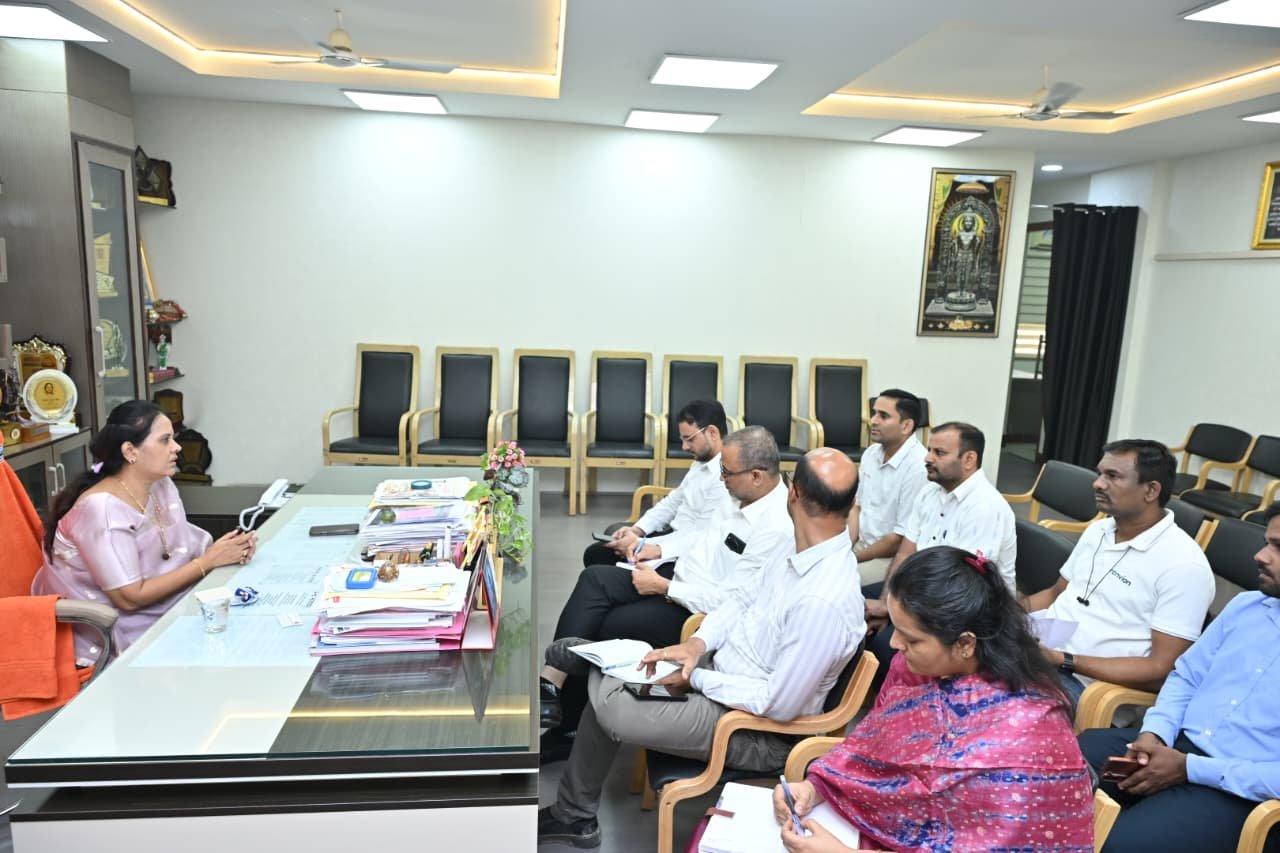
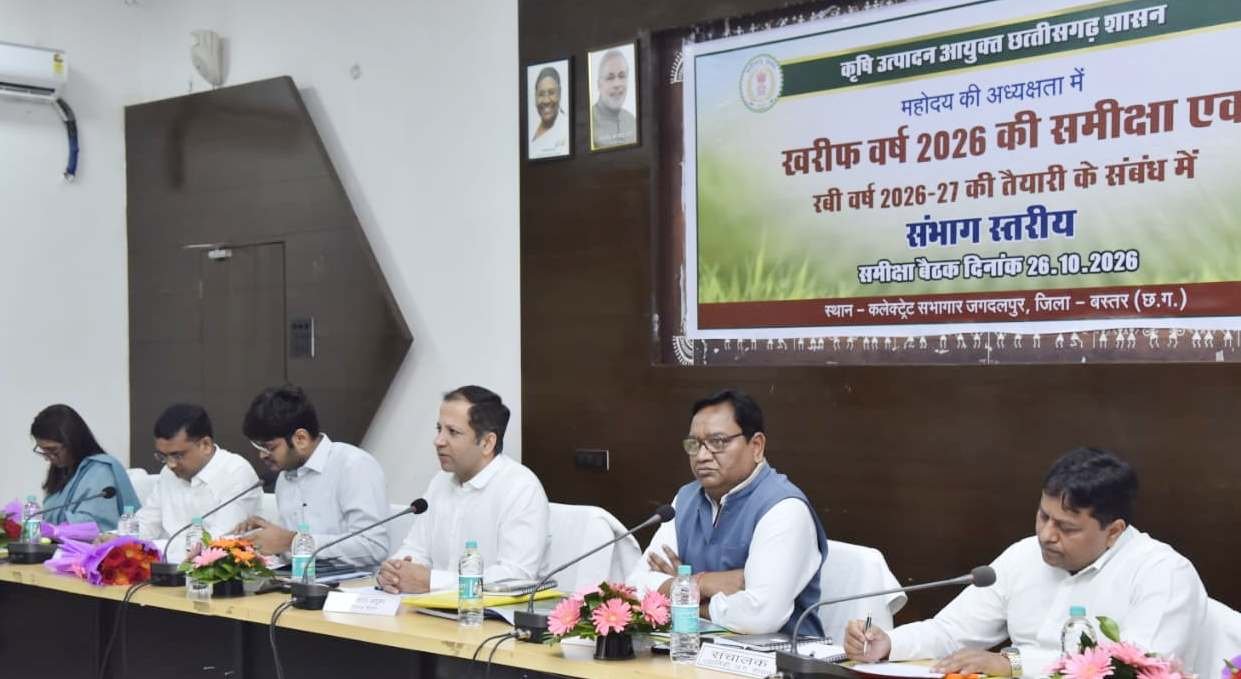
Minister Netam stated that to prevent animal accidents, he directed officials to establish cow shelters expeditiously, manage cattle there, and promote artificial insemination. Agriculture Production Commissioner Mrs. Sahla Nigar, Director of Veterinary Services Mr. Chandrakant Verma, Vice Chancellor of Kamdhenu University, and senior department officials were present at the meeting.