































- Compressed biogas, green hydrogen and biofuels will open up new investment and green employment opportunities
- Chhattisgarh Compressed Biogas Policy-2026 will give new impetus to clean energy and agriculture based economy.
- Emphasis on developing biomass as an important resource for energy and economic development, not agricultural residue.
- Cluster-based model will increase income of farmers, self-help groups and local communities
- Experts deliberate on feedstock management, biomass value chain and developing a strong ecosystem for private investment
By converting Chhattisgarh’s abundant agricultural residues, forest resources, livestock waste, and municipal biowaste into clean energy, the state’s energy security can be strengthened and new employment and income opportunities can be created in the rural economy. Planned utilization of the potential available in compressed biogas, green hydrogen, bioethanol, and other biofuels can establish Chhattisgarh as a leading state in the country’s emerging bioenergy economy.
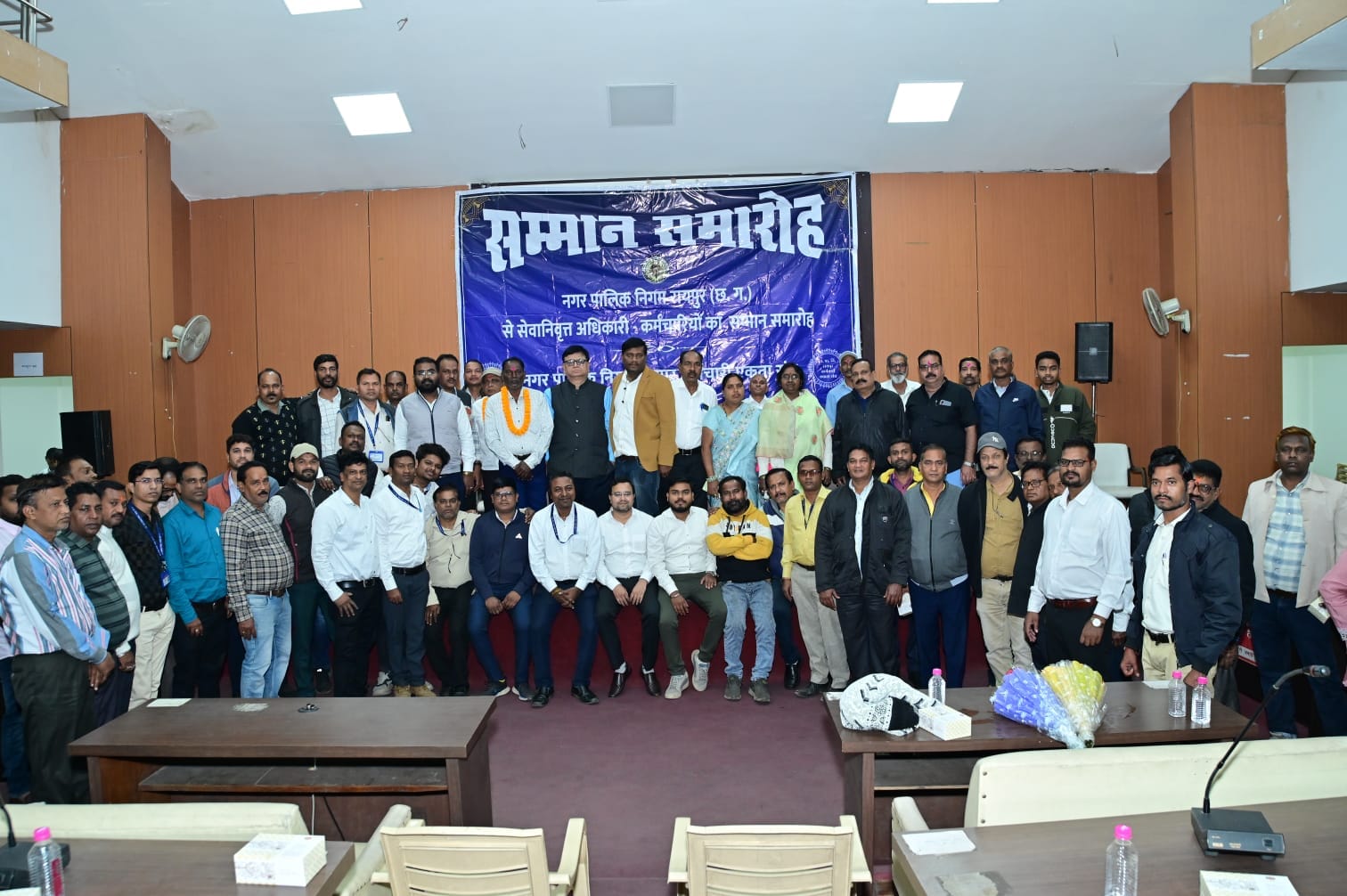
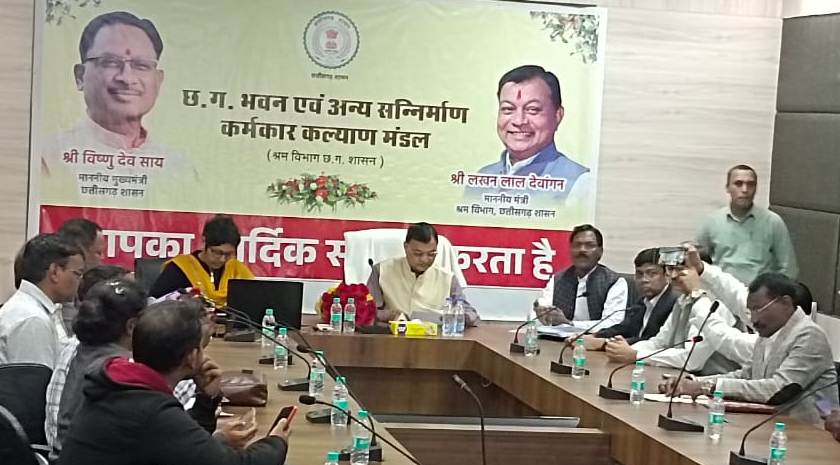
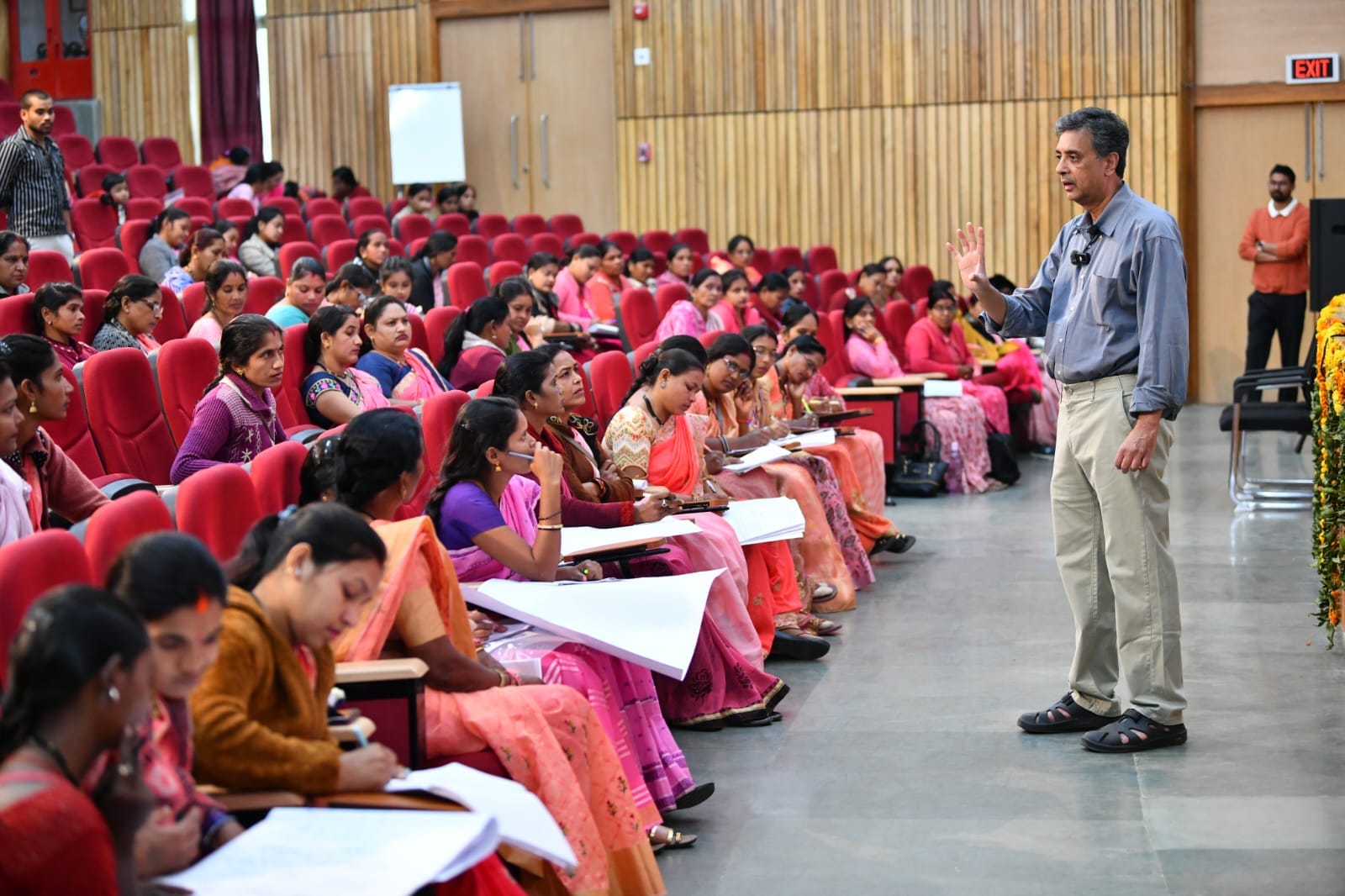
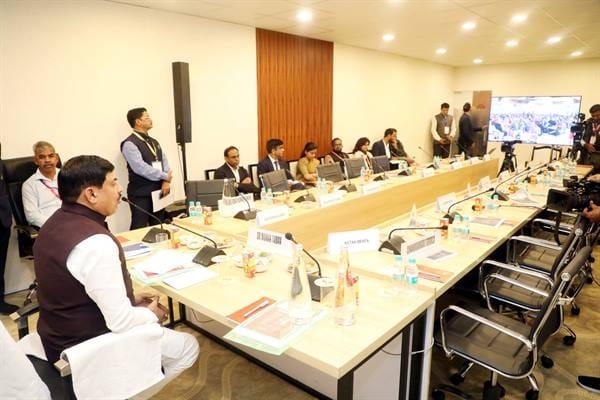
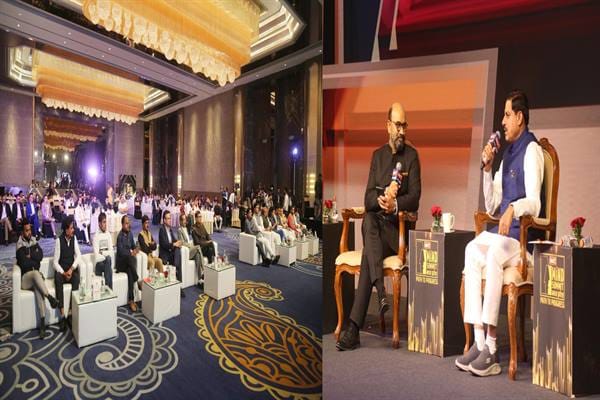
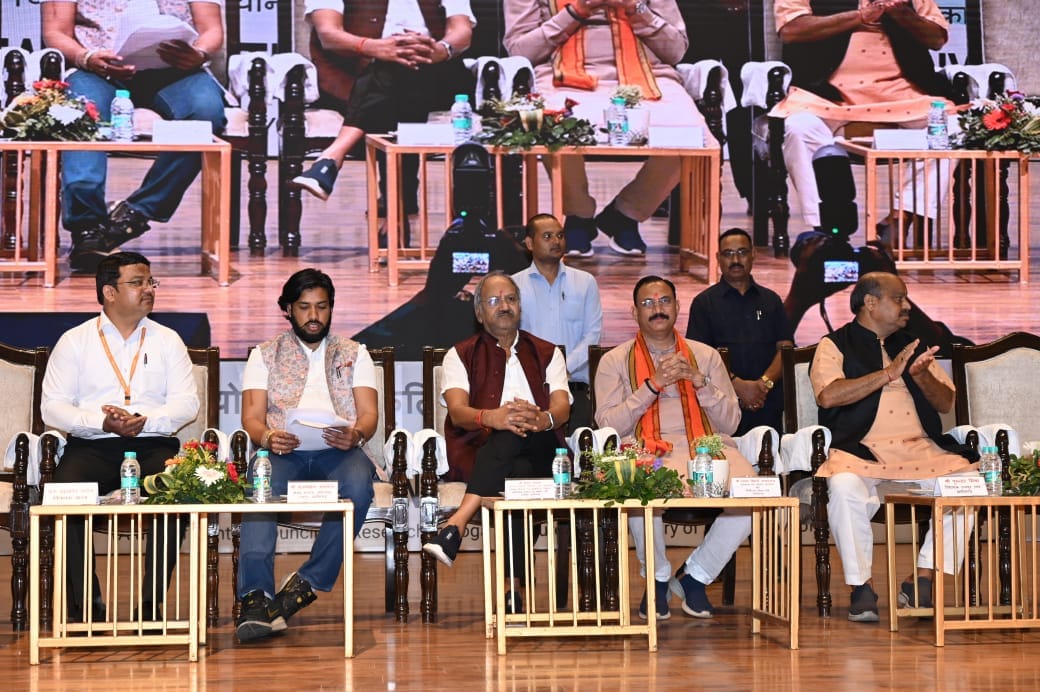
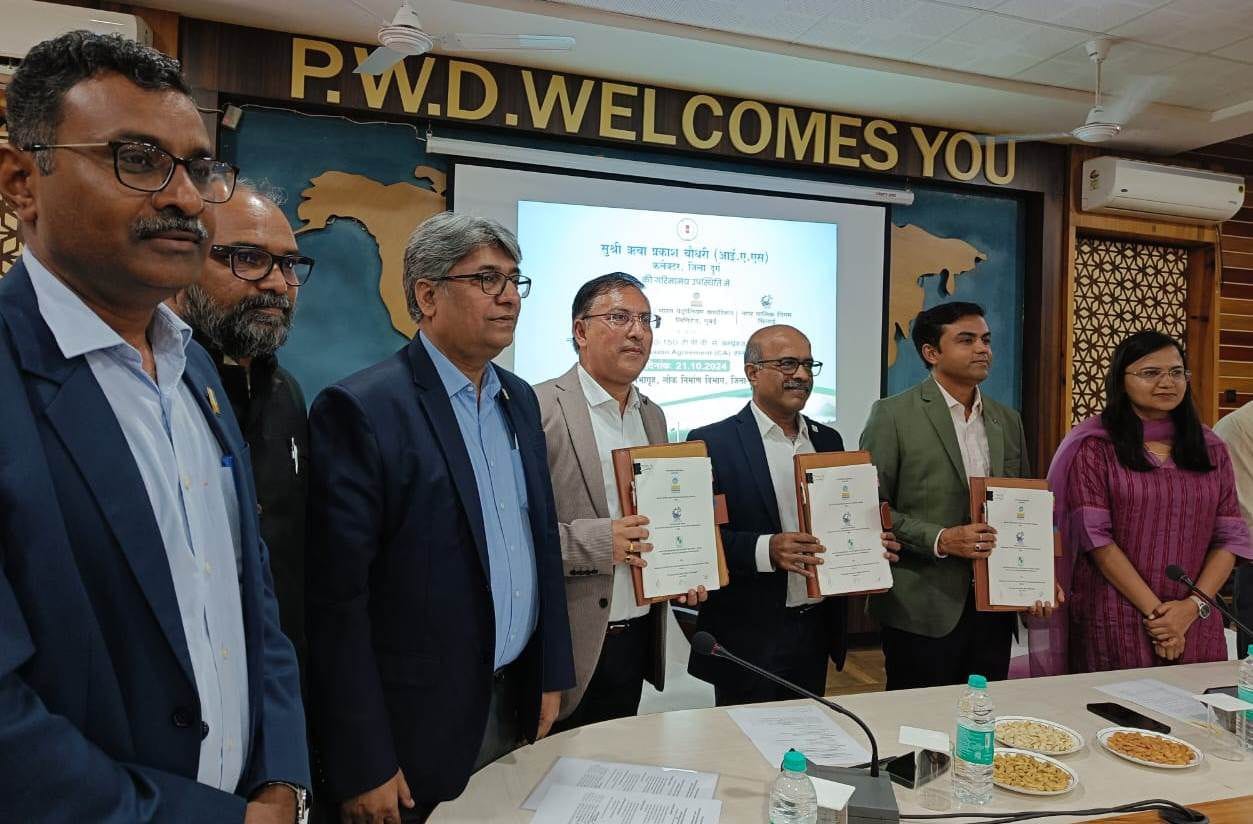
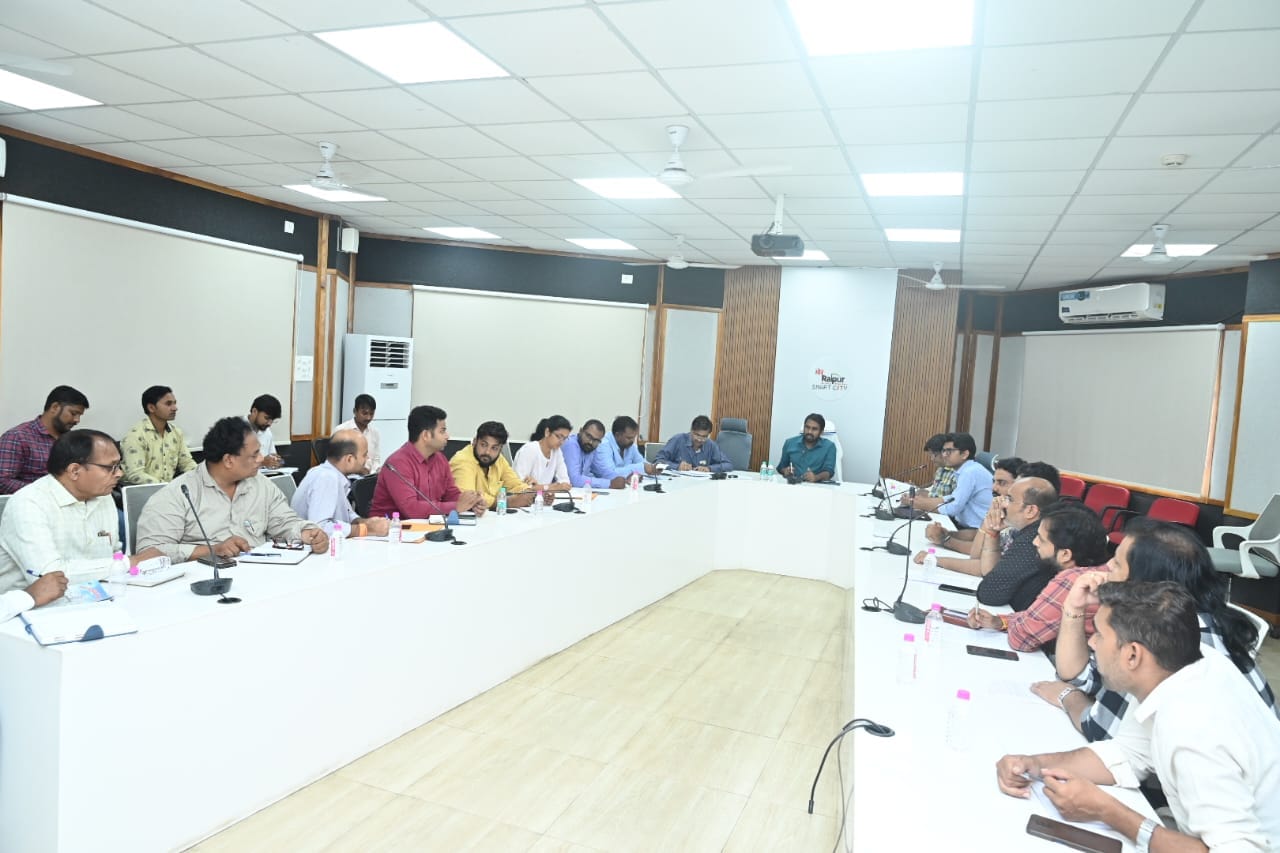
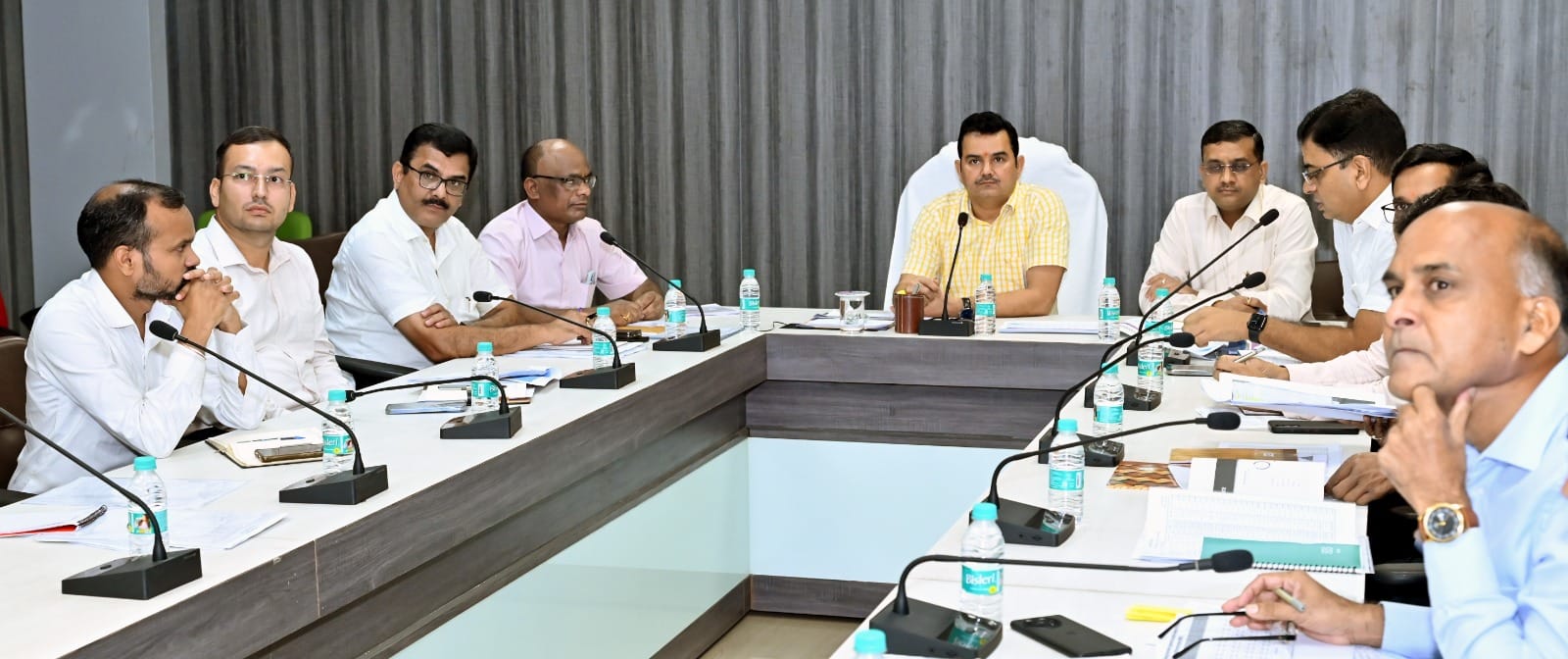
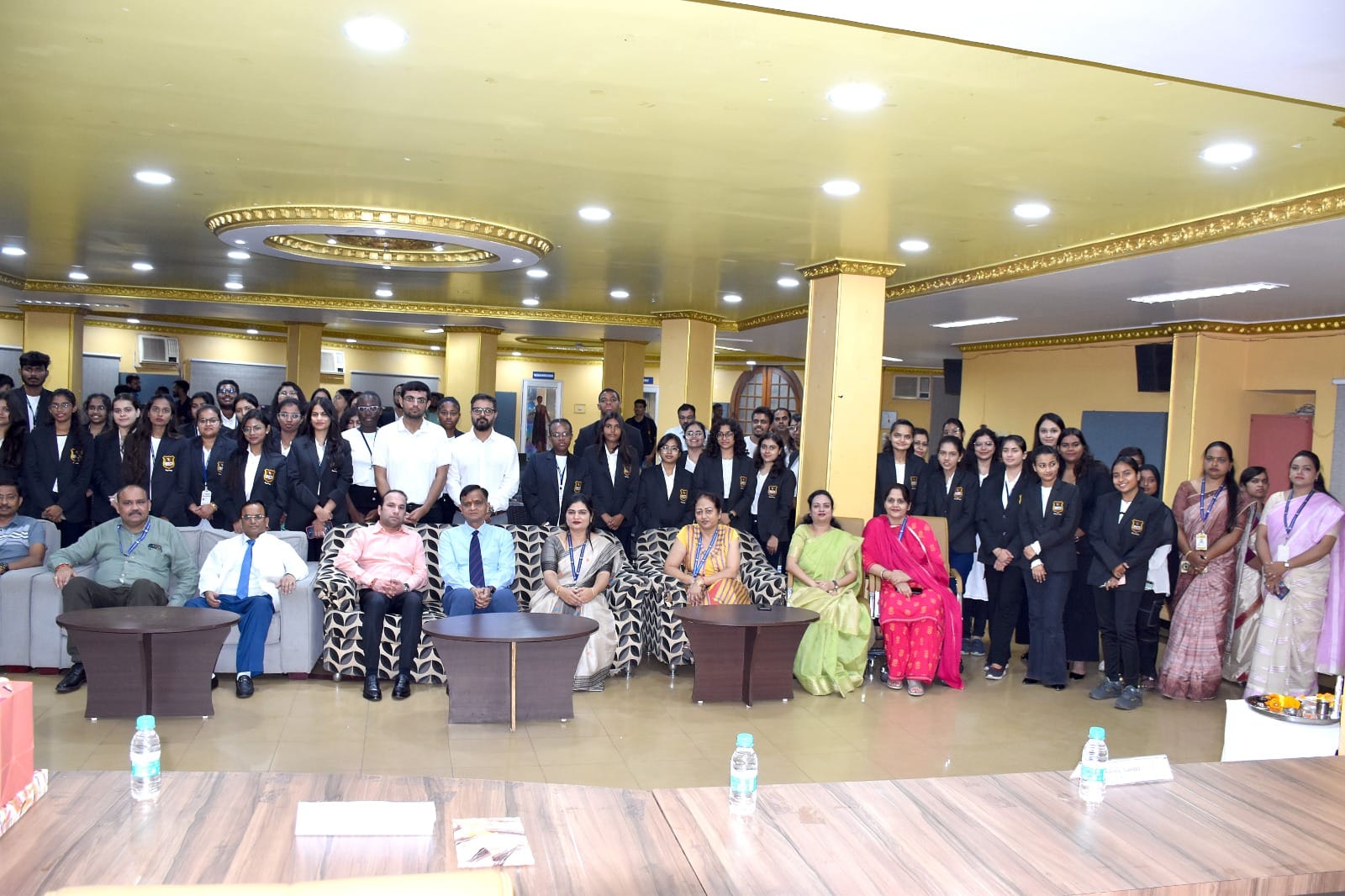
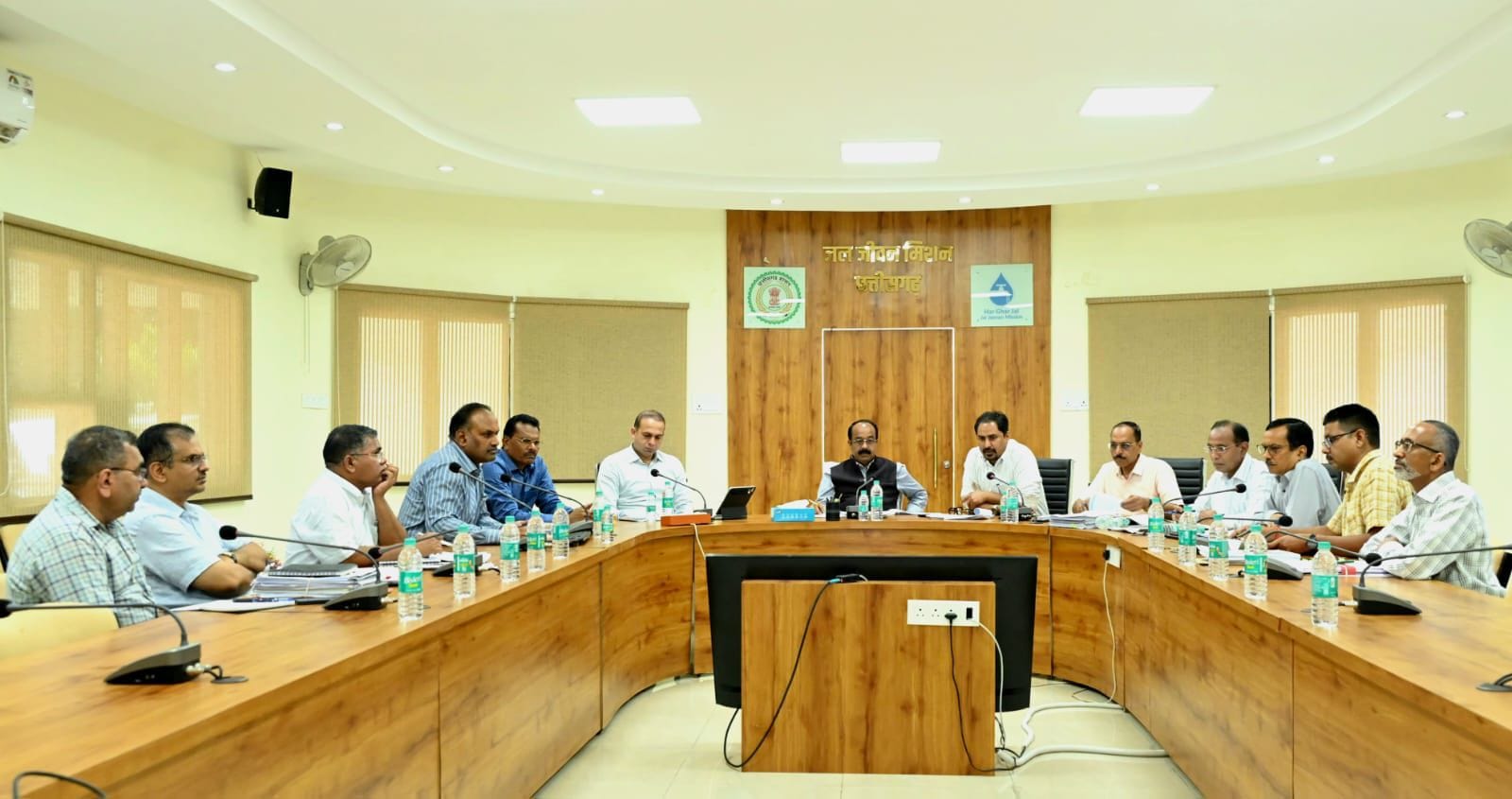
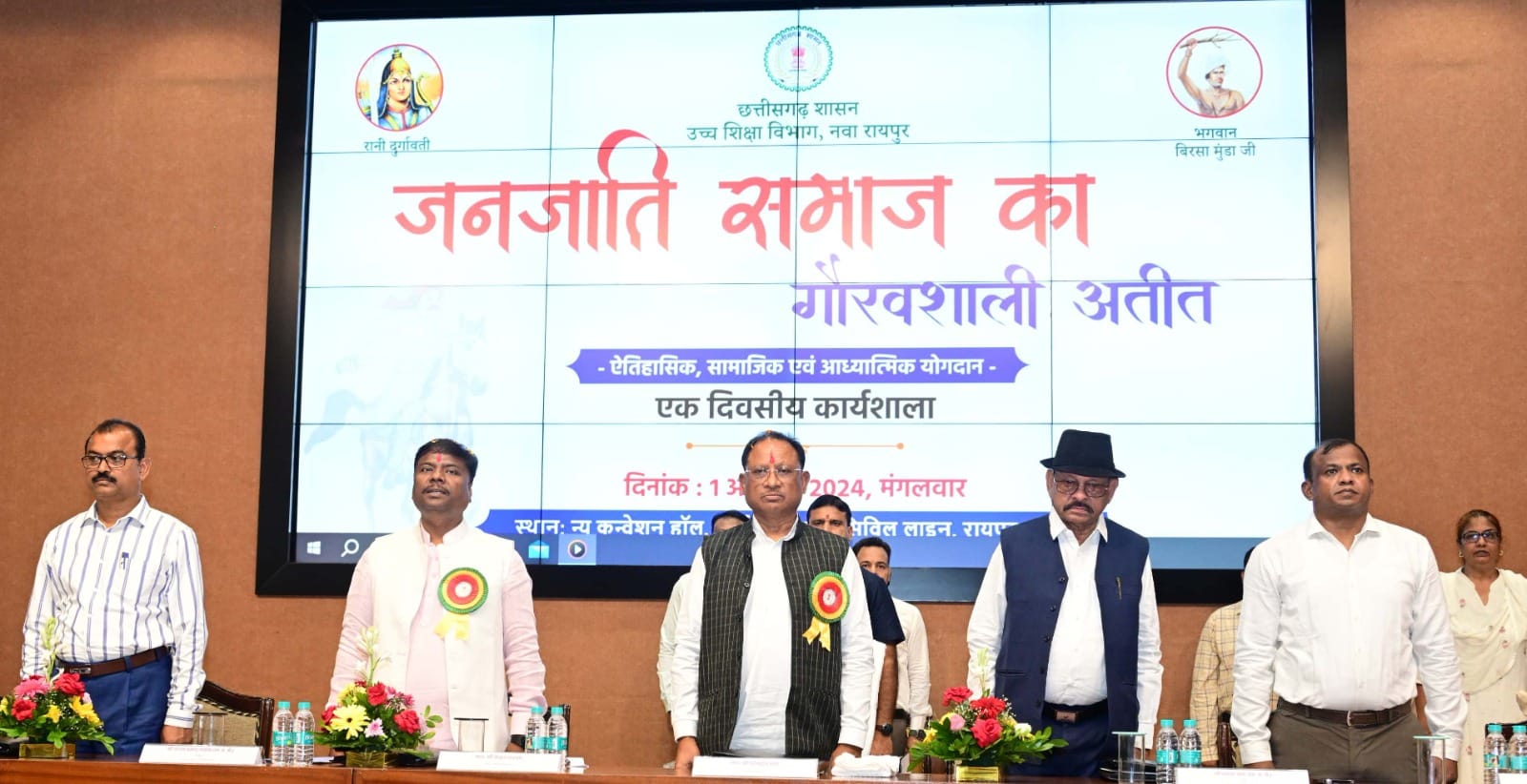
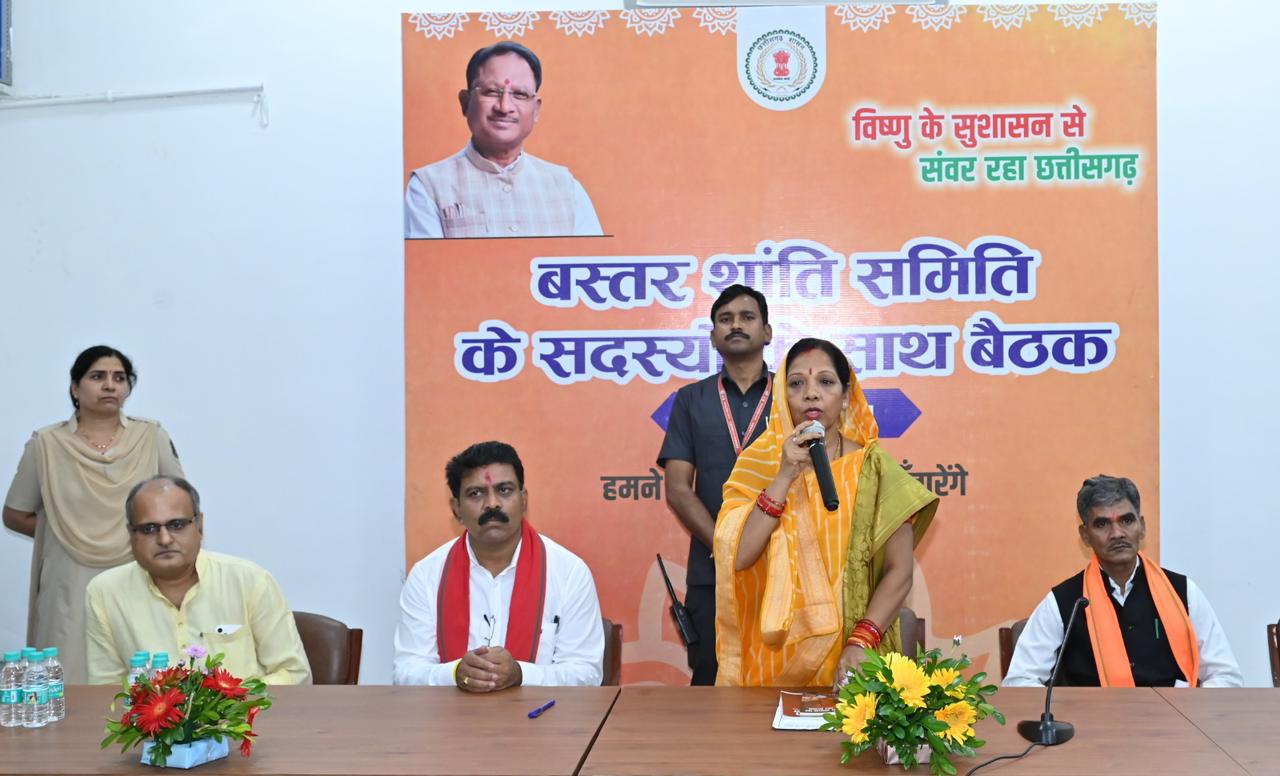
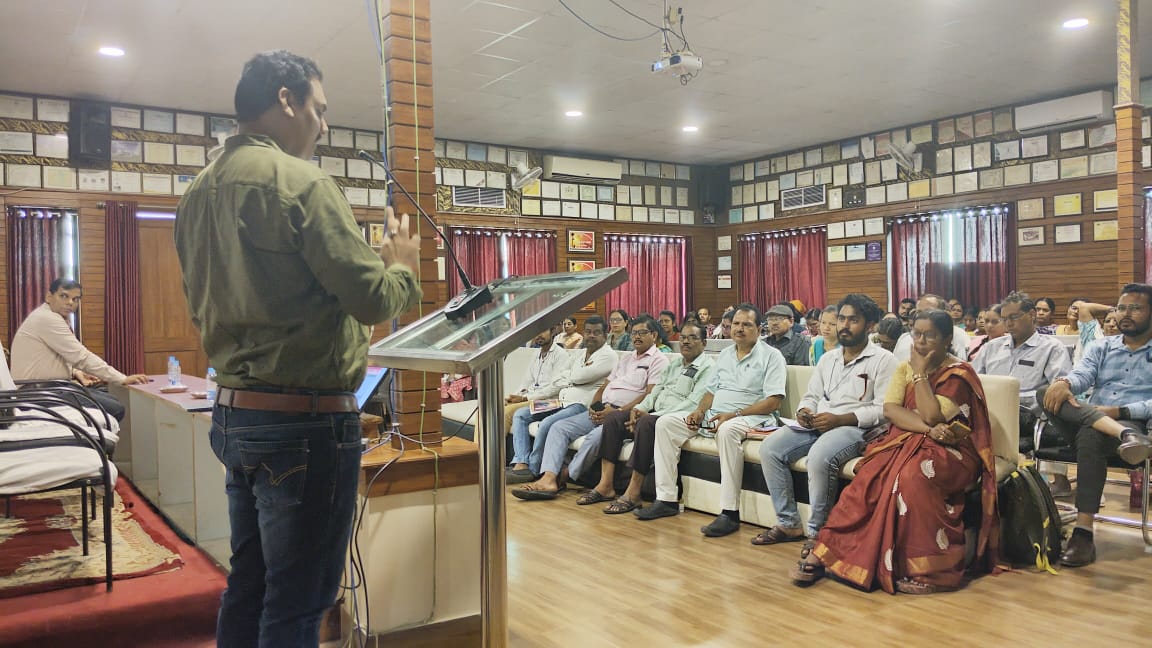
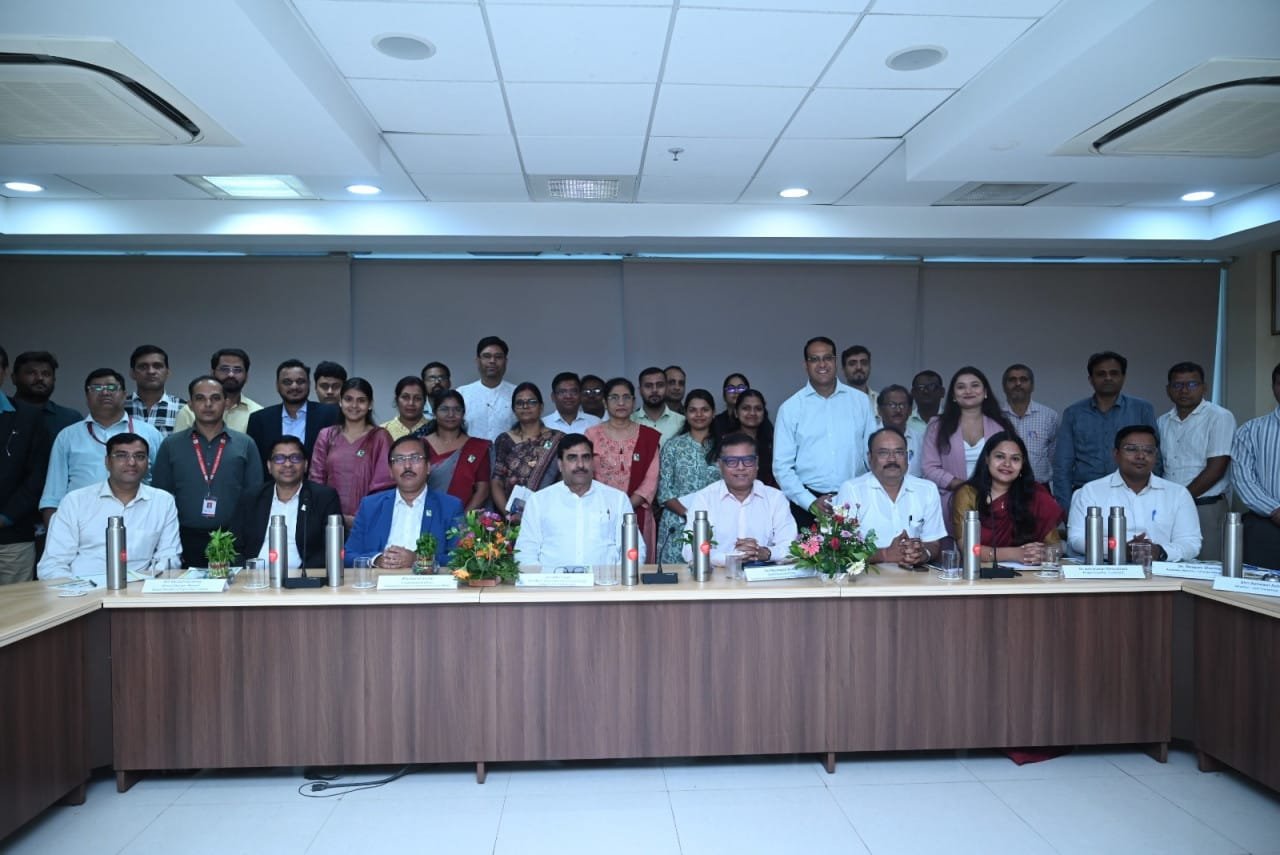
For a comprehensive discussion on these possibilities and future action plan, a workshop focusing on the role of bioenergy in energy security and economic development was organized in the auditorium of Aranya Bhawan, Nava Raipur Atal Nagar under the joint aegis of Chhattisgarh State Climate Change Centre, its technical partner Centre for Environment and Energy Development (CEED) and Chhattisgarh Biofuel Development Authority.
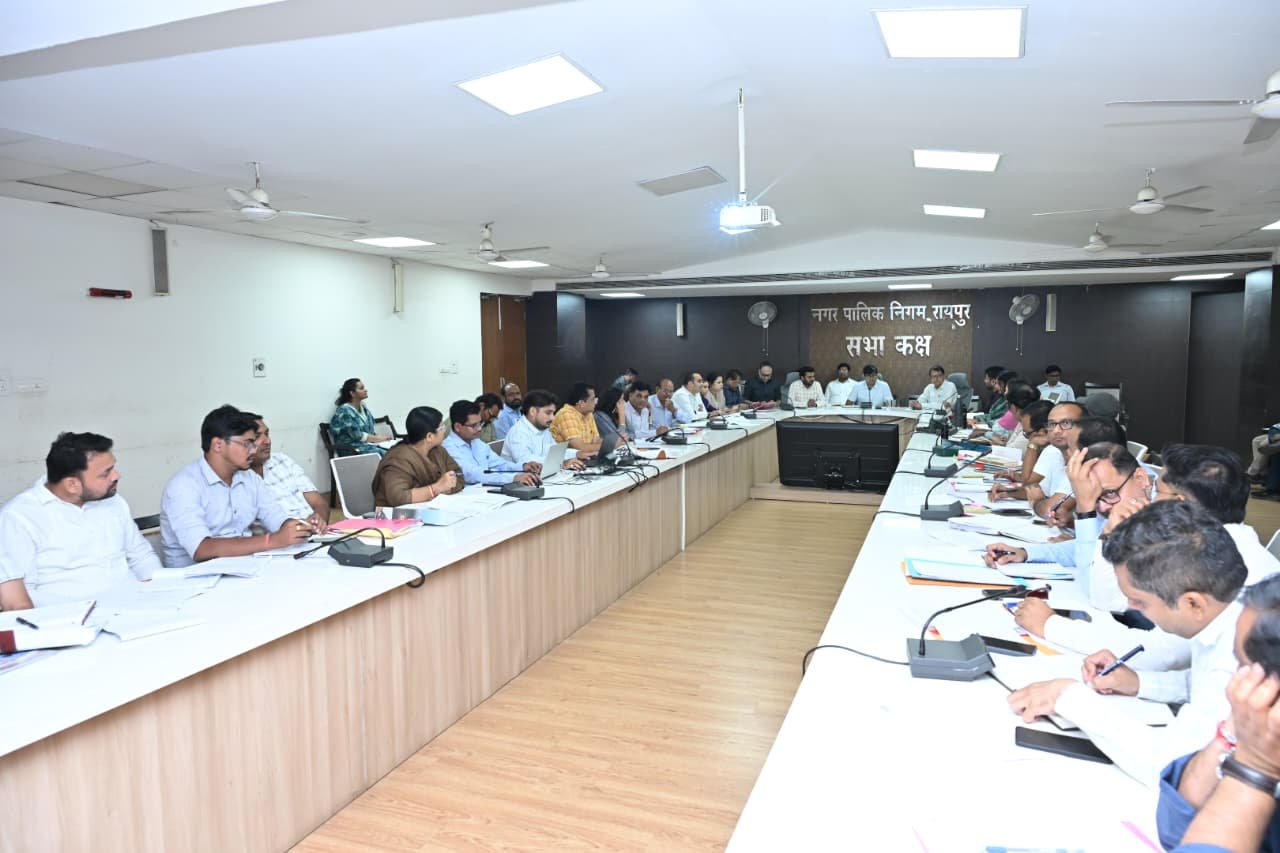
At the workshop, representatives from various government departments, public and private sector industries, financial and technical institutions, academics, and civil society organizations discussed the potential, challenges, and future strategies for the bioenergy sector. Experts stated that developing a robust value chain for biomass resources available in the state and linking them to clean energy production would reduce dependence on fossil fuels, accelerate industrial decarbonization, environmental protection, and employment generation in rural areas.

- Compressed Biogas Policy-2026 will give a new direction to the bioenergy sector
It was reported at the workshop that the state government, recognizing the potential of the bioenergy sector, has implemented the Chhattisgarh Compressed Biogas Policy-2026 as a visionary initiative. This policy is an important initiative towards clean energy production, green industrialization, expansion of the agriculture-based economy, and environmental protection in the state.
Additionally, the Chhattisgarh Industrial Development Policy 2024-30 provides various incentives and facilities for bioenergy projects. These policy initiatives are aimed at creating a favorable investment environment for bioenergy projects in the state and increasing private sector participation.
The workshop emphasized that the expansion of bioenergy is not limited to energy production alone. It will enable economic use of agricultural residues and waste, provide additional income to farmers, create local employment opportunities, and strengthen the circular economy.
- Biomass needs to be viewed as an economic resource, not a waste: Shri Sumit Sarkar
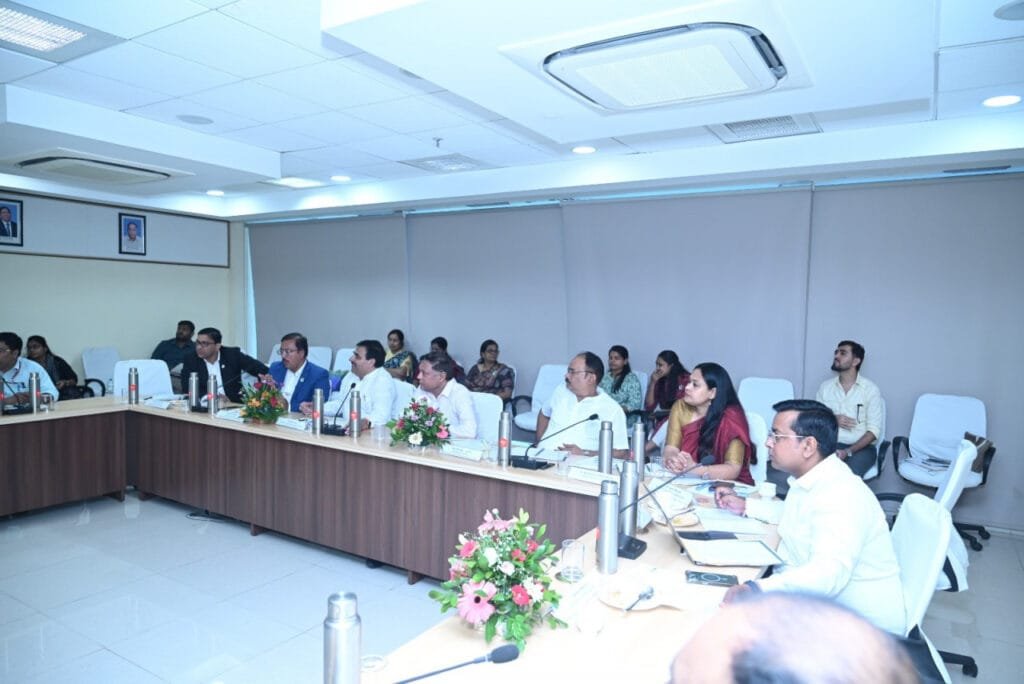
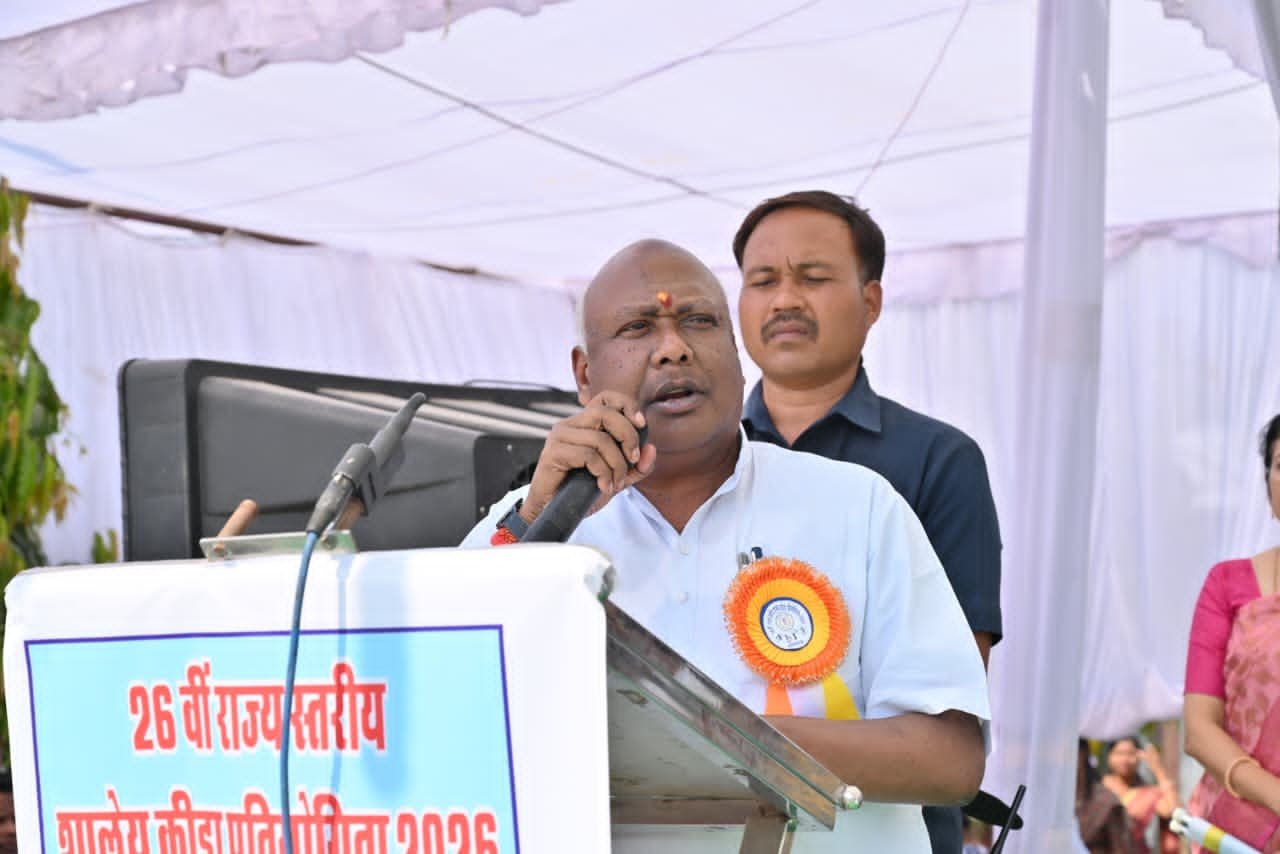
Addressing the workshop, Mr. Sumit Sarkar, Chief Executive Officer of the Chhattisgarh Biofuel Development Authority, stated that energy security and social and environmental development goals can be achieved simultaneously. To achieve this, biomass must be developed as a vital resource for energy-based economic development and green employment, rather than simply viewing it as agricultural residue or waste.
He said that compressed biogas, bioethanol, and other biofuels can play a significant role in reducing dependence on fossil fuels. Their use can reduce industrial carbon emissions and strengthen a circular economy based on resource reuse.
He said that Chhattisgarh’s agriculture and forest-based economy provides a favorable foundation for the development of bioenergy. By combining available resources with technology, investment, and an effective market system, new bioenergy-based economic opportunities can be created in the state.
- Cluster-based model will reduce costs and increase income of local communities
Mr. Alok Tiwari (IFS), CCF, HRD-IT, Forest and Climate Change Department said that considering the availability of major agricultural crops, forest and livestock resources and waste generated from urban bodies in Chhattisgarh, cluster based model for bioenergy can prove to be effective.
He stated that cluster-based systems can reduce the cost of transporting biomass and ensure regular availability of feedstock for bioenergy plants. This system can also increase the incomes of farmer producer organizations, self-help groups, and local communities by directly engaging them in economic activities.
- Better convergence between departments and institutions is essential: Shri Ramapati Kumar
Shri Ramapati Kumar, Chief Executive Officer, Centre for Environment and Energy Development (CEED) said that to realise the bioenergy potential of Chhattisgarh, better convergence is necessary between the Departments of Agriculture, Rural Development, Energy, Industry, Environment and Finance along with Chhattisgarh Biofuel Development Authority, Chhattisgarh State Renewable Energy Development Agency and other related agencies.
He said that industries, financial institutions, farmers, and civil society organizations must also be involved in this process. With the availability of abundant natural resources and long-term policy initiatives, Chhattisgarh can become one of the leading states in the country in the field of bioenergy.
He said that SEED is committed to supporting the efforts of the state and is continuously working towards feedstock management, biomass value chain and innovative solutions.
Shri Amitabh Bajpai (IFS), Member-Secretary, Chhattisgarh State Biodiversity Board also participated in the programme.
- Technical session discusses bioenergy value chain and practical challenges
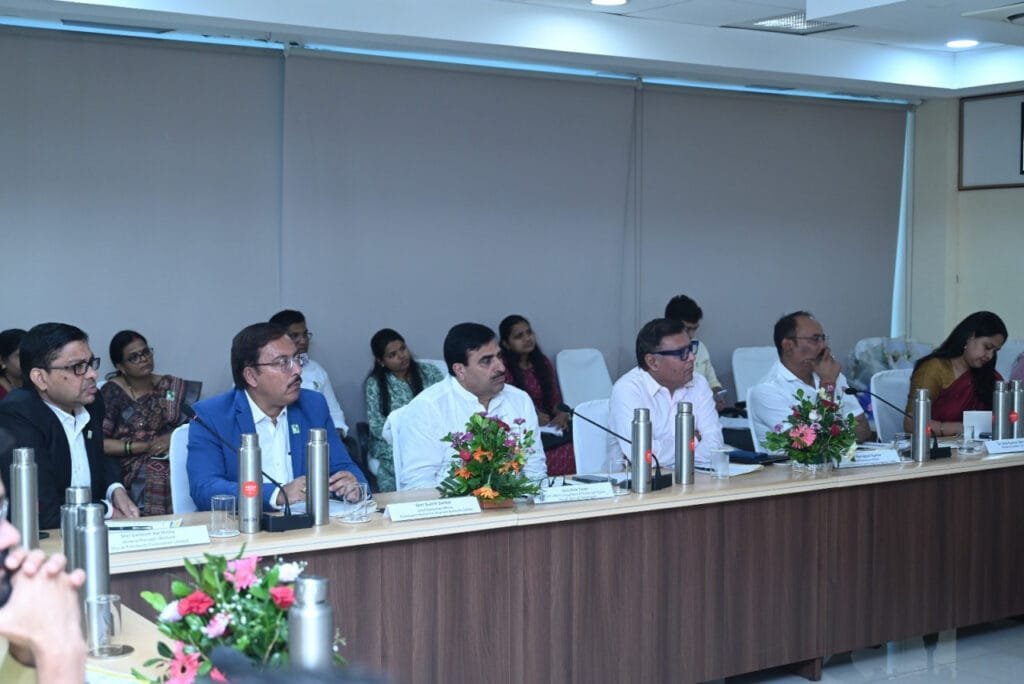
The technical sessions of the workshop discussed in detail various aspects of bioenergy production including availability of raw materials, feedstock management, transportation, storage, technology, market, financing and use of biofuels in industries.
The technical session was attended by various experts including Mr. Santosh Varshney, General Manager-Biofuel, Bharat Petroleum Corporation Limited; Dr. Praveen D. Chendage, Senior Manager-Agriculture, Bargarh, Odisha, Bharat Petroleum Corporation Limited; Mr. Yogesh Kumar Kadu, Executive Engineer and Nodal Officer, Swachh Bharat Mission, Raipur Municipal Corporation; Dr. Anil Srivastava, Project Scientist, Chhattisgarh State Centre for Climate Change; Mr. Vishal Prasad Gupta, Director, Energy Core India & Power Limited; Mr. Chandramouli Singh, Reliance Industries Limited; Mr. Vishal Jadhav, Jindal Power Limited, Tamnar; Mr. Pulkit Shrotray, Sector Expert; Mr. Ashwani Ashok, Director-Just Transition, SEED; Dr. Devyani Sharma, Associate Director-Climate, SEED and Mr. Tushar Sharma, SEED.
- Representatives from the government, industry and academia brainstormed
Officials from Agriculture, Forest and Climate Change, Energy, the State Urban Development Agency, and the Raipur Municipal Corporation participated in the workshop. Representatives from Mahindra Power, Jaiswal Neco, Nakoda Ispat, Godavari, and various bioenergy and CNG-based industries also participated in the discussions.
Academicians from IIM Raipur and Kalinga University and representatives from various civil society organisations also gave suggestions on technical, economic, environmental and social aspects related to the development of bioenergy.
- Emphasis on biomass corridors and robust feedstock networks
The workshop and technical sessions yielded several important suggestions for the development of the bioenergy sector. Experts highlighted the need for standardized assessments and the creation of reliable databases of biomass resources available in the state. Emphasis was also placed on developing integrated biomass corridors, establishing robust collection and aggregation systems, and ensuring easy market access for products.
The need to develop favourable financial and regulatory framework to attract private investment and to enhance the role of farmer producer organisations, self-help groups and cooperatives in the collection and management of feedstock was also underlined.
The workshop agreed that by bringing together policy, technology, investment, and local communities, a robust ecosystem for a bioresource-based economy can be developed in Chhattisgarh. This will enable greater value addition to agricultural and forest-based resources, generating additional income for farmers and rural communities, local green jobs, and new clean energy options for industry.
This workshop will prove to be an important initiative towards establishing Chhattisgarh among the leading bioenergy states of the country by simultaneously promoting energy security, environmental protection and economic development through scientific and sustainable use of natural and biological resources available in the state.