















































































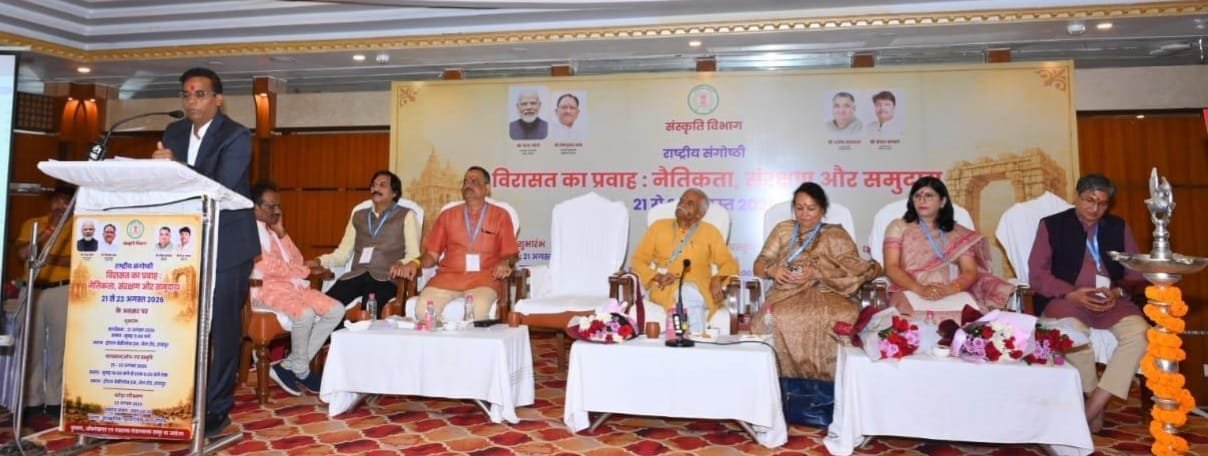
- Ethics, scientific approach and community participation in heritage conservation discussed
- Experts said that the preservation and presentation of history and heritage should be based on facts, logic and science.
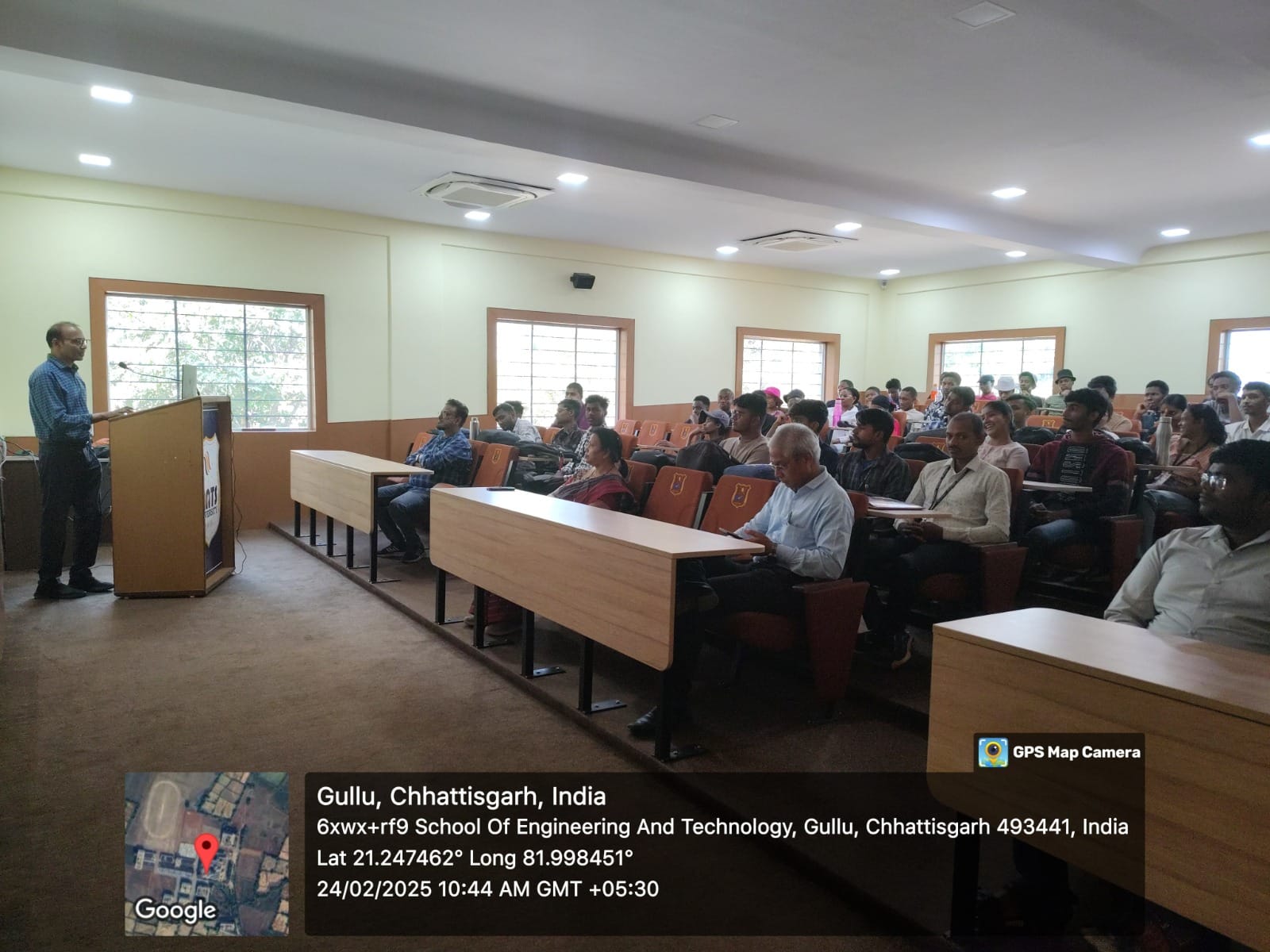
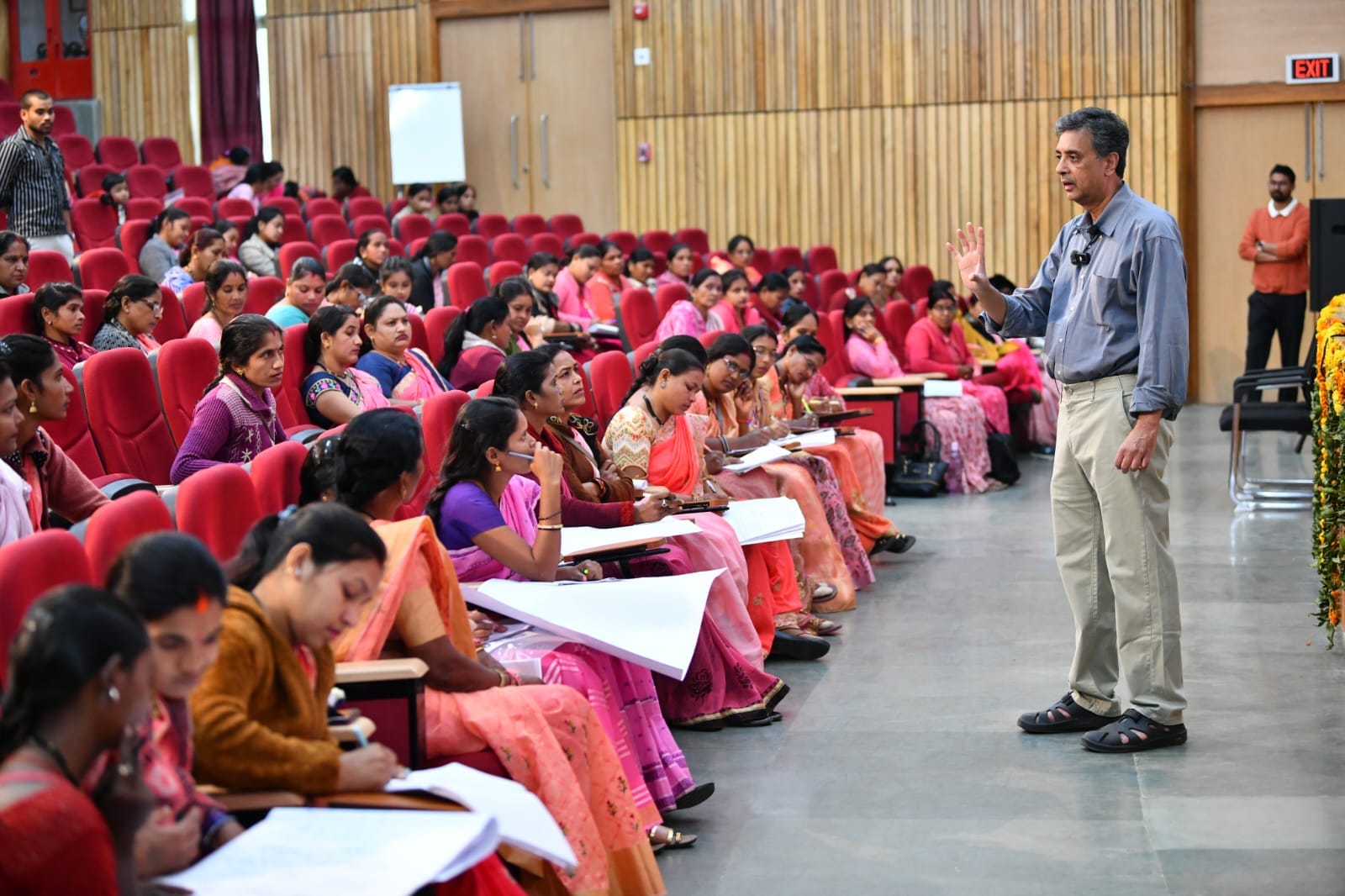
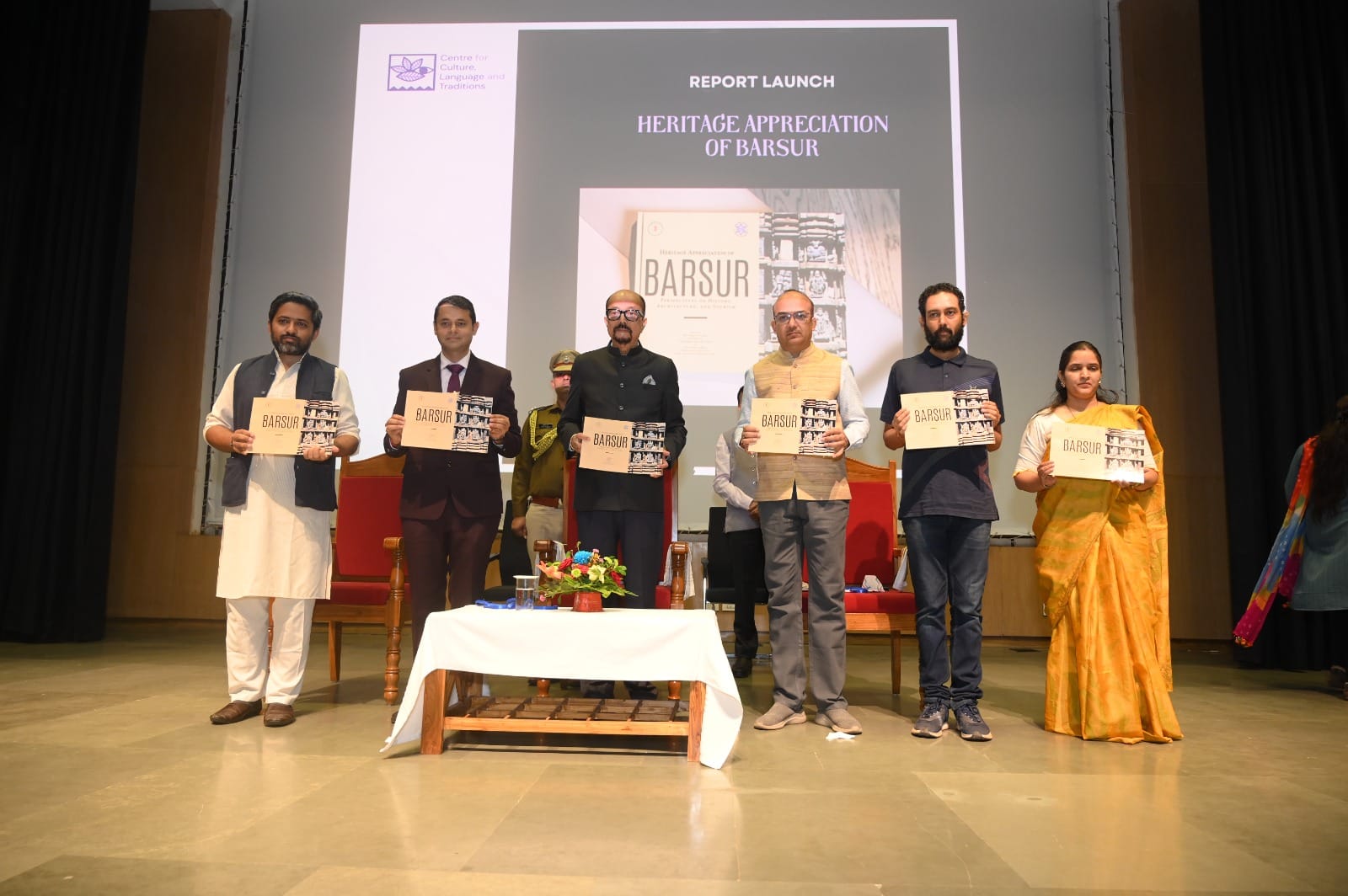
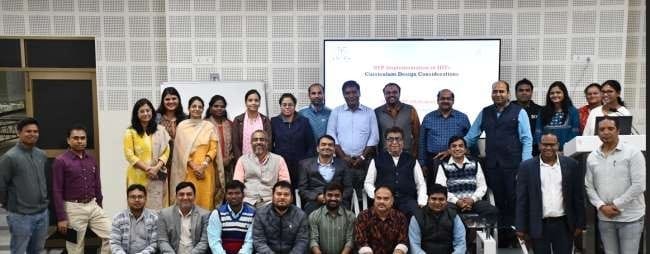
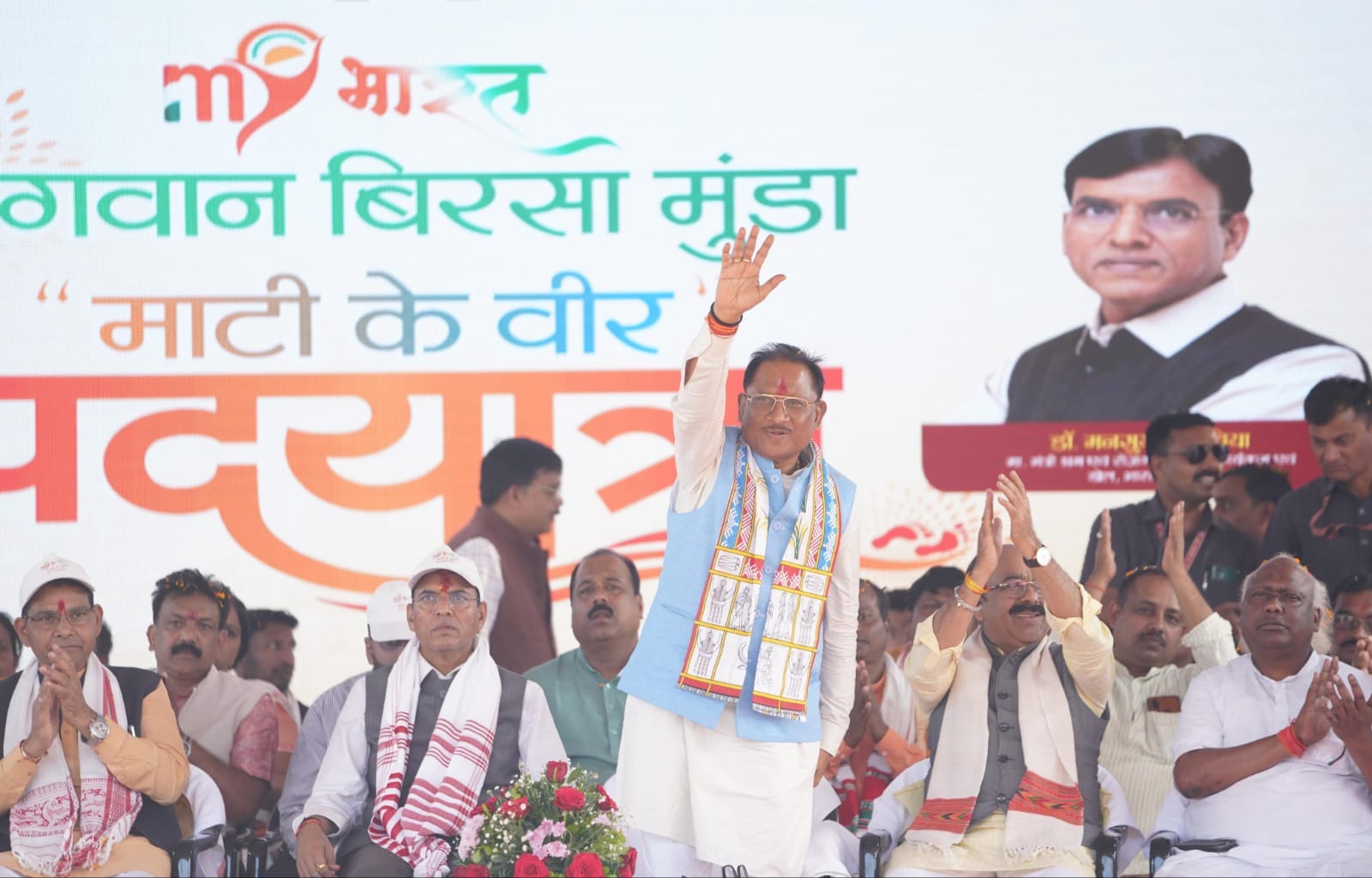
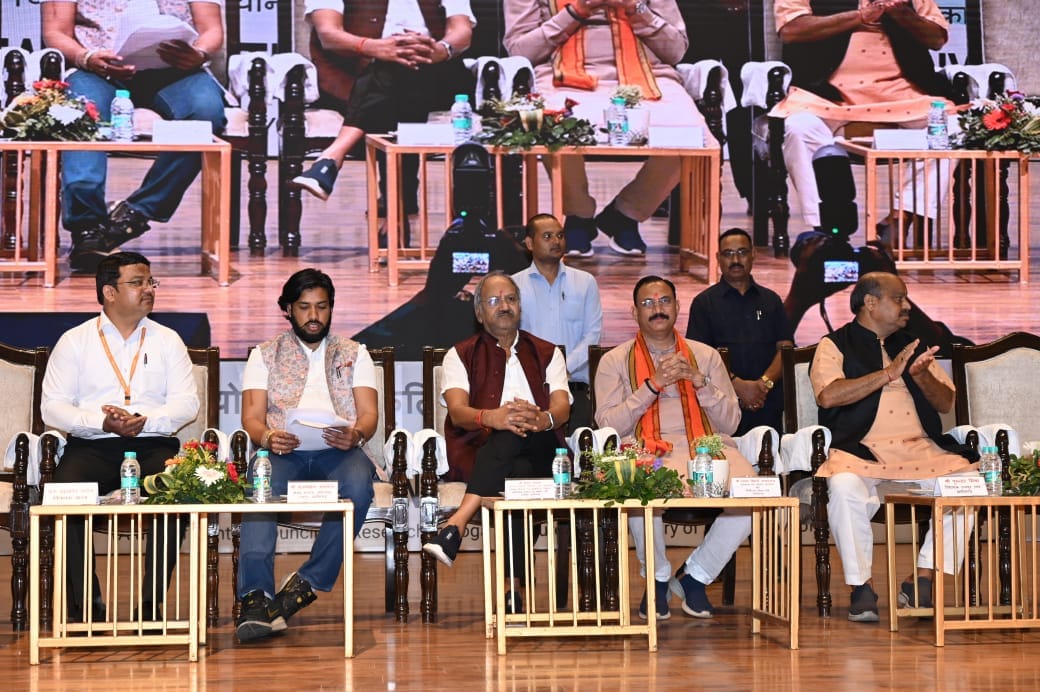
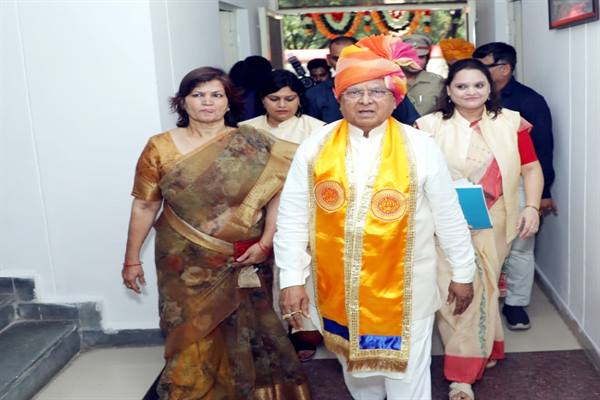
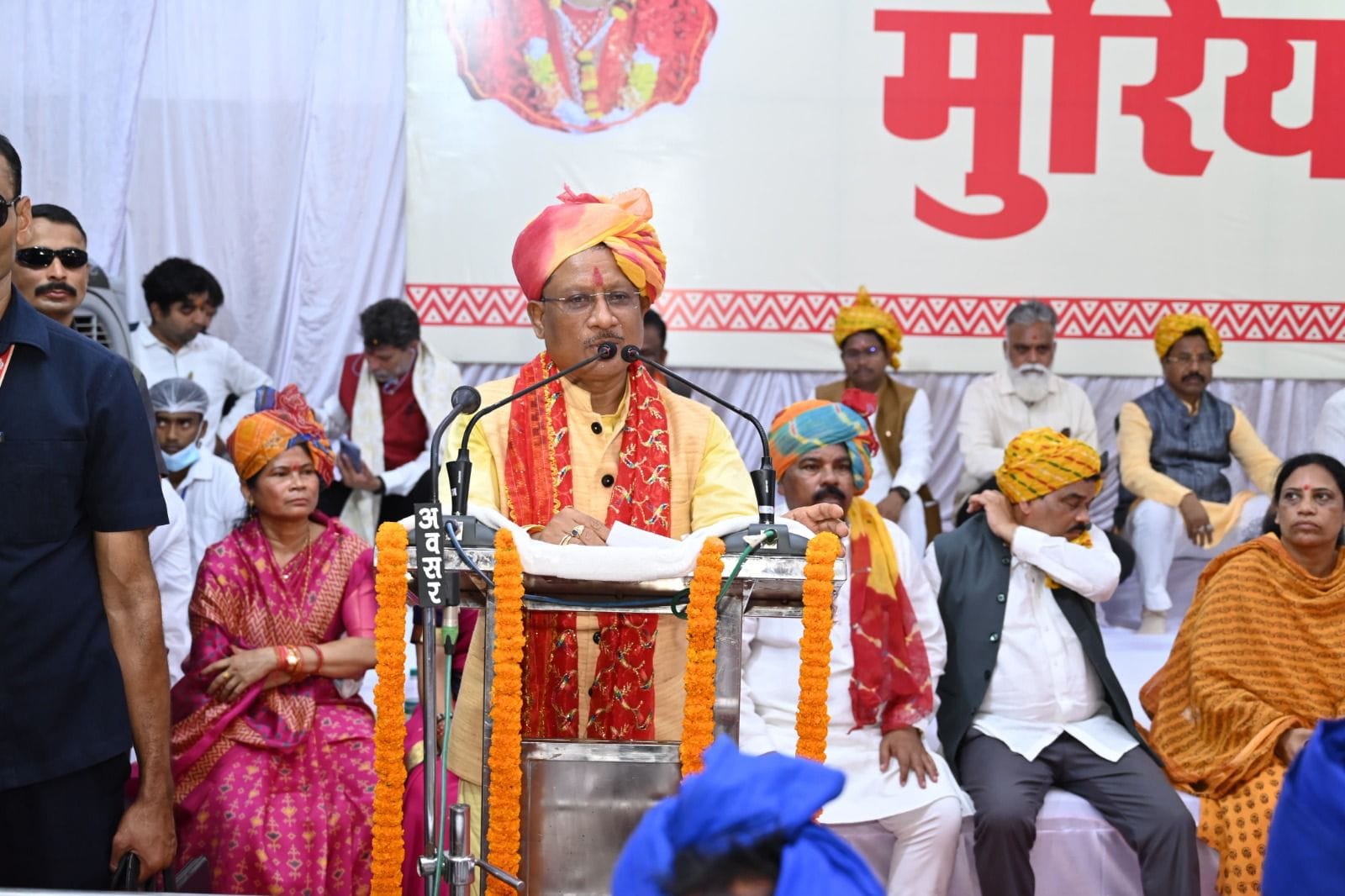
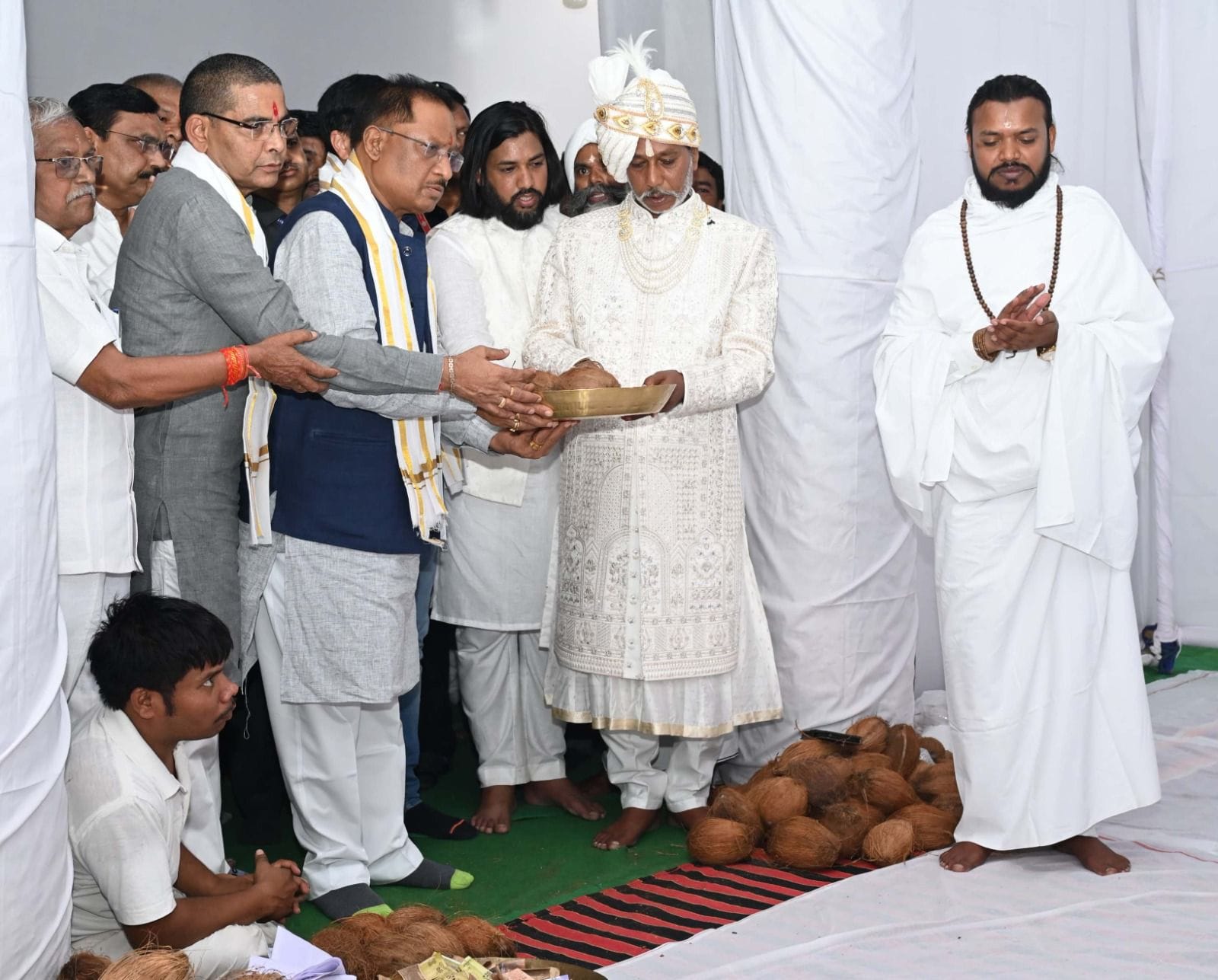
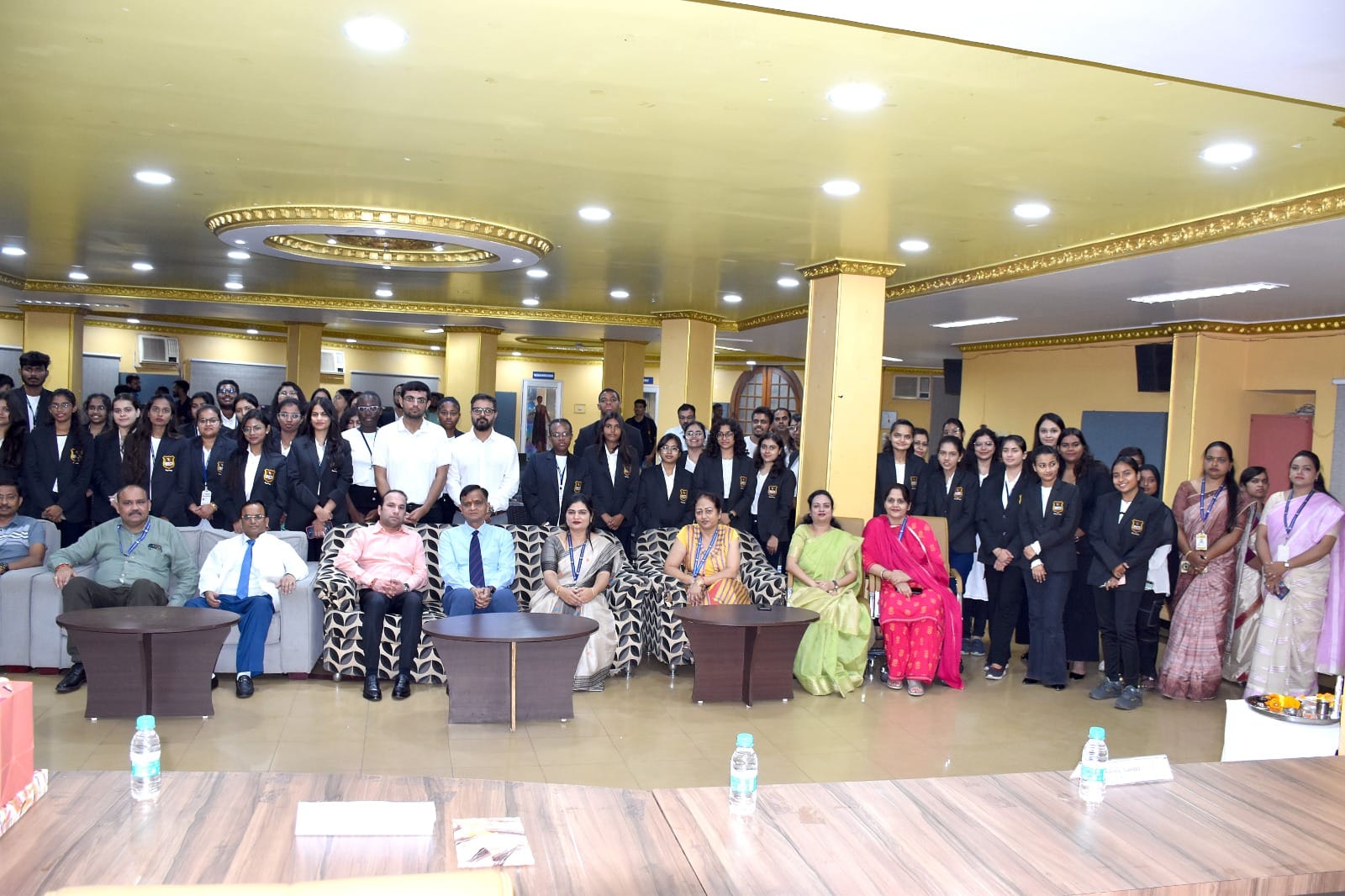
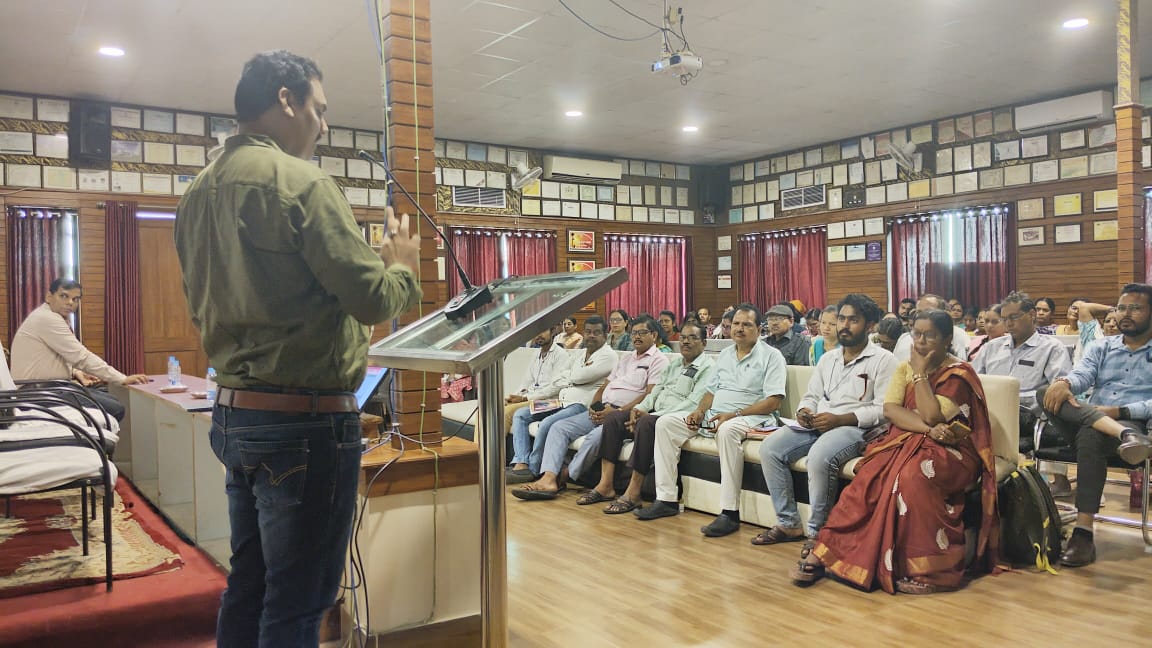
A national seminar and training program on “Heritage Flow: Ethics, Conservation, and Community” was inaugurated today under the auspices of the Department of Culture, Archaeology, Archives, and Museums. Subject matter experts, scholars, researchers, and participants from various regions of the country deliberated on various aspects of heritage conservation. During this program, the importance of ethics, scientific approach, authenticity, and active participation of local communities in heritage conservation was particularly discussed.
Archaeologist Mr. Prabhat Kumar Singh delivered the welcome address and introduction to the program. Elaborating on the symposium’s theme, he said that heritage is not limited to memories and antiquities of the past, but rather, it is the basis of a society’s collective identity, knowledge, and cultural continuity. The participation of local communities and our responsibility to future generations are crucial in heritage conservation. He emphasized that understanding the heritage’s original form, historical context, and social significance is essential in the conservation process.
In her address, Chief Guest Professor Richa Kamboj, New Delhi, addressed the broad dimensions of heritage conservation. She emphasized the need for coordination between research, knowledge, and practical efforts for heritage conservation. Distinguished Guests Mr. Ojas Hirani, Gujarat, and Mr. Top Lal Sharma, Chhattisgarh, also shared their views. The speakers emphasized the need for effective and sustainable heritage conservation through improved coordination between academic institutions, government, and local communities.

- Facts, logic and ethics are essential in writing history: Mr. Shashank Sharma
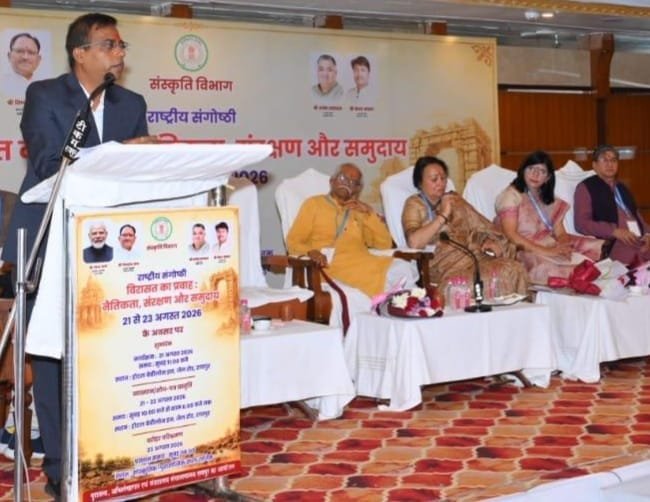
Discussing various events in Indian history, Mr. Shashank Sharma, President of Sahitya Akademi Chhattisgarh, emphasized the need to understand topics related to history and heritage from a factual and authentic perspective. He stated that misleading or baseless statements and fabricated narratives on historical topics can have widespread adverse consequences. Therefore, logic, facts, and a scientific approach should be followed in the study, writing, and presentation of history.
He said that history is not merely a compilation of events, but an important medium for building a society’s memory and identity. Therefore, accuracy, impartiality, and ethics are of paramount importance in writing history. He added that it is our collective responsibility to pass on our heritage and history to future generations with the correct context and authenticity.
- Heritage conservation is a collective responsibility towards present and future generations: Dr. Sanjay Kannauje
The program was presided over by Dr. Sanjay Kannauje, Director of Culture and Archaeology. In his presidential address, he described heritage conservation as a collective responsibility towards present and future generations, emphasizing the importance of ethics, authenticity, scientific methods, and the participation of local communities. He emphasized that active community participation can make heritage conservation efforts more effective, sensitive, and sustainable.
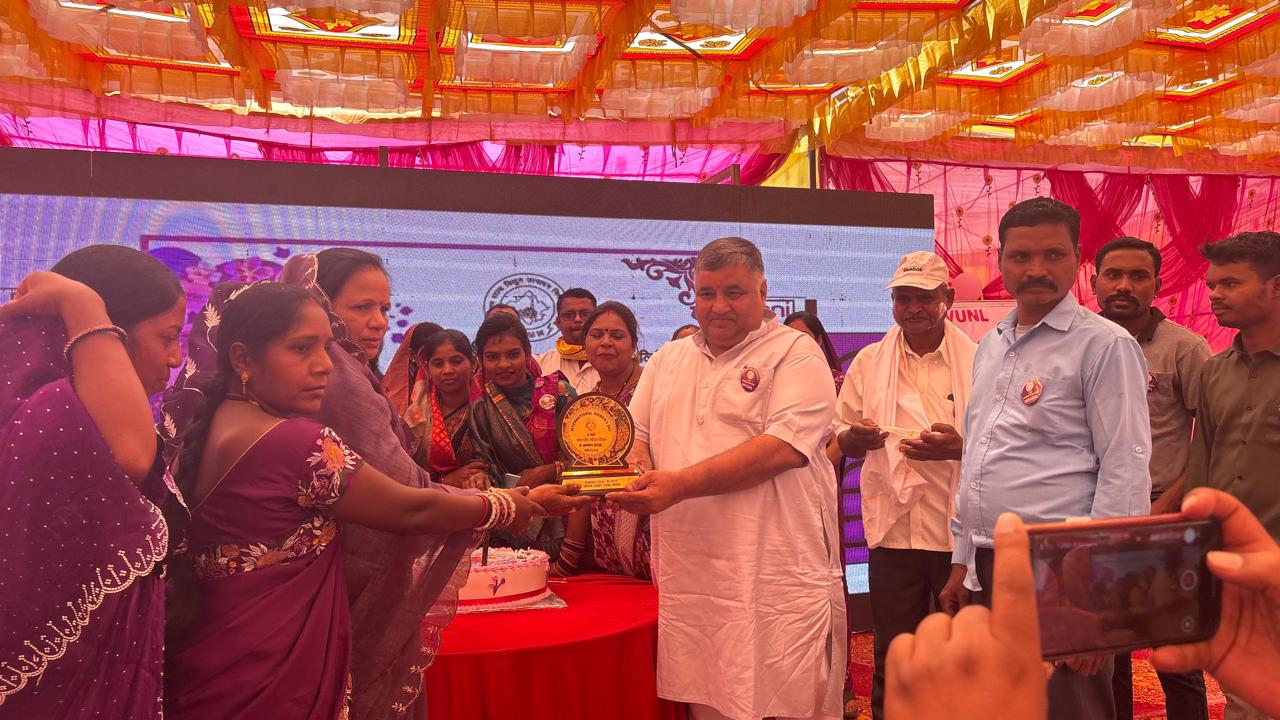
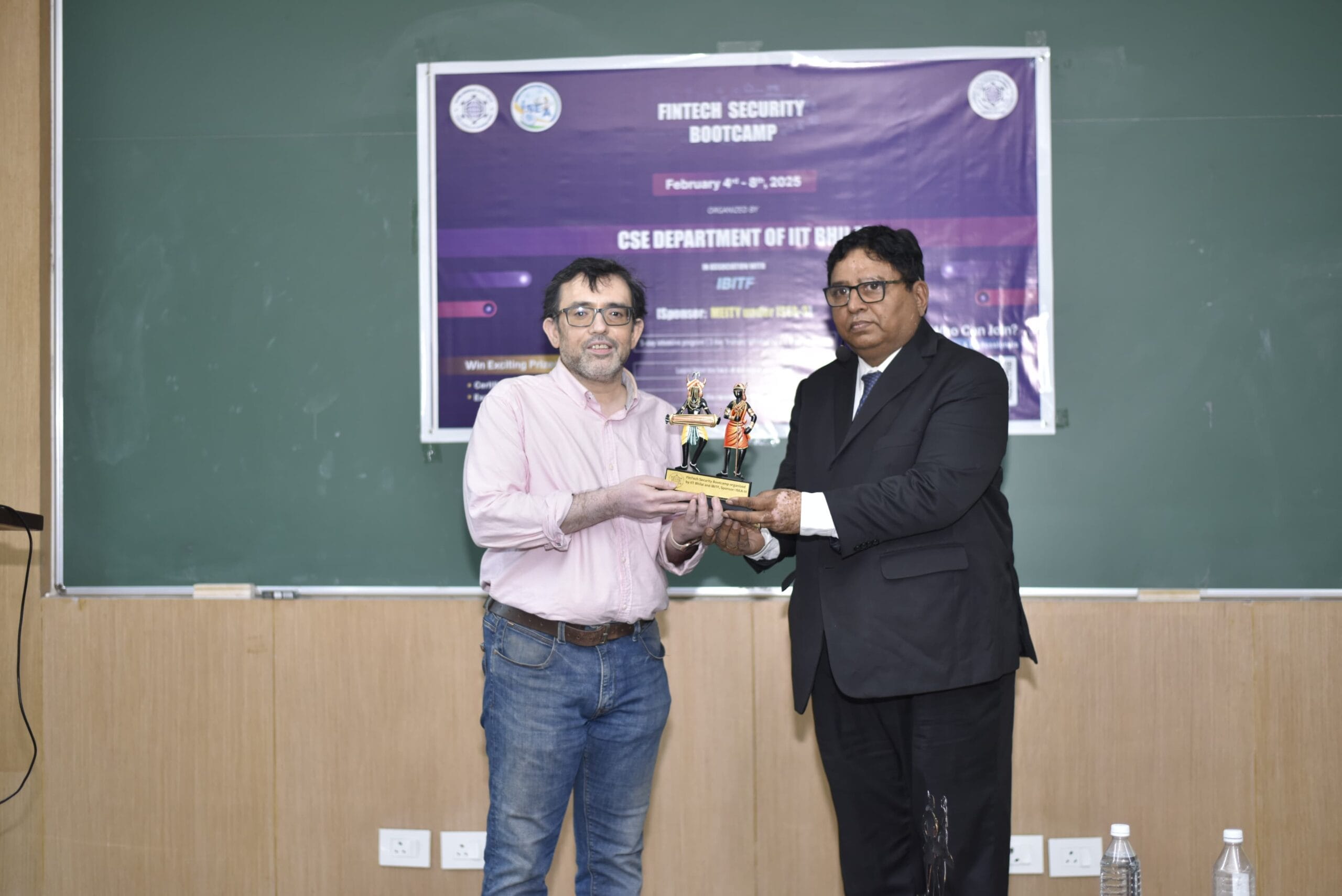
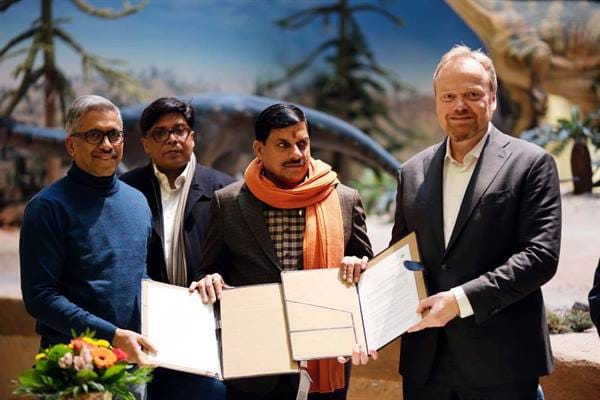
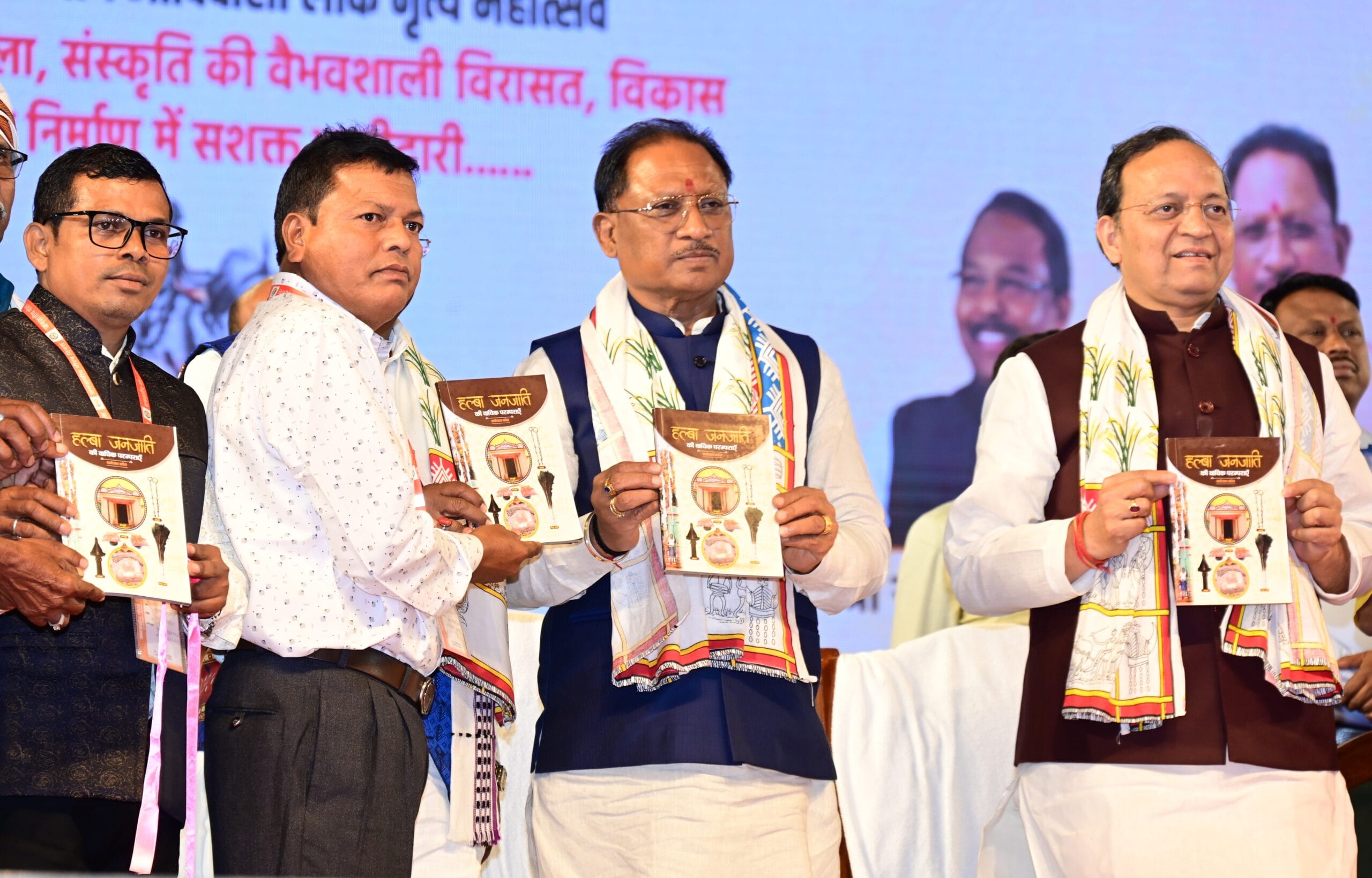
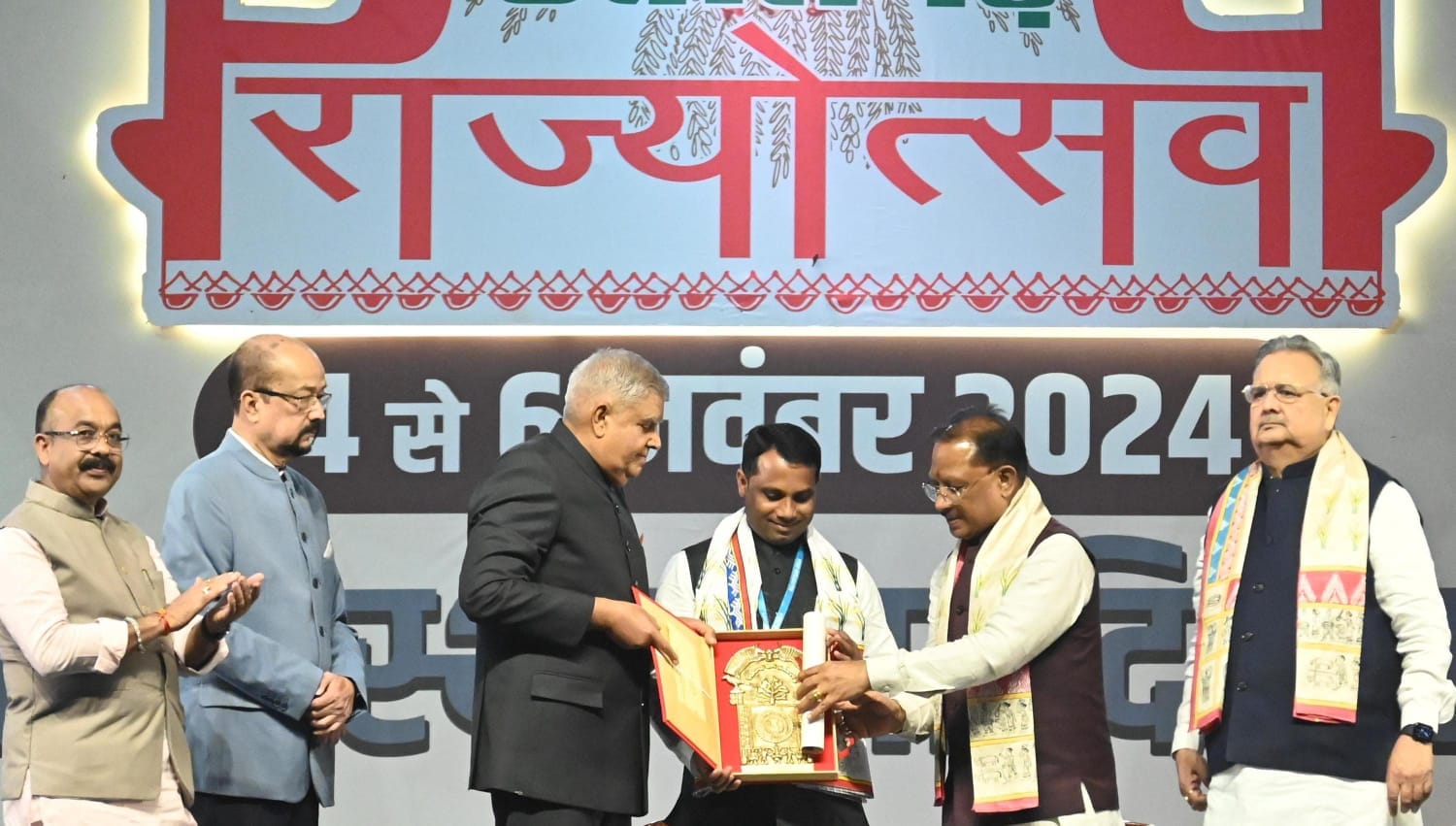
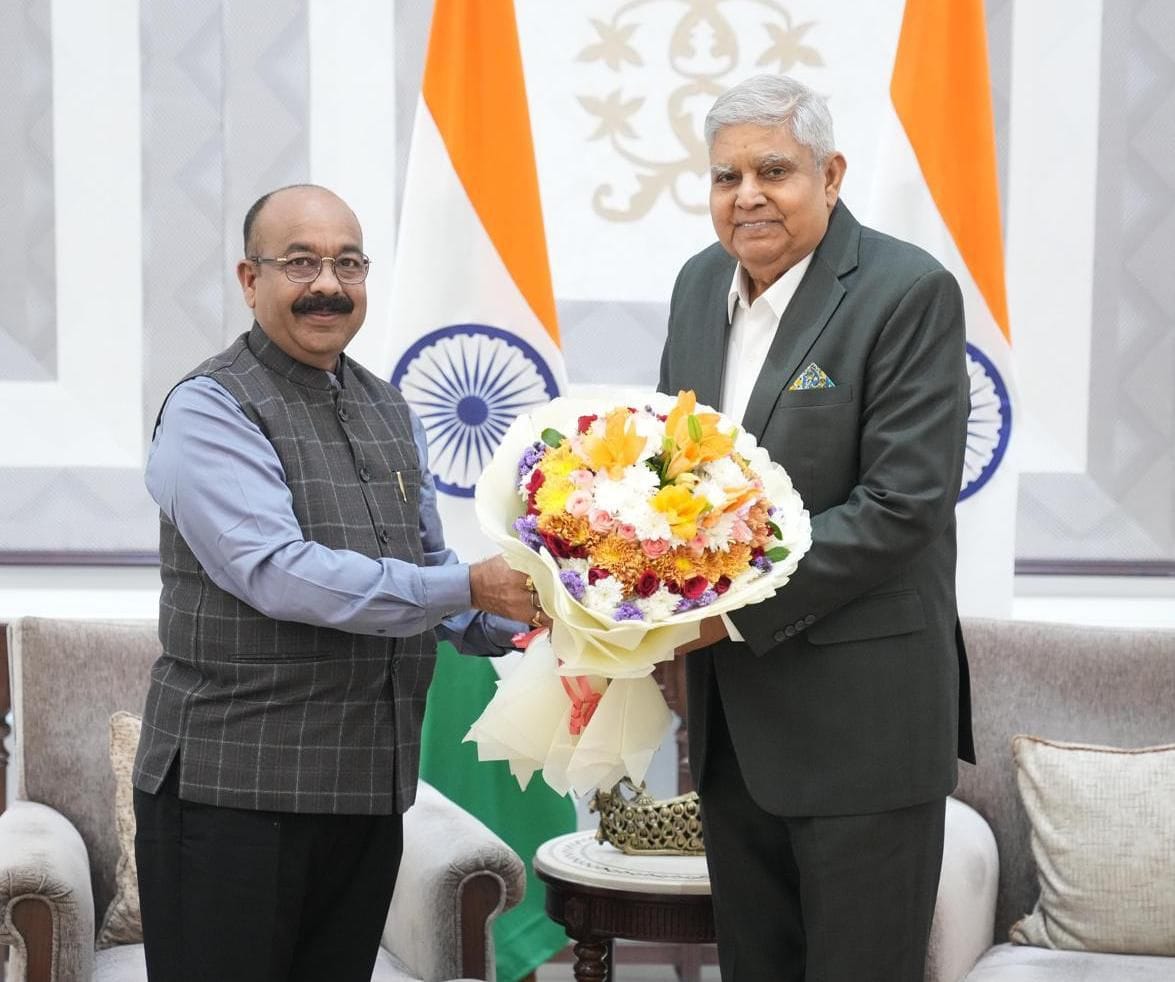
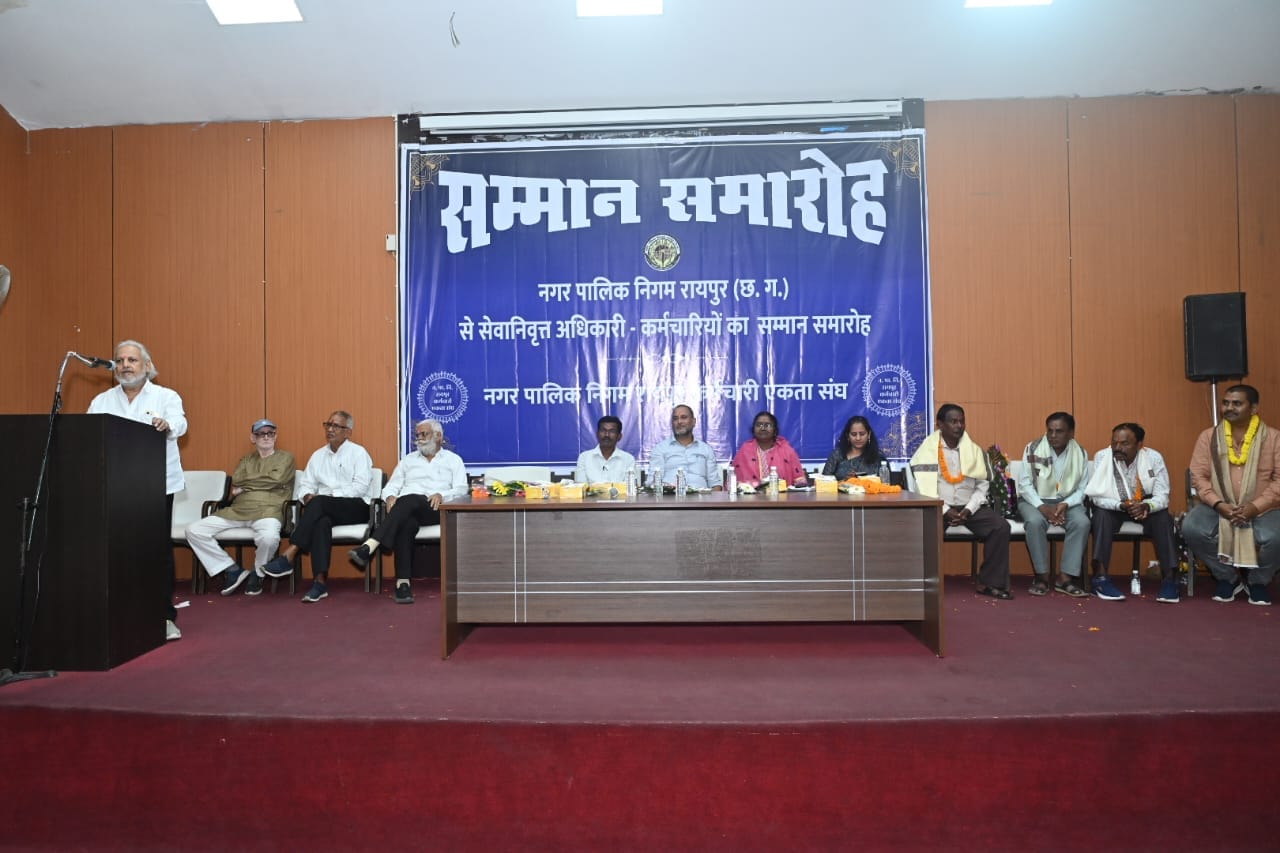
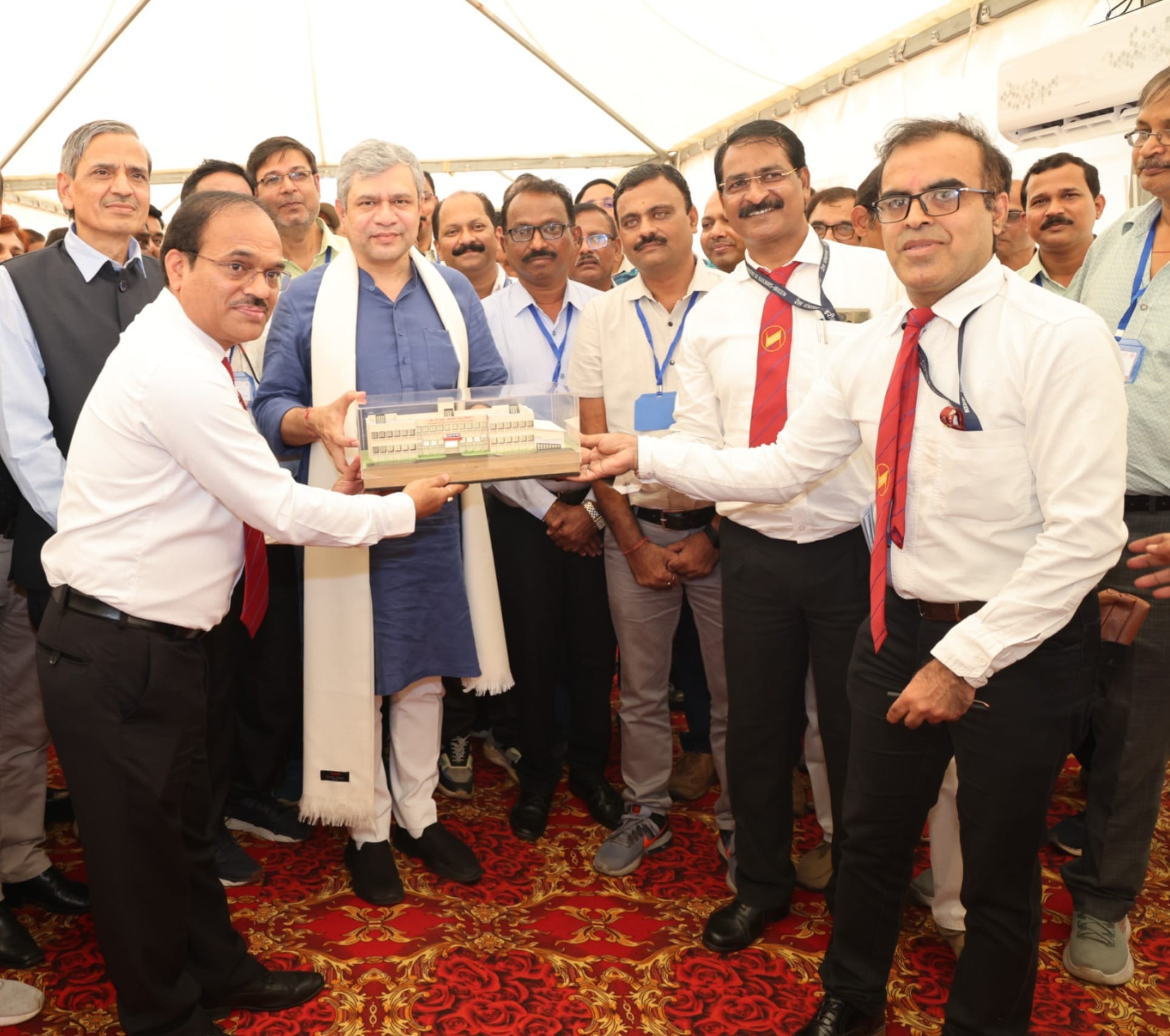
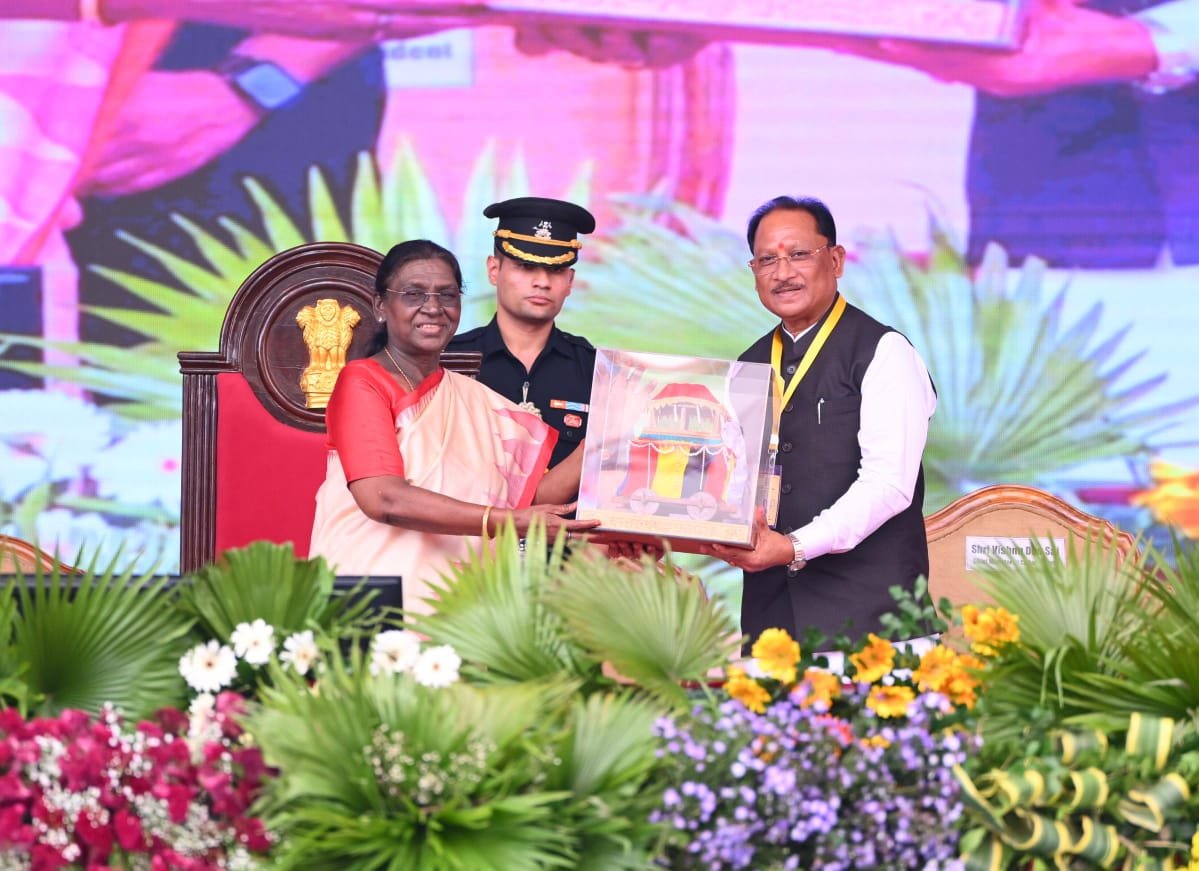
- At the end of the inaugural session, the guest speakers were honoured by presenting them mementos and state towels.
This national symposium is an important platform for heritage conservation experts, researchers, and participants to exchange experiences and ideas. Through the symposium-cum-training program, experts are sharing their experiences on various aspects of heritage conservation, and participants are being introduced to modern and scientific conservation methods. The program is fostering meaningful discussions toward developing heritage conservation as a shared responsibility of society and community, rather than a mere government responsibility.