
















- Dhananjay Rathore
- Joint Director, Public Relations
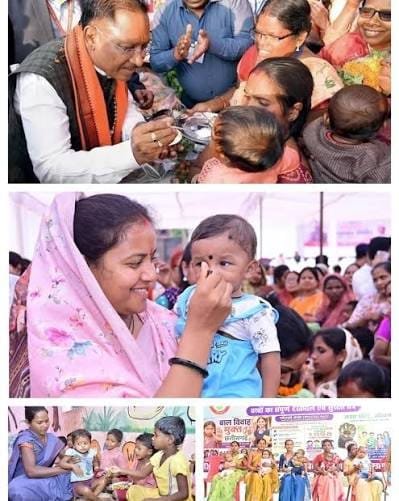
Childhood is a critical phase of life, where proper nutrition and health care determine their future. In a developing country like India, the Department of Health and Women and Child Development organizes “Shishu Suraksha Maah” to reduce the rate of malnutrition, anemia, and various infectious diseases among children aged 0 to 5 years. This is a special health campaign that acts as a strong shield to protect the health of newborns and young children. It is an important campaign launched to improve the health and nutrition level of children. A new phase of this campaign has started in the state of Chhattisgarh from August 18, 2026, under which special care is being provided to children between 9 months and 5 years of age.
- The main objective of the campaign
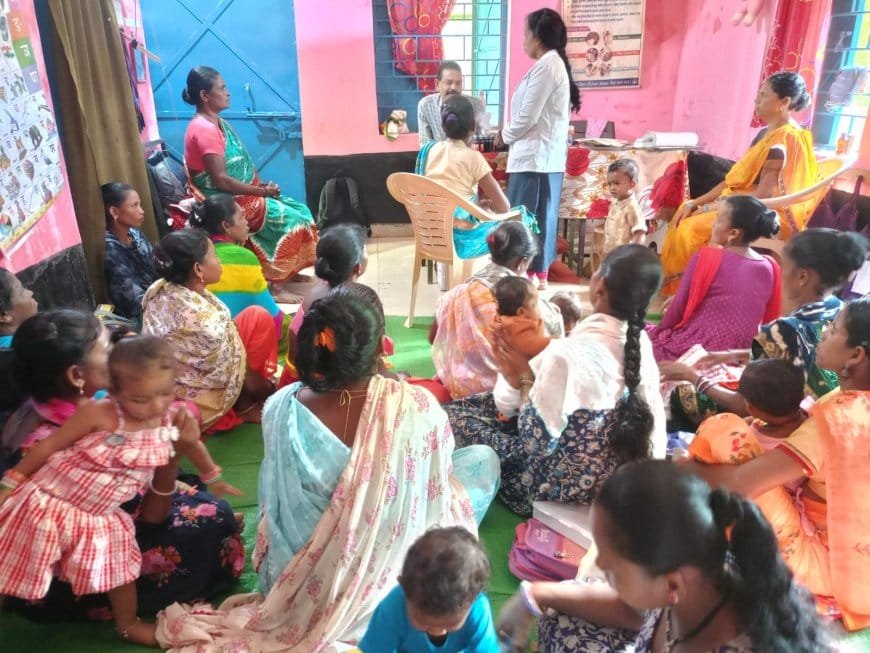
The primary goal of celebrating this special month is to reduce child mortality and the mortality rate among children under the age of 5. Additionally, early detection of illnesses in children, providing them with essential vitamins and minerals, and raising awareness among mothers about proper nutrition and hygiene are key objectives of this campaign.
- Key health services and activities
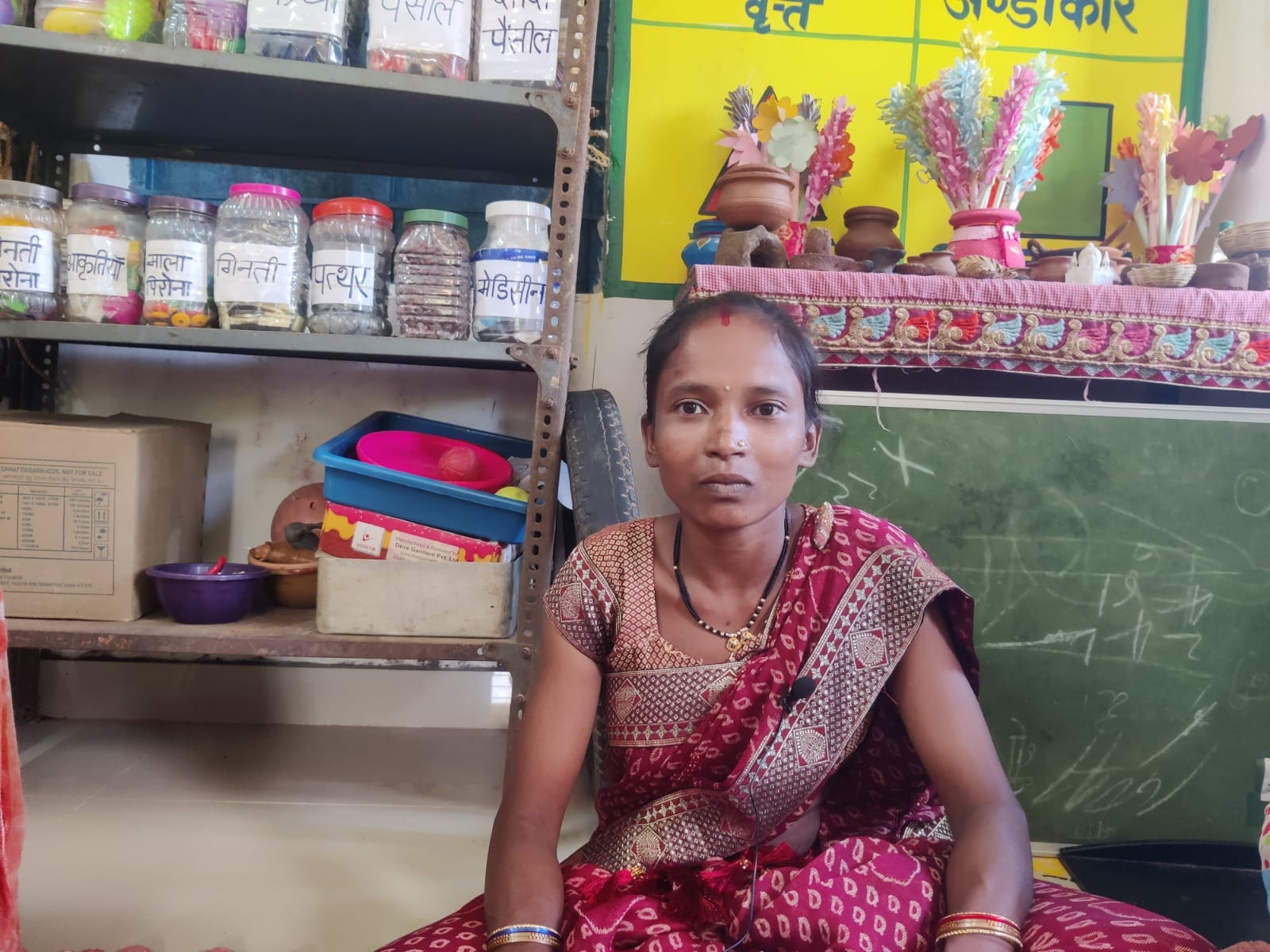
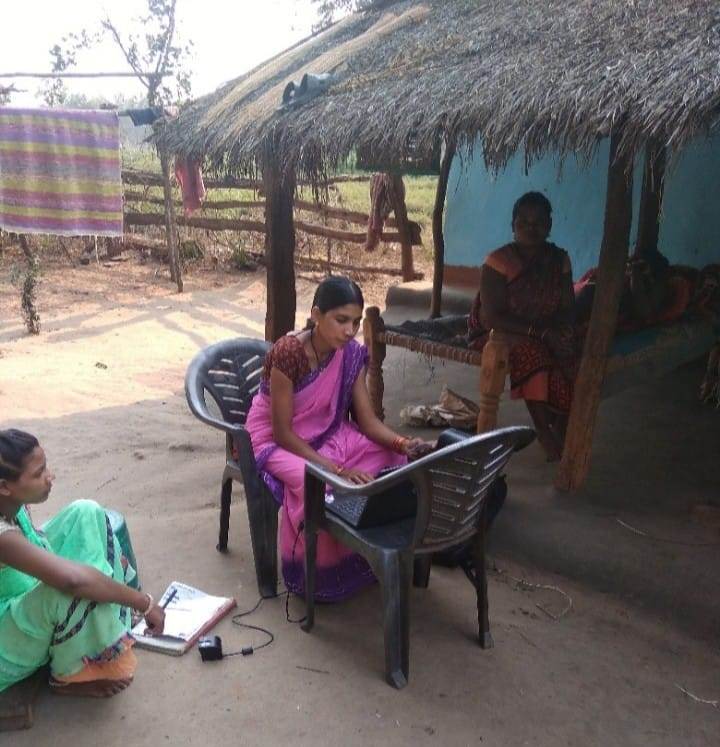
During Child Protection Month, services are provided through health centers and Anganwadi centers in villages and cities:
• Vitamin A supplementation: Children between 9 months and 5 years of age are given vitamin A supplements to protect them from eye diseases like night blindness and to boost their immunity.
• Anemia prevention: Iron and folic acid (IFA) syrup is distributed to children between 6 months and 5 years of age to protect them from anemia.
• Complete immunization: Children who have missed their regular vaccinations are vaccinated against life-threatening diseases like measles, rubella, polio, whooping cough, and tetanus.
• Malnutrition identification and treatment: Severely malnourished and moderately malnourished children are identified by measuring their weight and height at the Anganwadi level. If necessary, severely malnourished children are referred to a nutrition rehabilitation center.
• Diarrhoea control and ORS distribution: ORS packets and zinc tablets are given to mothers to prevent dehydration in children.

- Awareness and counselling sessions
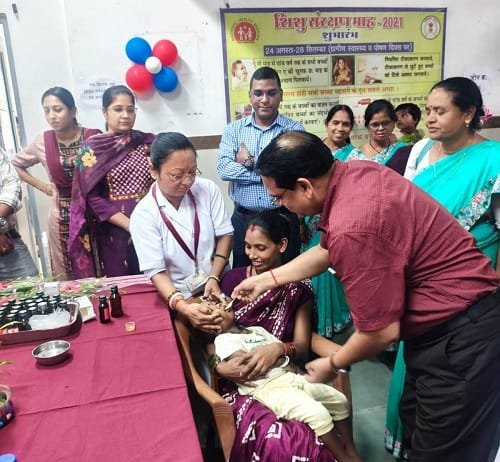
This campaign isn’t just about providing medicines, but also about changing the behavior of mothers and families:
• Importance of breastfeeding: Mothers are encouraged to breastfeed their baby immediately after birth (within 1 hour) and to exclusively breastfeed for the first 6 months.
• Introduction of complementary foods: After the baby reaches 6 months of age, it’s recommended to offer complementary foods (complementary foods) in the right quantity and quality, along with breastfeeding. Between 6 and 12 months of age, your baby will begin eating nutritious solid foods, but breast milk remains an important source of nutrition. When your baby weans from breast milk or formula, feed them slowly and patiently. Let them try new flavors, but don’t force them. When your baby starts eating solid foods, cut the food into small pieces to prevent choking.
• Read, talk, and sing to your baby to help their brain develop.
• Provide your baby with adequate sleep opportunities – The recommended amount of sleep for babies 4 to 12 months is 12 to 16 hours per day (including naps) in a 24-hour period.
• Keeping your baby active is crucial for their development. Engage in physical activities to keep them moving throughout the day. Playing on the floor strengthens them and helps them learn to understand and explore the world.
• Hygiene and sanitation: Proper handwashing habits and the importance of cleanliness in child care are discussed, helping to prevent infections.
• Keeping your baby active is crucial for their development. Engage in physical activities to keep them moving throughout the day. Playing on the floor strengthens them and helps them learn to understand and explore the world.
• Devices that restrain a baby can hinder their development. Don’t keep your baby in a swing, stroller, bouncing seat, exercise saucer, or any other restraining device for long periods of time. Take them out and let them explore.
Child Protection Month is not just a government program, but a time for every family and society to realize their responsibility towards their children. Only when every segment of society—health workers, Mitanin/Asha, Anganwadi workers, and parents—work together will we be able to create a healthy, malnutrition-free, and empowered generation.