




























- Instead of chasing a job, he made farming a profitable venture, earning over ₹8 lakh annually from integrated organic farming on 10 acres.
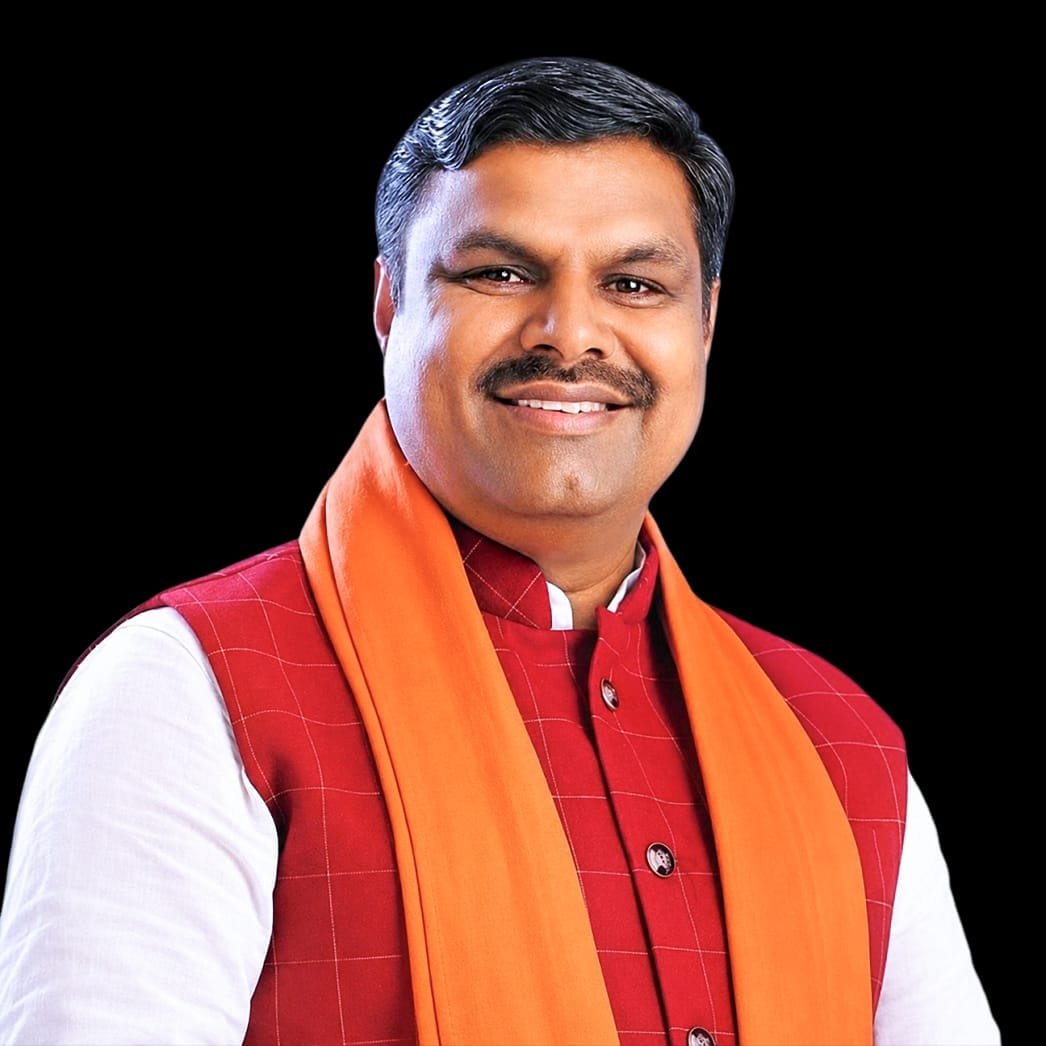
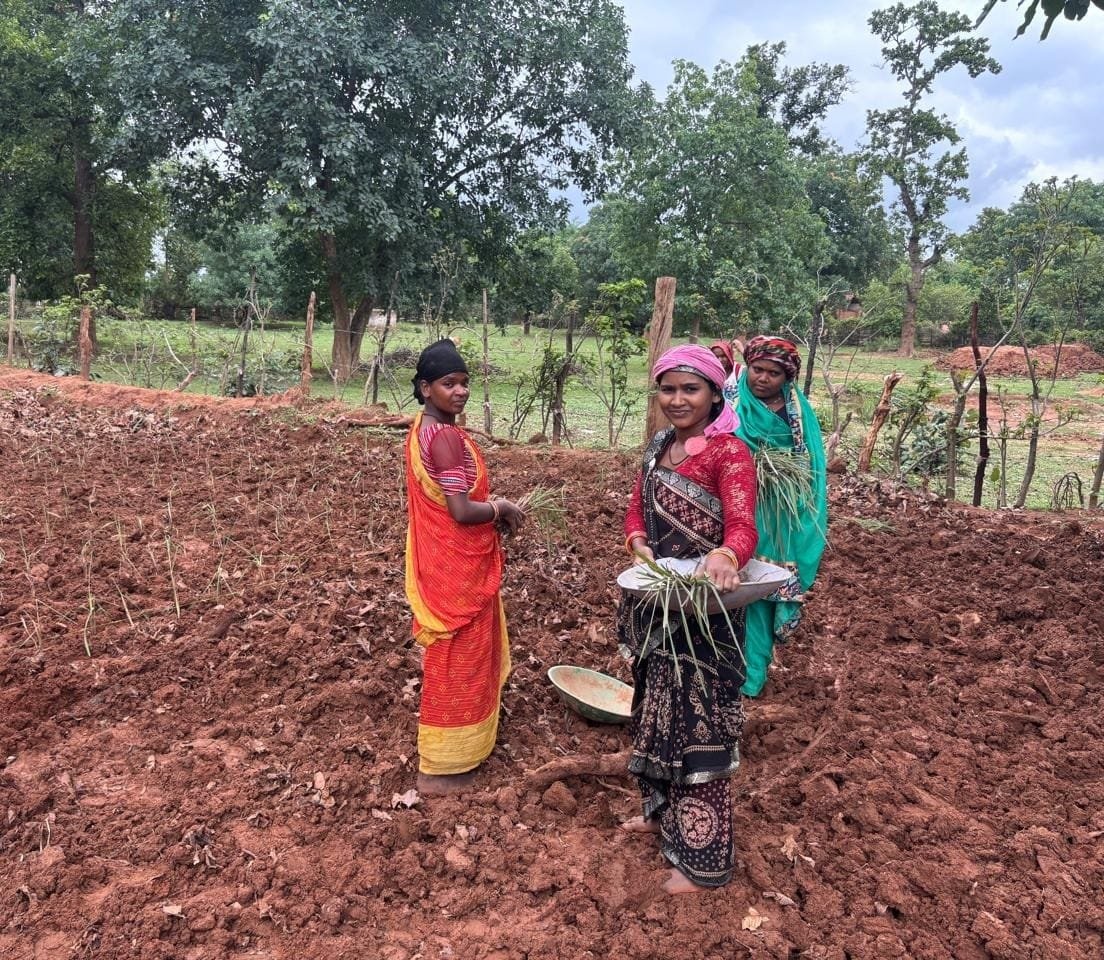
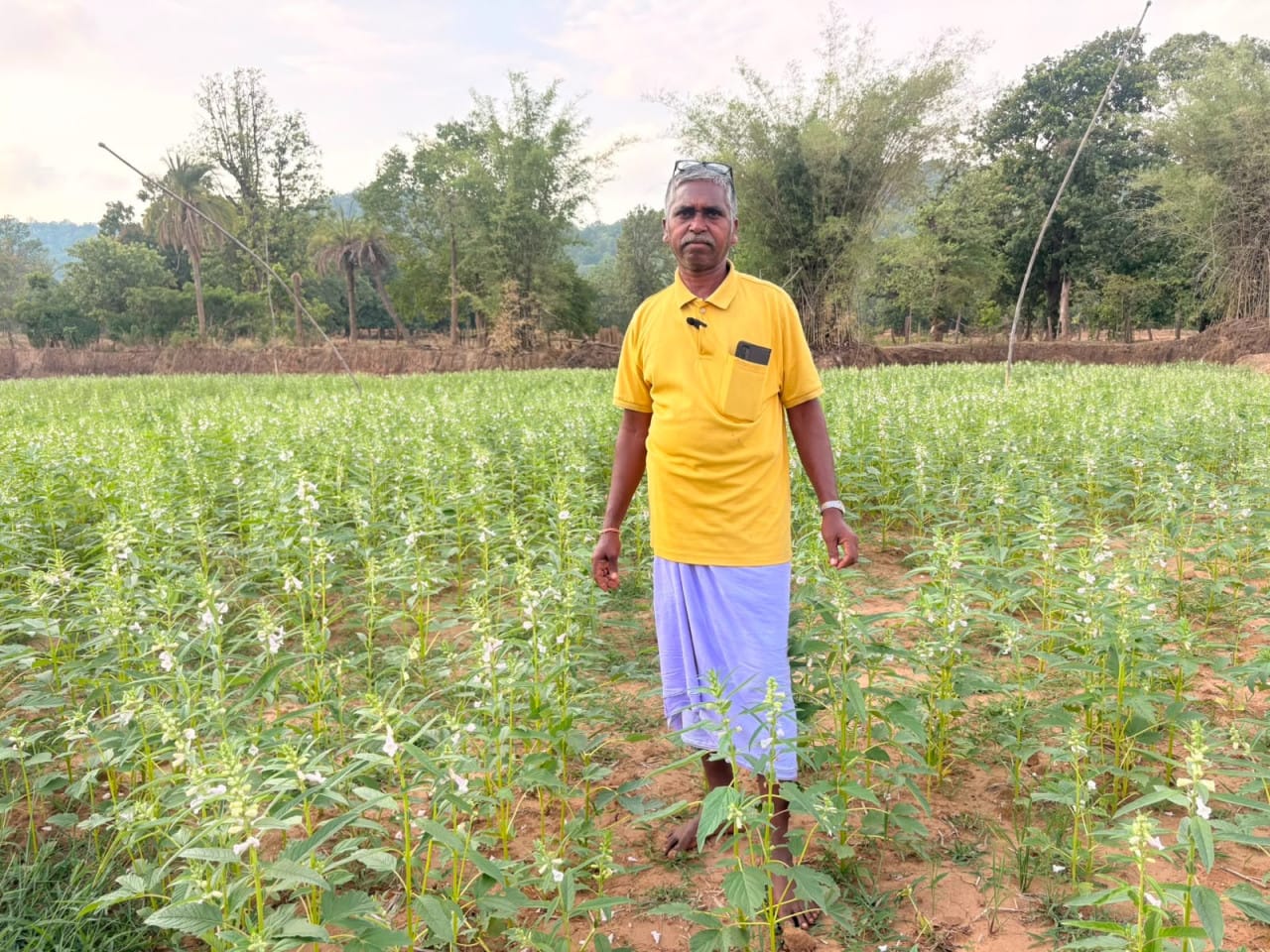
The saying goes that where there’s a will, there’s a way. This has been proven true by Mr. Sonu Ram Dhruv, a progressive farmer from Chichgaon village in Amabeda tehsil, a remote forest region of Kanker district, once affected by Maoism. Despite being highly educated, he resolved to serve his motherland instead of joining the blind race for a job. Today, with his scientific thinking, determination, and coordination with government schemes, he has become a major source of inspiration for the farmers of the region.
- After higher education, he chose the path of farming.
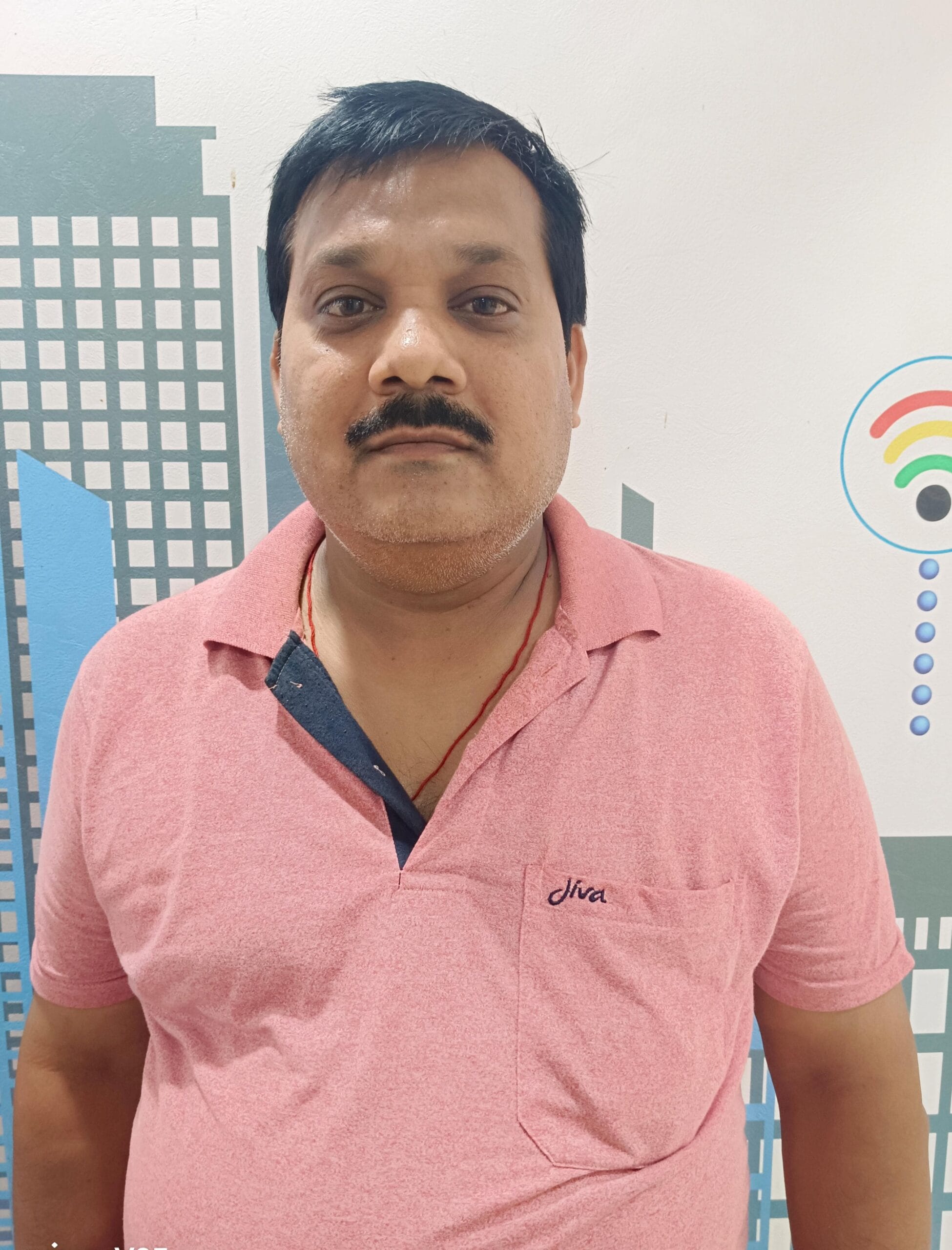
Sonuram Dhruv holds a Master’s (MA) in Economics. He used his education not to find a job, but to improve the economics of farming. He owns approximately 10 acres of agricultural land. He abandoned traditional farming practices and adopted modern technology and organic methods, making him a self-reliant and successful farmer.
- The journey began in 2015, and now they are certified farmers.
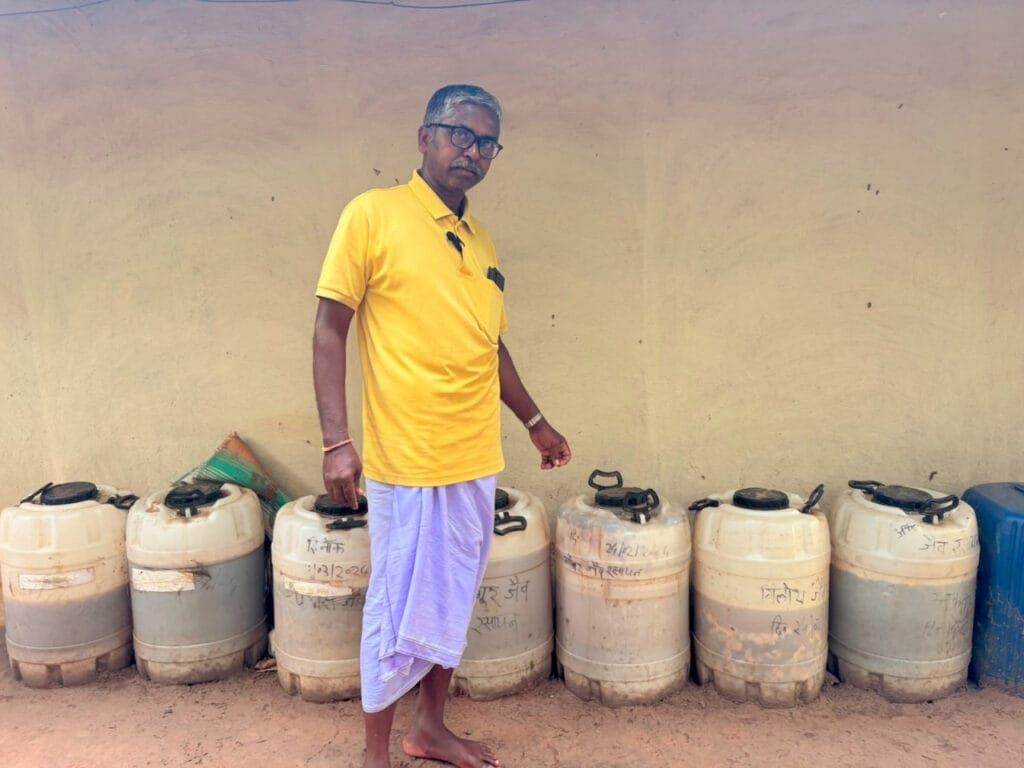
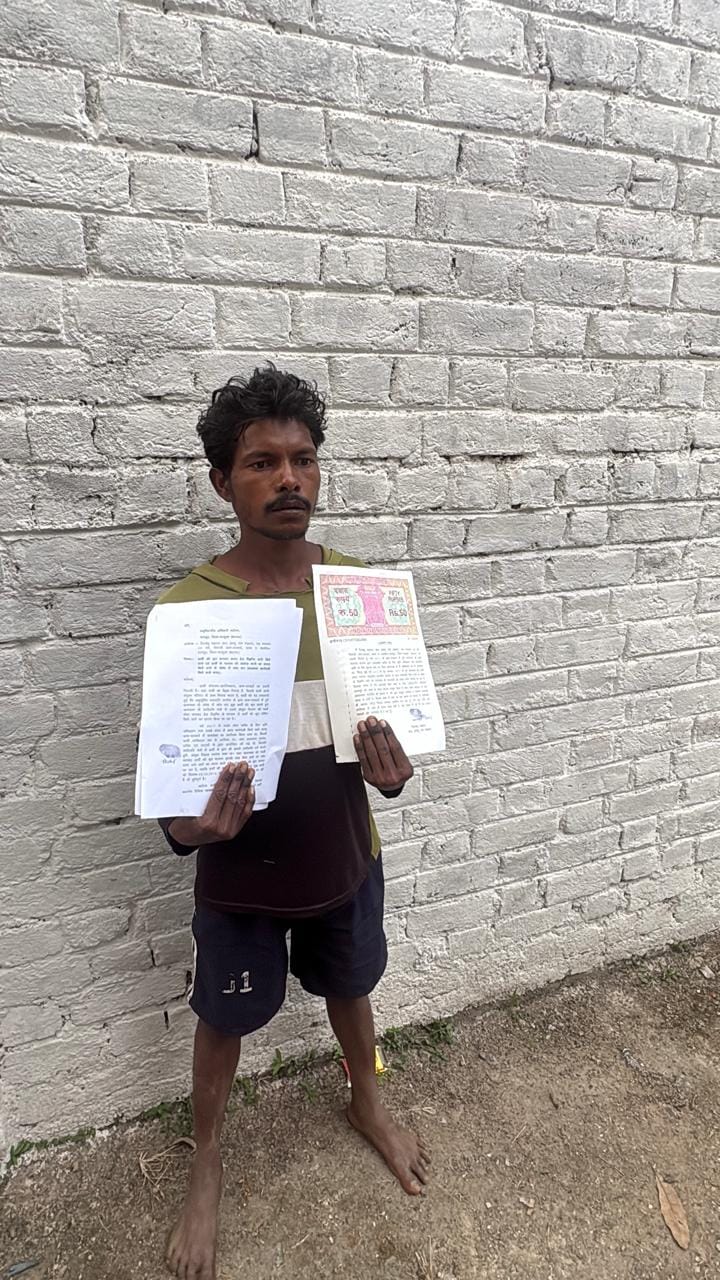
Sonuram began organic farming nearly 11 years ago, in 2015. He faced challenges initially, but he never gave up. Through his hard work, he is now a certified farmer under the National Programme for Organic Production (NPOP). He was awarded the organic farming certificate after thorough inspection by the Chhattisgarh Certification Committee (CGOCERT) and the Indian Forestry and Agriculture Corporation.

- Increased income through drip irrigation and integrated farming
Sonu Ram follows Integrated Farming System in his 10 acre farm, under which he grows various types of crops:
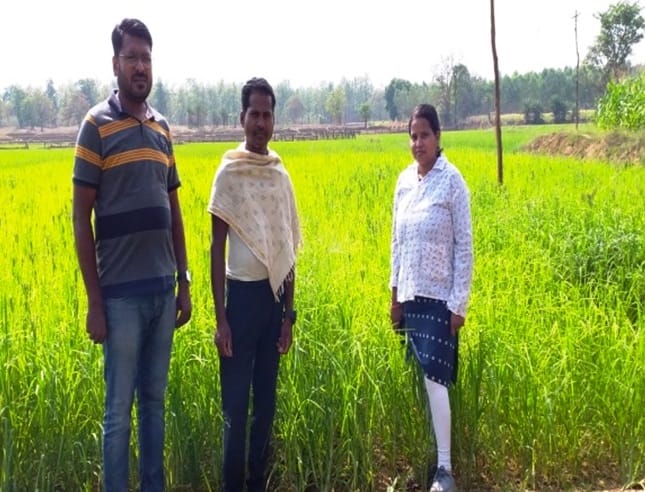
Organic Chinnor and Black Rice: In about 4 acres, he grows 100% organic aromatic Chinnor rice and black rice rich in medicinal properties.
Spices and Cash Crops: This year, he planted 400 black pepper plants in his field, which have started bearing fruits. He also cultivates wheat, black gram, horse gram, finger millet, and medicinal black turmeric.
Cattle Farming and Horticulture: Along with crops, he also cultivates mango orchards and cow rearing, which makes it easier to obtain the necessary fertilizers for his farm.
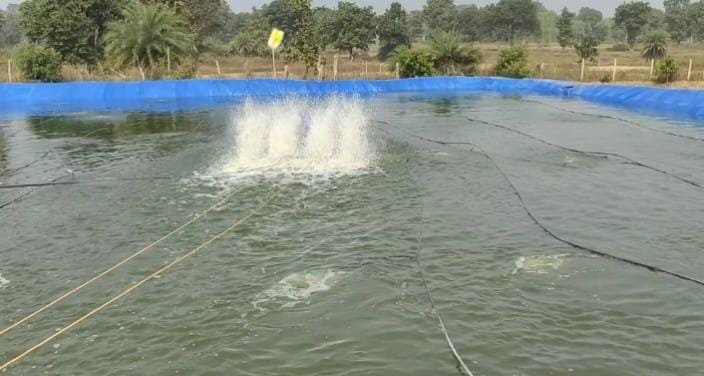
Modern Water Management: He has adopted the drip irrigation system in his fields, which results in abundant and better crop production even with less water.
- Tree Ayurveda and the balance of the five elements
Sonu Ram uses the Tarachand Belji technique in his farming, which focuses on natural farming based on Vriksha Ayurveda. This method works on the principles of the five elements (earth, sky, air, fire, and water). He believes that farming in harmony with the elements of nature not only improves soil health but also results in more nutritious and high-quality crops.
- Prepare fertilizers and pesticides at home
Sonu Ram doesn’t rely on expensive chemical fertilizers from the market. He produces his own organic solutions, biomass, and organic pesticides from locally available resources like lemon, papaya, myrobalan, and other plants on his farm and nearby. This has significantly reduced his input costs.
- Soil health improved, rice now sells for Rs 150 per kg
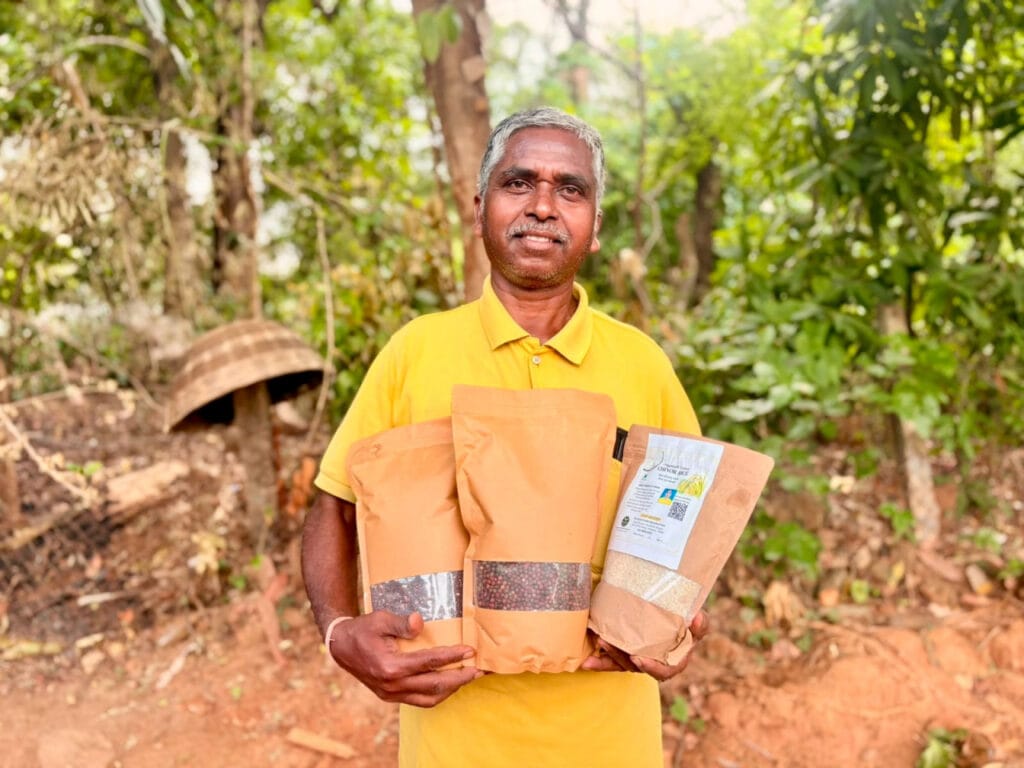
Sonuram was deeply inspired by Prime Minister Narendra Modi’s call to “reduce costs and increase profits” and his message to promote organic farming. Soil Health Card and Soil Improvement: After soil testing revealed low carbon content, Sonuram began cultivating sesame in his field. After harvesting, he incorporates the crop residue into the soil, balancing the soil’s organic carbon and pH levels.
Excellent Yield and Profit: During the Kharif season, he produces approximately 20 quintals of paddy per acre. His 100% organic Chinnor rice sells for as high as ₹150 per kilogram in the market.
Annual Income: Through all these agricultural activities and the active support of his entire family, Sonuram earns a net income of over ₹8 lakh per year.
- Role model for forest farmers
Once a resident of remote Chichgaon, Sonuram Dhruv has proven that a scientific approach, the benefits of government programs, and traditional knowledge can unlock prosperity even in rural areas. Today, he inspires and trains dozens of other farmers in his area to abandon chemical farming and adopt organic and natural farming.