


































Nestled among the dense forests and tranquil valleys of Chhattisgarh, Narayanpur district is today forging a new and golden identity in the field of silk production. The “Tassar Silk Development and Extension Program,” run by the Silk Department here, has become a silent but highly effective means of economic revolution in the lives of local tribal families. Villagers who once relied on traditional farming and manual labor, forced to migrate due to lack of local employment, are now writing a new chapter of self-reliance by harvesting three crops a year in their own homes.
- Eggs available for just Rs 2, Cocoon Bank eliminates middlemen
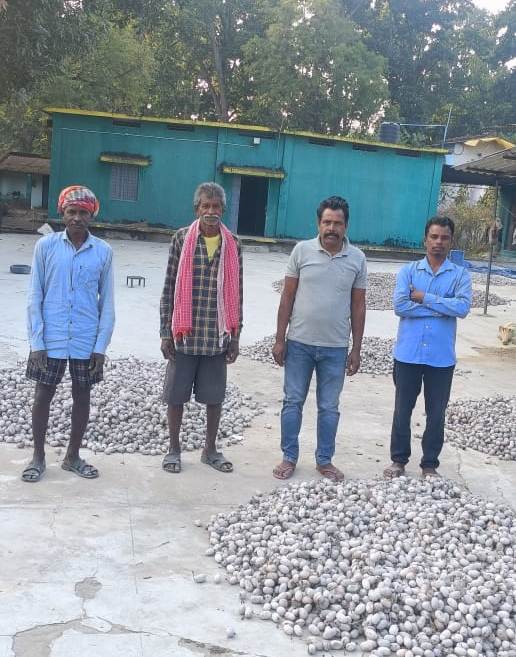
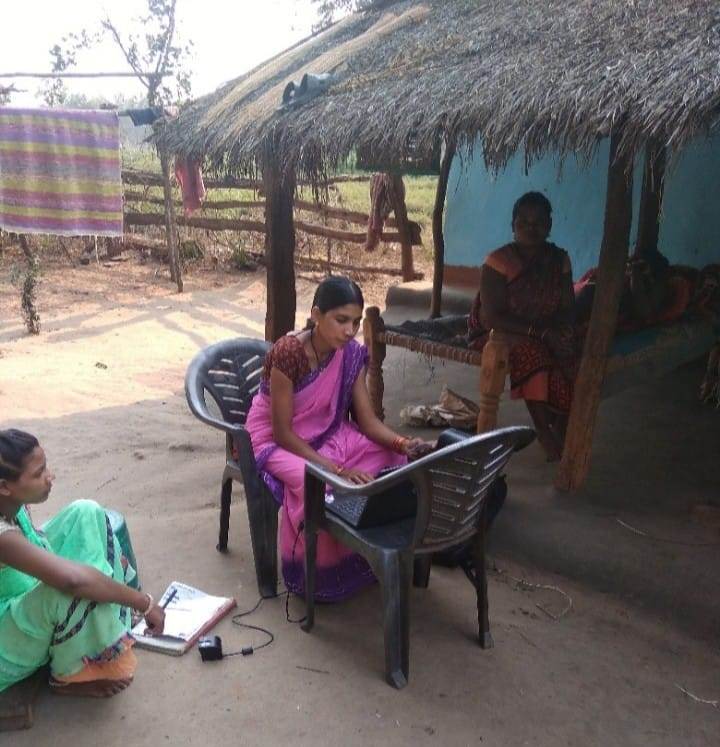
The Silk Department has made this entire system extremely accessible and transparent. The department is facilitating the rearing of tussar silkworms in its plantation areas through women and men’s self-help groups. To avoid any initial financial burden on the villagers, the department provides tussar silkworm eggs at a nominal subsidy of just 2 rupees. Beneficiaries diligently rear these silkworms for approximately 45 to 50 days, after which shiny cocoons (cocoons) appear on the trees. Villagers do not have to travel to markets to sell their produce. The department has established a “Cocoon Bank,” where cocoons are safely purchased at fixed rates set by the government.
- Large production in village Doomratari, every hand got a big income
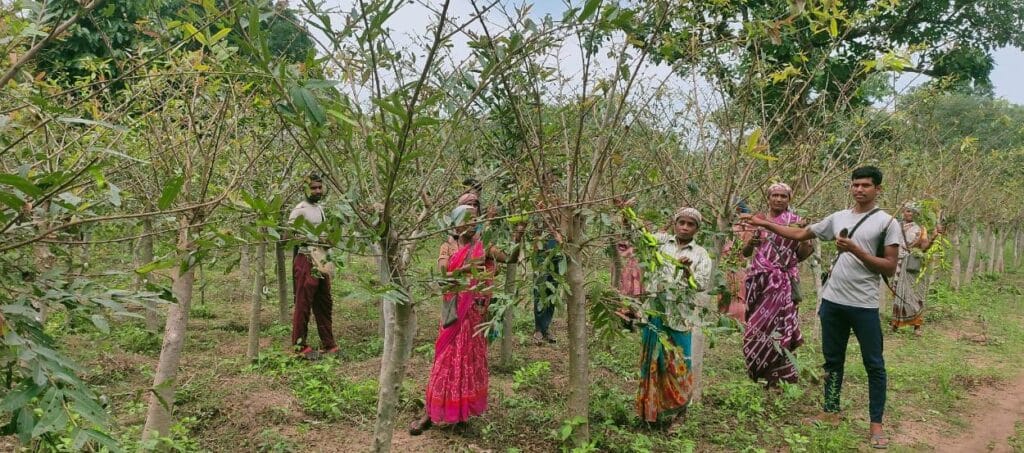
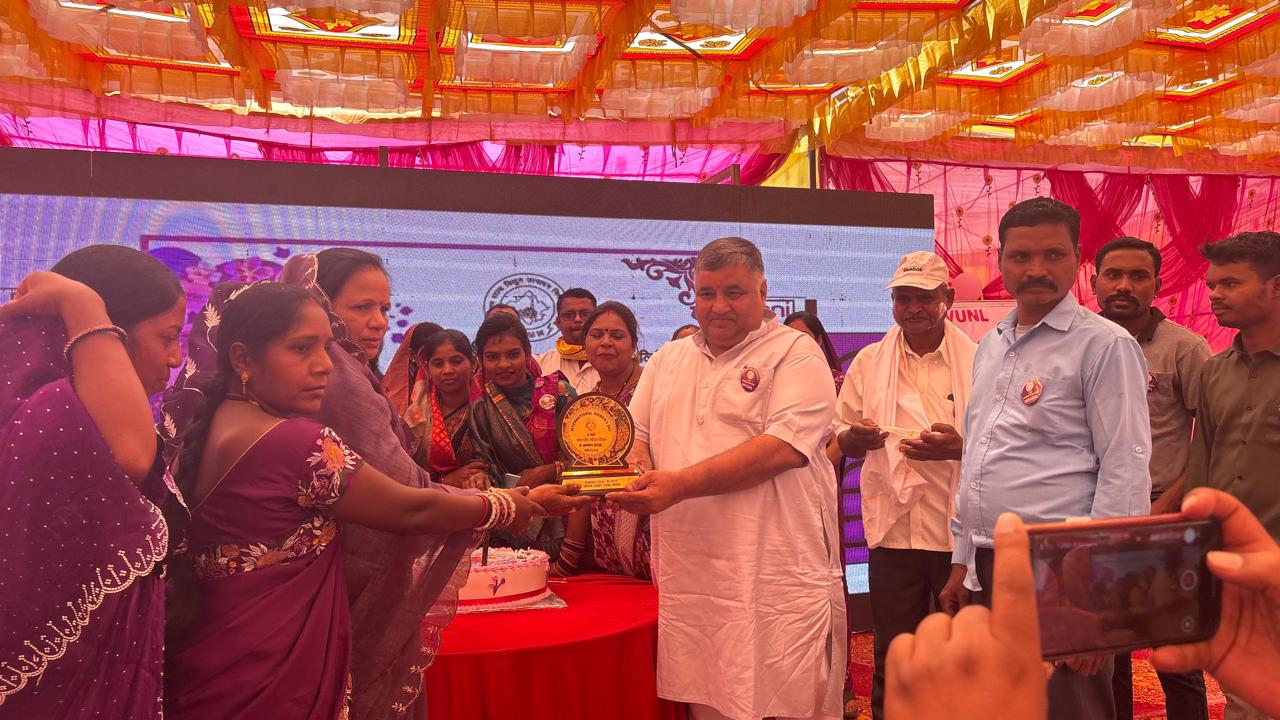
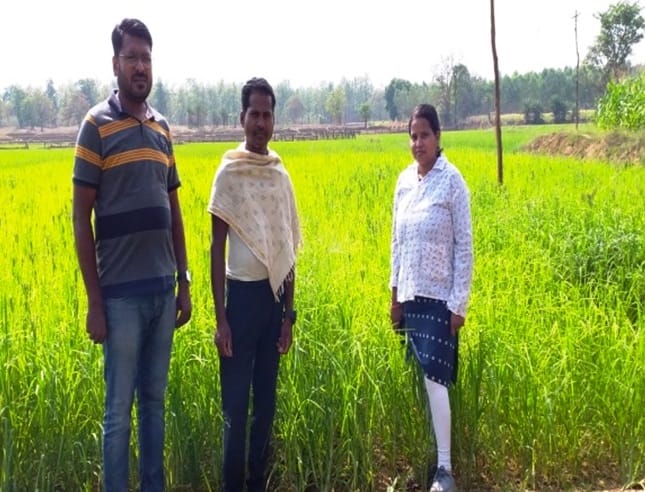
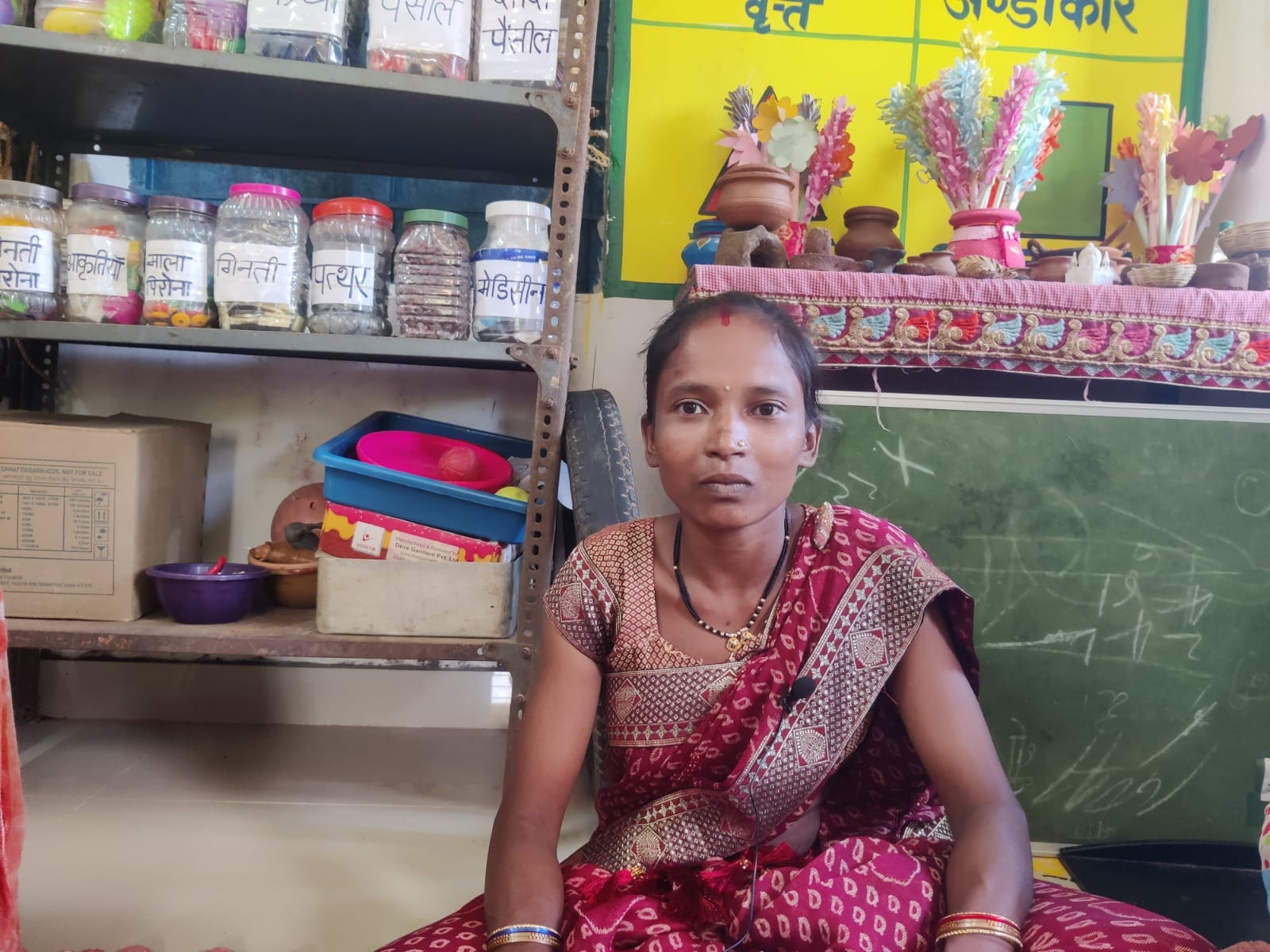
The most vibrant and beautiful example of this scheme’s success was seen at the tussar center in Doomratari village, Narayanpur. During the current financial year 2025-26, 15 local villagers (including 10 women and 5 men, setting an example of women’s empowerment) jointly took up the responsibility of rearing silkworms. Through their collective hard work, this group produced a total of 211,167 silkworms.

- Millions of income
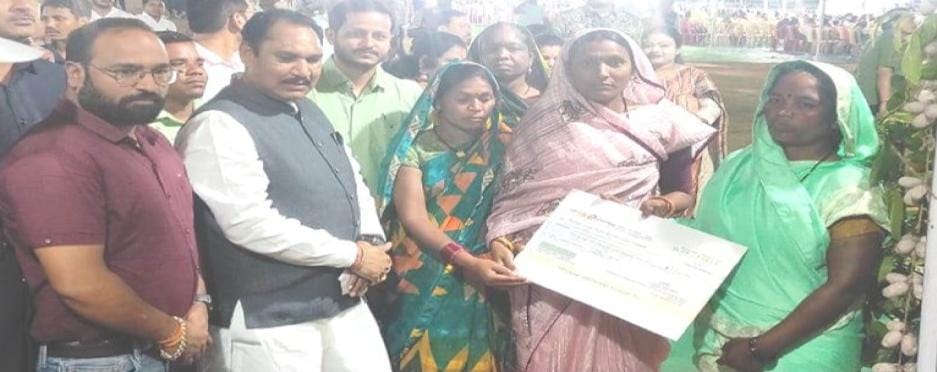
By selling this crop to the Cocoon Bank, the entire group earned a substantial total income of ₹934,927. Direct payments into accounts resulted in an average additional income of ₹62,328 per beneficiary within just a few months. Due to the government’s transparency, the entire amount was deposited directly into the beneficiaries’ bank accounts, completely eliminating the fear of middlemen and the hassle of delayed payments.
- Employment is available throughout the year, not just for 50 days
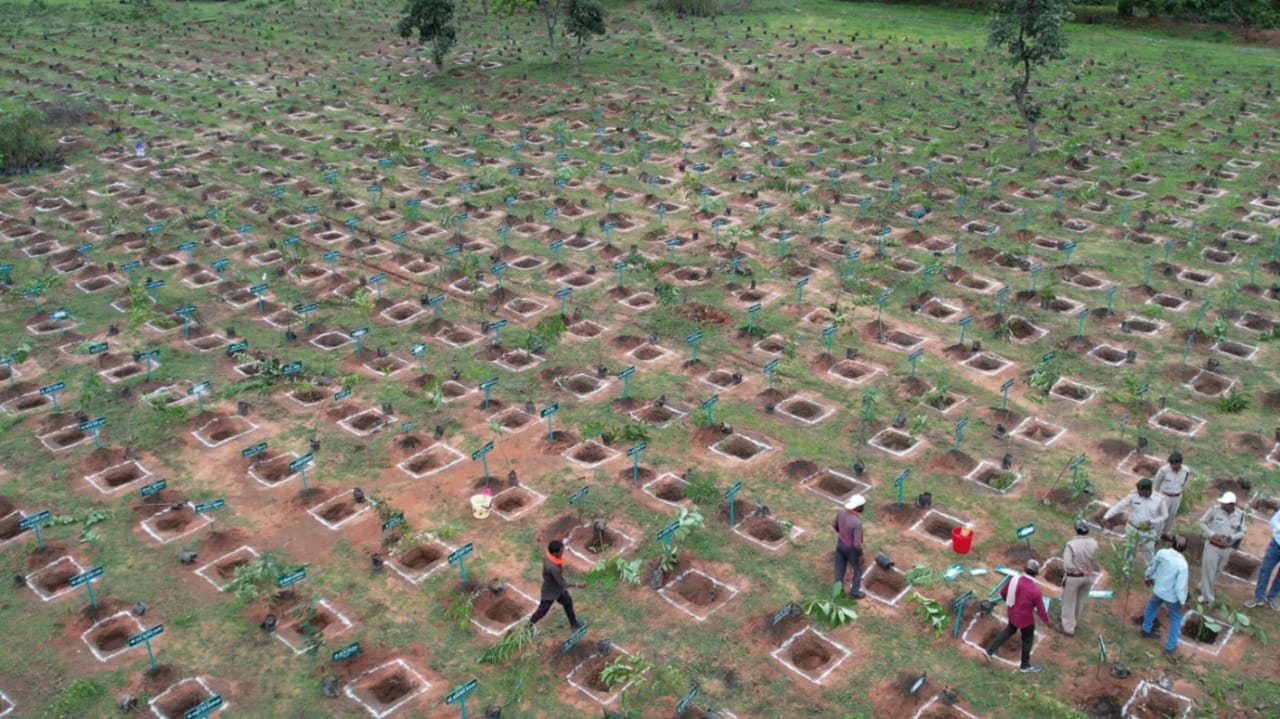
The greatest advantage of the Tussar Silk Scheme is that it doesn’t limit villagers to just 50 days of silkworm rearing, but rather provides them with complete year-round support. Even after the silkworm rearing season ends, these villagers continue to find local employment through tasks like weeding, hoeing, and plant maintenance in the department’s forests.
The economic situation of rural families in Narayanpur is now stronger than ever. With money flowing directly into the hands of women, their self-confidence and social participation have rapidly increased. Once struggling to meet basic needs, this region of Narayanpur is now weaving its own story of self-reliance with the threads of tussar silk and has become a role model for livelihoods across the Bastar region.