











- Article by S.R.Parashar, Deputy Director
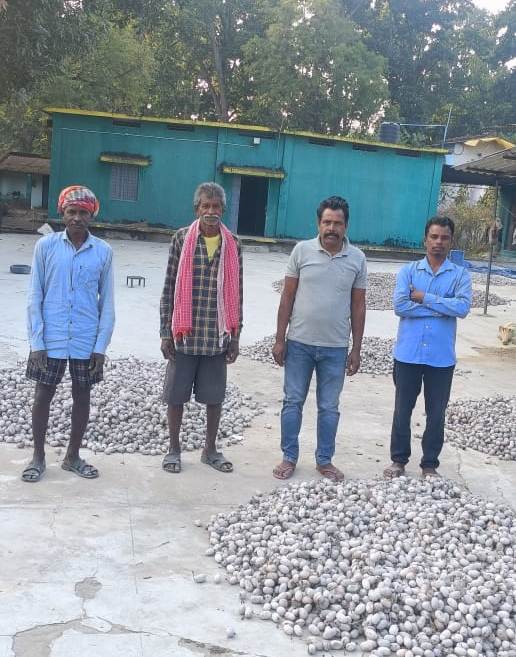
The State Government and the Government of India’s schemes for the overall development of Particularly Vulnerable Tribal Groups (PVTGs) are being effectively implemented in Dhamtari district. The district administration is taking several important initiatives to empower the Kamar community, a particularly vulnerable tribe, with self-reliance, new livelihood opportunities, and socio-economic empowerment. In this regard, modern commercial complexes will be constructed for the Kamar community in various areas of the district, enabling them to establish self-employment and increase their income.
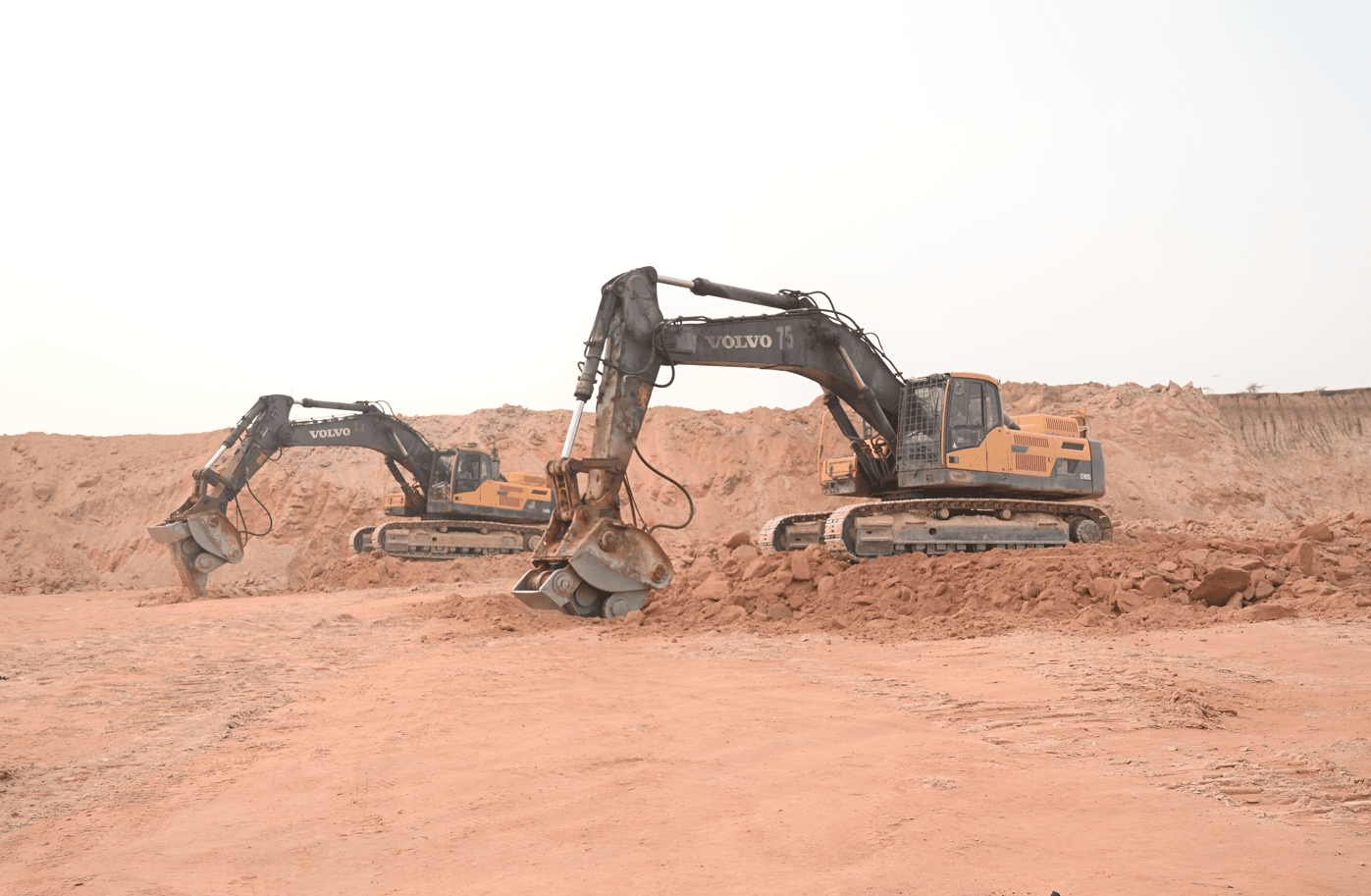
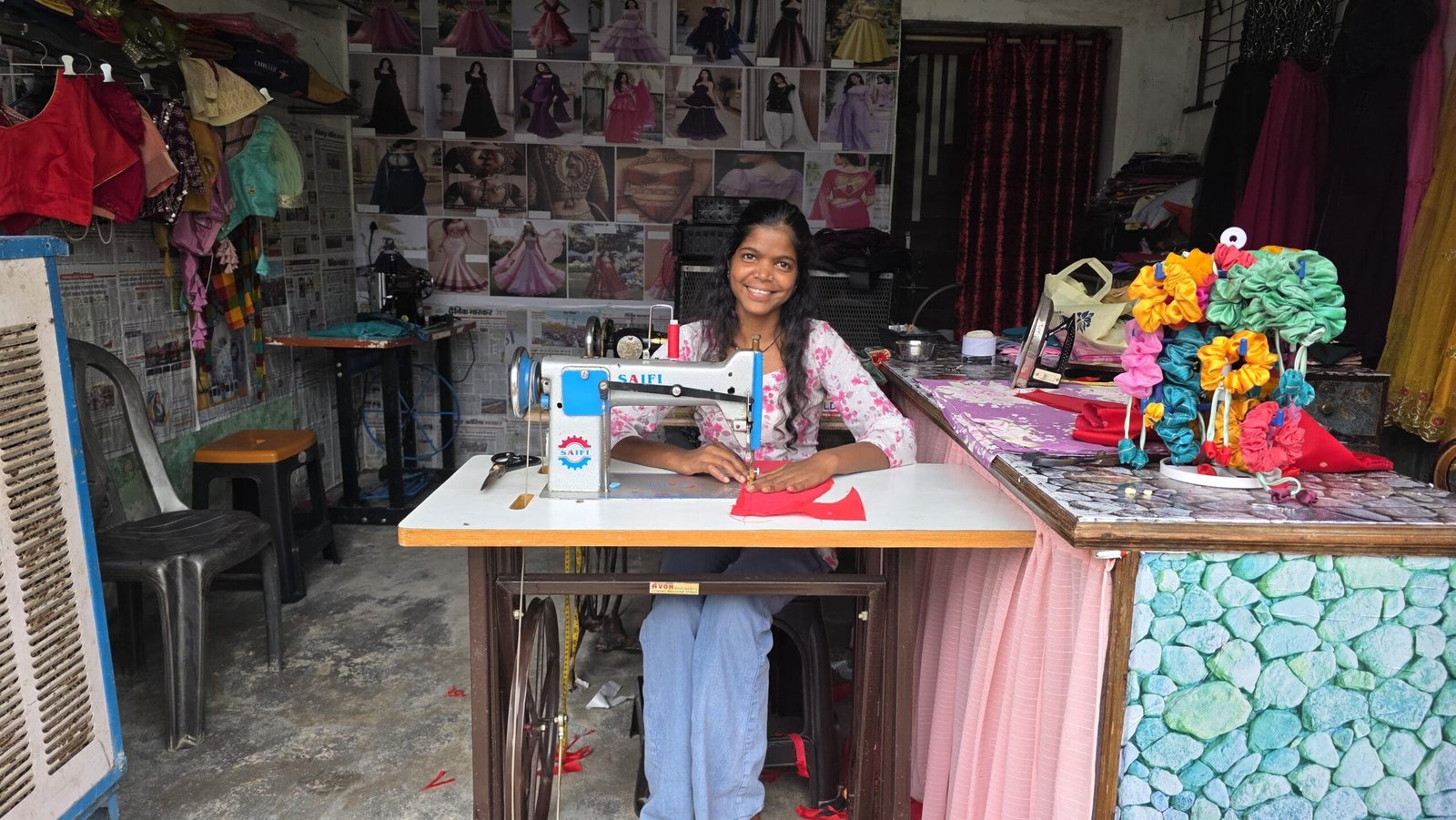
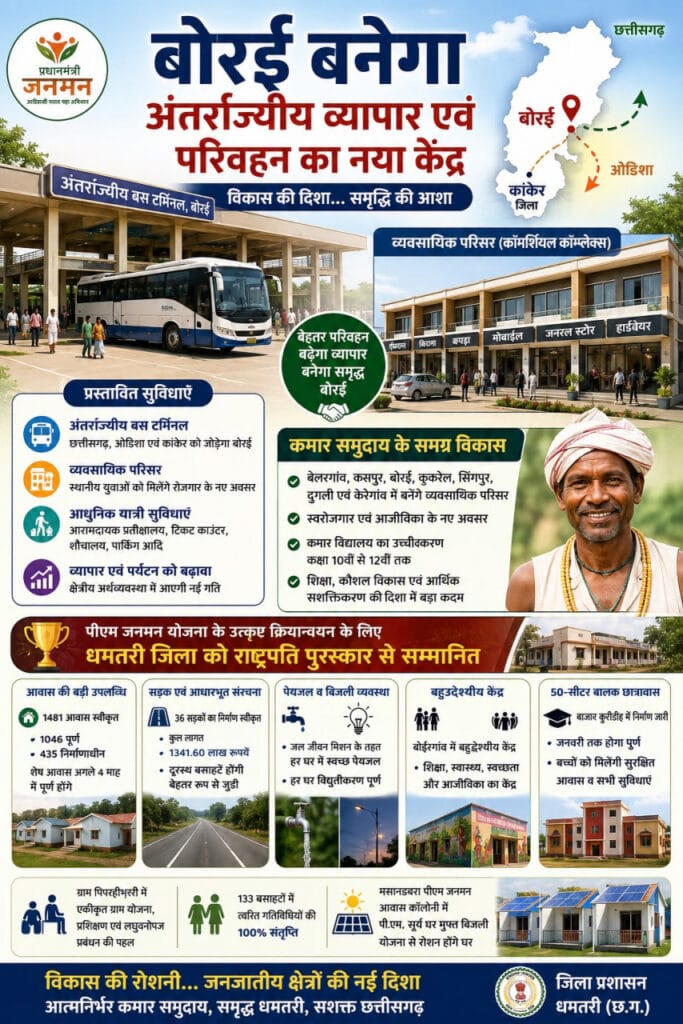
These commercial complexes, proposed by the district administration, will be constructed in Belargaon, Kaspur, Borai, Kukrel, Singpur, Dugli, and Kergaon. Beneficiaries from the Kamar community will be able to operate shops within these complexes according to their needs and interests. This will provide them with employment opportunities locally, increase their participation in economic activities, and strengthen the resolve for a self-reliant India.
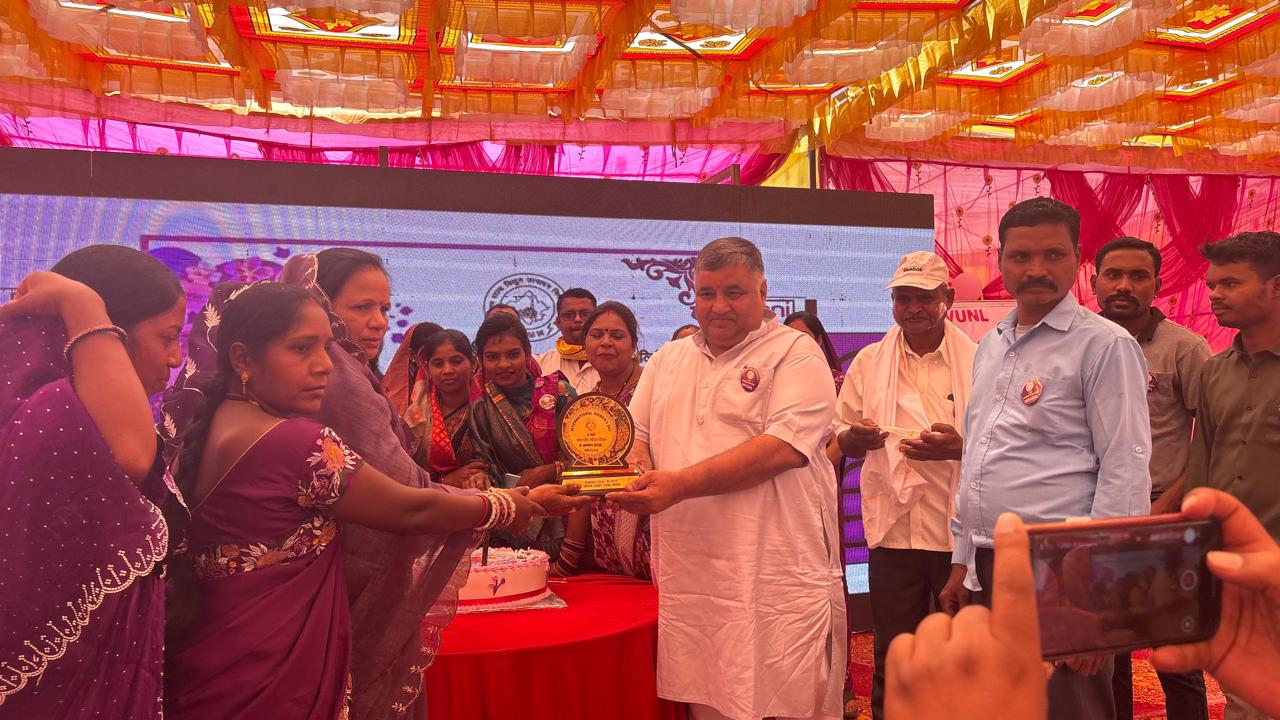
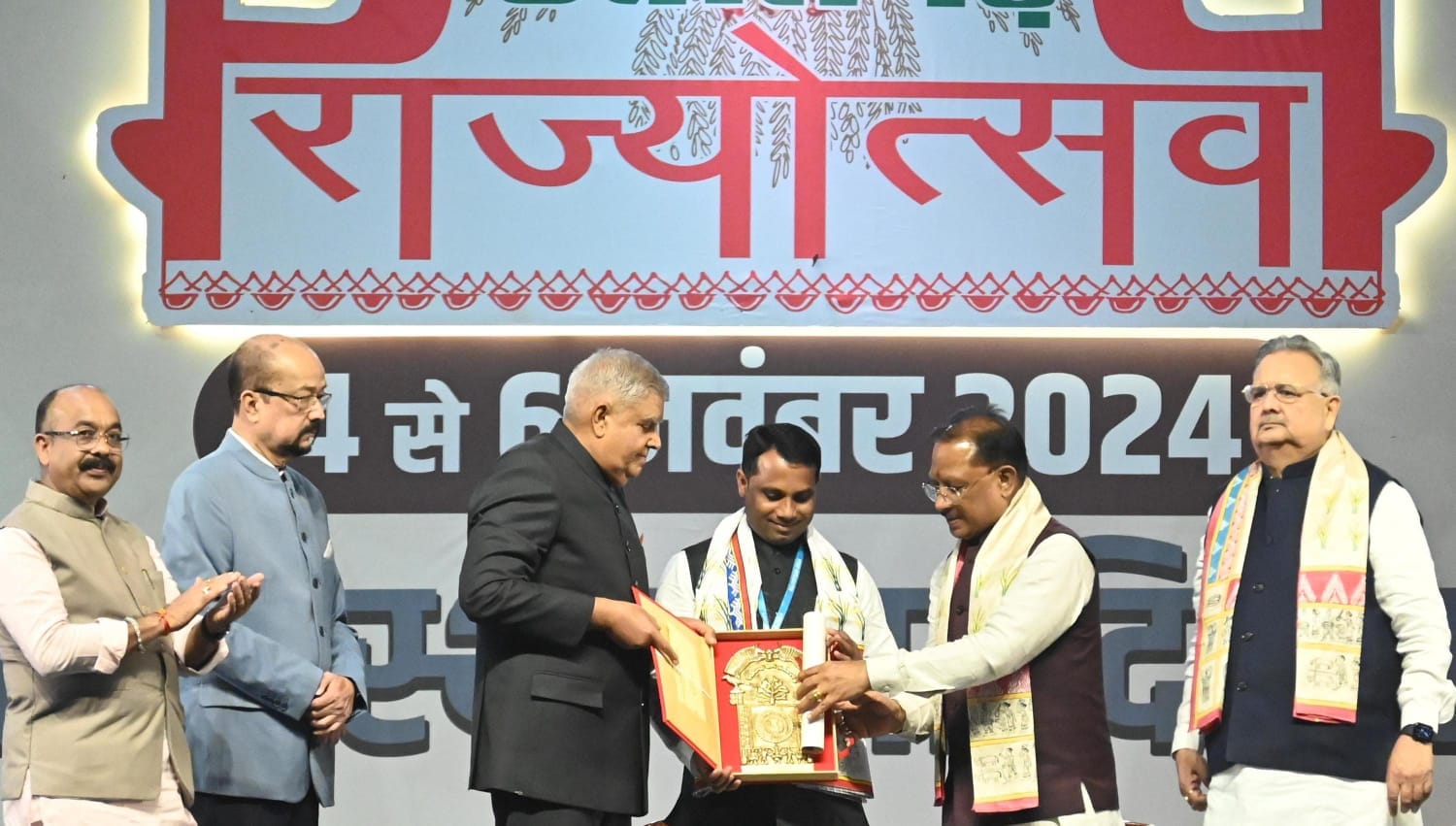
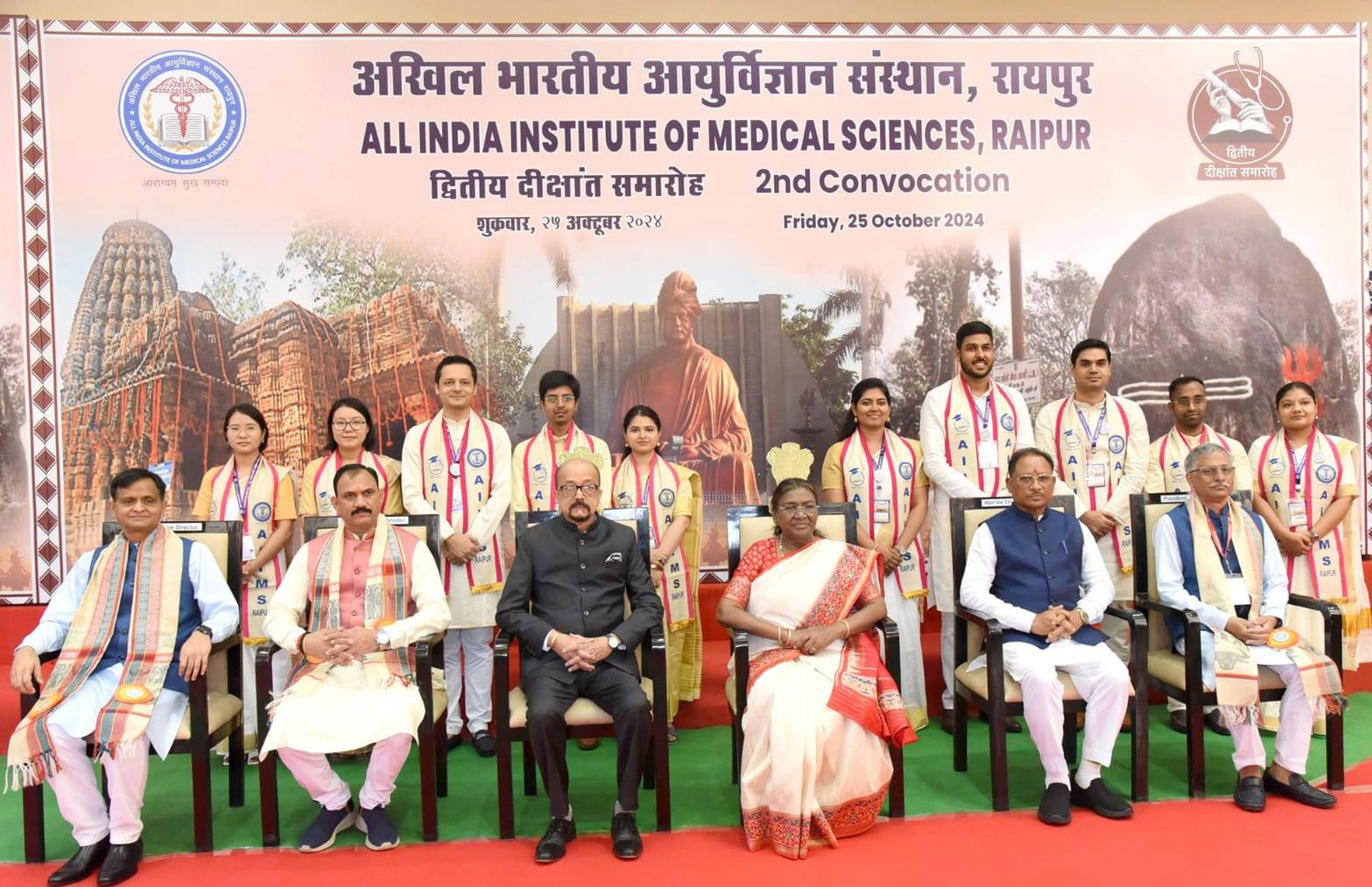
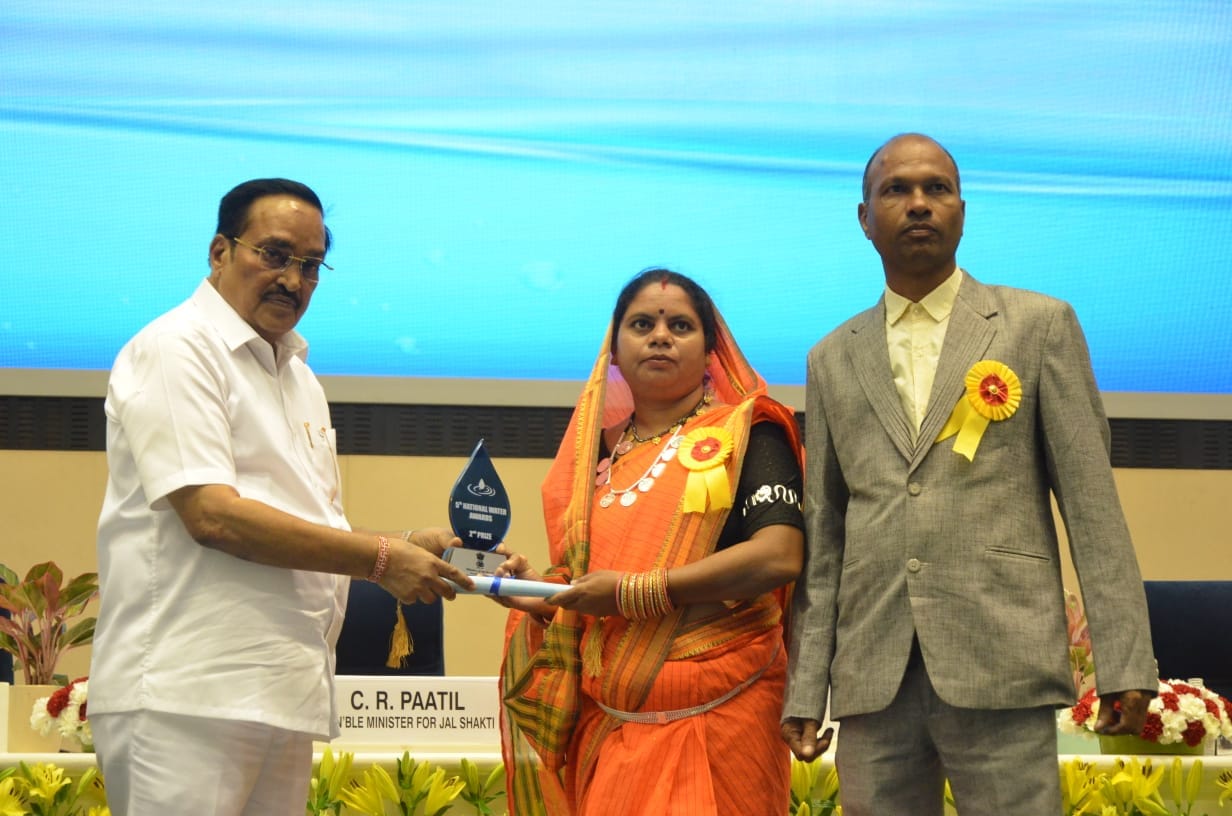
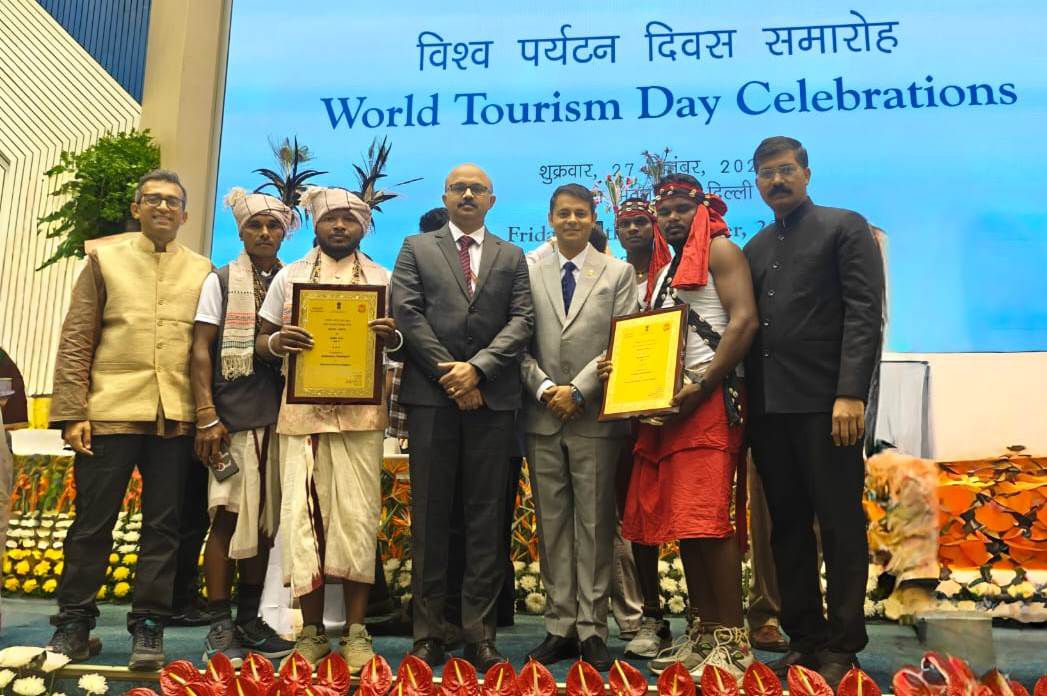
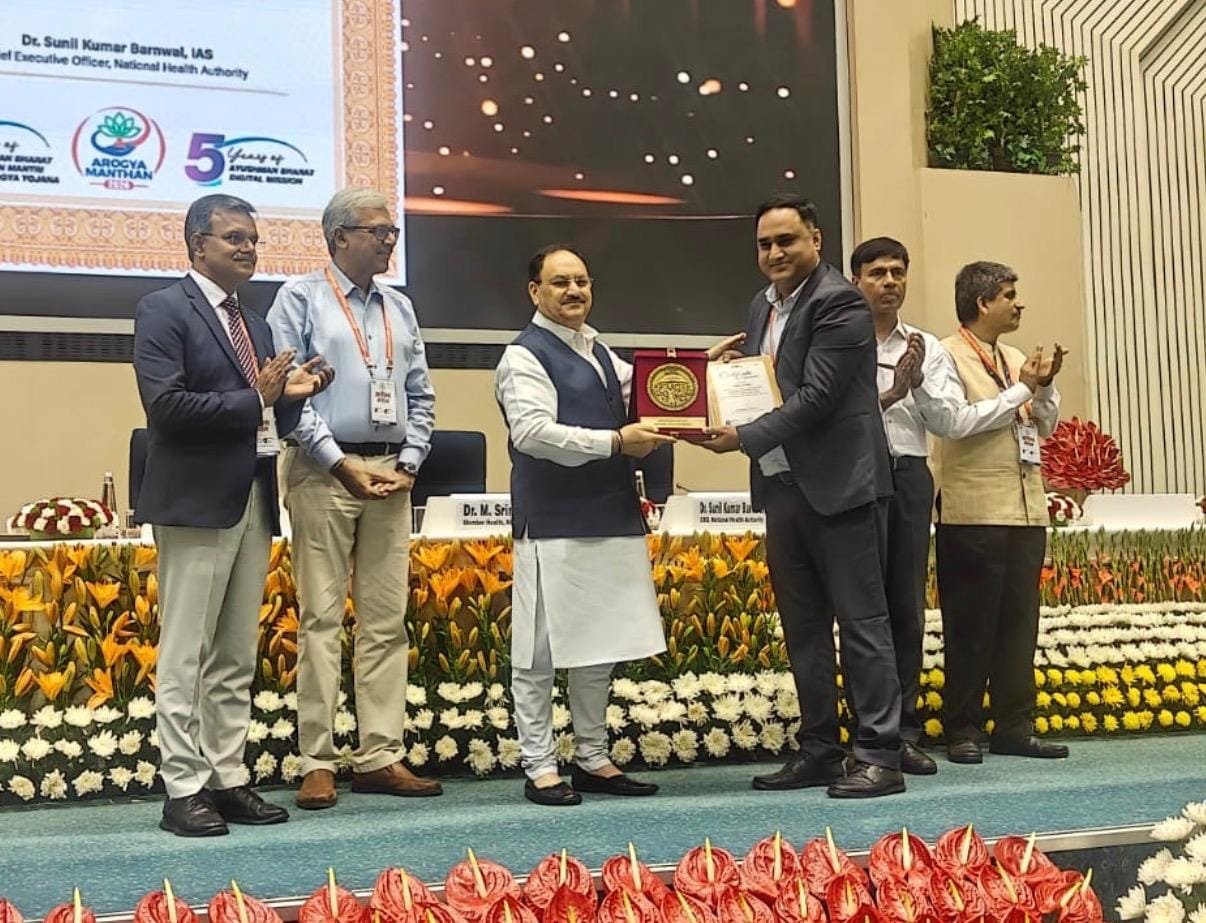
Through the ambitious Pradhan Mantri Janman (PM JANMAN – Pradhan Mantri Janjati Adivasi Nyaya Maha Abhiyan) scheme of the Government of India, the benefits of basic amenities, education, health, housing, roads, drinking water, electricity, livelihood and other development schemes are being made available to the specially backward tribes. As a result of the excellent implementation of this scheme in Dhamtari district, the district has been honored with the President’s Award, which is a matter of pride for the district. This achievement is a proof of the district administration’s commitment towards tribal development and the effective implementation of the schemes.
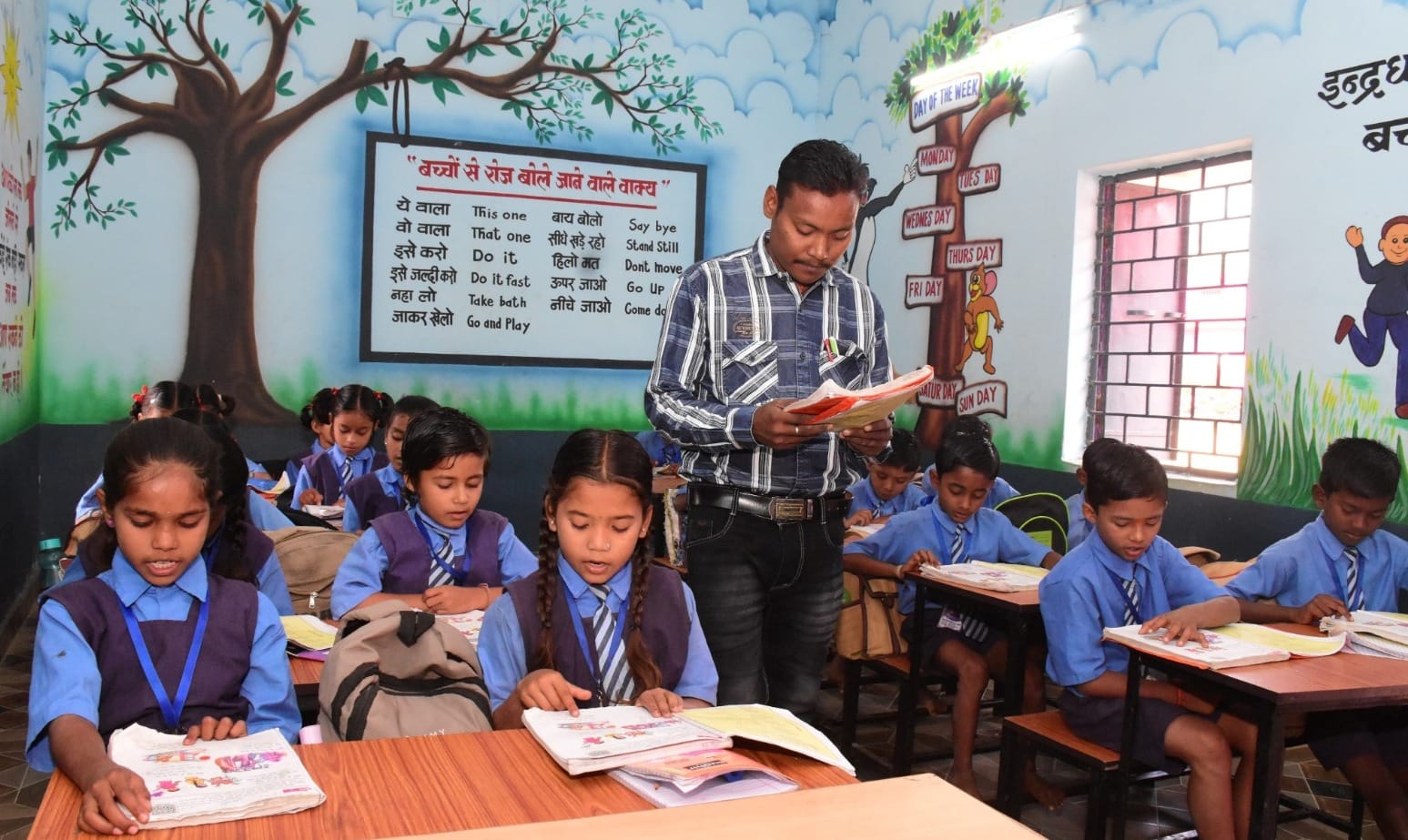
Important steps are also being taken to provide better opportunities for children from the Kamar community in the field of education. The process of upgrading the currently operating Kamar school to run from grades 10th to 12th is underway. This will eliminate the need for students to travel to remote areas for higher secondary education, and children from particularly backward tribes will have access to quality education within their own region. This initiative will prove crucial in achieving the objectives of the New Education Policy and in the educational empowerment of tribal students.
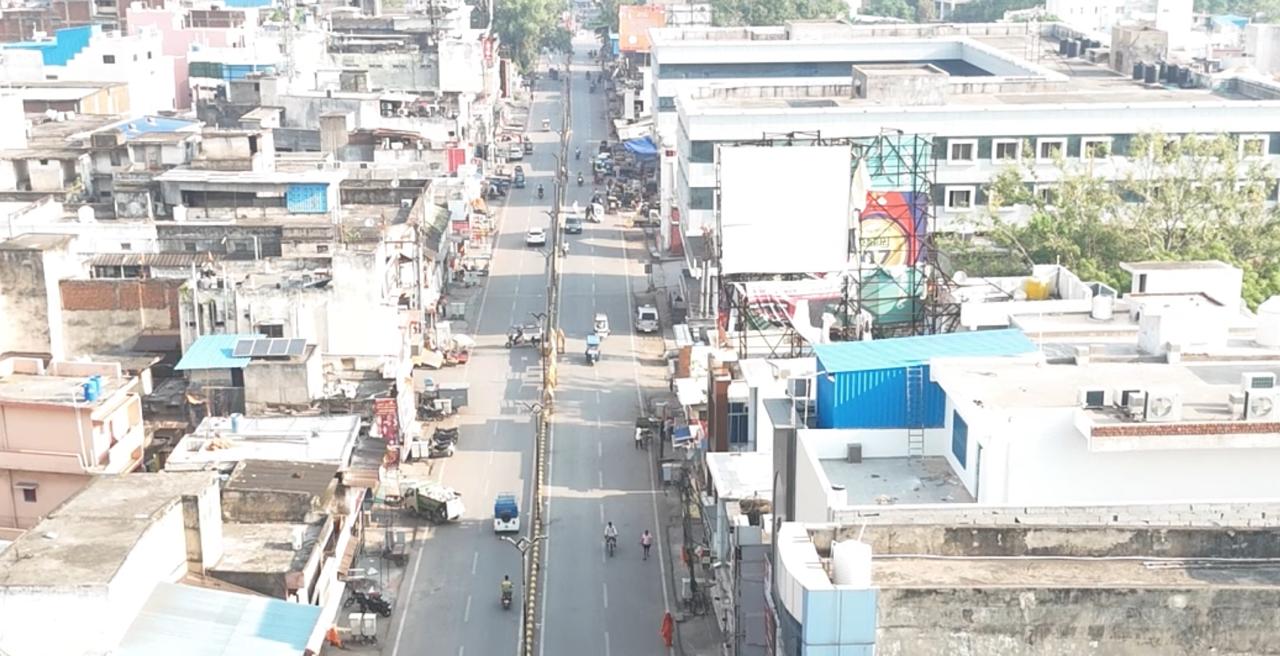
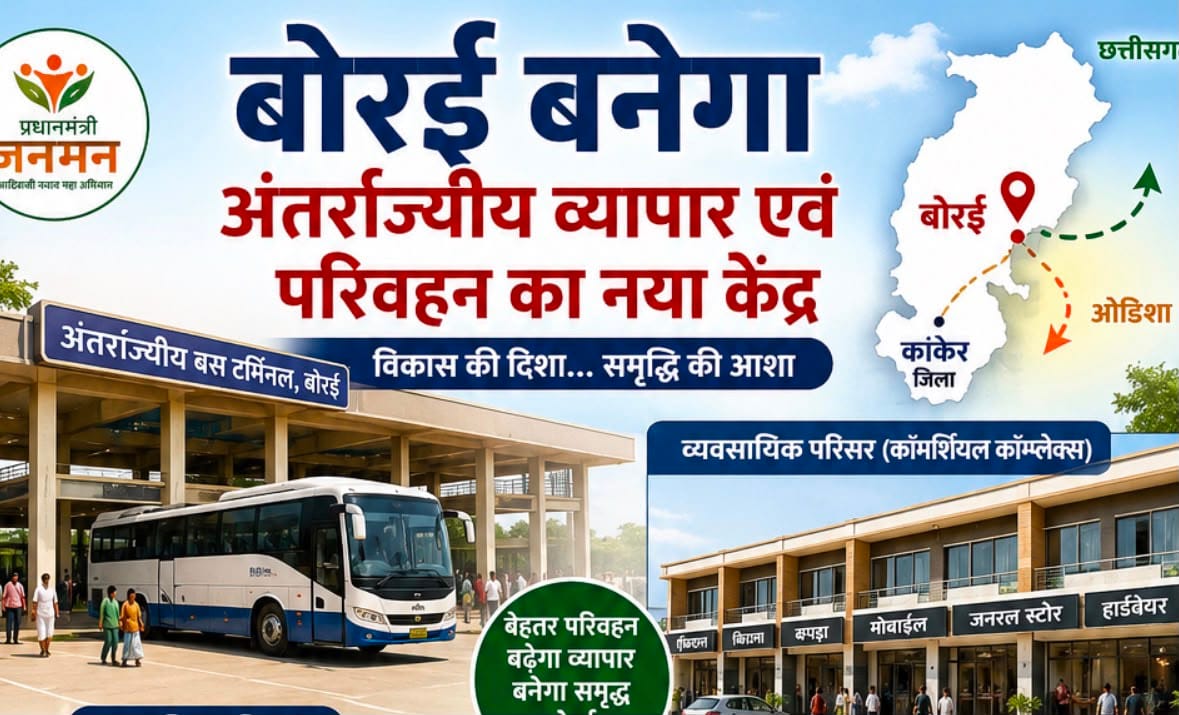
Similarly, a proposal to establish an interstate bus terminal in Borai has been submitted to the government to accelerate the district’s industrial and commercial development. The construction of a bus terminal in Borai, which is developing as an important connecting point between Chhattisgarh, Odisha, and Kanker district, will improve transportation facilities, provide modern amenities to travelers, and boost trade and tourism. The commercial complex to be developed alongside the bus terminal will provide new employment and business opportunities for local youth and tribal beneficiaries. The site for the bus terminal has been selected.
A new picture of development is emerging in the remote and tribal areas of Dhamtari district through the coordinated implementation of the state government’s tribal welfare schemes and the Government of India’s PM Janman, Pradhan Mantri Awas Yojana, Jal Jeevan Mission, Ayushman Bharat, National Livelihood Mission and other public welfare schemes. The district administration is striving to ensure that the benefits of mainstream development reach the last person and to provide respectable life, sustainable livelihood and a better future to the specially backward tribes.

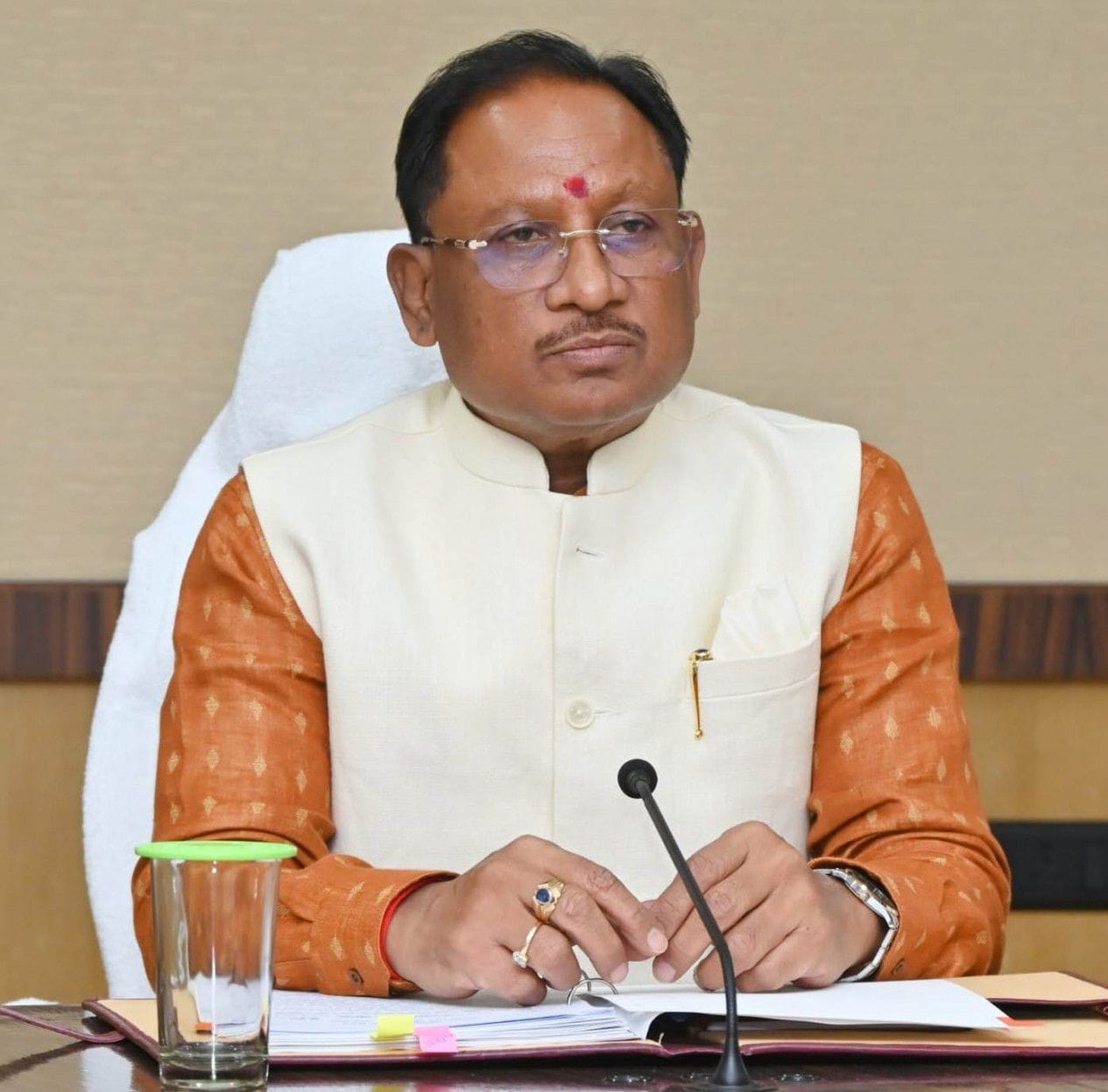
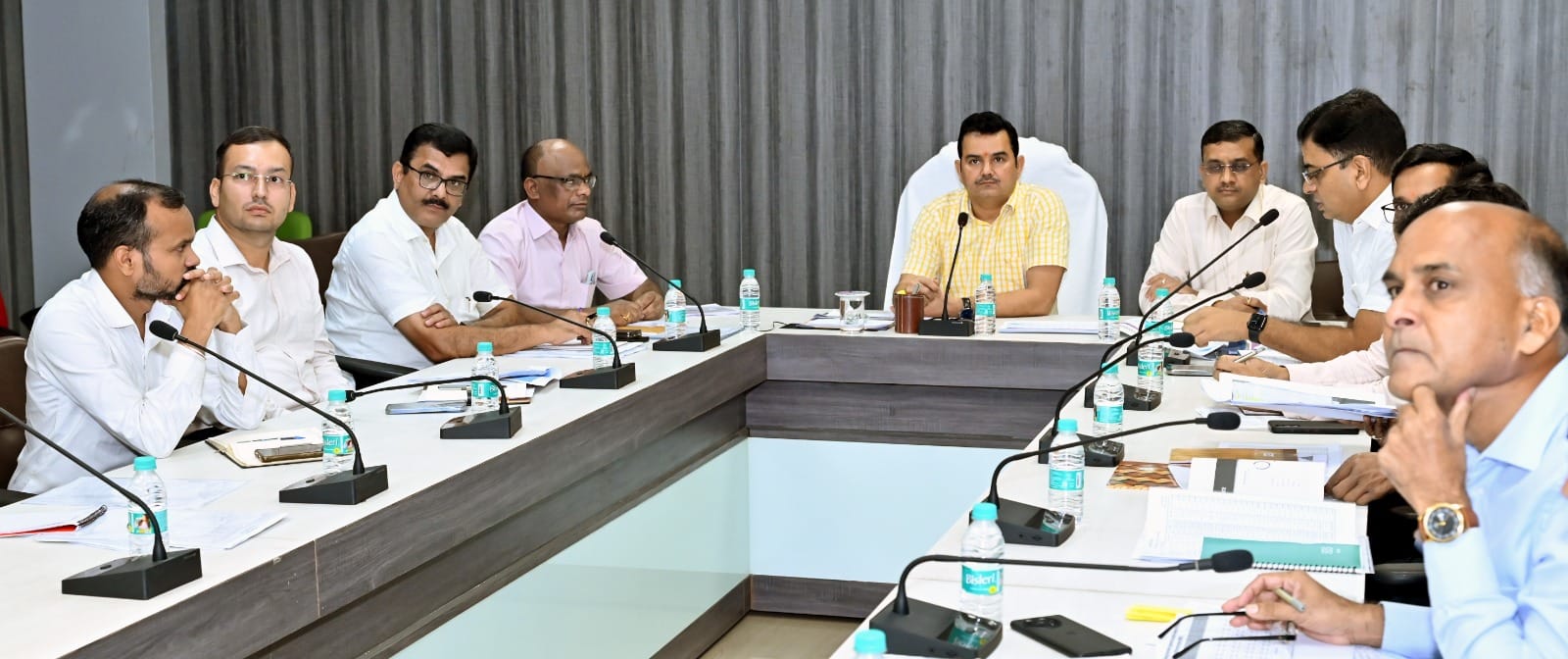
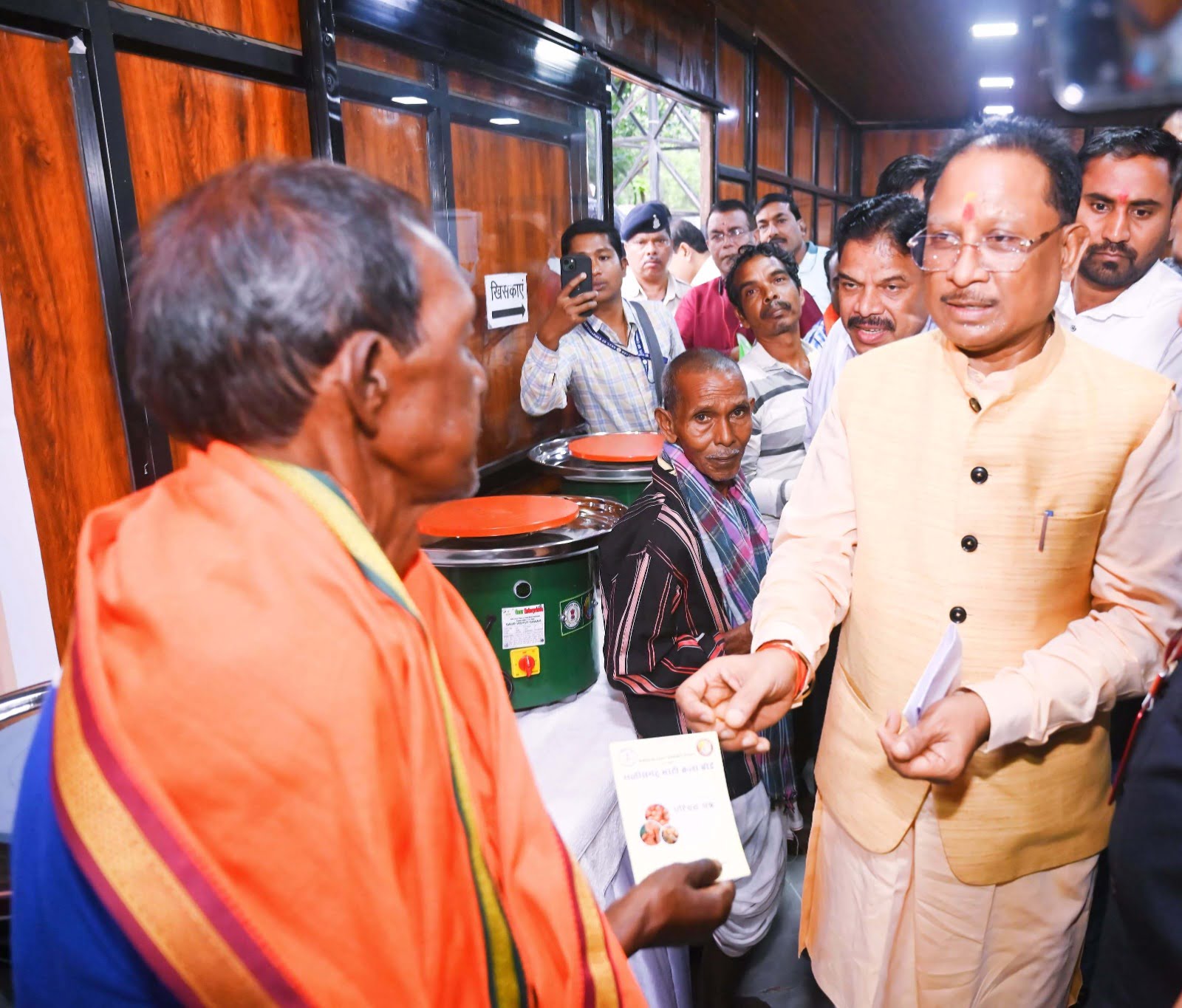
Collector Mr. Abinash Mishra stated, “The district administration is working with full commitment for the overall development of the Kamar community, a special backward tribe. Our aim is not only to provide basic amenities, but also to connect them with sustainable livelihoods, quality education, and economic self-reliance. Commercial complexes being built in various areas will provide self-employment opportunities for the Kamar community. Effective efforts are also being made to upgrade the Kamar school to higher secondary level and to develop Borai as an interstate transportation and trade hub. The President’s Award received by the district for the excellent implementation of the Pradhan Mantri Janman Yojana is the result of the collective efforts of our entire team and public representatives. In the future, the overall development of tribal areas will be given top priority, so that the benefits of development can effectively reach the last person in society.”
It is worth noting that in Masandabra, a dependent village of Gram Panchayat Sankra, within the Nagari development block of Dhamtari district, permanent houses have been constructed for the Kamar community, a special backward tribe, under the Pradhan Mantri Janman Awas Yojana, to provide them with safe and dignified housing. This initiative is being undertaken keeping in mind the lifestyle and basic needs of the Kamar tribe.
This is the second PM Janman Awas Colony in the country and the first in Chhattisgarh. This colony is being built especially for the backward tribal Kamar community. In the era of modernity, full care has been taken to keep the Kamar community connected with their traditions and culture. So that the new generation also remains connected with the traditions and culture of their community. In the PM Janman Awas Colony in Masandabra, a work plan is being made under the PM Surya Ghar Free Electricity Scheme. These houses will be illuminated with PM Surya Ghar free electricity.
- Major achievement in housing construction
1,481 houses have been approved in the district. Of these, 1,046 have been completed, while 435 are under construction. Officials said the remaining houses will be completed within the next four months. Providing safe and quality housing to the villagers is the administration’s top priority.
- Expansion of roads and infrastructure
Under the PM-Janman Yojana, construction of 36 roads has been approved. The total approved cost of these roads is ₹1341.60 lakh. Most of the construction work is in progress. The completion of these roads will provide better connectivity to markets, health, and administrative services in remote areas.
- Drinking water and electricity systems are complete.
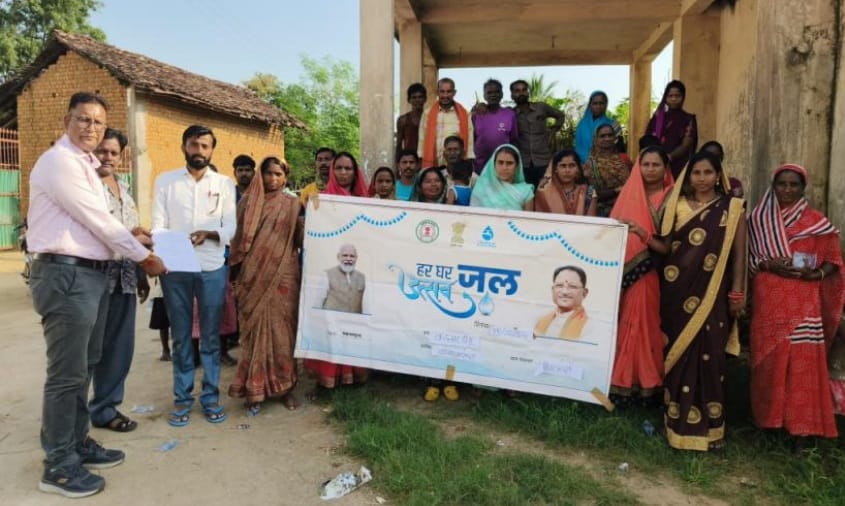
Under the Jal Jeevan Mission, clean drinking water has been made available to all households. Furthermore, electrification of every household has been completed. The availability of electricity in villages has significantly improved children’s education, livelihoods, and security.
- Multi-purpose centres: Doors to new opportunities
Multipurpose centers established by the Government of India for the all-round development of tribal communities are creating new possibilities in rural areas.
The new multipurpose center built in Boirgaon, Nagari Block, is becoming a hub for education, health, sanitation, and livelihood activities.
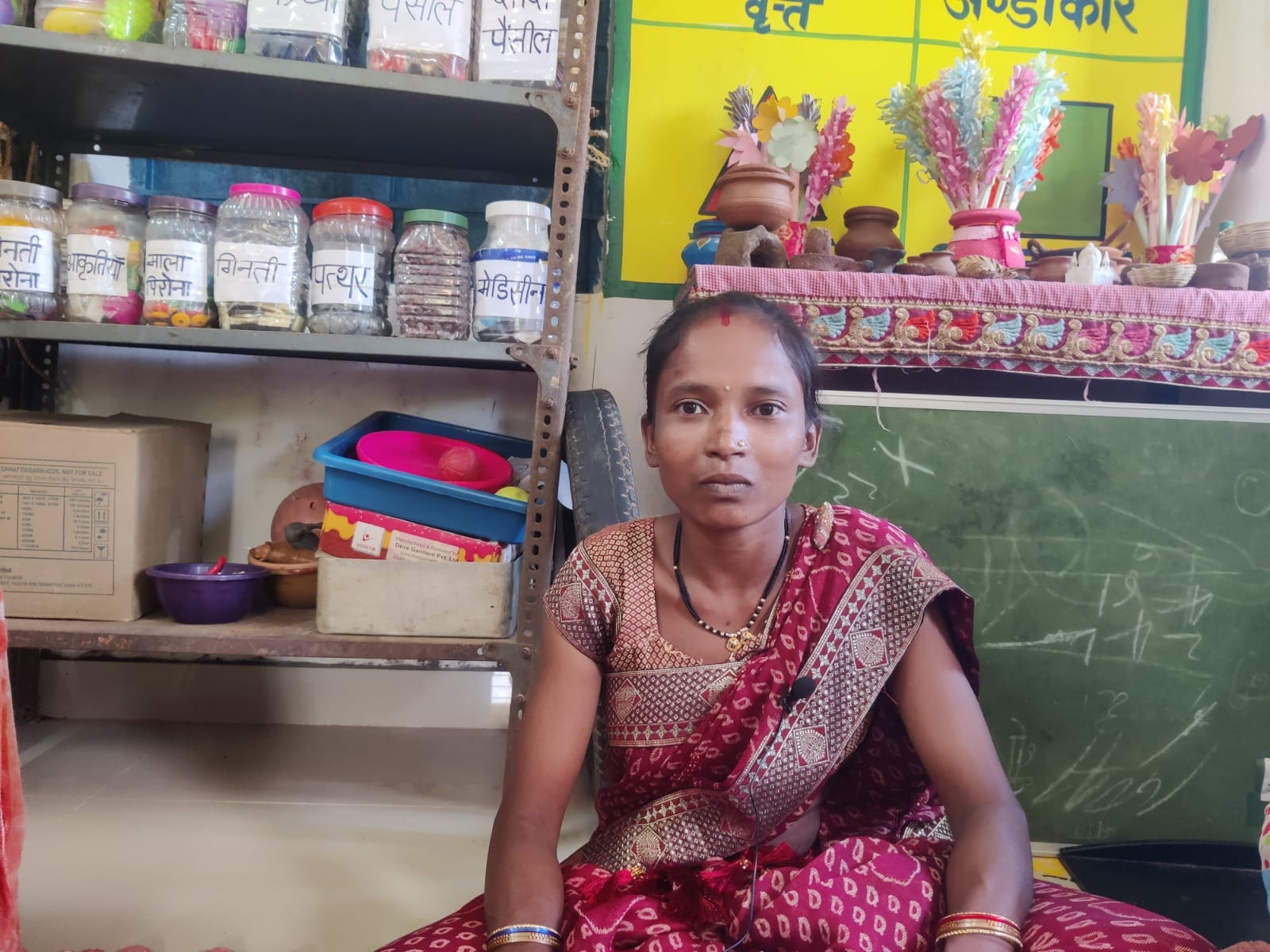
Children at the Anganwadi center have been provided with informative learning materials and toys. Villagers will also receive benefits from government schemes, training, and necessary guidance here.
Construction of a 50-seater boys’ hostel is underway in Bazar Kurridih, Nagari Block. Work is expected to be completed by January. Once the hostel is complete, children from the Kamar tribe will have access to safe housing, food, and all the basic amenities for study.
- Holistic development in model settlements
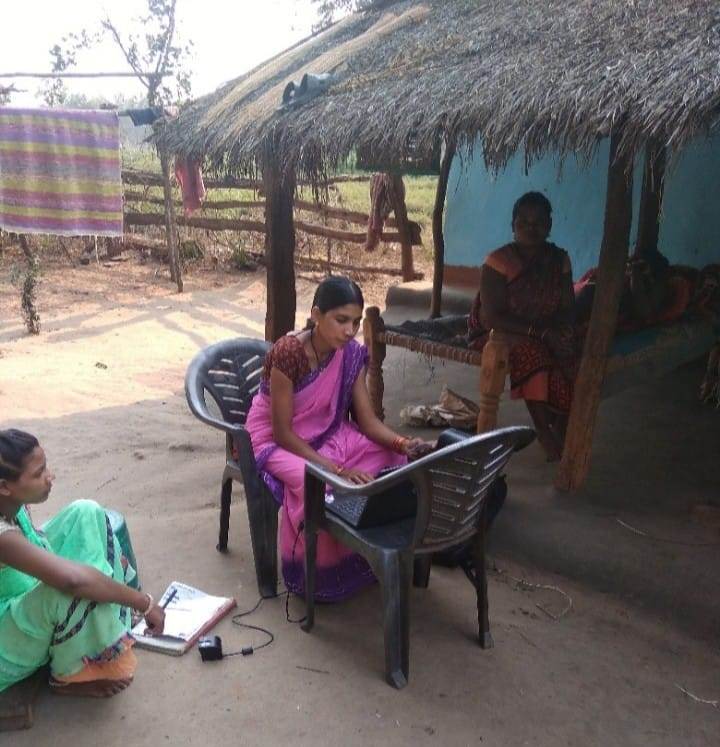
Under the Integrated Village Planning and Training Program in Piprahibharri village, social and resource maps, gap analysis, minor forest produce management, and livelihood action plans have been documented.
This work provides a strong foundation for the rural community to effectively manage their natural resources and develop sustainably.
100% Saturation of Accelerated Activities in 133 Settlements
Full saturation of accelerated activities has been achieved in 133 settlements across the district. This has ensured that the benefits of the scheme reach every Kamar family in a timely manner. Through the PM-Janman Yojana, the light of development, dignity, and self-reliance is now reaching every tribal settlement in the district.
Families living in remote areas are now rapidly integrating into the mainstream and taking strong steps towards a safer, healthier, and better life.