


































































The Health Department in Bemetara district has intensified preparations to make health services more effective, accountable, and result-oriented. The Chief Medical and Health Officer has issued clear instructions to the district’s health officials to reduce maternal and infant mortality rates, promote institutional deliveries, and effectively implement national health programs.
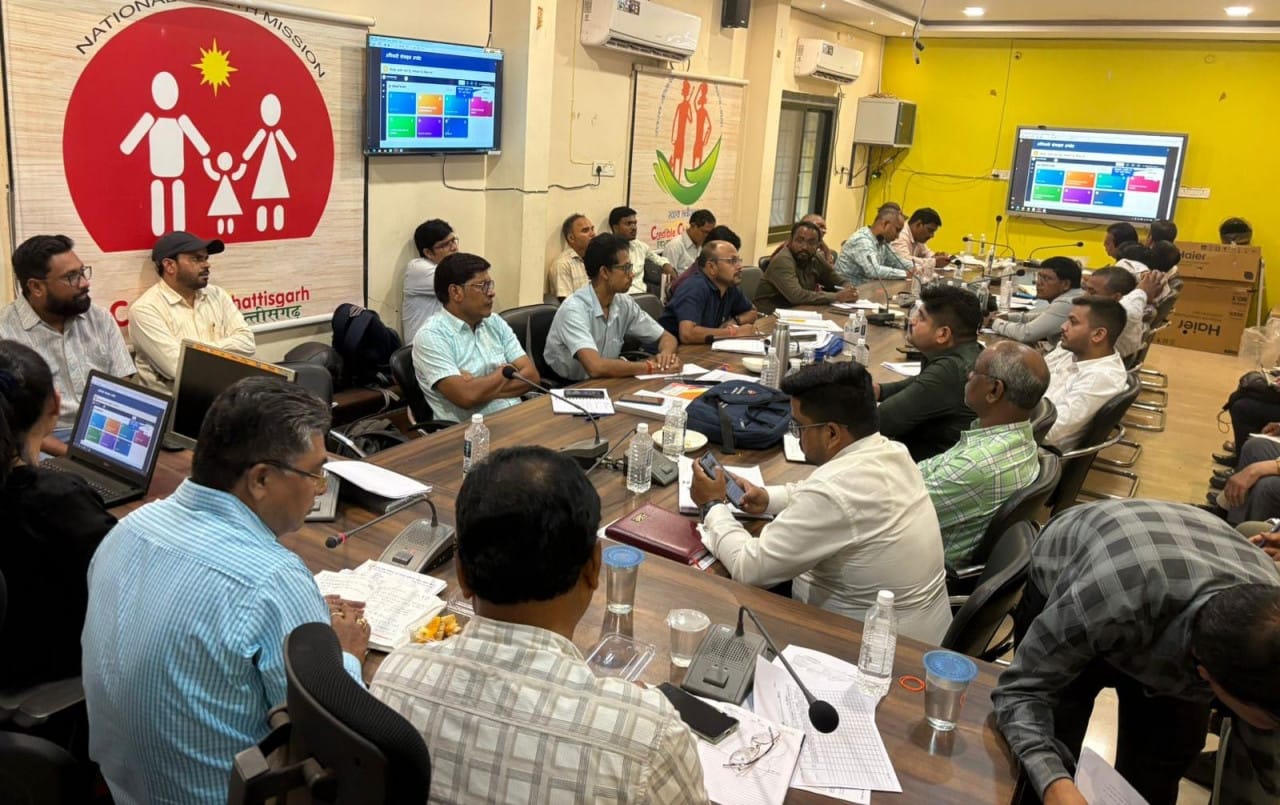
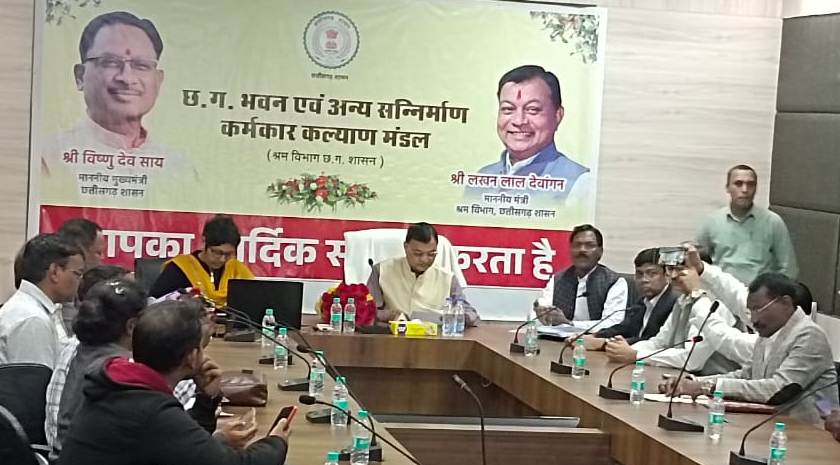
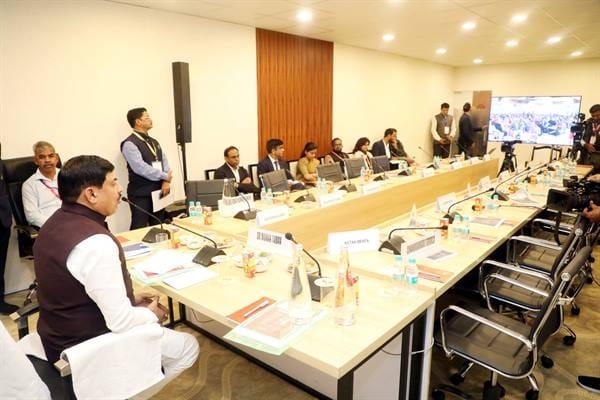
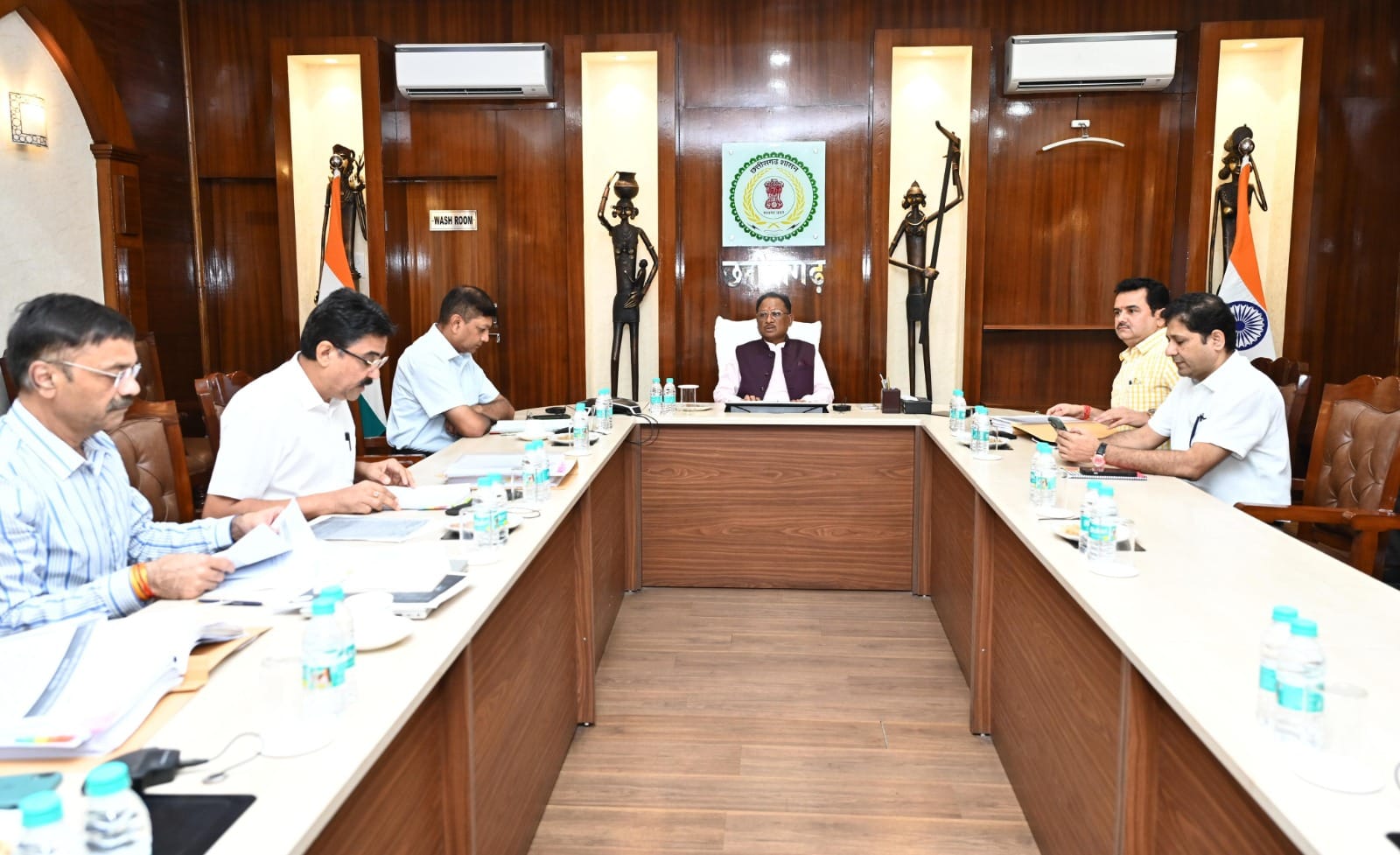
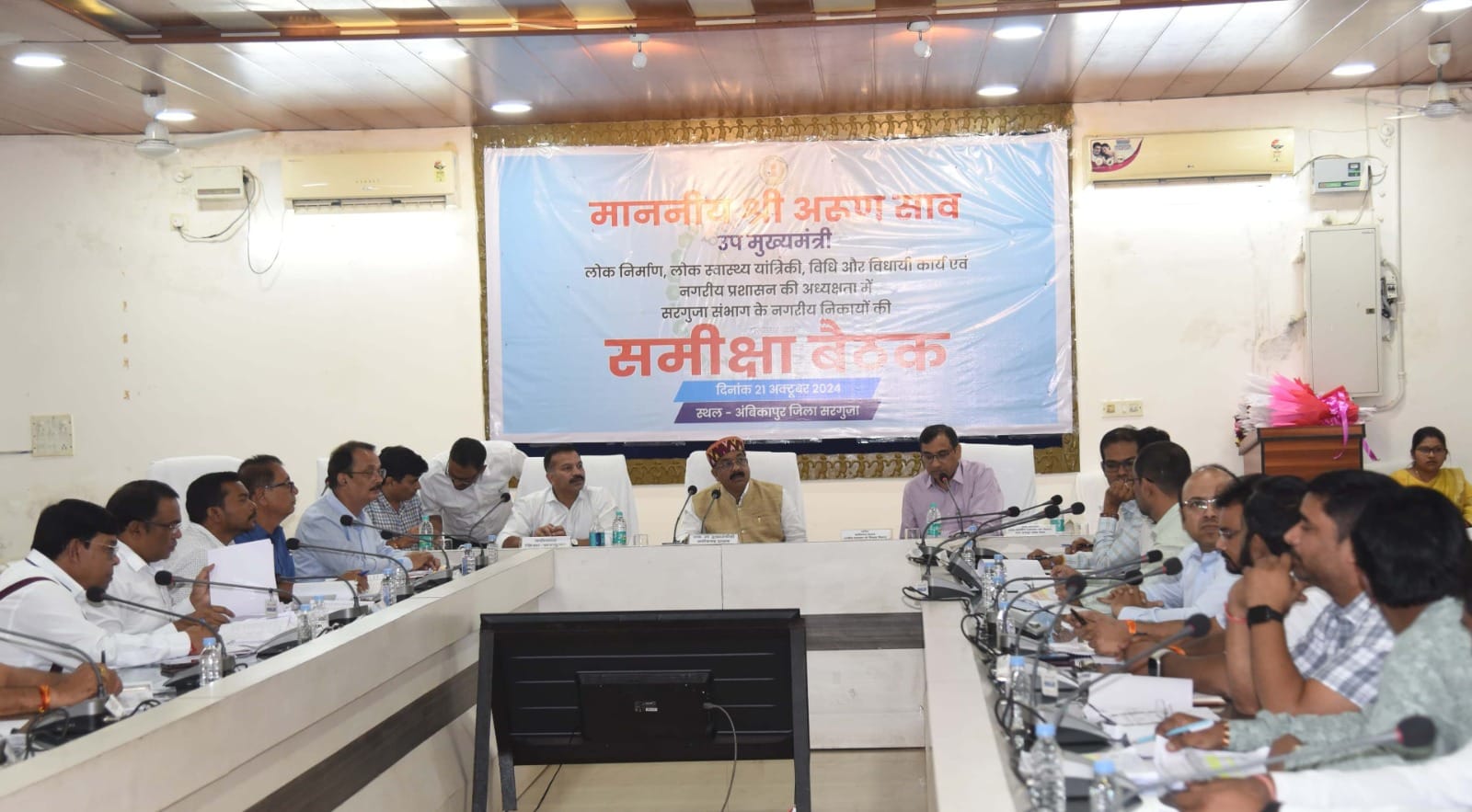
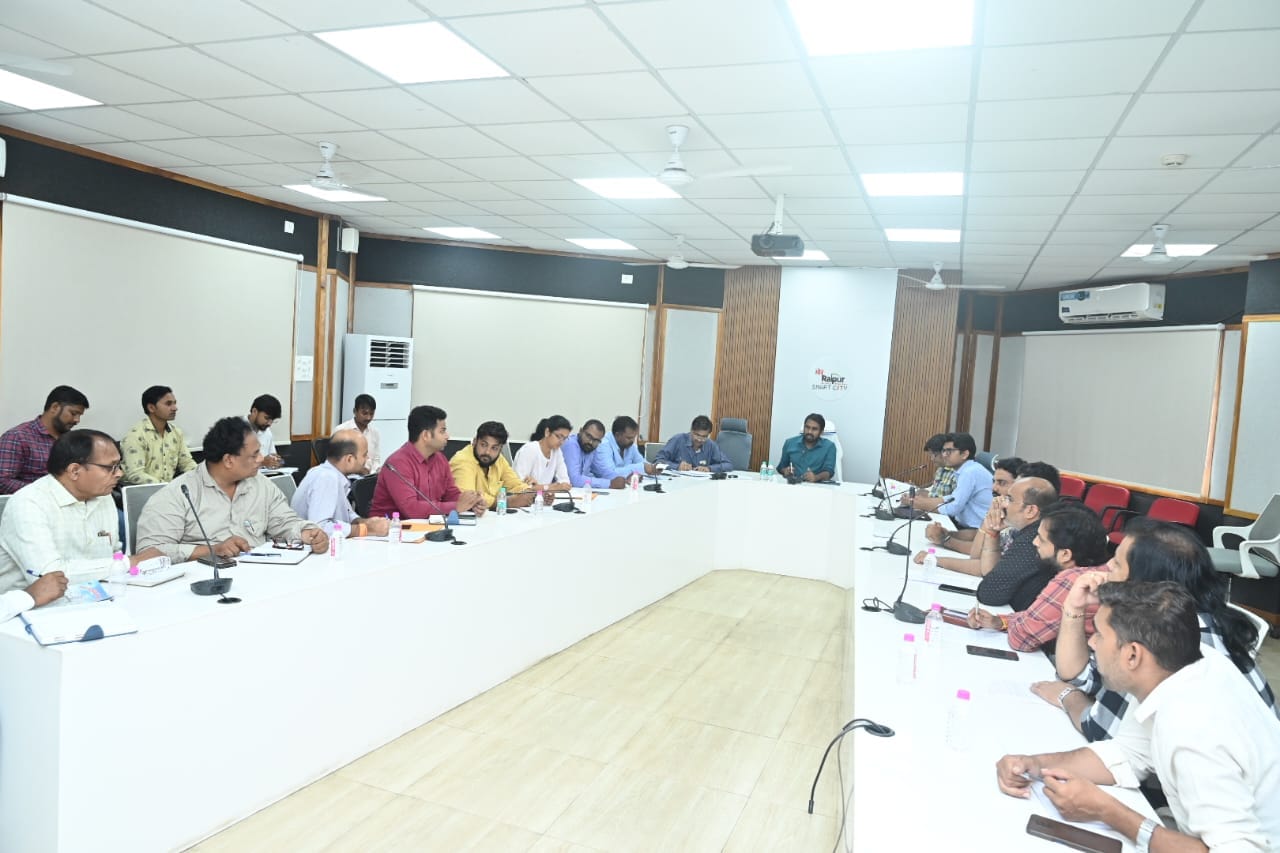
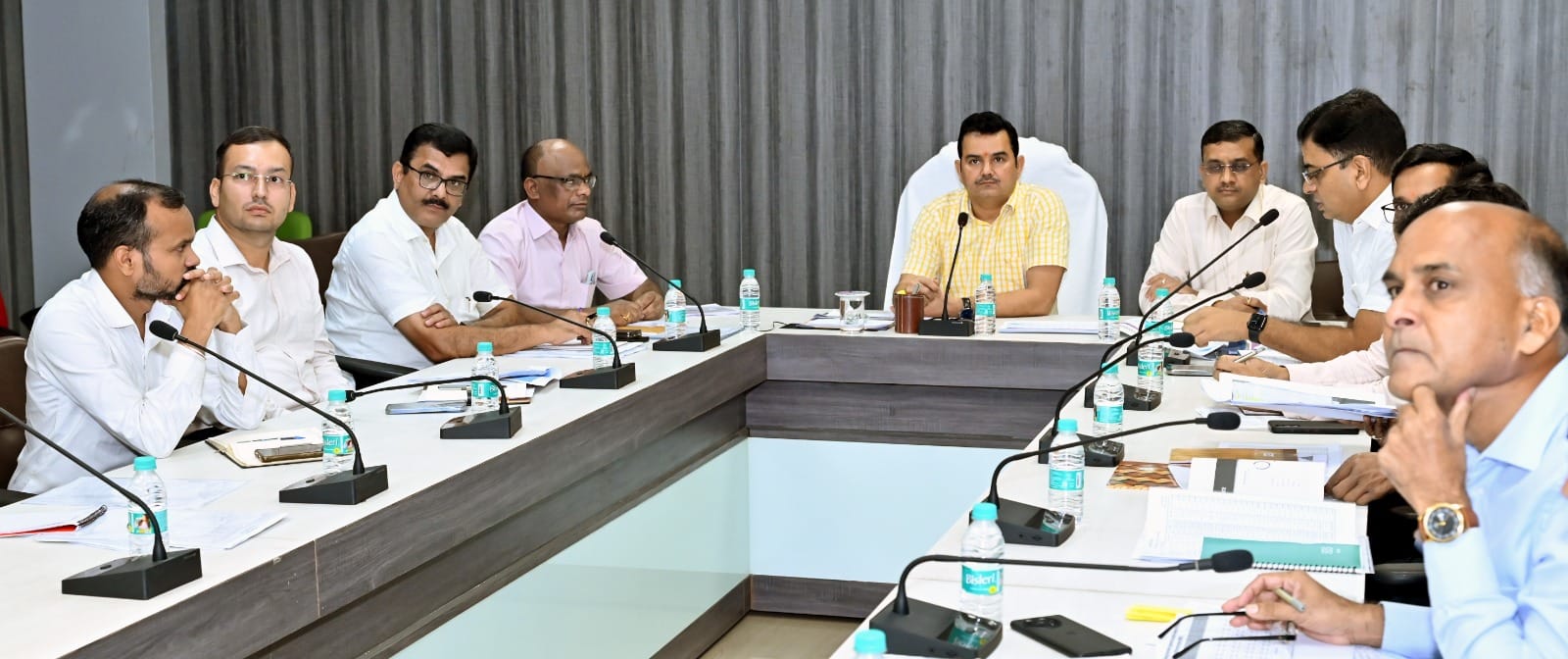
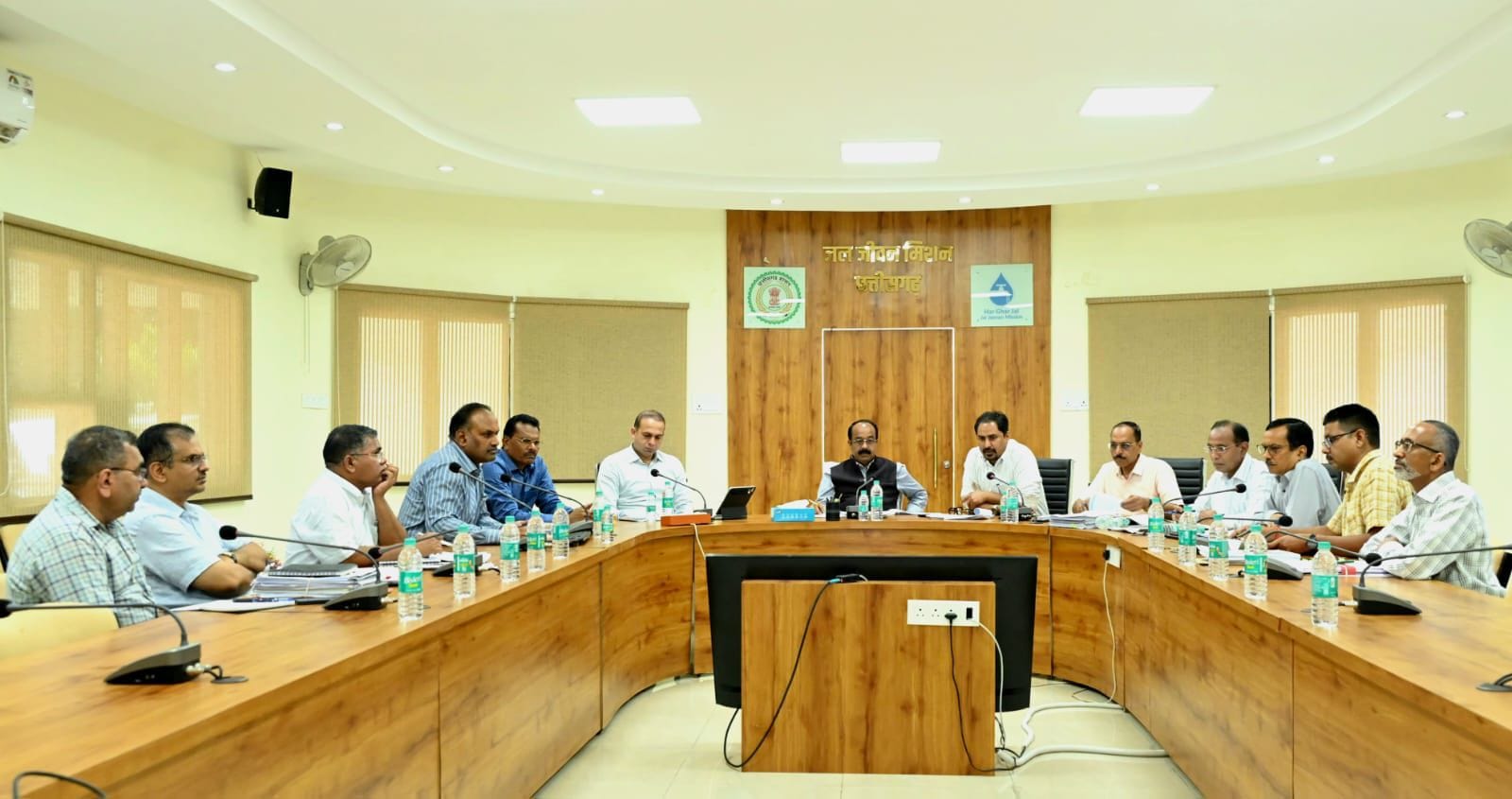
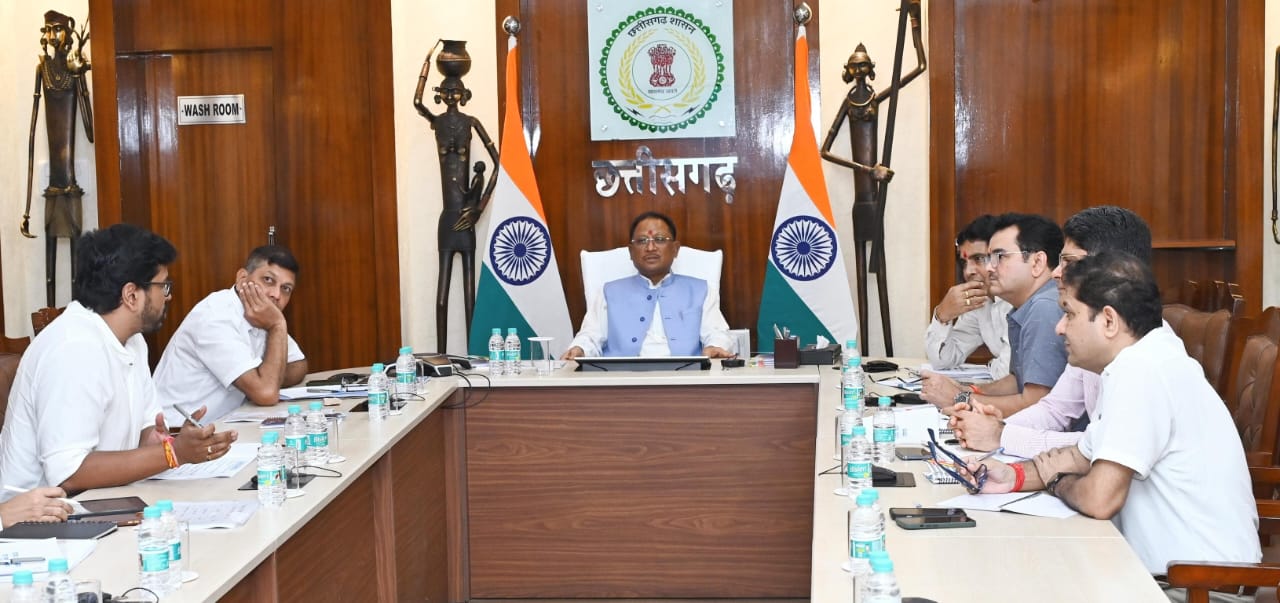
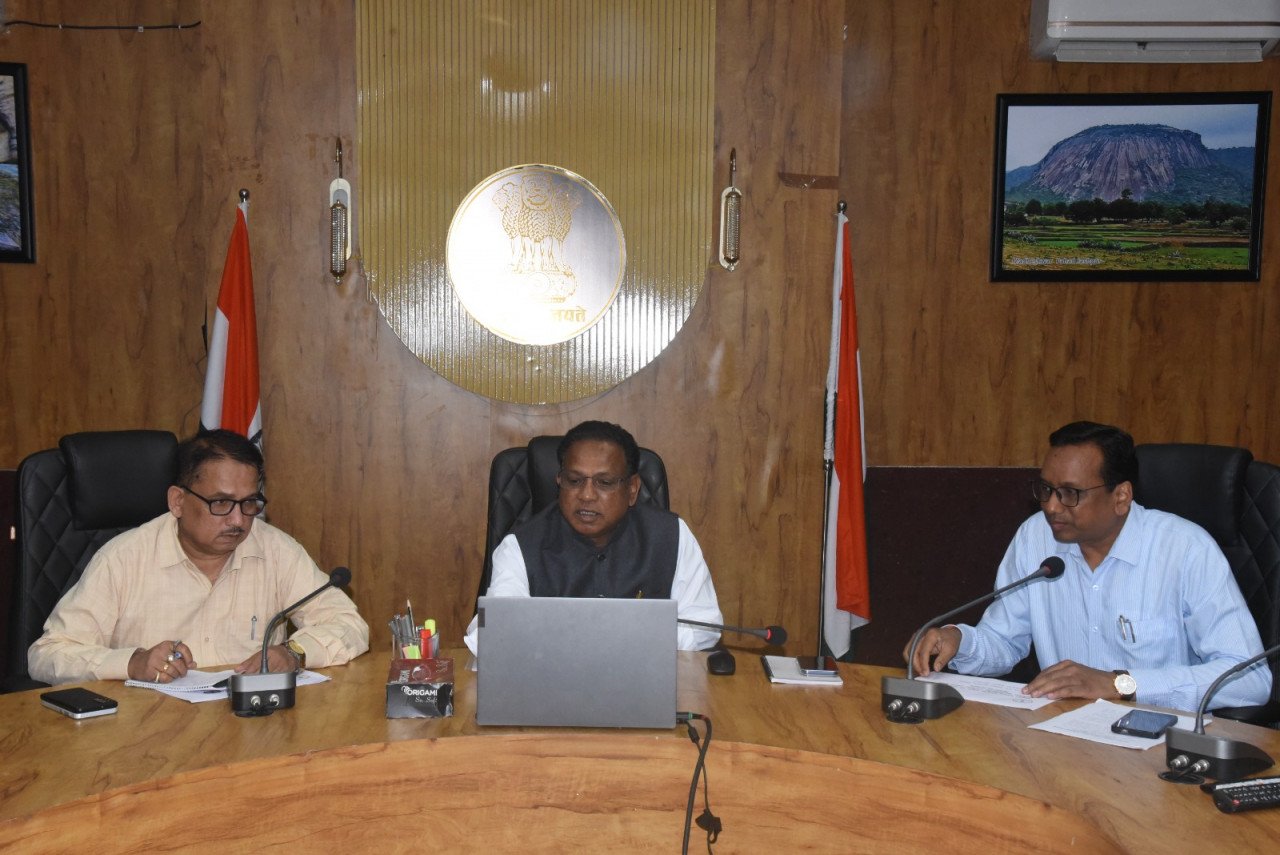
During the monthly review meeting held at the Chief Medical Officer’s office, Dr. Rohleder stated that the success of health services will be determined not only by the implementation of schemes, but also by their impact on the ground. He emphasized the importance of timely screening of pregnant women, identification of high-risk pregnancies, and regular monitoring, calling for diligent work towards the goal of zero home deliveries.
The meeting included a detailed review of routine immunization, maternal and child health services, financial management, and online health management systems. Officials were directed to ensure that every pregnant woman is registered on the Janani portal, children’s records are recorded on the U-WIN portal, and information on TB patients is recorded on the Nikshay portal in a timely manner. Dr. Rohleder emphasized that data accuracy and transparency in health programs are the cornerstone of improved outcomes.
To reduce maternal and infant mortality, instructions were given to thoroughly review each case, analyze the causes, and implement corrective measures. Emphasis was also placed on improving the efficiency of specialized units such as the SNCU, NBSU, and HDU.
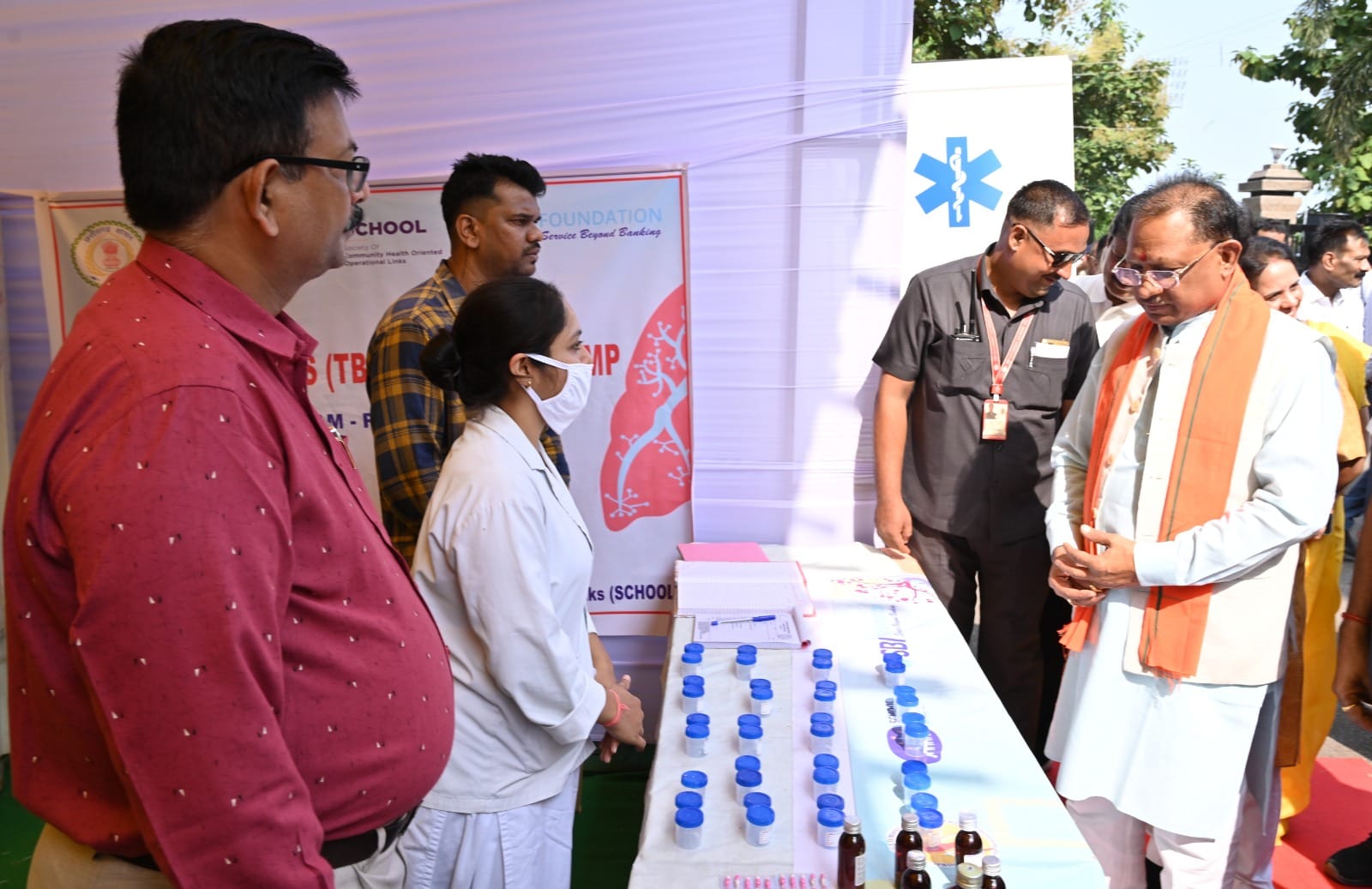
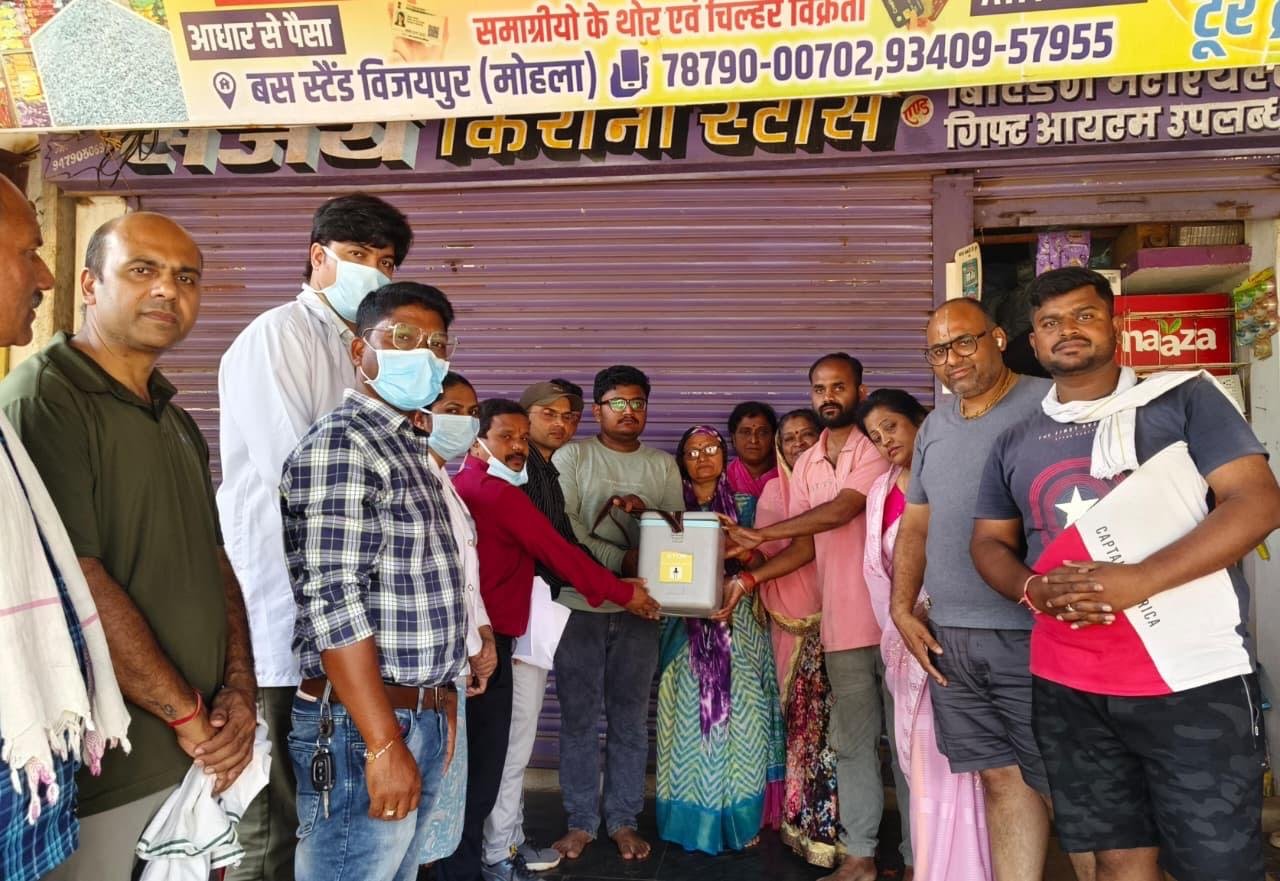
The meeting also reviewed preparations for the Intensive Leprosy Detection Campaign, Pulse Polio Campaign, and TB-Free Panchayat Campaign. Officials were instructed to strengthen microplanning, train field teams, and pay special attention to high-risk areas.
Dr. Rohleder stated that the Health Department’s goal is not only to provide treatment, but also to ensure quality and timely access to health services for every citizen. This requires special attention to increasing field visits, strengthening the referral system, and making technology-based monitoring systems effective.