



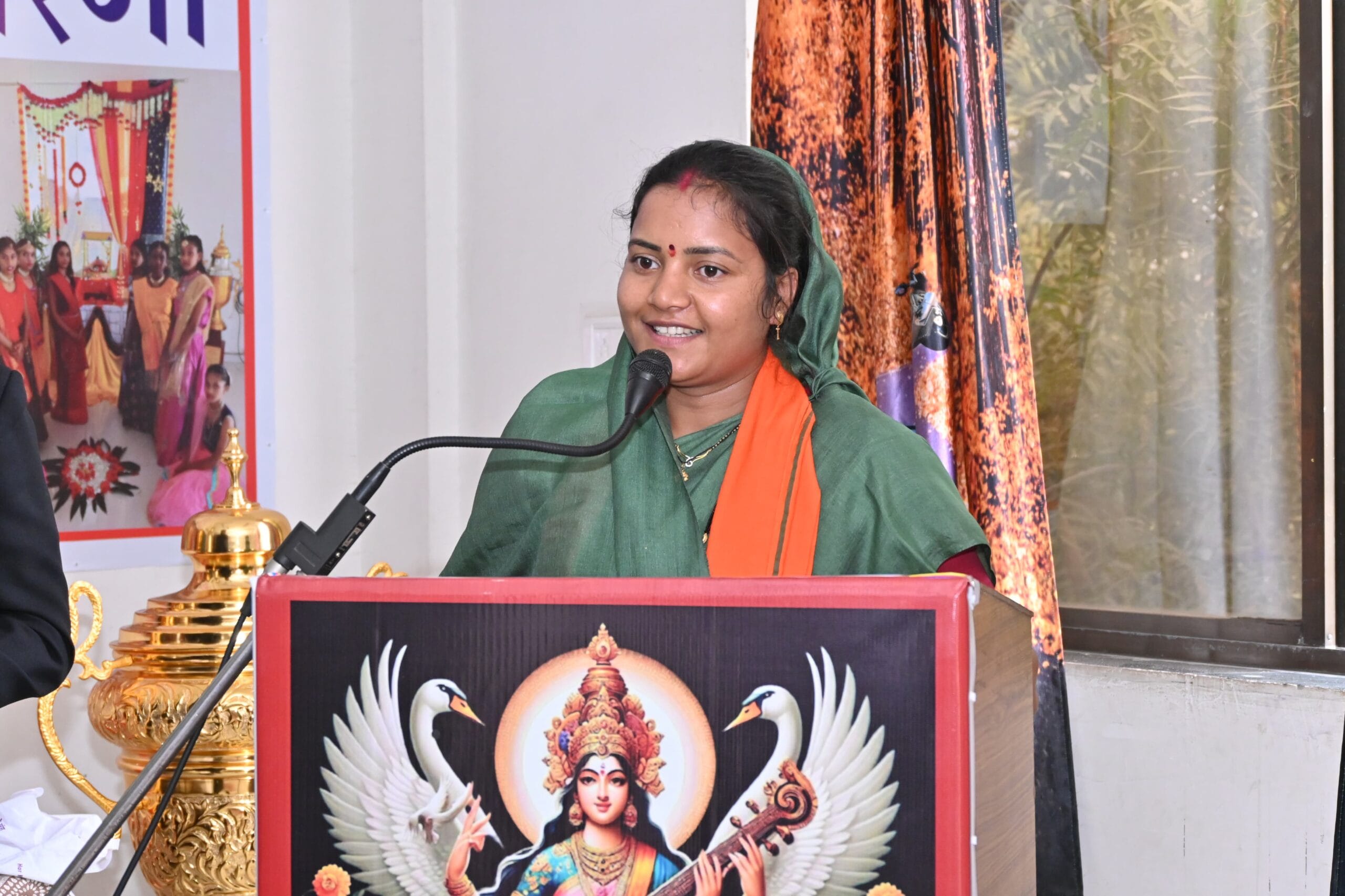
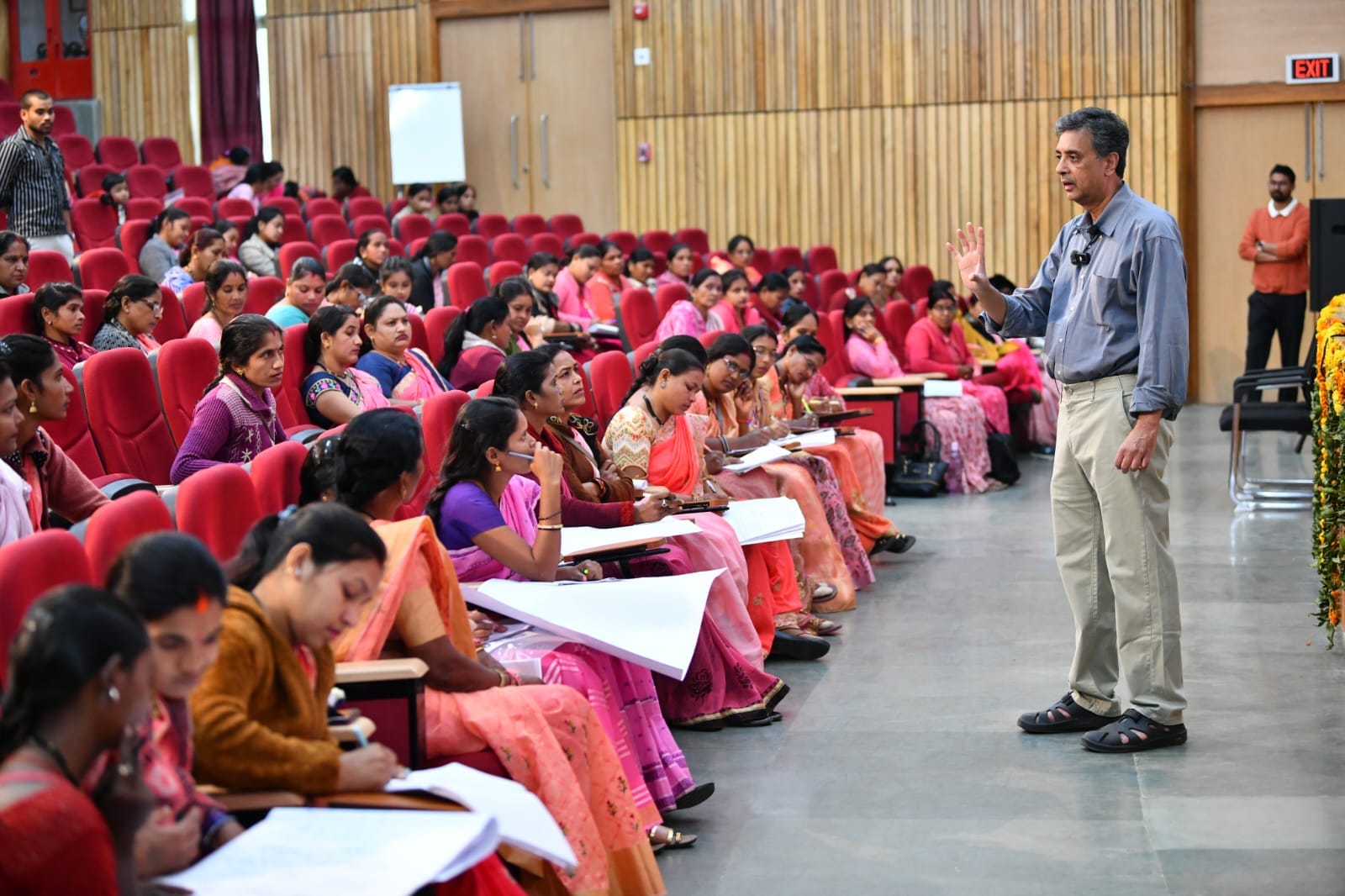

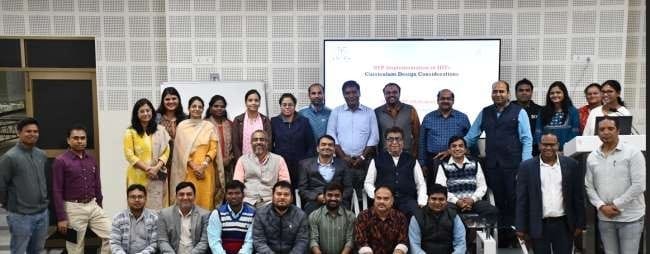
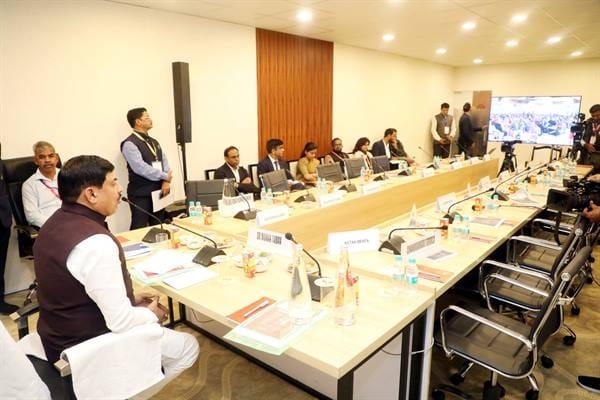

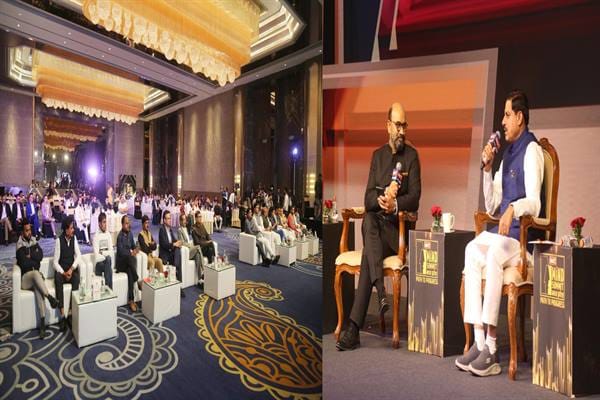

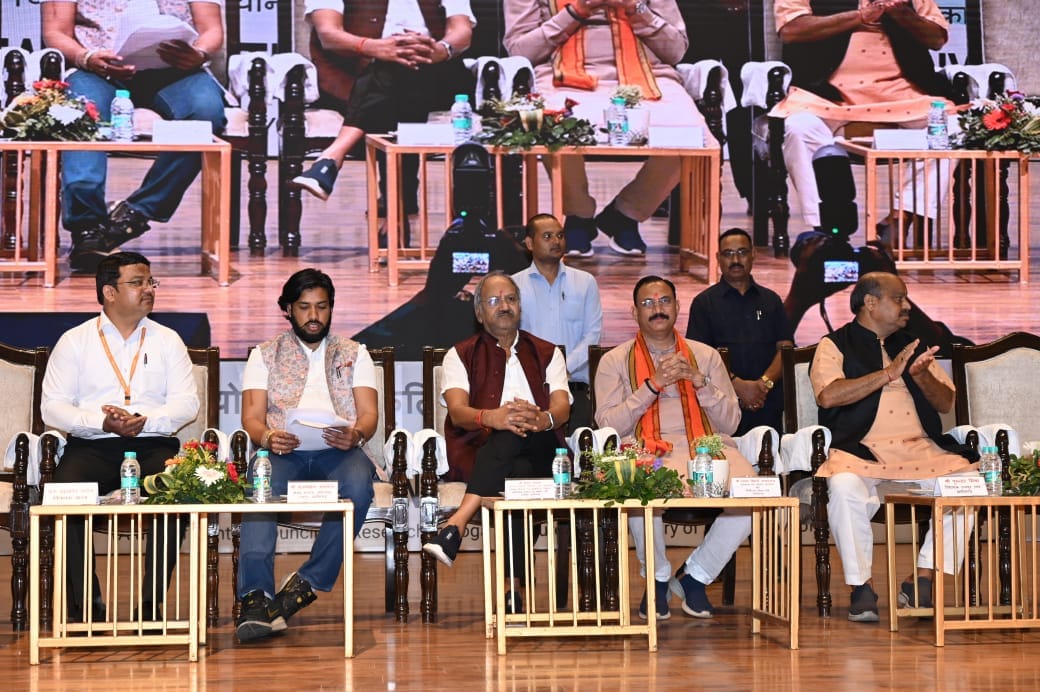



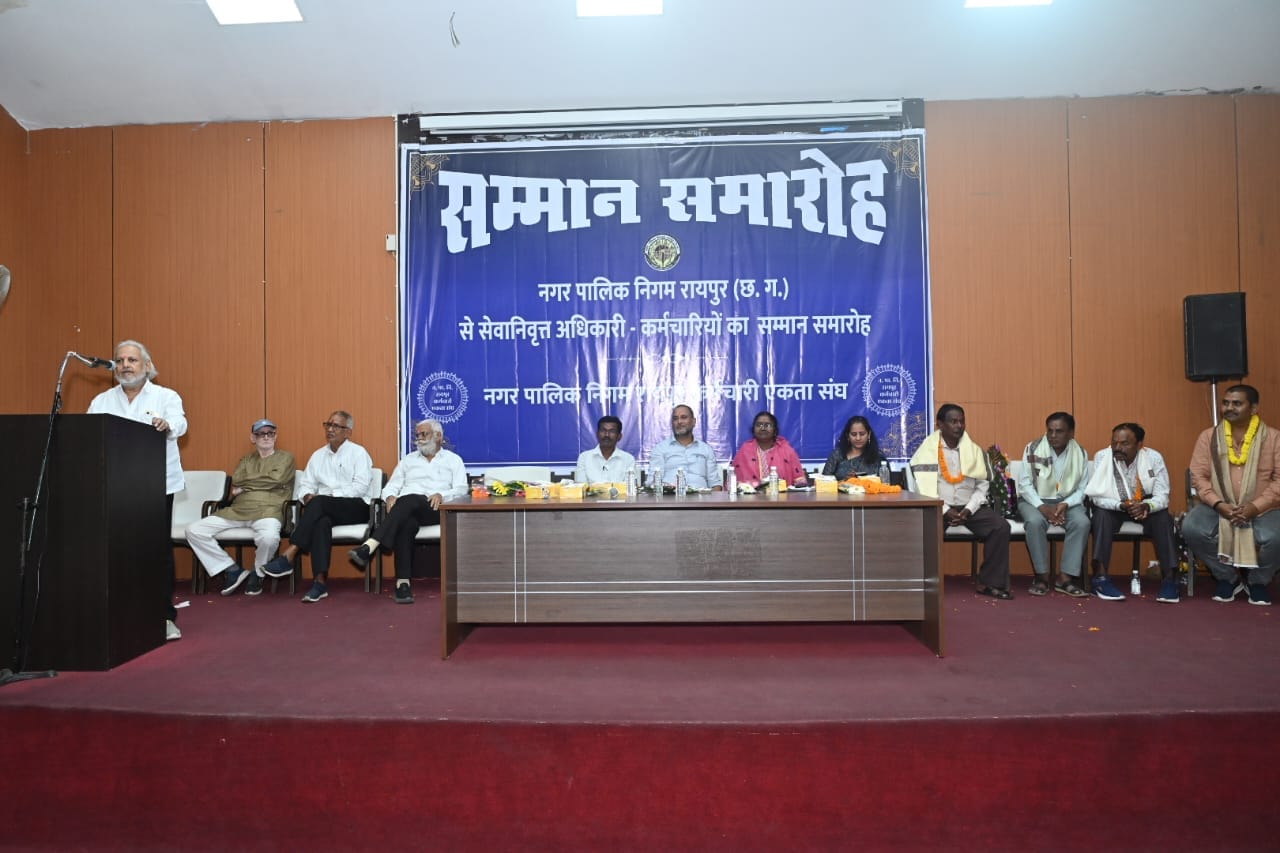
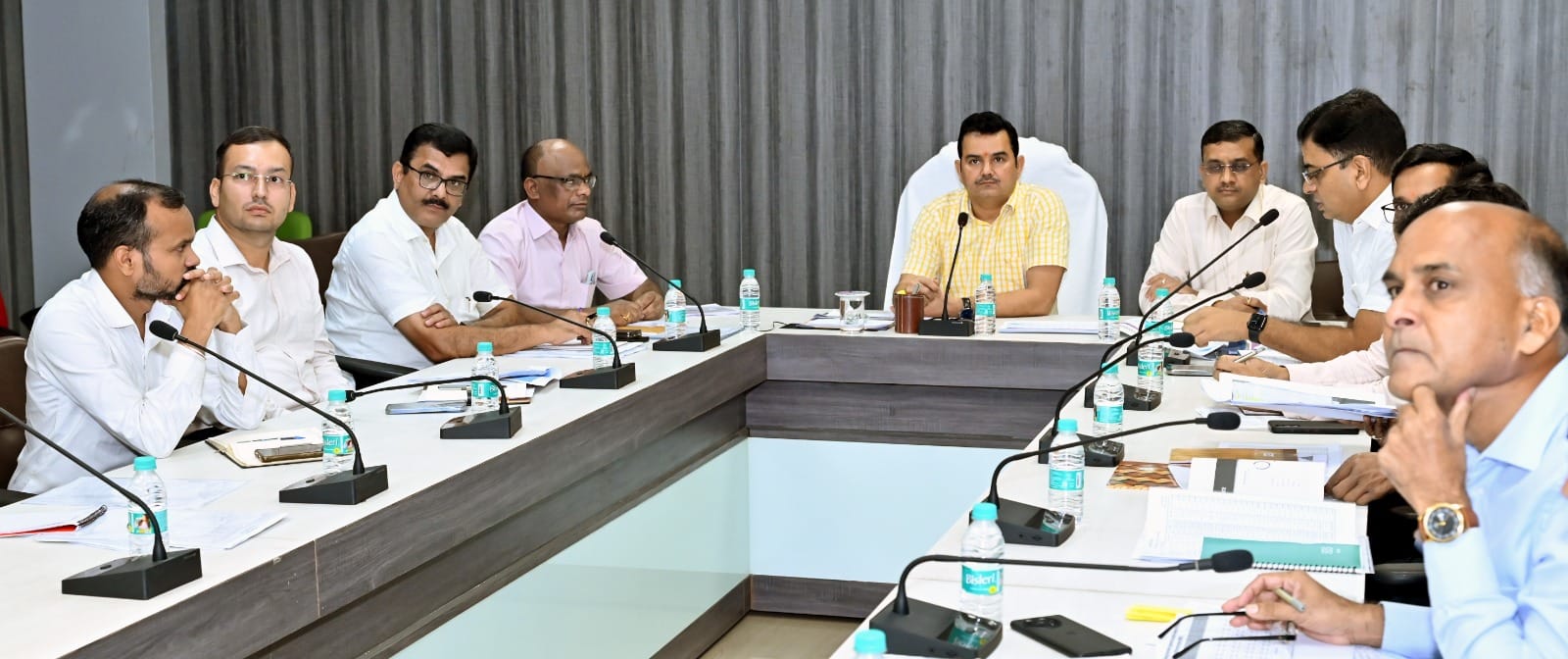
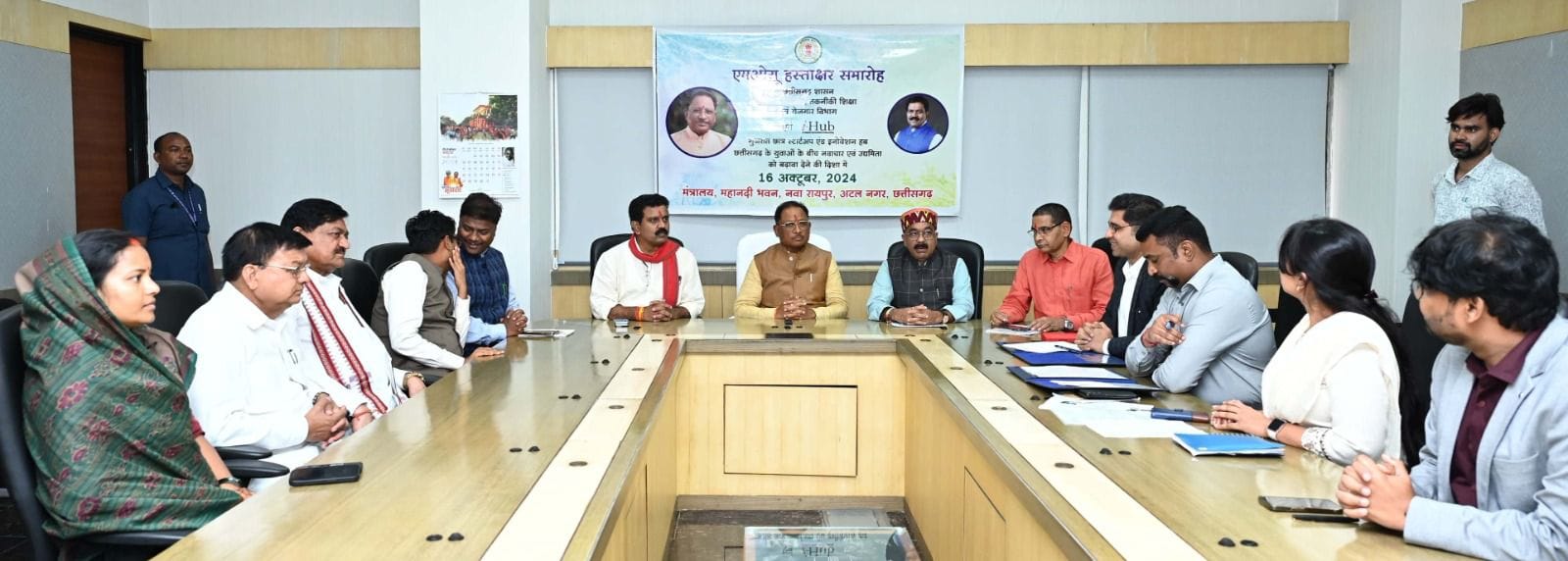
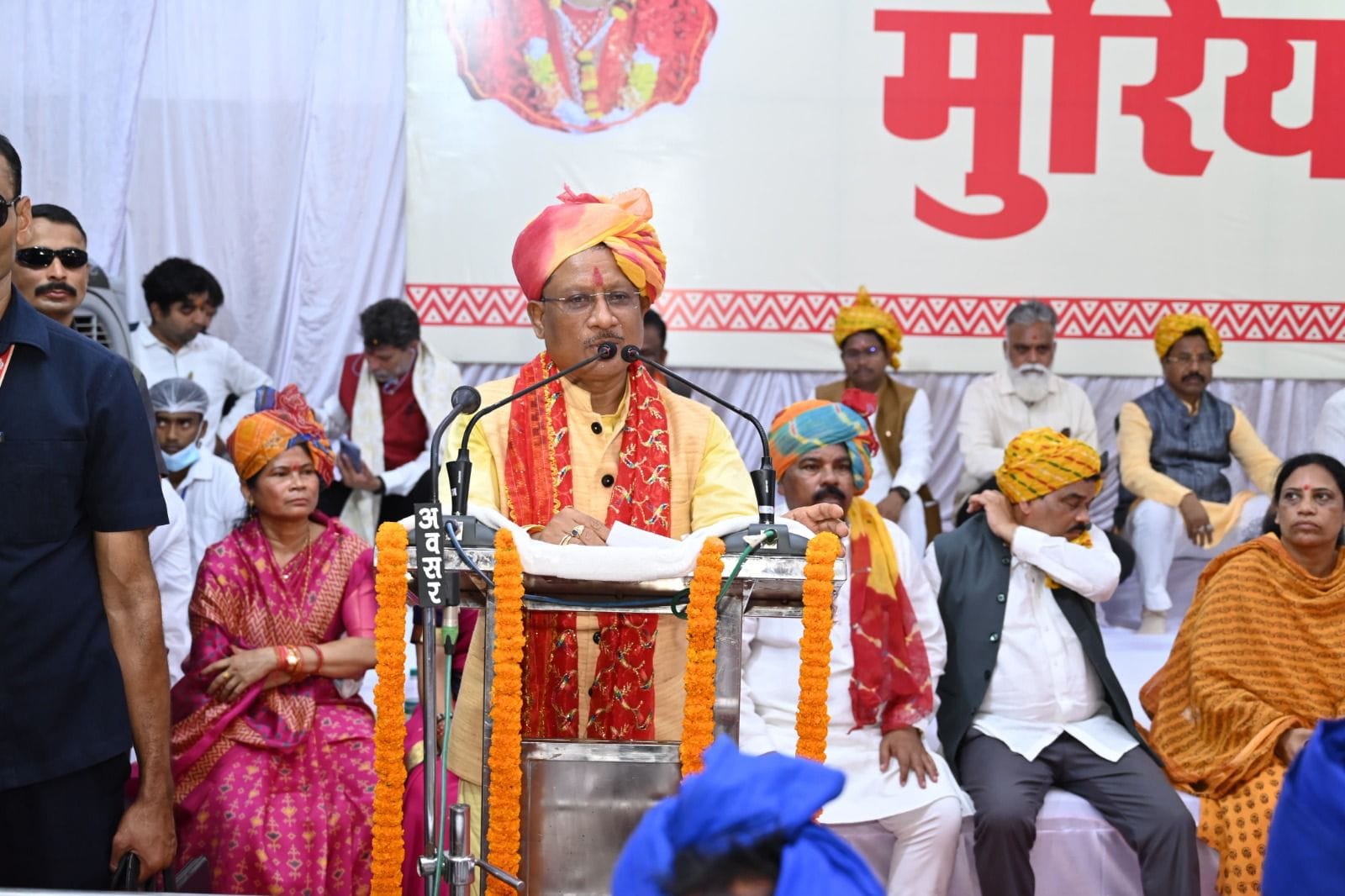
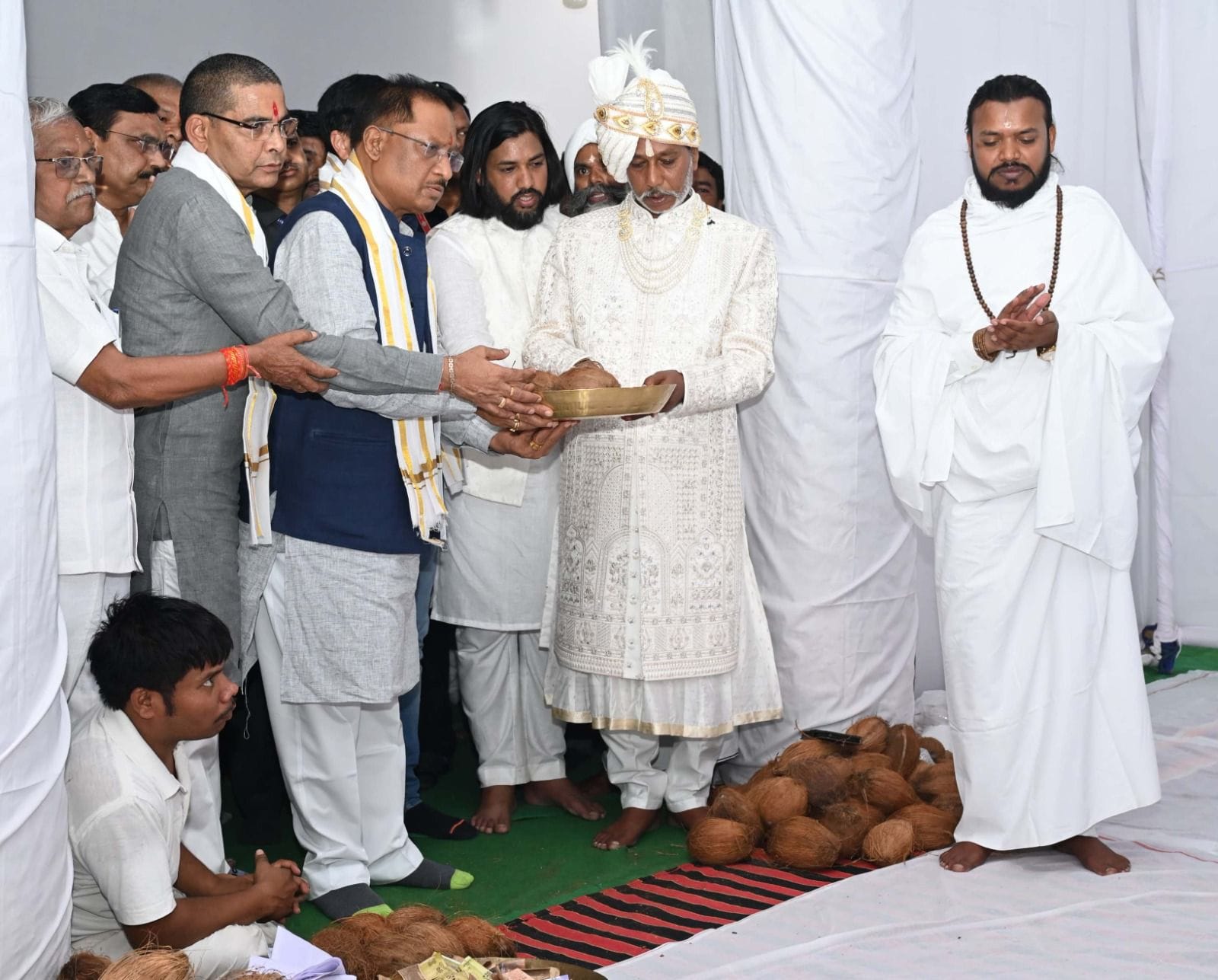
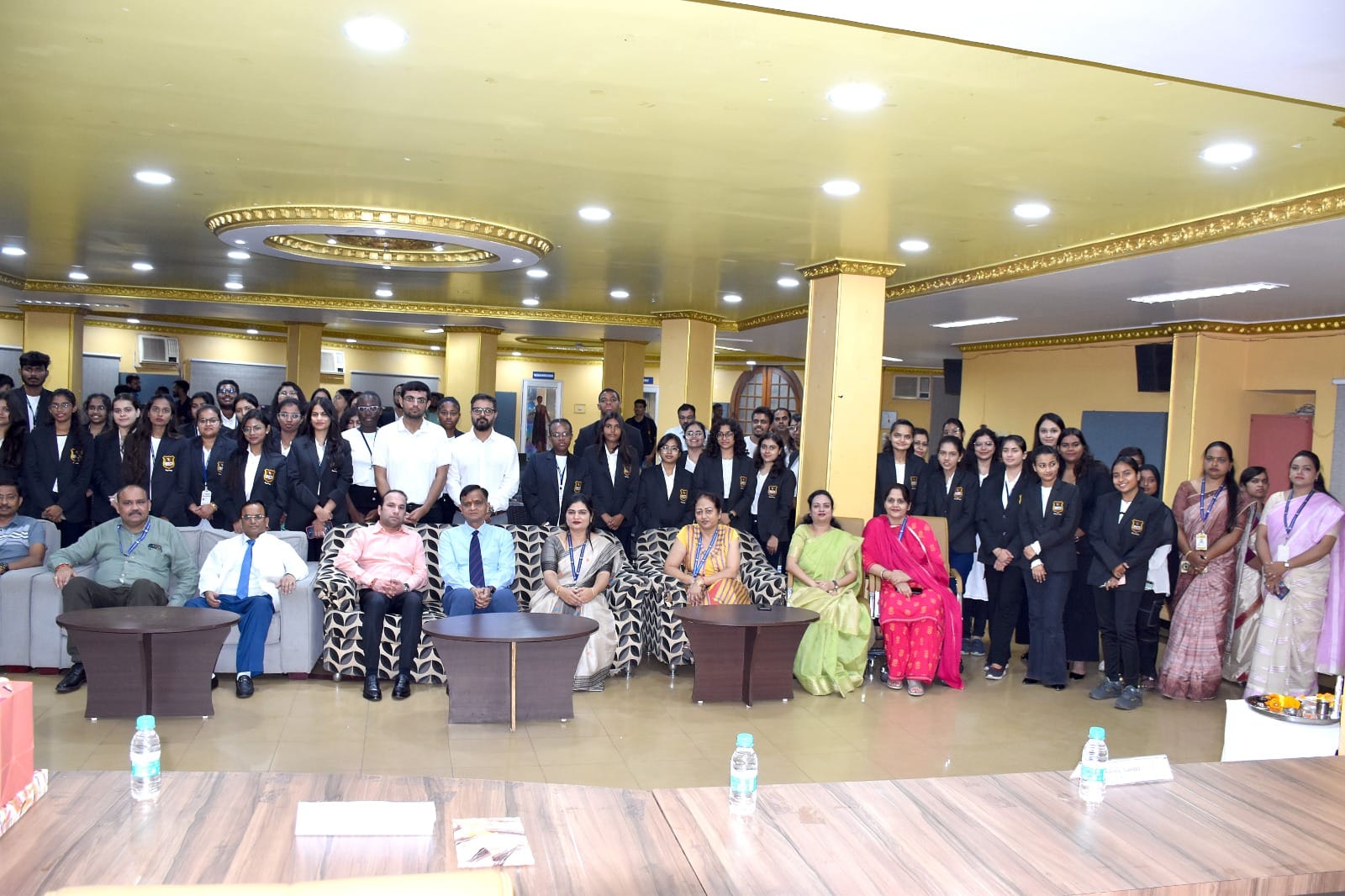
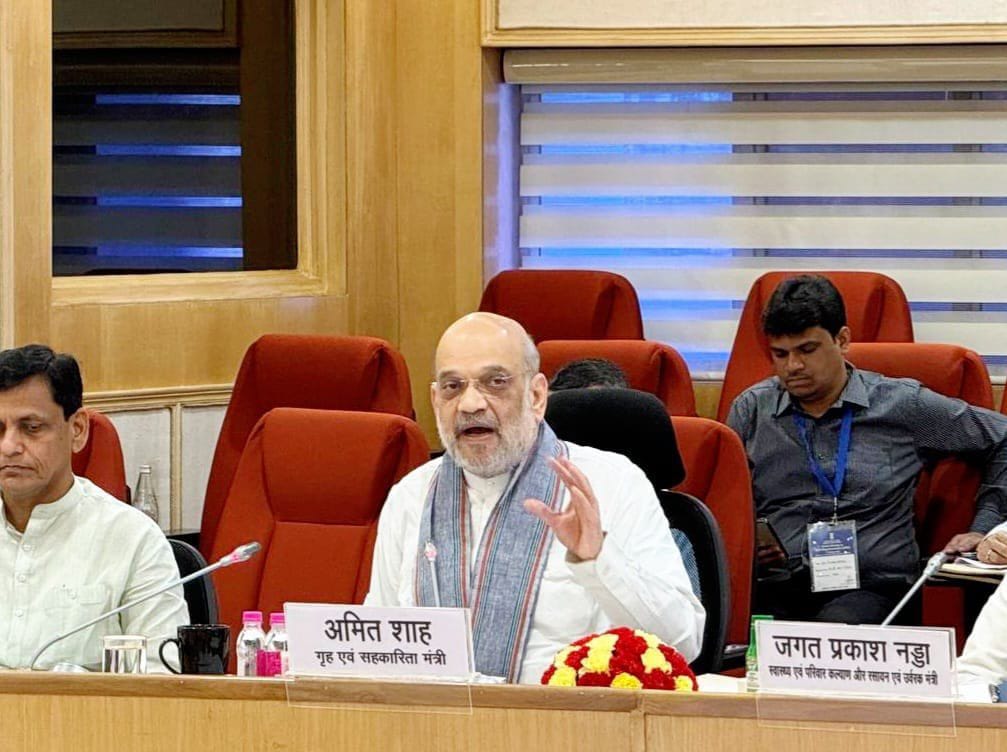




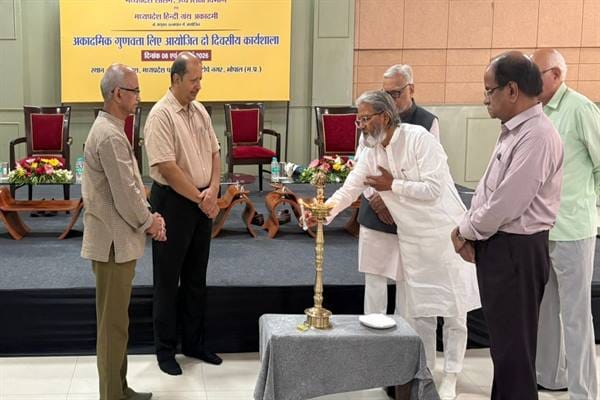
With the aim of effective implementation of National Education Policy-2020 and ensuring academic quality in higher education, a two-day workshop on “Indian Knowledge Tradition and Academic Quality Testing in Manuscripts of Reference Books of Undergraduate Level Curriculum Development and Identified Subjects” was organized on 8th and 9th May.
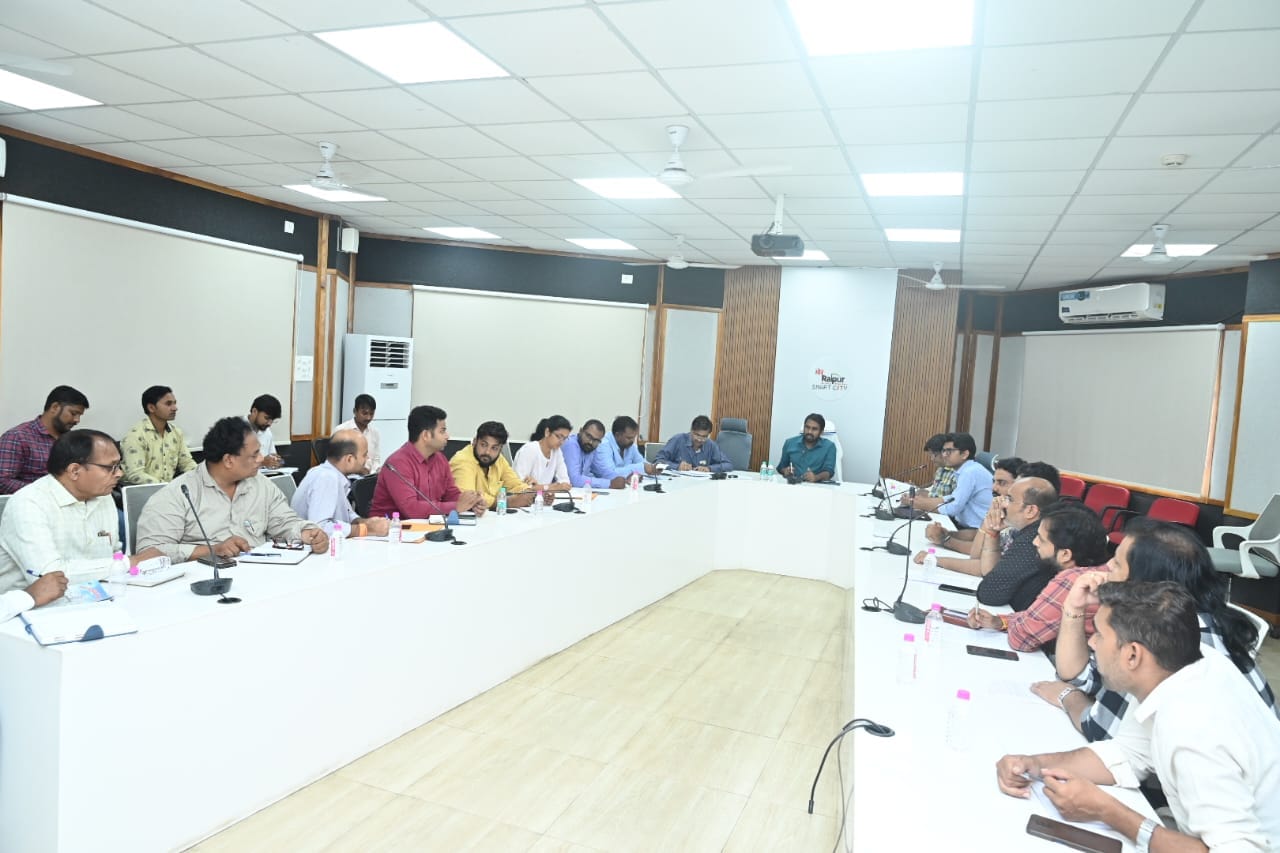
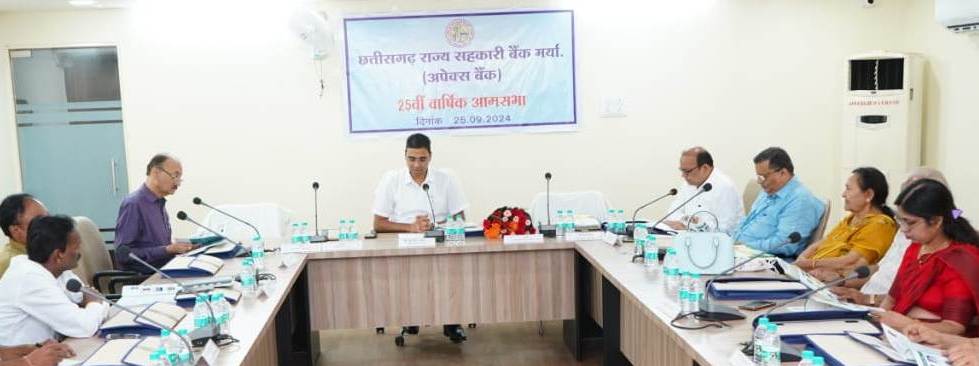
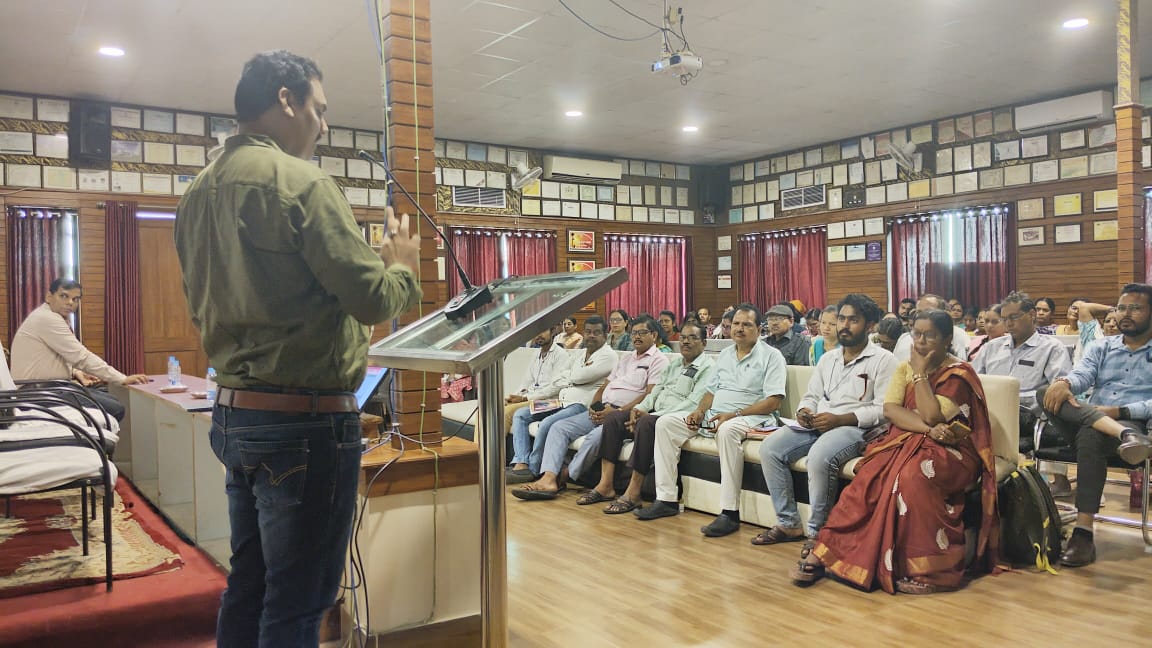
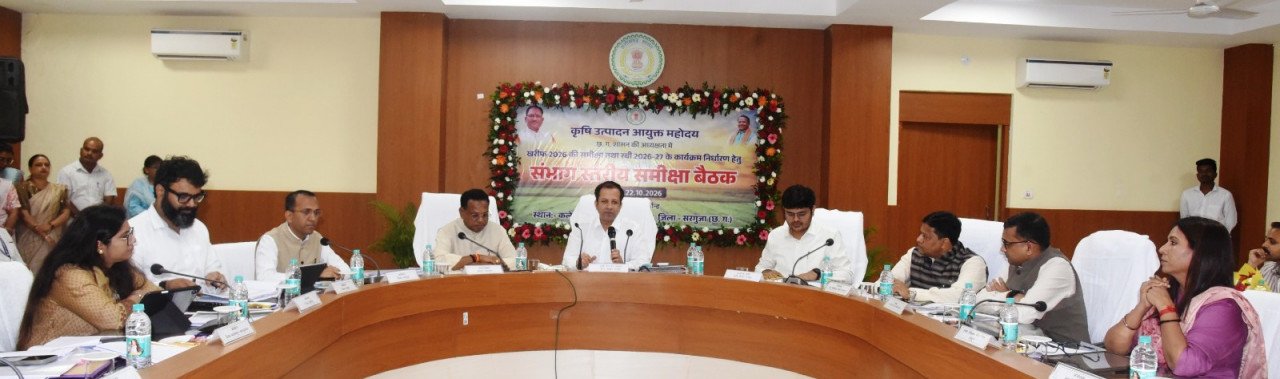
Subject matter experts , educationists , academic scholars, and policymakers from across the state participated in a two-day workshop held jointly by the Higher Education Department and the Madhya Pradesh Hindi Granth Academy at the Palash Residency in Bhopal. In keeping with the spirit of the National Education Policy-2020 , extensive deliberation was held on the quality , relevance, and incorporation of Indian knowledge traditions into higher education curriculum and reference books .
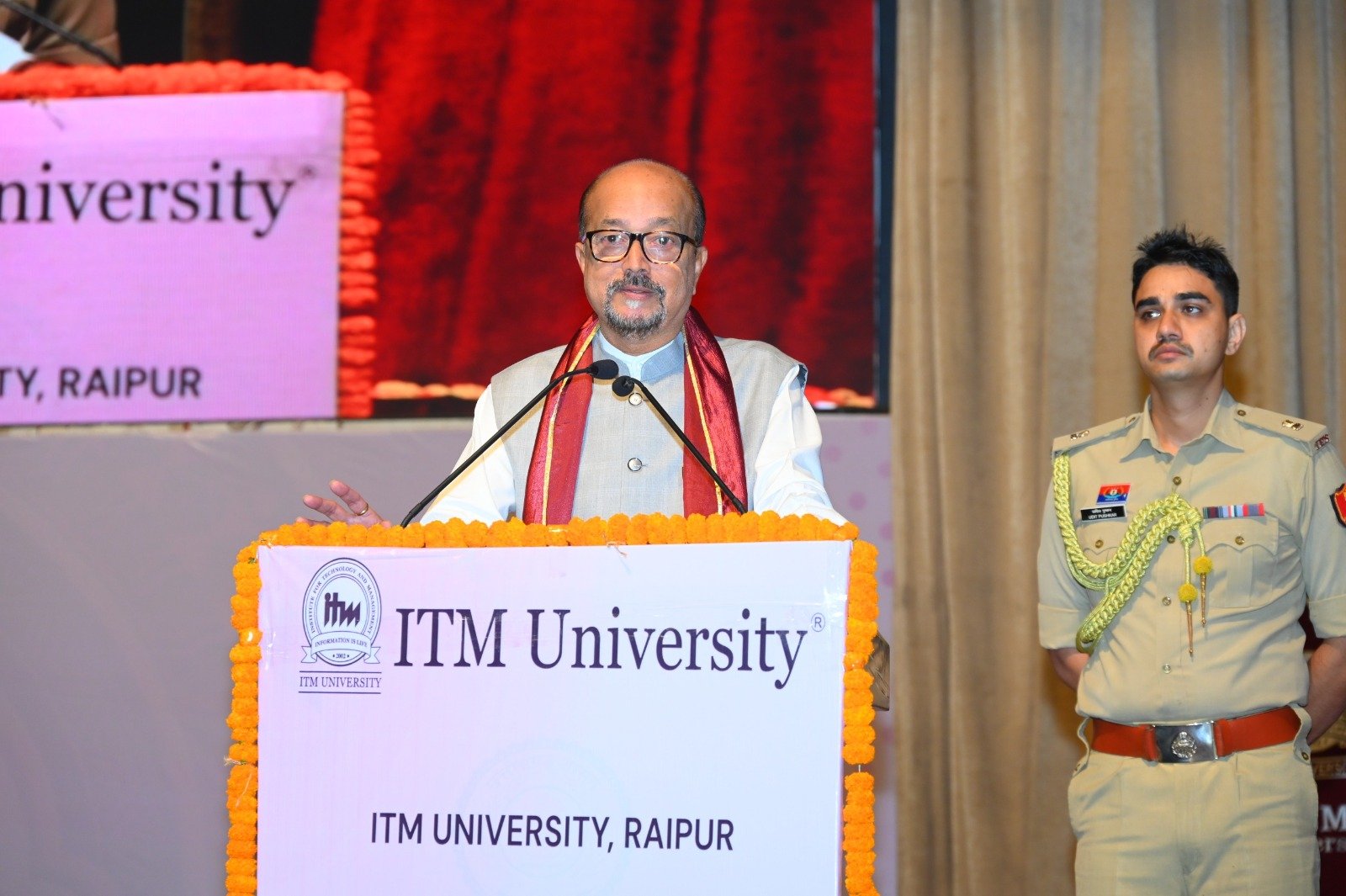
On the first day of the workshop, Commissioner of Higher Education, Mr. Prabal Sipahi, stated that the National Education Policy-2020 is not merely a document of educational reform , but a comprehensive approach to making the Indian education system self-reliant , value-based, and knowledge-centered. Mr. Sipahi added that the course materials being prepared for students must be quality-oriented , contemporary, and enriched with Indian contexts.

Mr. Ashok Kadel, Director of the Madhya Pradesh Hindi Granth Academy, stated that quality testing of academic manuscripts is an important step toward establishing excellence in higher education. He described this initiative as a meaningful effort toward creating useful and employment-oriented knowledge resources for students.
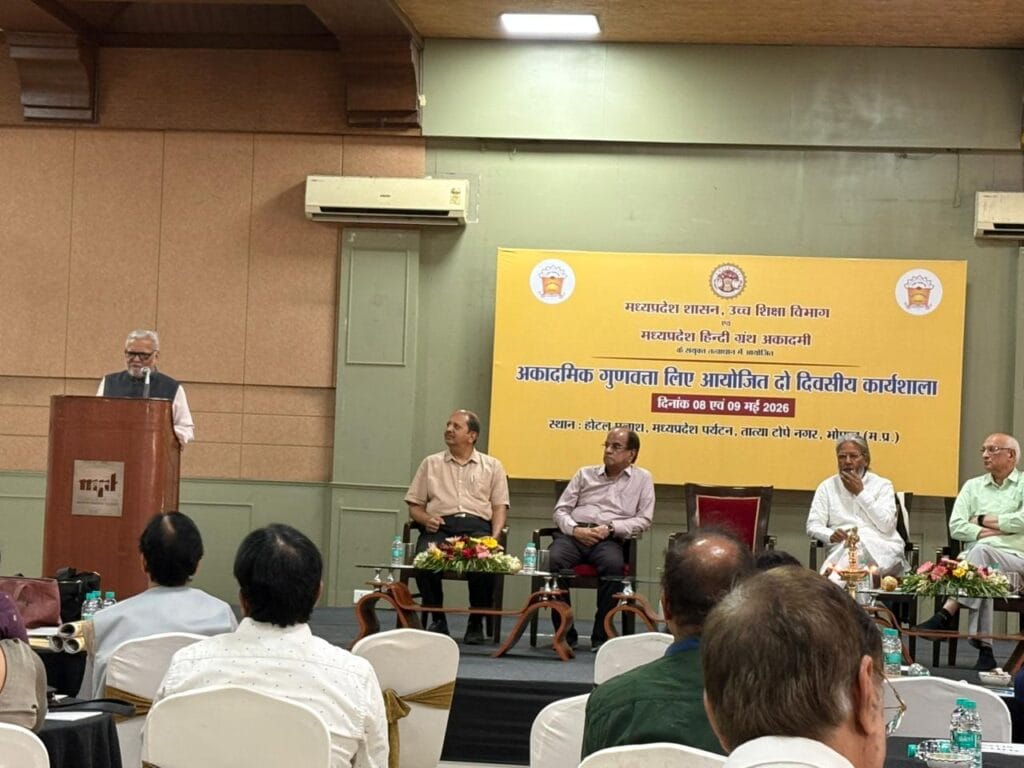
Dr. Atul Kothari, National Secretary of the Shiksha Sanskriti Utthan Nyas Samiti, described the inclusion of the Indian knowledge tradition as the foundation of the National Education Policy, stating that the purpose of education is not only to obtain employment , but also to develop personality , values, and a sense of nationalism. He emphasized the importance of incorporating Indian thought , culture, and traditional knowledge into the curriculum. Dr. Kothari stated that the state is the first in the country to have extensive work done on the National Education Policy 2020 and the Indian knowledge tradition. This initiative by the Higher Education Department will serve as an example for other states. Dr. Ramesh Chandra Bhardwaj, former Vice Chancellor of Maharishi Sanskrit University, Kaithal, Haryana, described the program as a global event. He thanked the Vice Chancellors of the state’s universities, college professors, and authors, and praised their excellent work.
In the first technical session of the workshop, experts thoroughly examined the syllabi and manuscripts prepared for 21 third-year undergraduate subjects. Subject experts discussed in detail the academic quality of the course material , its language , factual accuracy , contemporary relevance, and its utility in accordance with student needs. In the second technical session, Dr. Ravindra Kanhere stated that quality education is the foundation of a developed India and a developed Madhya Pradesh. Following this, the manuscript of the Indian Knowledge Tradition Reference Book was reviewed. On the second day of the workshop, the manuscript of the Indian Knowledge Tradition Reference Book was presented, and the remaining work of reviewing the syllabi prepared for 21 subjects was completed. Through presentations by the chairpersons of various subjects, the features , objectives, and innovations of the courses were highlighted.
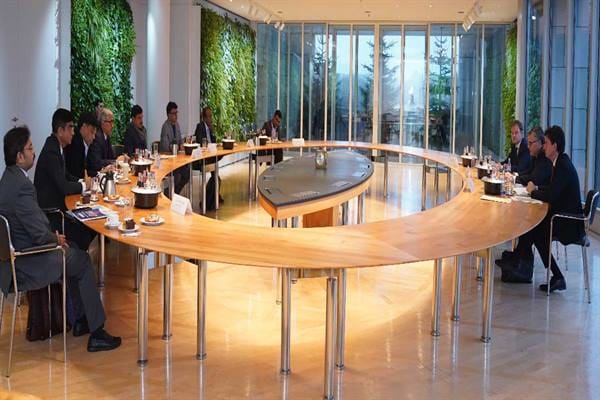
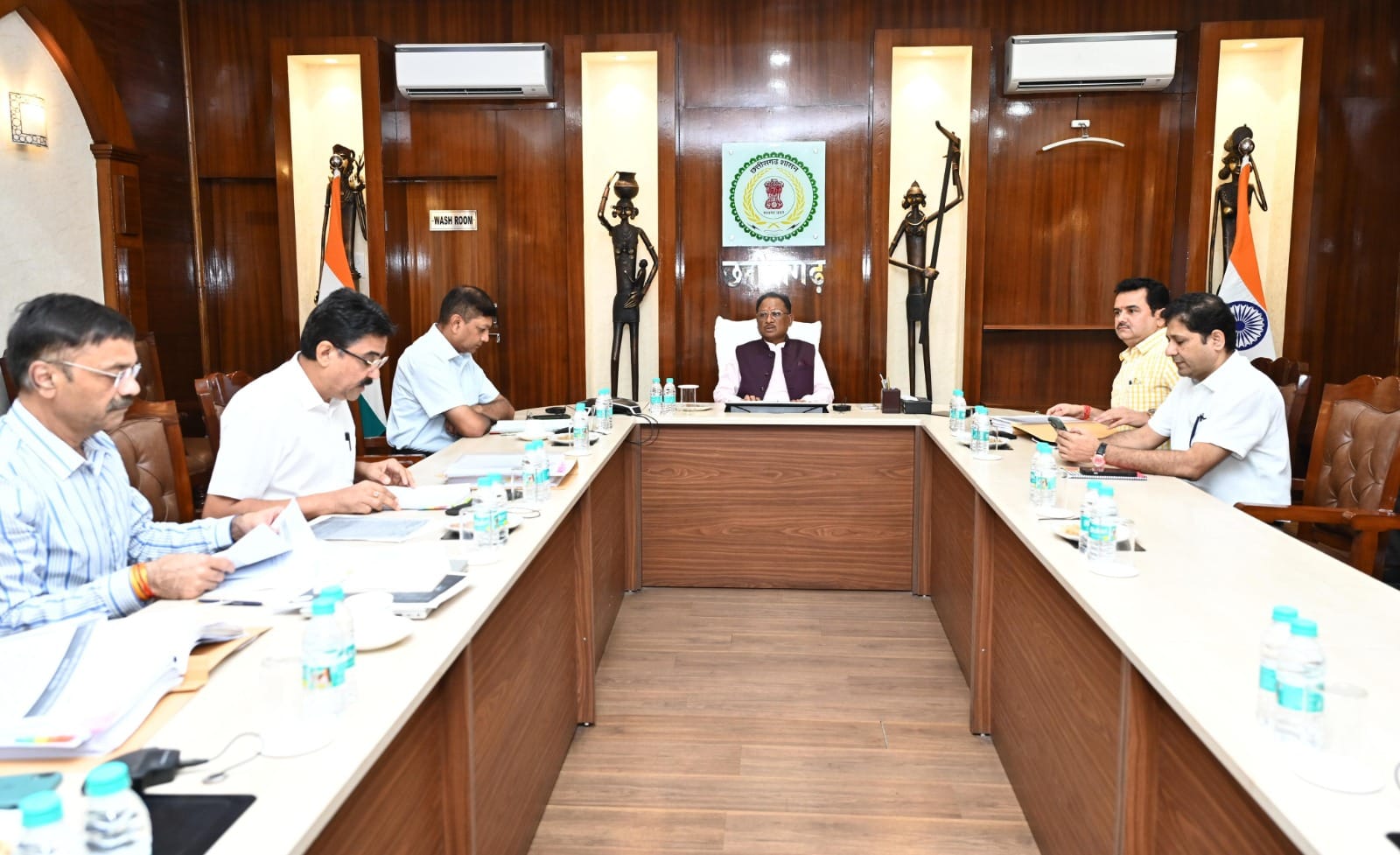
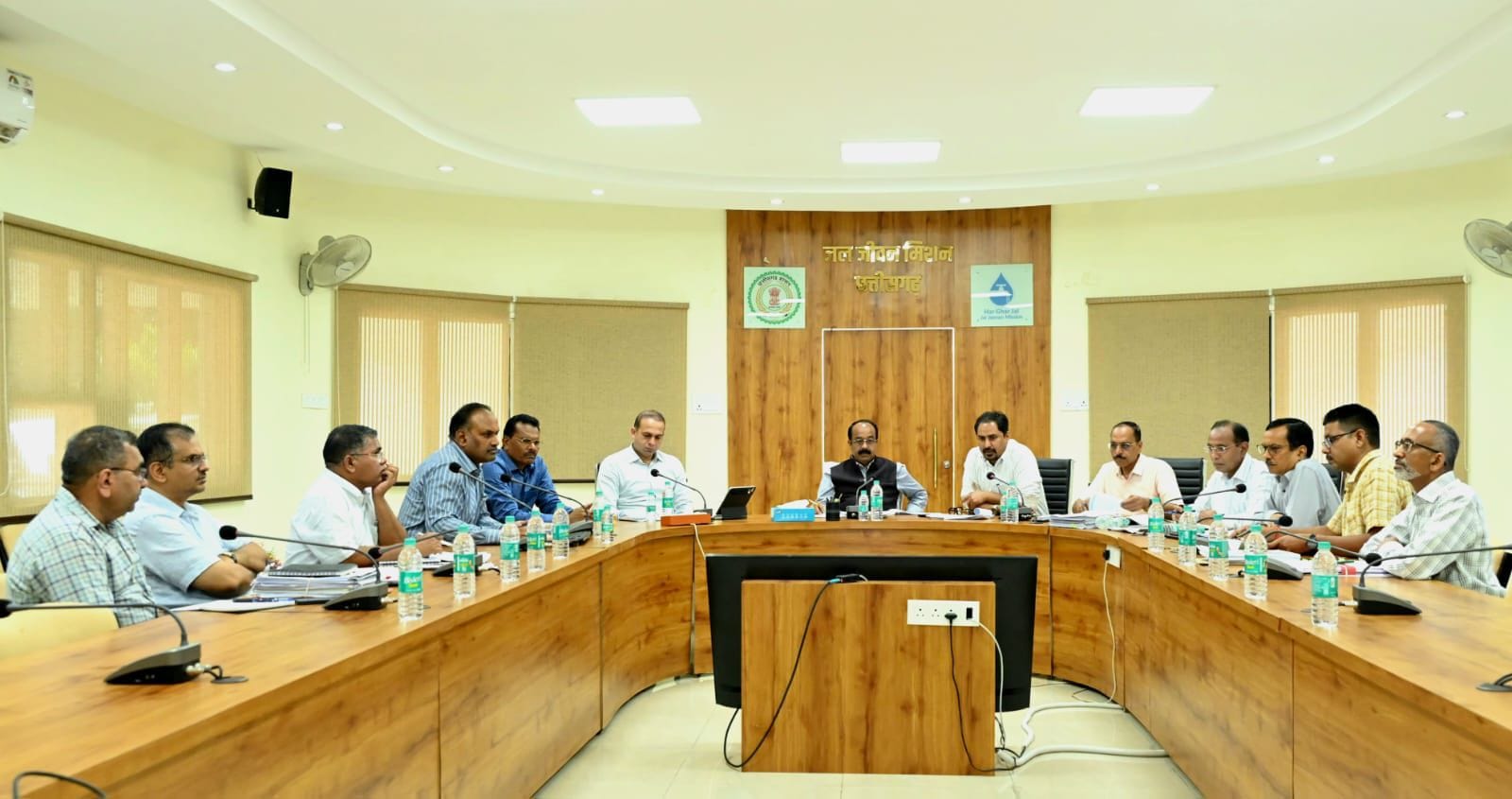
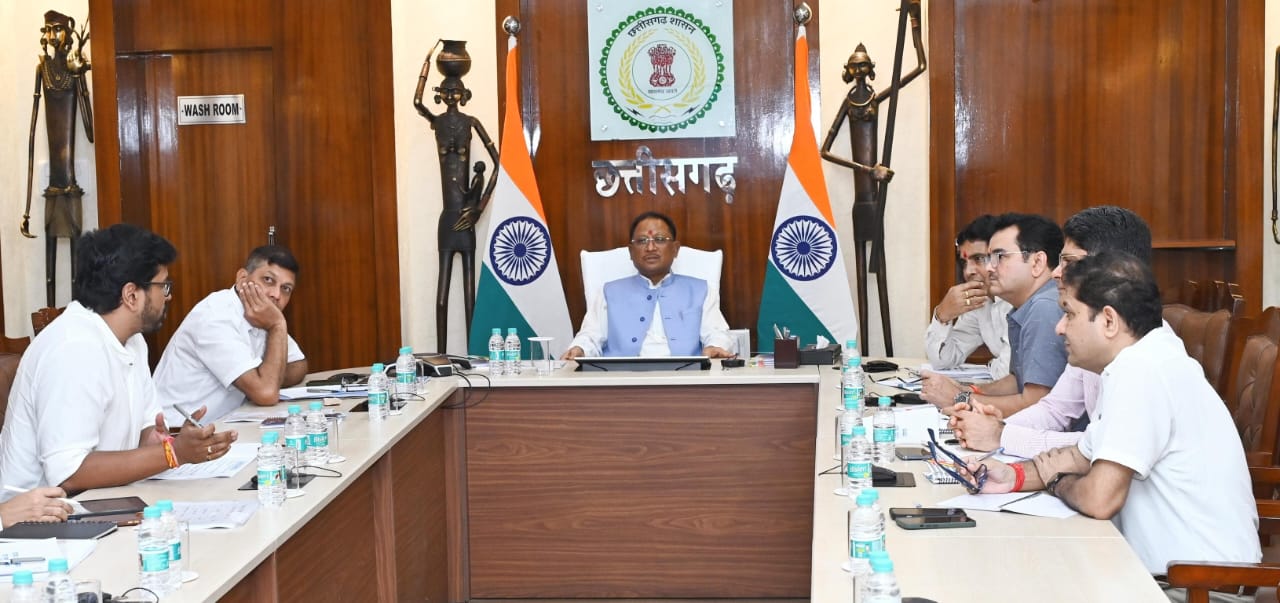
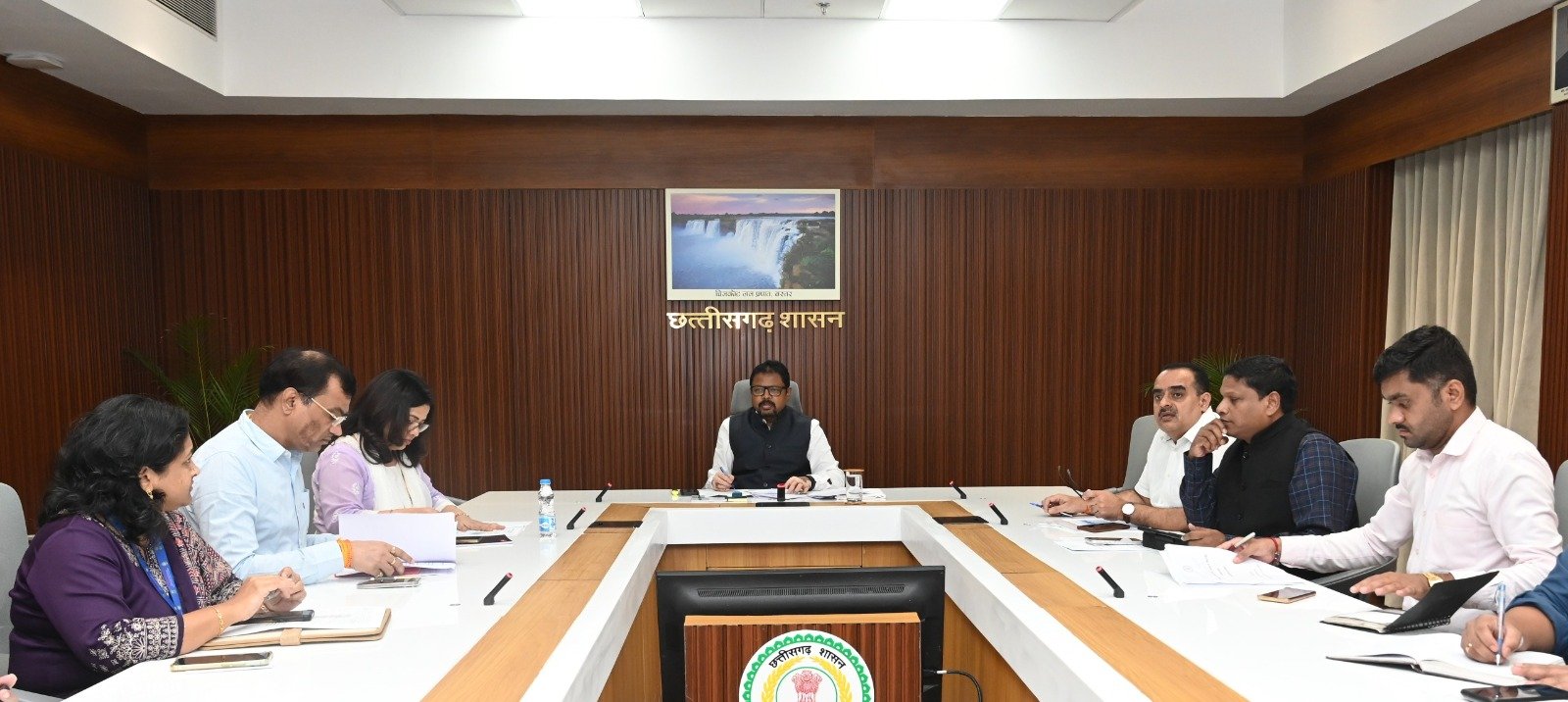
During the workshop, a meeting of the Higher Education Department’s apex committee on the Indian Knowledge Tradition was also held , where serious discussions were held on the Indian Knowledge Tradition-based study materials , curriculum development, and future action plans. A special meeting was also held to promote research activities and innovation. At the conclusion of the workshop , speakers stated that the study materials being developed in accordance with the National Education Policy-2020 will encourage critical thinking , ethical values , Indianness, and a research approach among students. This workshop will prove to be an important milestone in the integration of quality , innovation, and the Indian Knowledge Tradition in higher education . In the final phase of the workshop , a meeting was held on the topic “Developed India – Education in Madhya Pradesh,” where various suggestions were considered to make the state’s education system more effective , inclusive, and future-oriented. The program was moderated by Dr. Manoj Kumar Singh, Officer on Special Duty, Higher Education. The workshop concluded with a vote of thanks.