















































































































- Chhattisgarh’s new initiative is in line with the Centre’s reforms for deregulation and reducing compliance burden.
- A Negative List-based system will make land use more flexible and practical, facilitating investment and development activities.
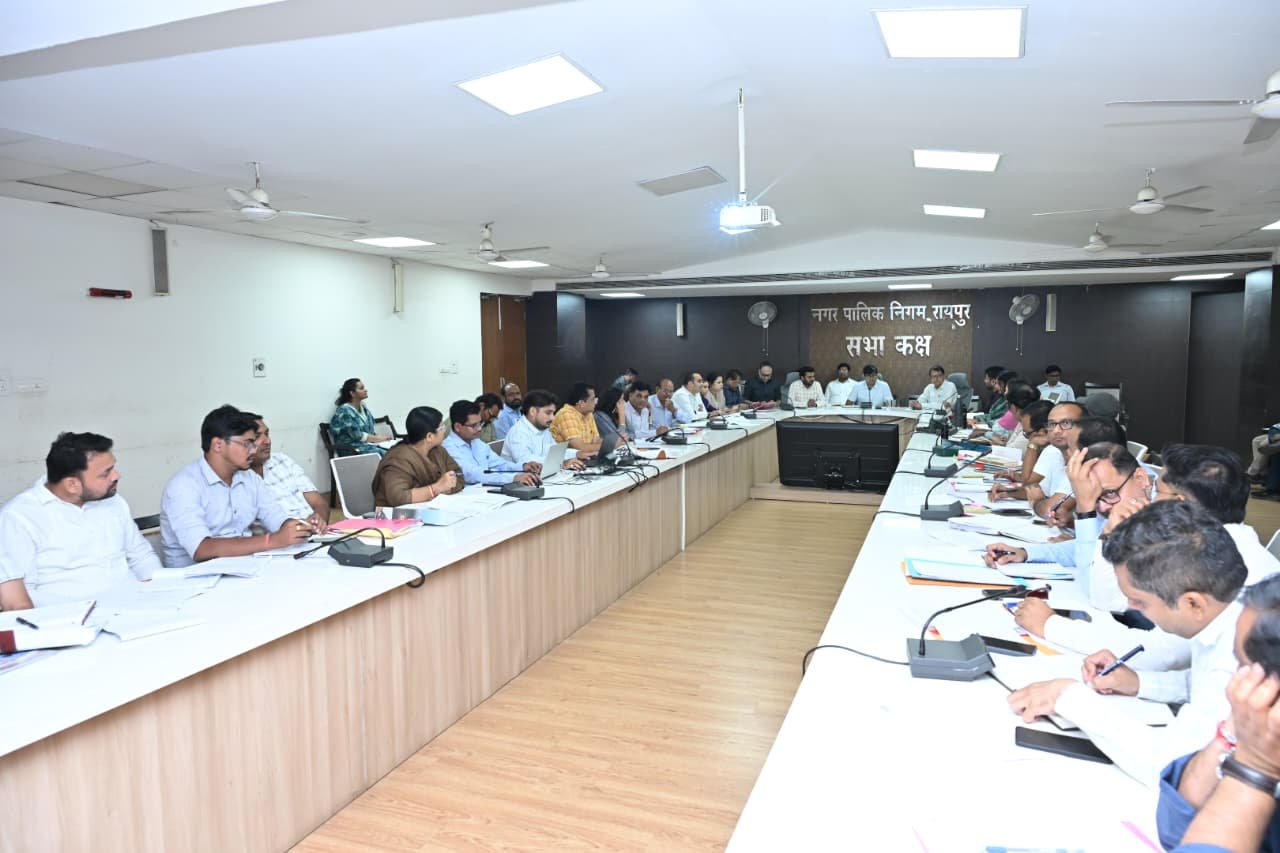
The state government has taken significant initiatives to accelerate development activities in Chhattisgarh and make land use procedures simpler, clearer, and more practical. The Housing and Environment Department has prepared a proposal to amend the Chhattisgarh Land Development Rules, 1984. The proposed amendments provide for the adoption of a Negative List-based system for various land use categories. This initiative is consistent with the central government’s comprehensive reforms aimed at deregulation and reducing compliance burdens.
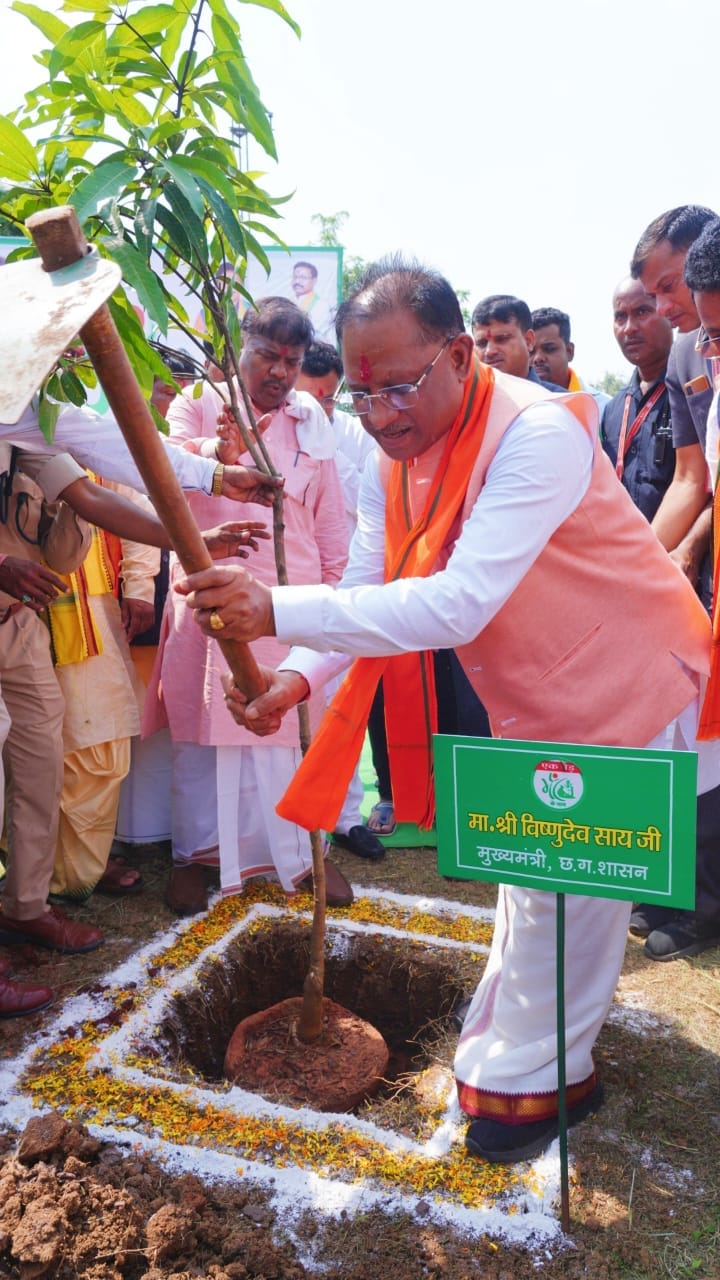
Chief Minister Shri Vishnu Dev Sai said that the state government is constantly striving to simplify rules and procedures for citizens, entrepreneurs, and investors, and to create an environment conducive to development. The proposed amendments to land use regulations are an important step in this direction. This will facilitate the advancement of development activities in accordance with changing needs and will accelerate investment, employment, and infrastructure development in the state.
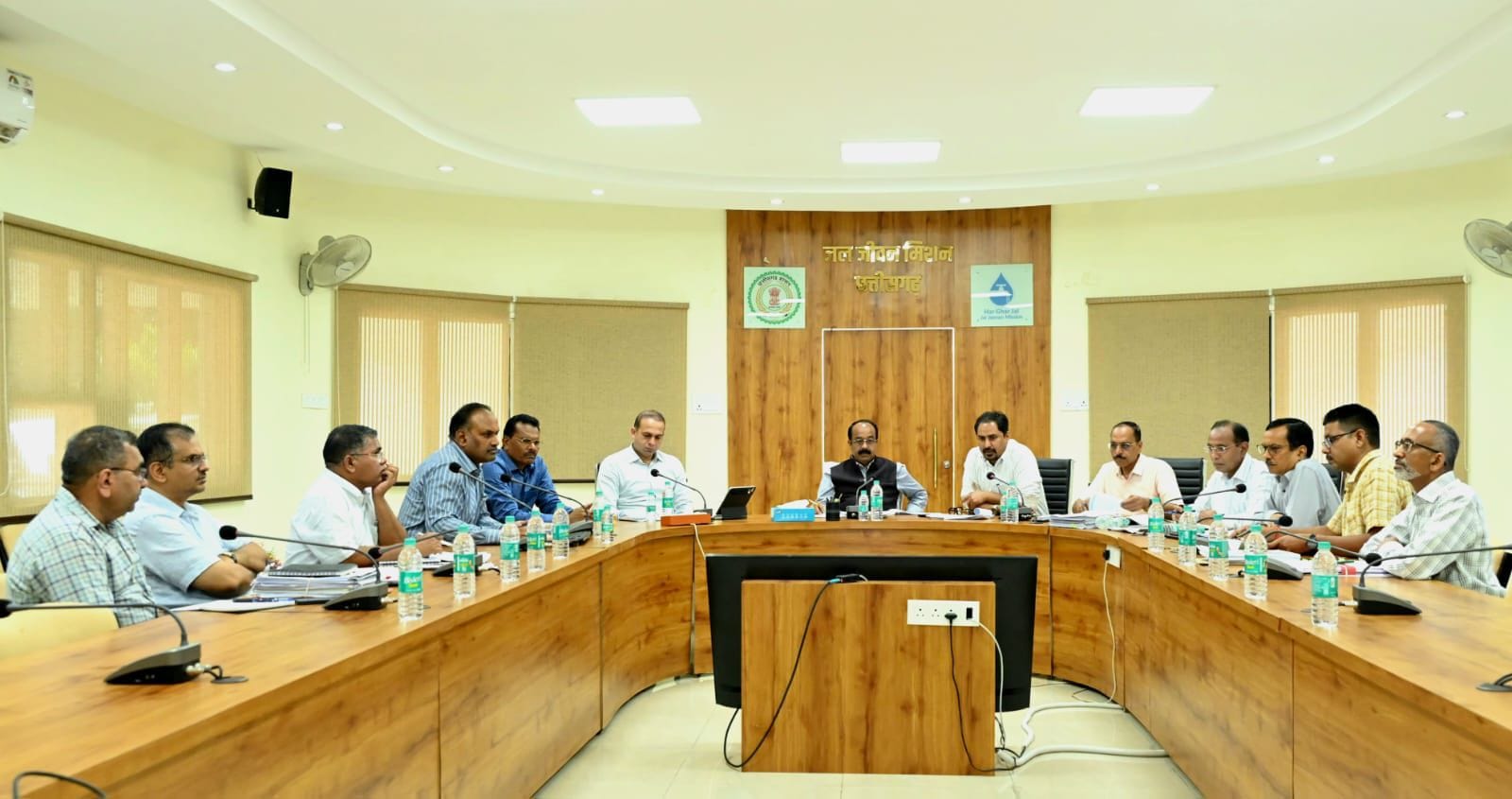
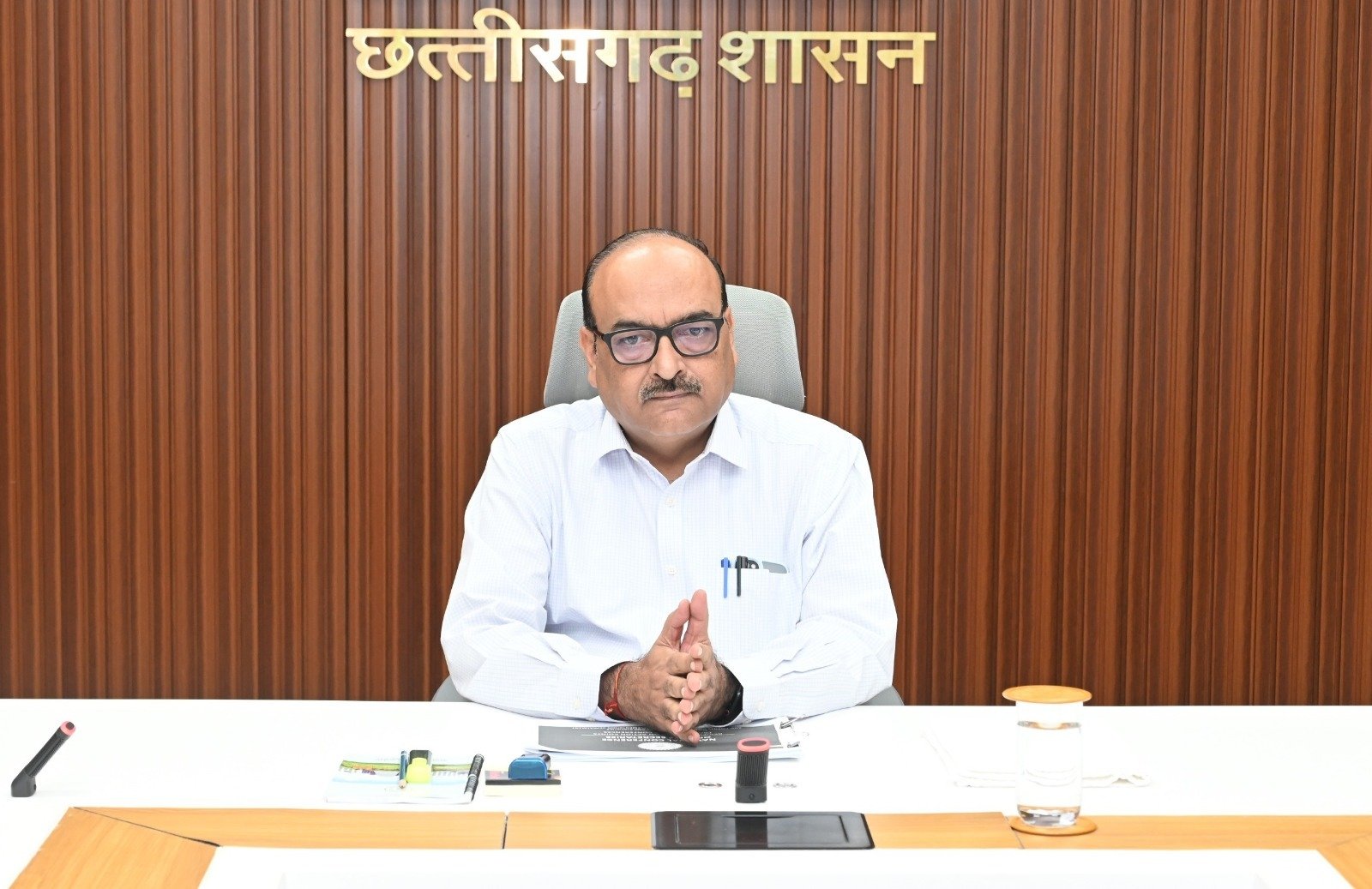
Housing and Environment Minister Shri OP Chaudhary stated that the government’s objective is not to eliminate regulation, but to make it more clear, simple, flexible, and results-oriented. Through a Negative List-based system, prohibited activities will be clearly defined, while unnecessary regulatory barriers for other activities will be reduced. This will make the land use system more practical in response to changing economic and social needs.

Minister Mr. Choudhary stated that Chhattisgarh is continuously implementing policy reforms in line with Prime Minister Mr. Narendra Modi’s Developed India Vision @ 2047 and the Government of India’s reforms related to deregulation and ease of living. The Housing and Environment Department has implemented numerous reforms over the past two years to accelerate rural and urban development. In this context, this proposed change in the Chhattisgarh Land Development Rules will provide new impetus to the state’s residential, commercial, and industrial development.
He stated that this reform will make the various land uses defined in the Master Plan more flexible, practical, and timely. This will benefit ordinary citizens and pave the way for reducing difficulties in land use-related processes. The new system aims to enhance development potential while also striking a balance between planned development and necessary restrictions.
- Clear list of prohibited activities, wide scope for other activities

According to the proposed amendment, only the specified prohibited activities will be prohibited in various land use categories. Activities not included in the Negative List for the respective land use category will be considered permitted. This will provide greater opportunities for existing activities as well as for new activities to be developed in the future.
The proposal sets out separate lists of prohibited activities for residential, commercial, industrial, public and semi-public, transportation, recreational, and agricultural land uses. This will develop a clear regulatory framework tailored to the nature, environmental sensitivity, and development needs of each area.
- Safety and environment are a priority in residential areas.
Under residential land use, it is proposed to prohibit activities such as polluting industries, large storage facilities, scrapyards, infectious disease hospitals, prisons, large transport terminals, wholesale trade, oil depots, petroleum and flammable materials storage, gas warehouses, animal husbandry and fisheries, dairy and poultry farming, cremation grounds/cemeteries, and mining. This will help maintain safety, environmental quality, and better living conditions in residential areas.
- Clear planning for commercial and industrial areas
Commercial land use includes prohibition of orange, red and blue category industries, storage of hazardous and toxic chemicals and explosives, animal husbandry, fisheries, dairy and poultry farming, cremation/burial grounds and mining activities.
Whereas in industrial land use, it is proposed to ban fully residential townships, hostels and dormitories except permitted employee housing, schools, infectious disease hospitals, prisons, large transport terminals, wholesale trade, oil depots, storage of petroleum and inflammable substances, gas warehouses and environmentally sensitive and incompatible activities.
- Clear arrangements for agriculture, public and transport sectors as well
It is proposed to prohibit activities like large commercial complexes, hazardous commercial uses, various categories of industries, high density housing schemes and large malls except residential layouts, affordable public housing and integrated townships in agricultural land use.
Similarly, for public and semi-public, transportation, and recreational land uses, incompatible, polluting, hazardous, and excessively burdensome activities are expressly prohibited. This will enable a better balance between the designated land use and the development needs of the area.
- Planning to suit the new economy and changing needs
With a rapidly changing economy, new services, institutions, businesses, and technological activities are constantly evolving. Therefore, regulating activities based on clearly defined prohibited activities, rather than a long list of predefined ones, will provide greater opportunities for new and emerging activities.
The proposed framework is expected to accelerate development projects by reducing unnecessary compliance burdens and creating a more clear and predictable regulatory environment for investors. This will also promote planned development in the state’s cities and towns, while also facilitating the development of new housing, business, services, and infrastructure to meet changing needs.
- Suggestions sought from citizens and stakeholders
Objections and suggestions on the proposed amendments have been invited from citizens and concerned parties. The government will consider any objections and suggestions received within 15 days of publication in the gazette. The proposed amendments to the rules will then be finalized following the established procedures.
This proposed change in land use rules is a significant reform towards simplifying regulations, reducing compliance burdens, clear planning, and creating an environment conducive to development in Chhattisgarh. This will help make the planning system more flexible and future-ready to meet the state’s changing development needs.