






















- Dhananjay Rathore, Joint Director
- Ashok Kumar Chandravanshi, Assistant Public Relations Officer
From “Mann Ki Baat” to the national horizon – Almost all nature lovers believe that nature never forgets its debt. If humans sincerely take a step toward its conservation, nature repays them many times over in its splendor. The sacred land of Chhattisgarh, renowned for centuries for its natural wealth and dense forest areas, is today moving toward a new golden era of wildlife conservation.
Blackbucks have been successfully reintroduced to the Barnawapara Wildlife Sanctuary (approximately 245 sq km) in the Balodabazar-Bhatapara district of Chhattisgarh, where their numbers have now reached close to 200. These deer, which went extinct in the 1970s, were brought back through a 2018 reintroduction plan and scientific efforts to 2026. Recently, when the country’s illustrious Prime Minister, Shri Narendra Modi, mentioned the successful return of the blackbucks to the Barnawapara Sanctuary in his popular program “Mann Ki Baat,” it marked not just a state achievement but a new chapter in wildlife conservation on India’s environmental map.
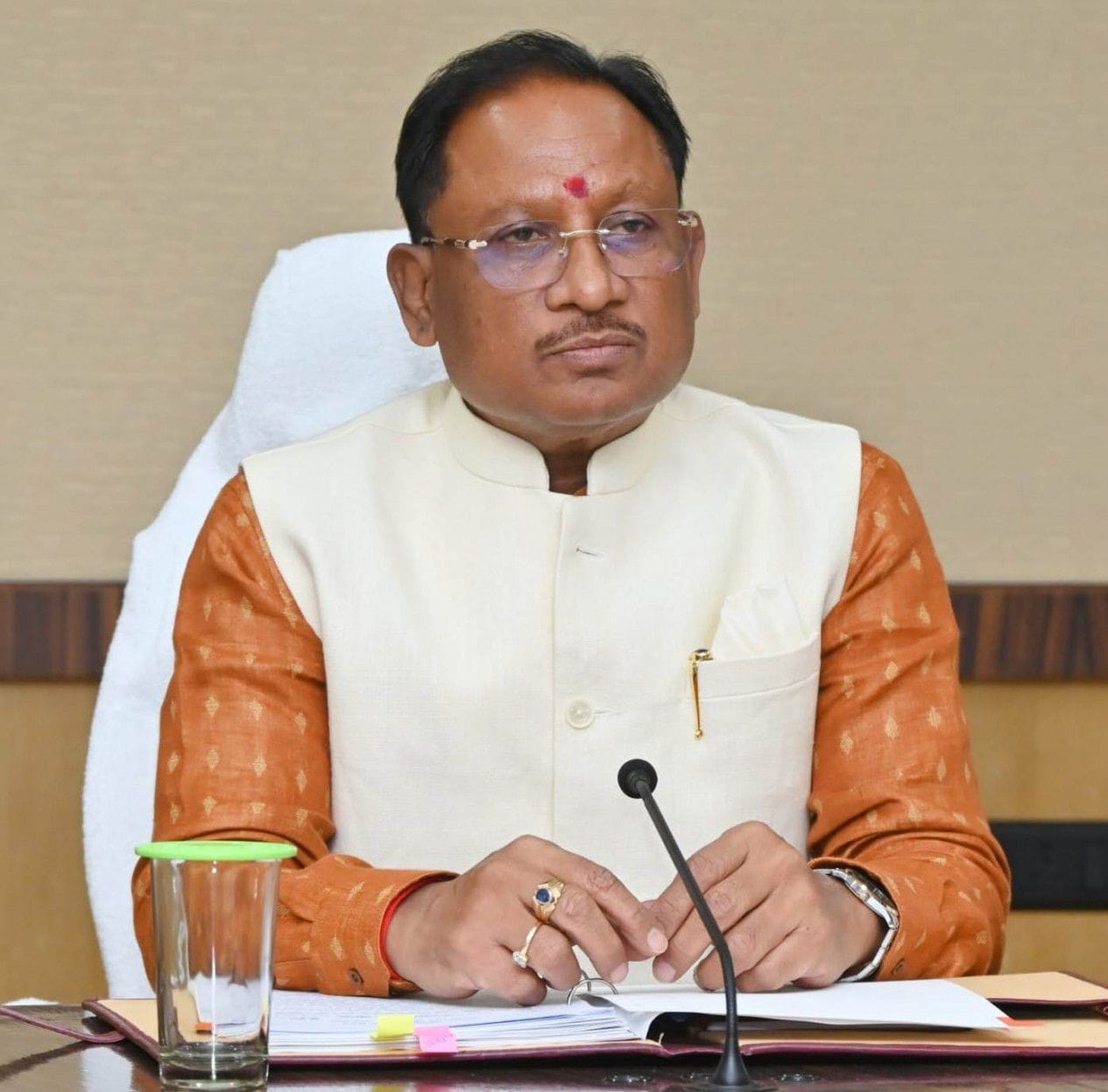
Visionary Leadership and Commitment – The architect of this proud achievement is Chhattisgarh Chief Minister Shri Vishnudev Sai. He described this success as a result of the state’s rich biodiversity and the government’s unwavering commitment to the environment. Chief Minister Shri Sai believes that the Prime Minister’s praise is not just a compliment, but a national endorsement of the hard work of Chhattisgarh’s Forest Department and local communities. Under the Chief Minister’s leadership, Chhattisgarh is today achieving the rare balance between development and ecosystem that the entire world needs.

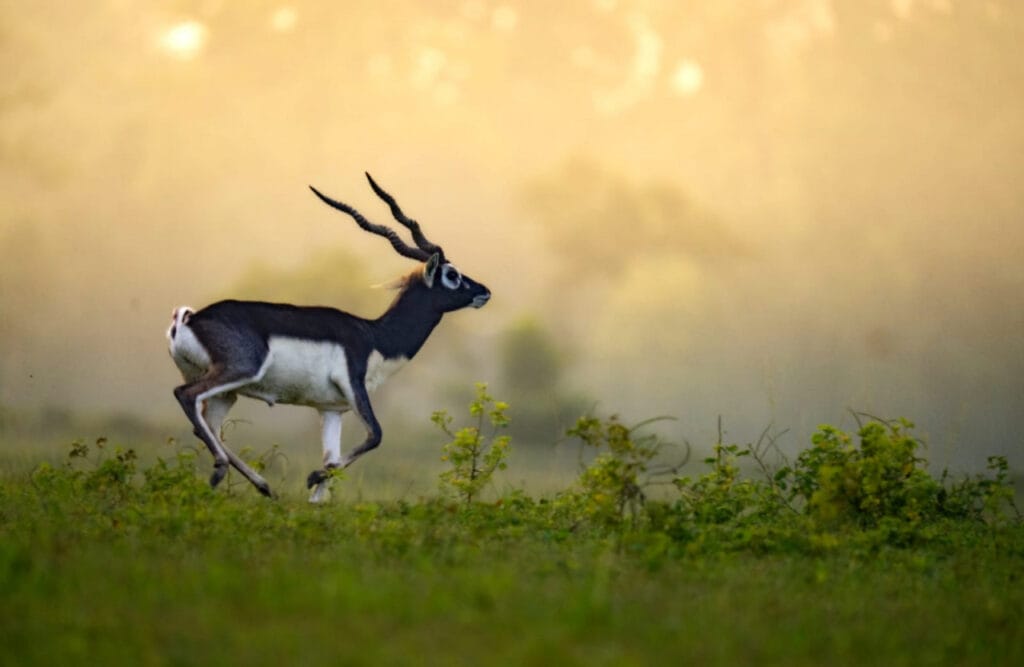
Scientific Strategy: From Extinction to Rehabilitation – Blackbucks were once rare sightings in the Barnawapara Sanctuary. However, the able guidance of Forest Minister Shri Kedar Kashyap and the strategic direction of Principal Chief Conservator of Forests (Wildlife) Shri Arun Kumar Pandey transformed this seemingly impossible goal into reality. The month of February 2026 marked a milestone in Chhattisgarh’s forest history when, under the close supervision of experts, 30 blackbucks were released into their natural habitat using the “soft release” method. This process was not limited to releasing them into the wild, but also aimed to ensure they could adapt to their new environment without any stress. Improved nutrition and scientific care at the Blackbuck Conservation Centre led to an increase in their numbers.
Administrative will and on-the-ground struggle— behind this massive campaign is the hard work of the brave officers and field staff who worked day and night. Led by Chief Conservator of Forests (Raipur), Mrs. Satovisha Samajdar, and Divisional Forest Officer (Balodabazar), Mr. Dhammasheel Ganvir, a dedicated team of field staff, biologists, and veterinarians acted as a shield. Currently, high-tech surveillance systems, GPS tracking, and regular patrolling are being used to protect these deer, a testament to the technological prowess of the Chhattisgarh Forest Department.
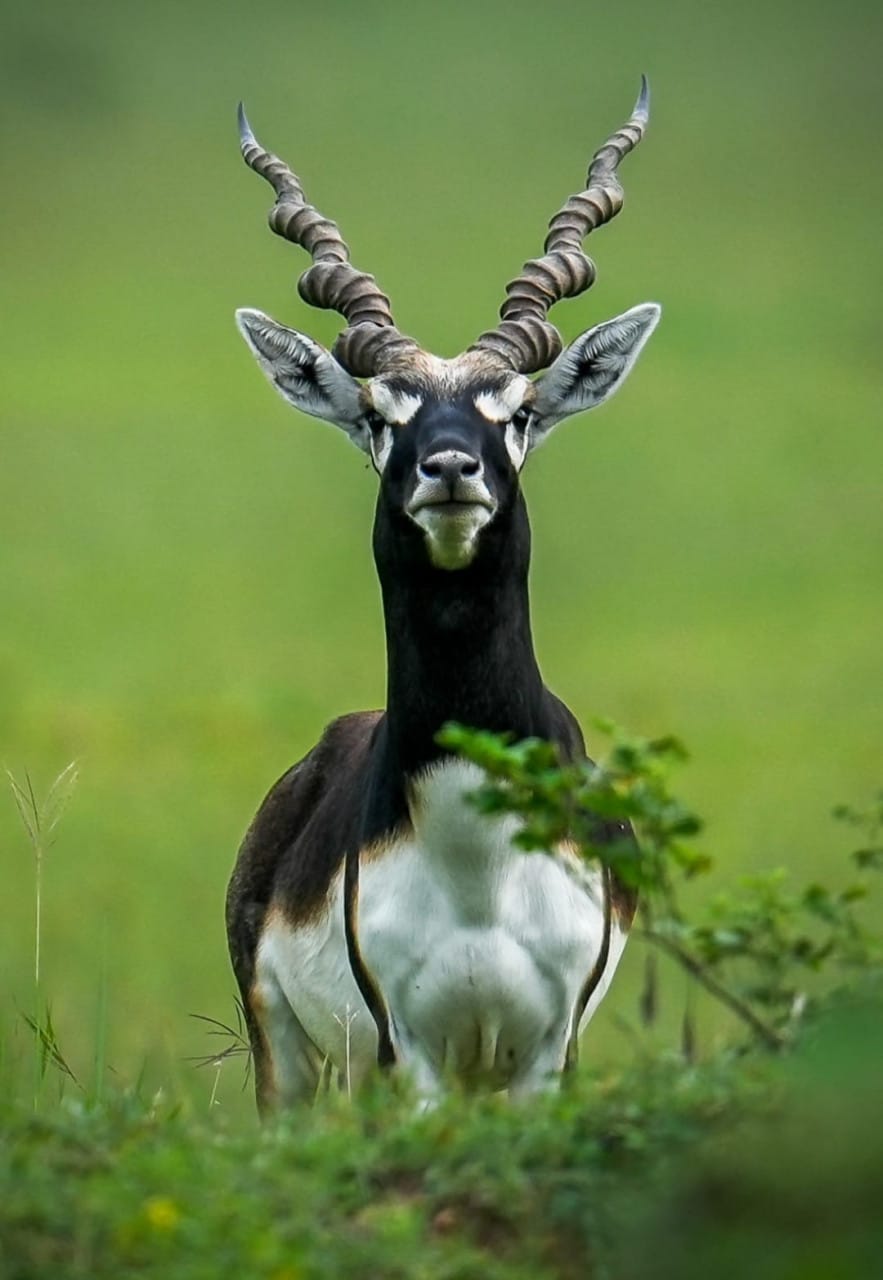
Rampur Grasslands: Cradle of a Secure Future The Barnawapara Sanctuary’s model can serve as a case study for other states in the country. It not only rehabilitated the blackbuck species, but also developed a complete habitat for them. Scientific management of the Rampur Grasslands, restoration of natural water sources, and promotion of native grassland species are key factors that have enabled the blackbuck to flourish there. Furthermore, the active participation of local communities has provided a unique example of human-wildlife coexistence. The blackbuck is an endangered antelope found in the Indian subcontinent. Male blackbucks are dark brown to black in color, have long, spiral-shaped horns, and a white underside. Female blackbucks are lighter brown and generally lack horns. This species is found in open grasslands and is active during the day. Its main diet consists of grasses and small plants. They stand approximately 74 to 84 centimeters tall. Males weigh between 20 and 57 kilograms, and females between 20 and 33 kilograms. Male blackbucks are easily recognizable by their spiral-shaped antlers, which can reach up to 75 centimeters long.
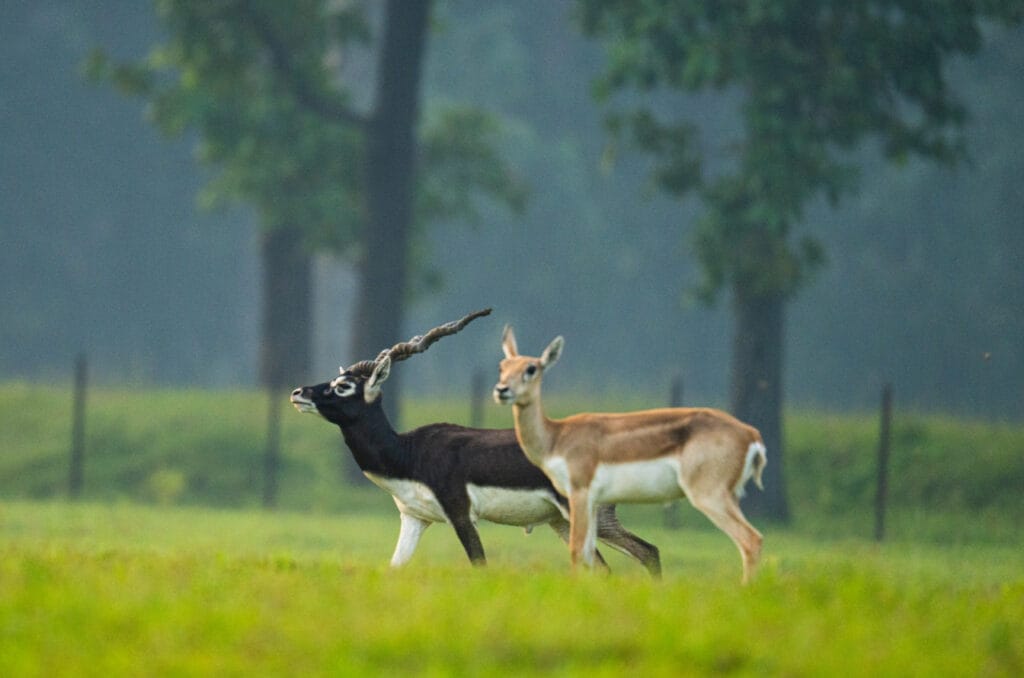
The Way Forward and a National Message – The resounding scurry and scurry of the blackbucks in the Barnawapara Sanctuary are living proof that if humans understand their sensitivity and responsibility towards nature, lost heritage can be restored. This initiative will serve as a ‘living laboratory’ for future generations, where they can learn to live in harmony with nature.
Chief Minister Shri Vishnudev Sai believes that Prime Minister Shri Narendra Modi’s “Mann Ki Baat” has provided a global platform for our innovations. The Chhattisgarh government is building a future where both humans and wildlife are safe by linking environmental conservation and the rural economy. Today, when we see blackbucks frolicking in the open valleys of the Barnawapara Sanctuary, it seems as if nature itself is smiling and blessing this commendable effort of Chhattisgarh. This is the pinnacle of Chhattisgarh’s pride, whose radiance is now inspiring the entire country.