
















- The state’s model for controlling filariasis and malaria has been praised nationwide.
- BIHAN model in filariasis elimination and ‘Malaria Mukt Bastar’ initiative appreciated for innovation and public participation
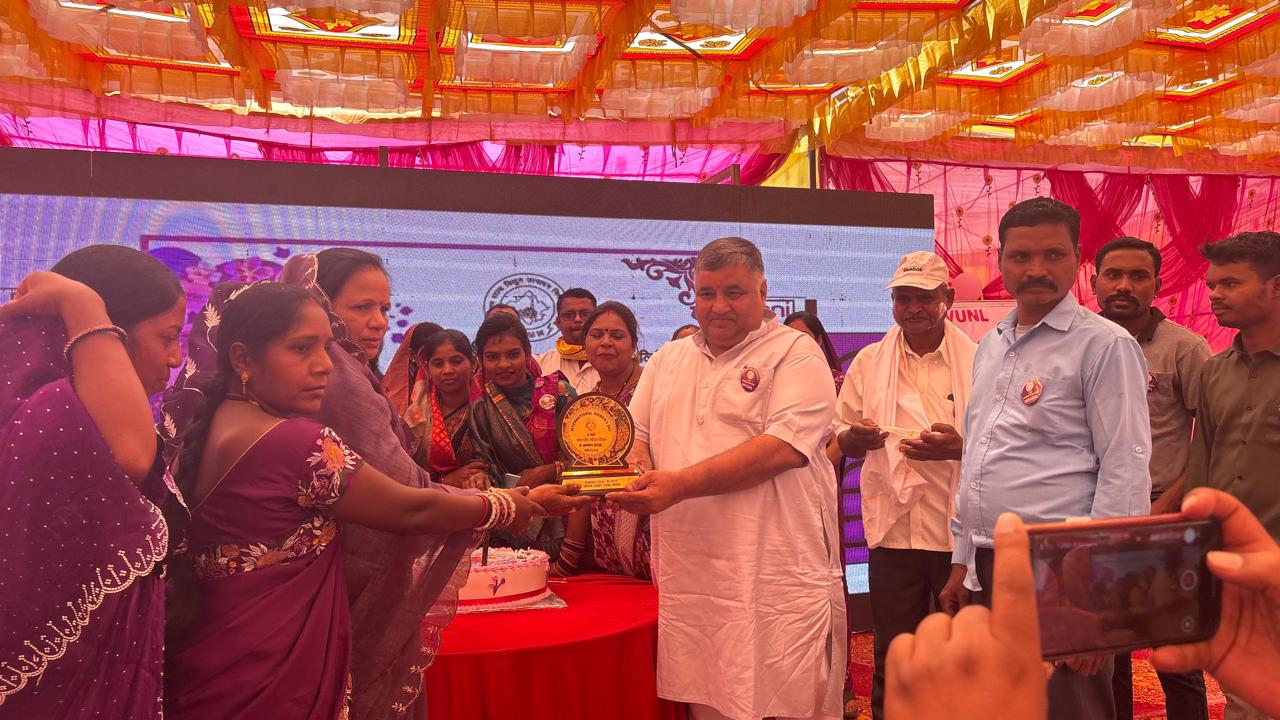
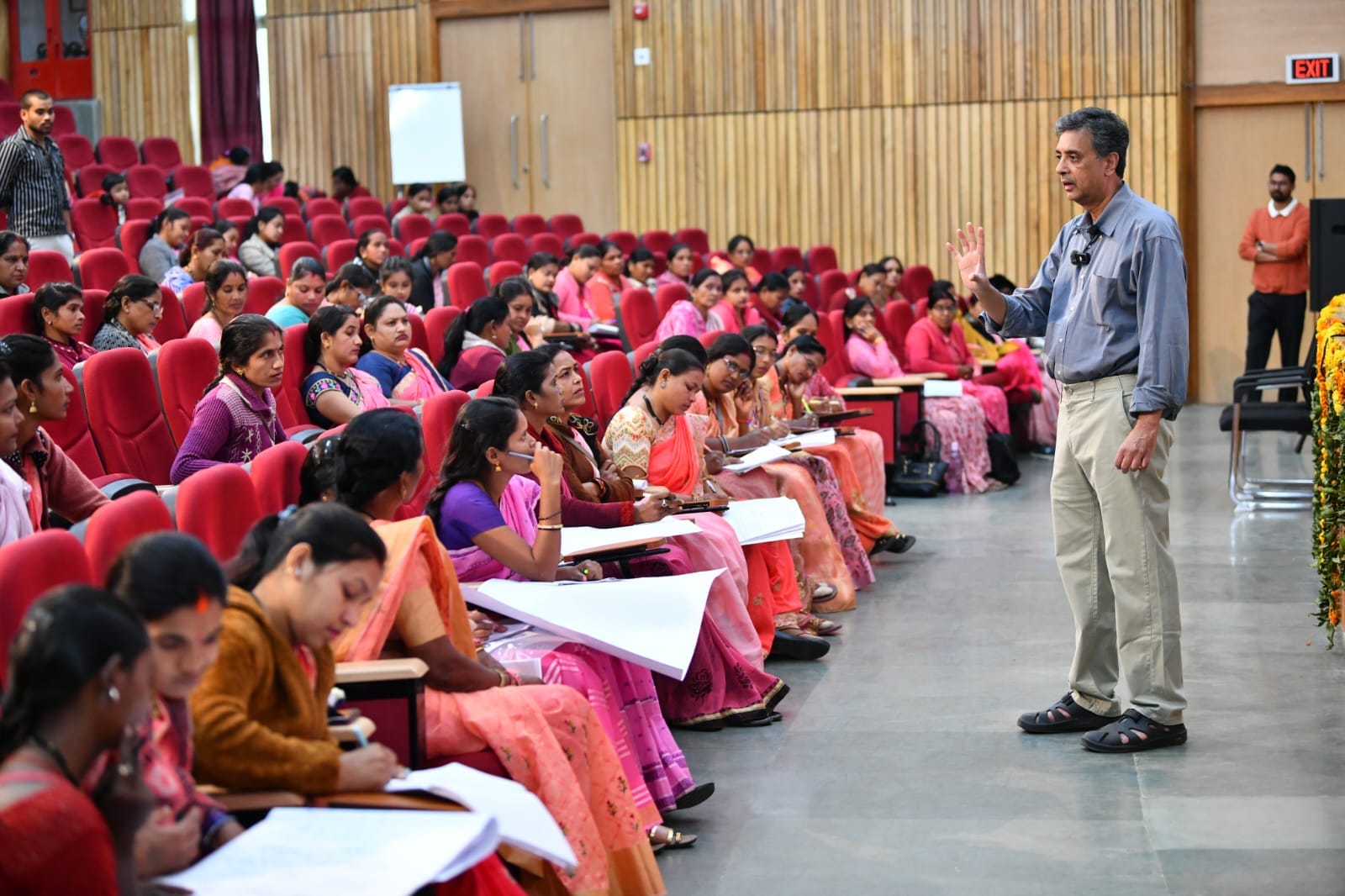
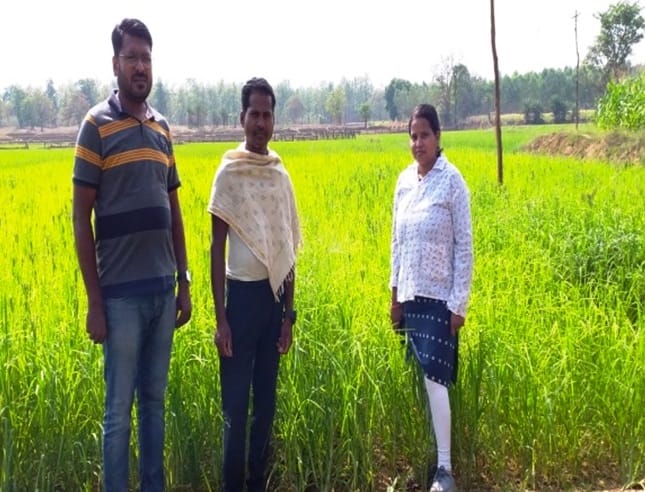
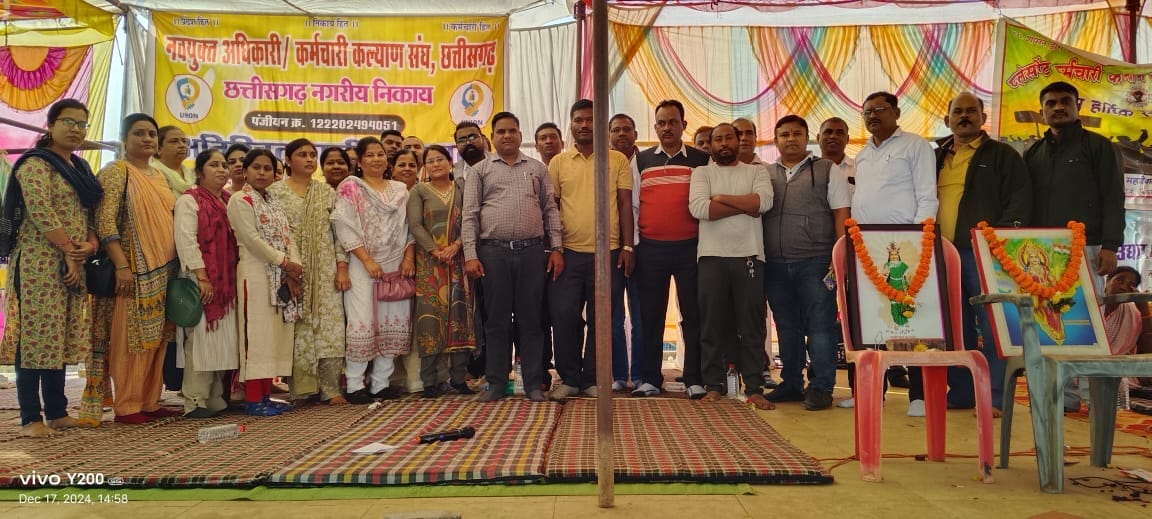
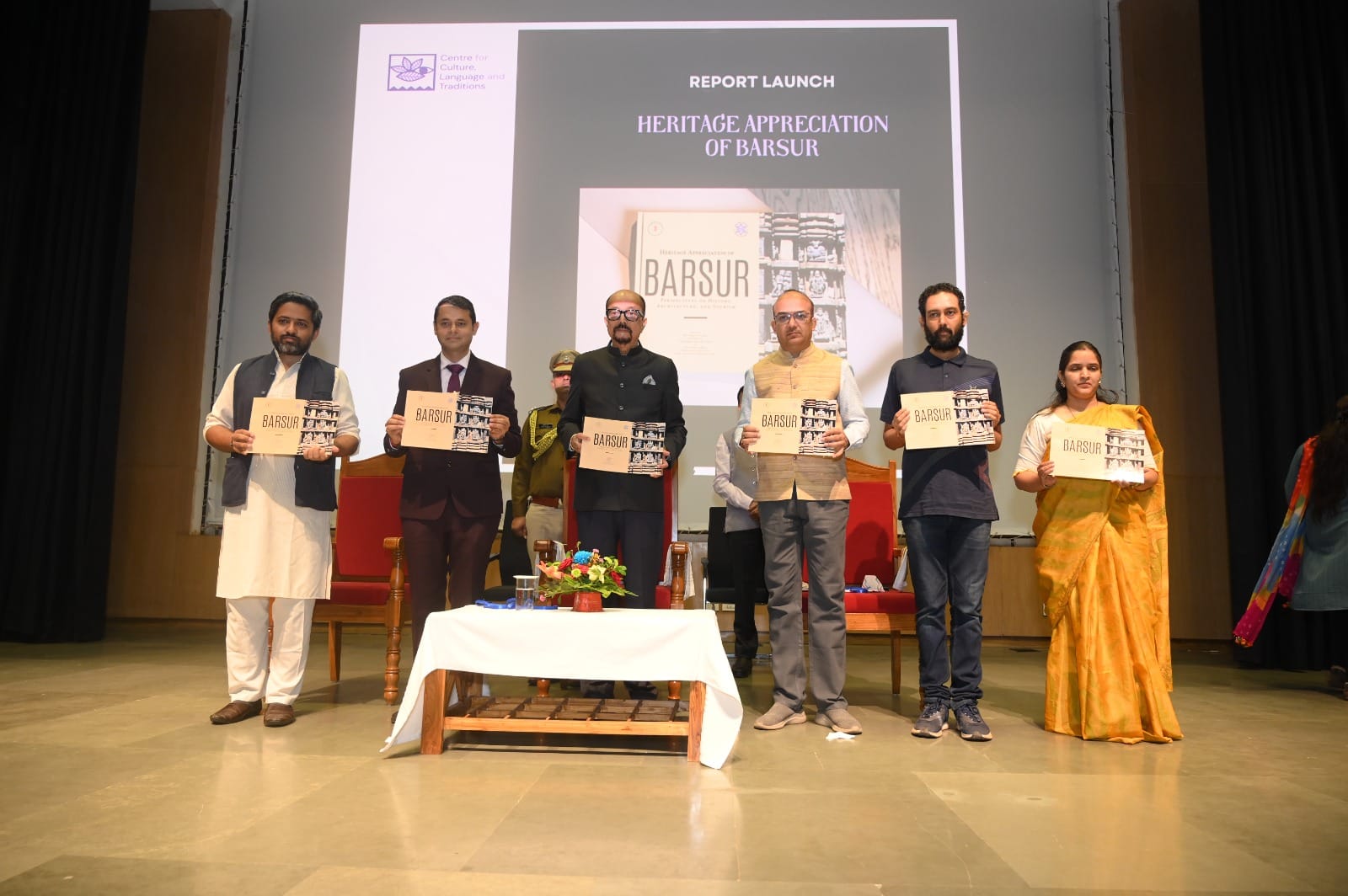
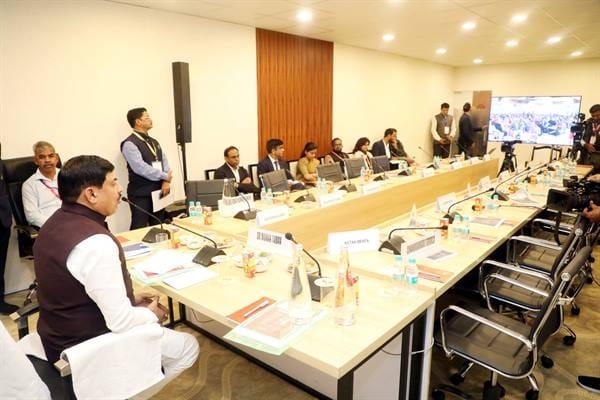
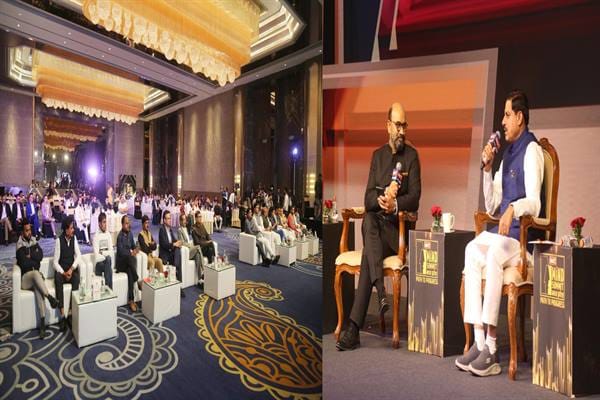
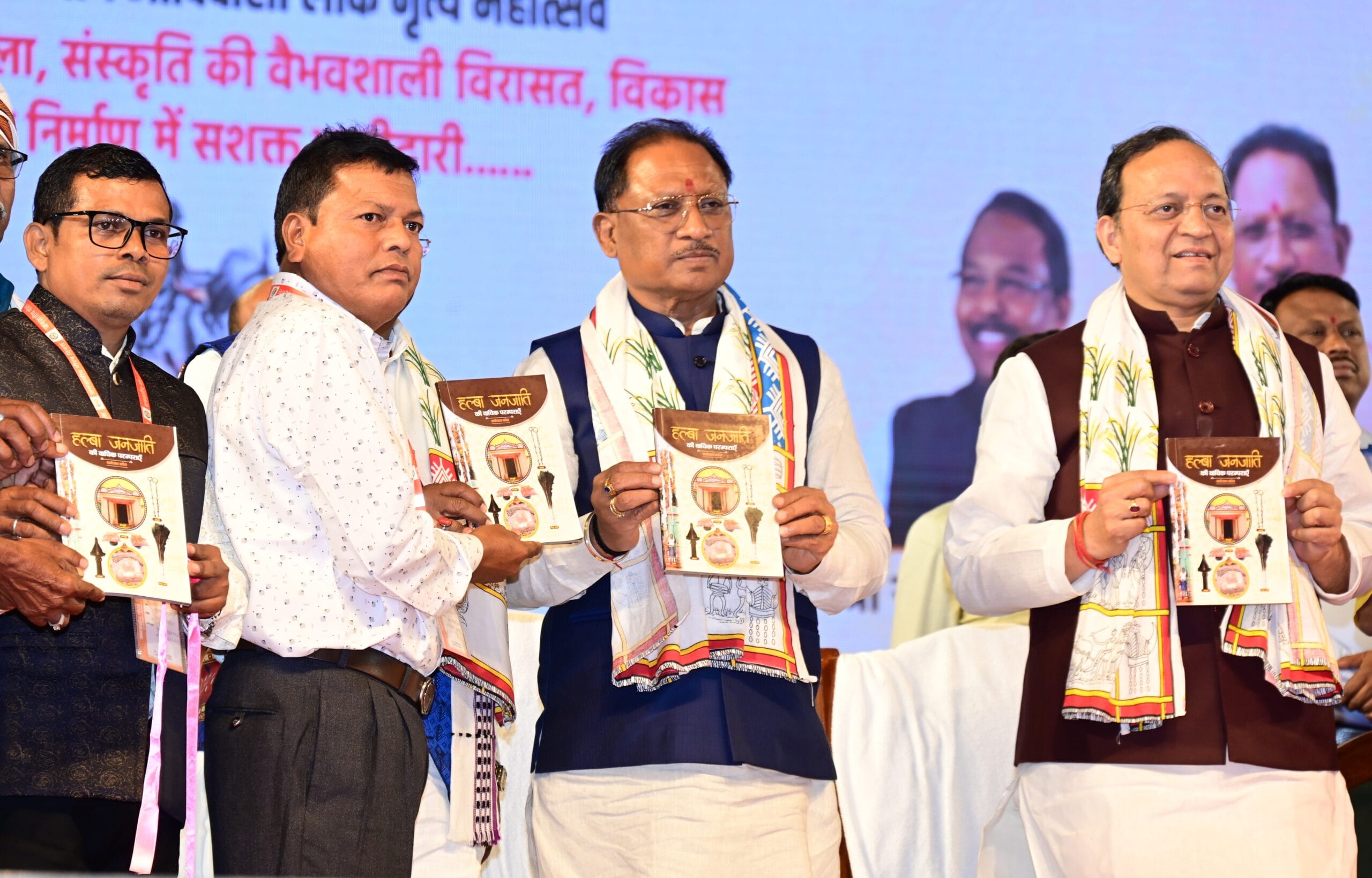
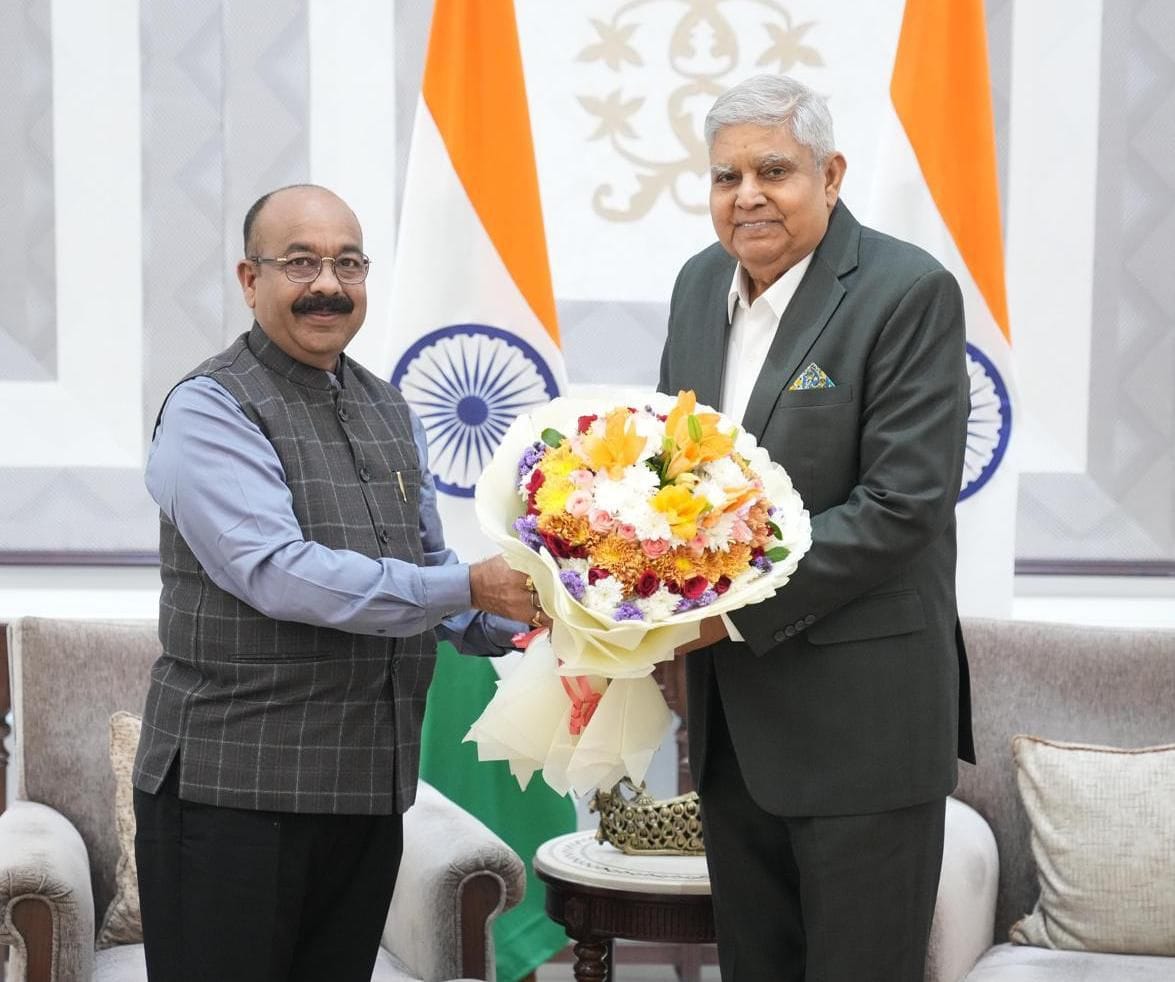
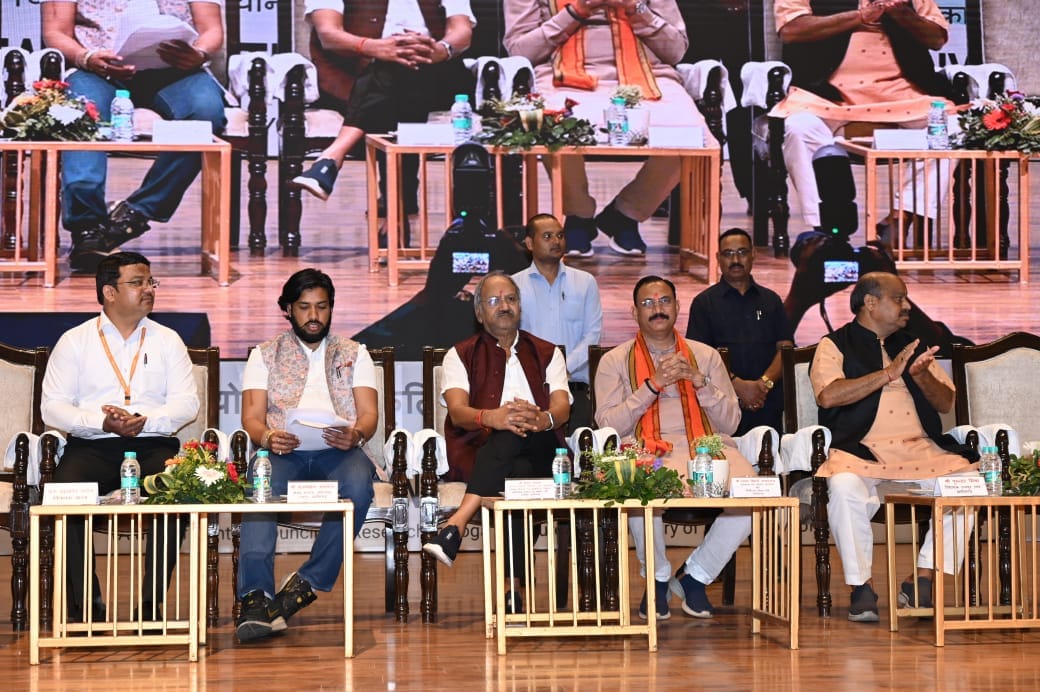
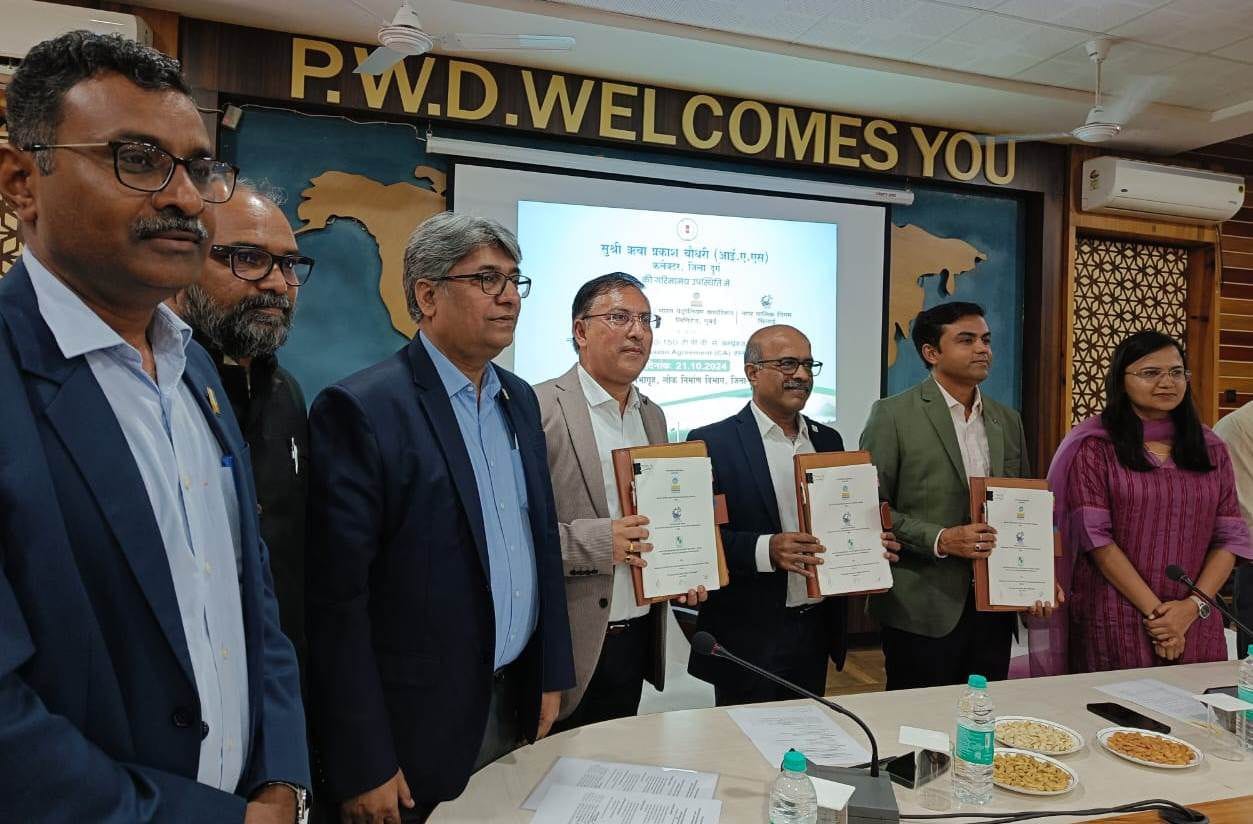
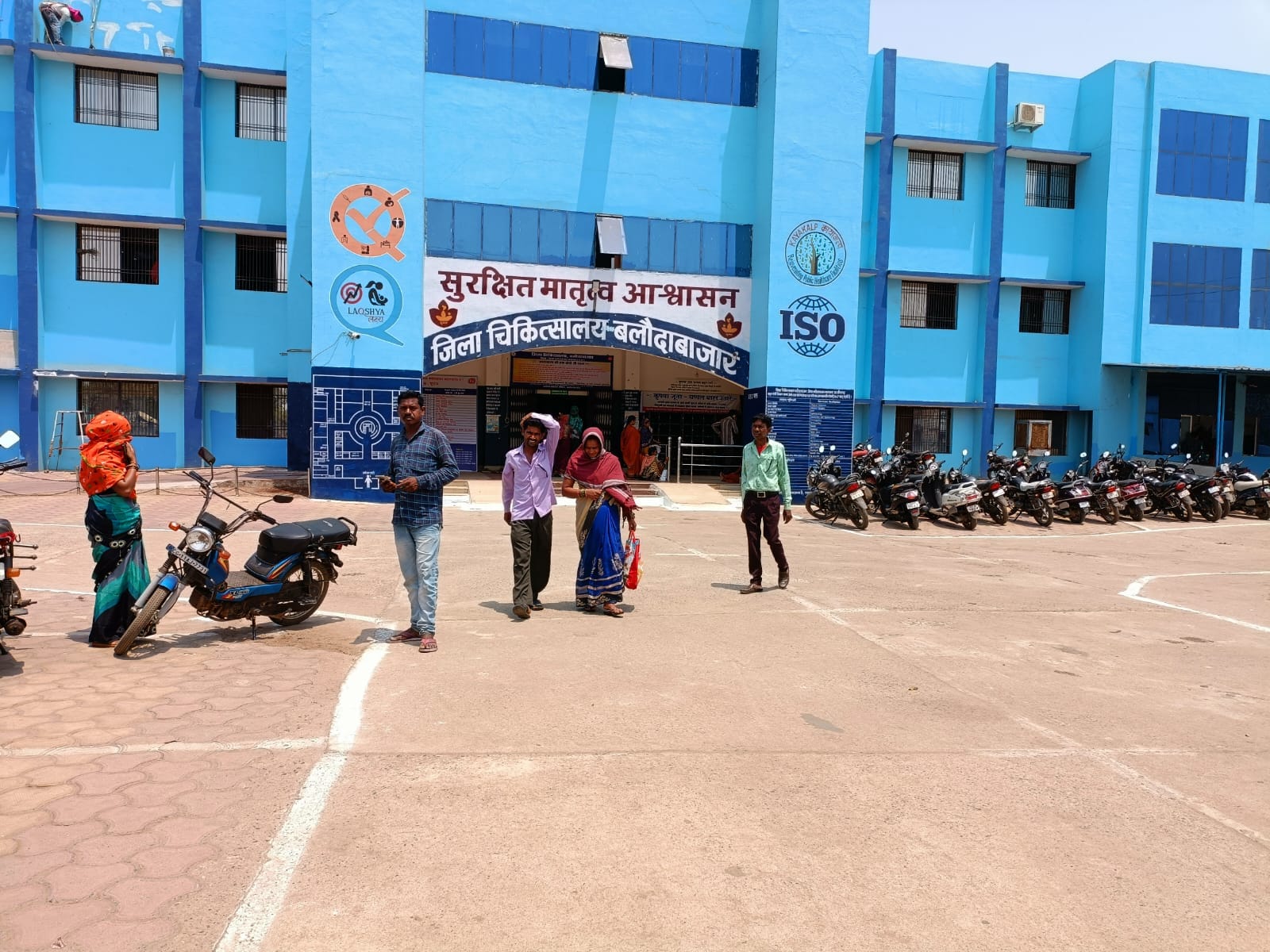
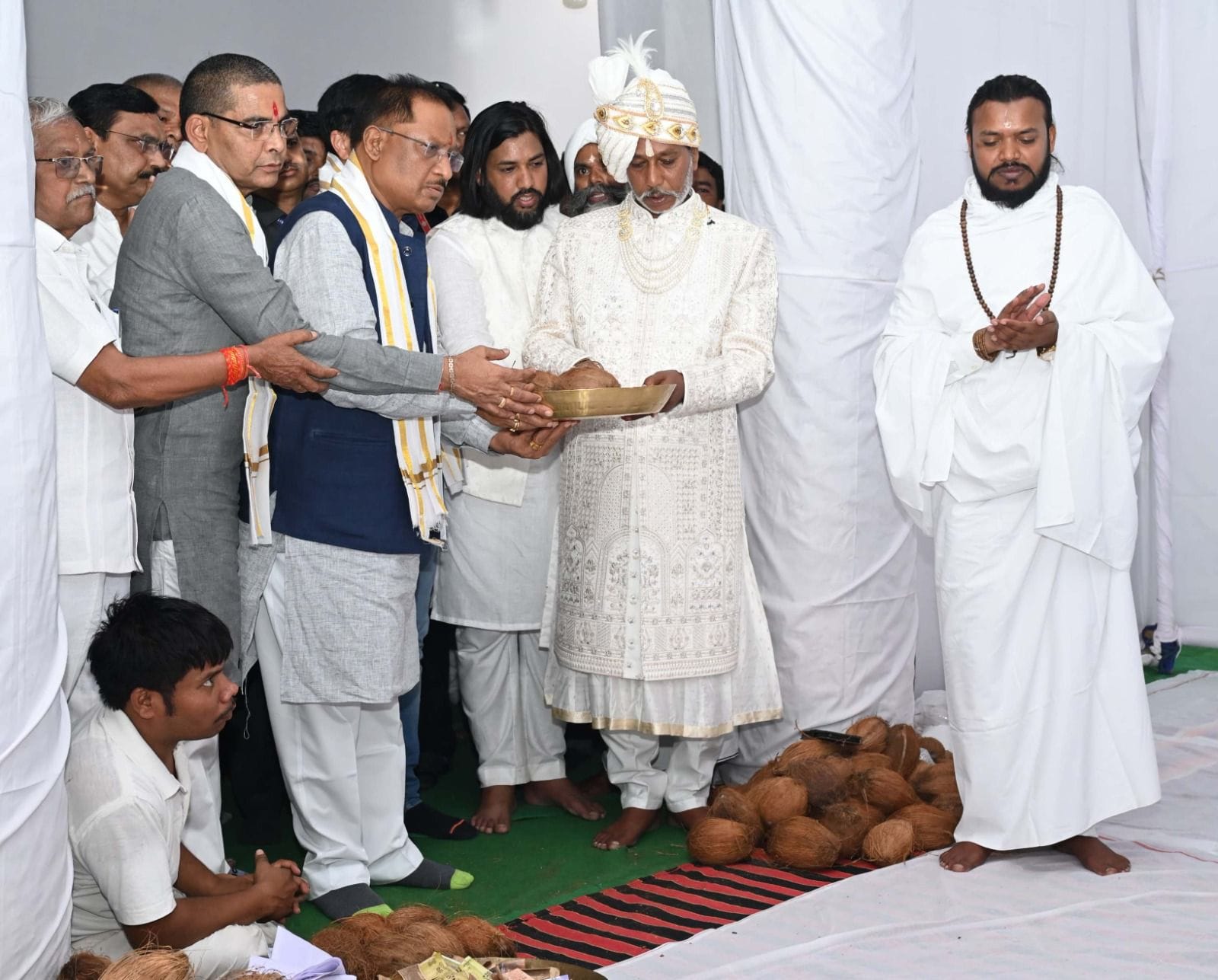
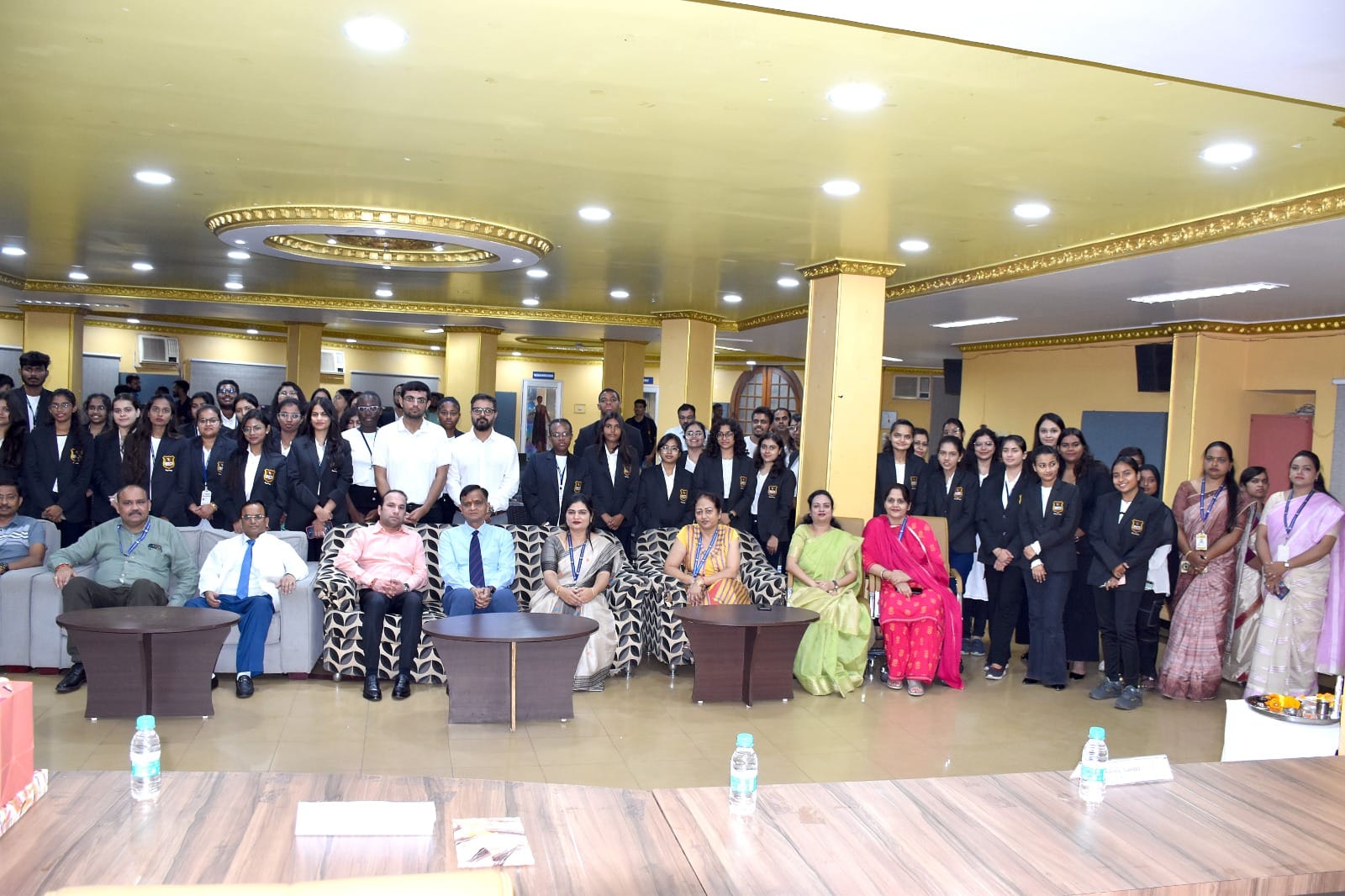
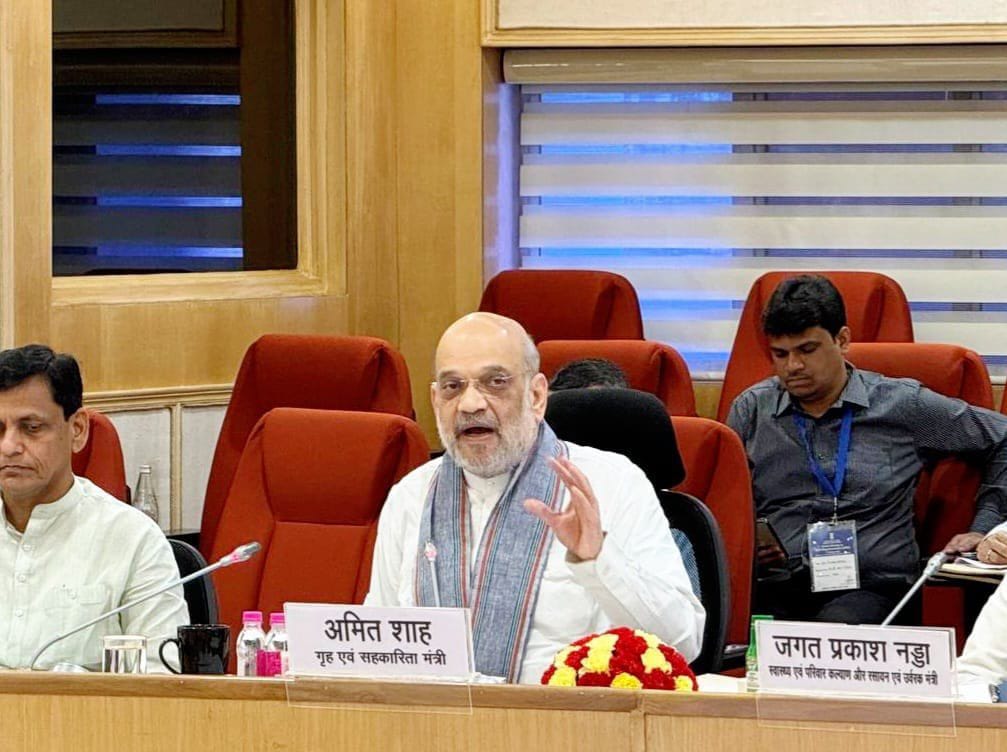
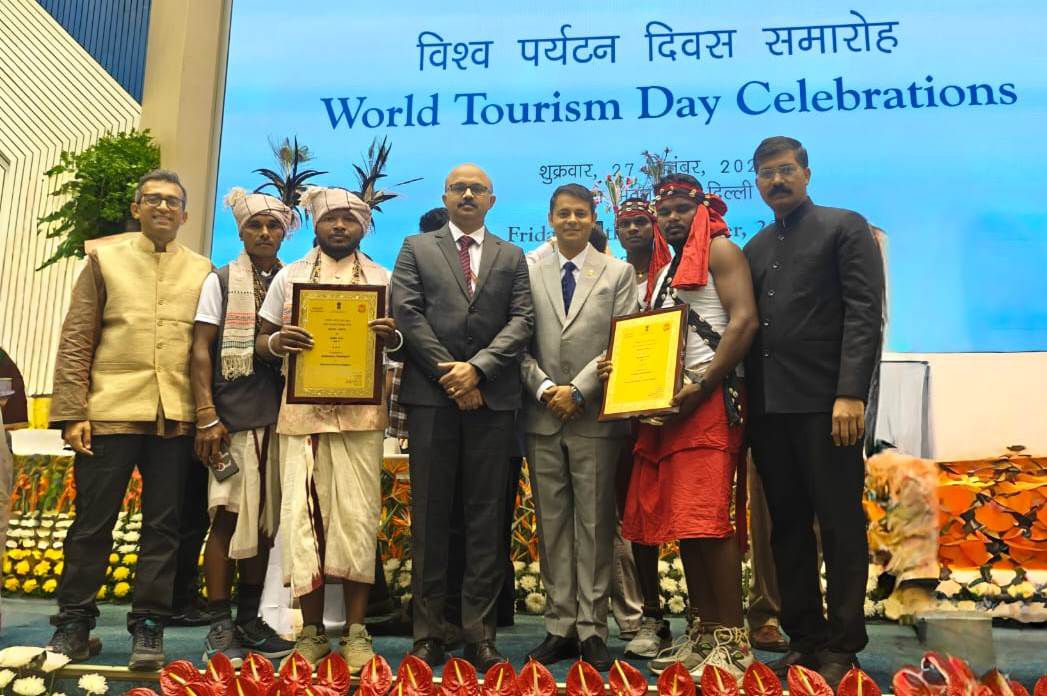
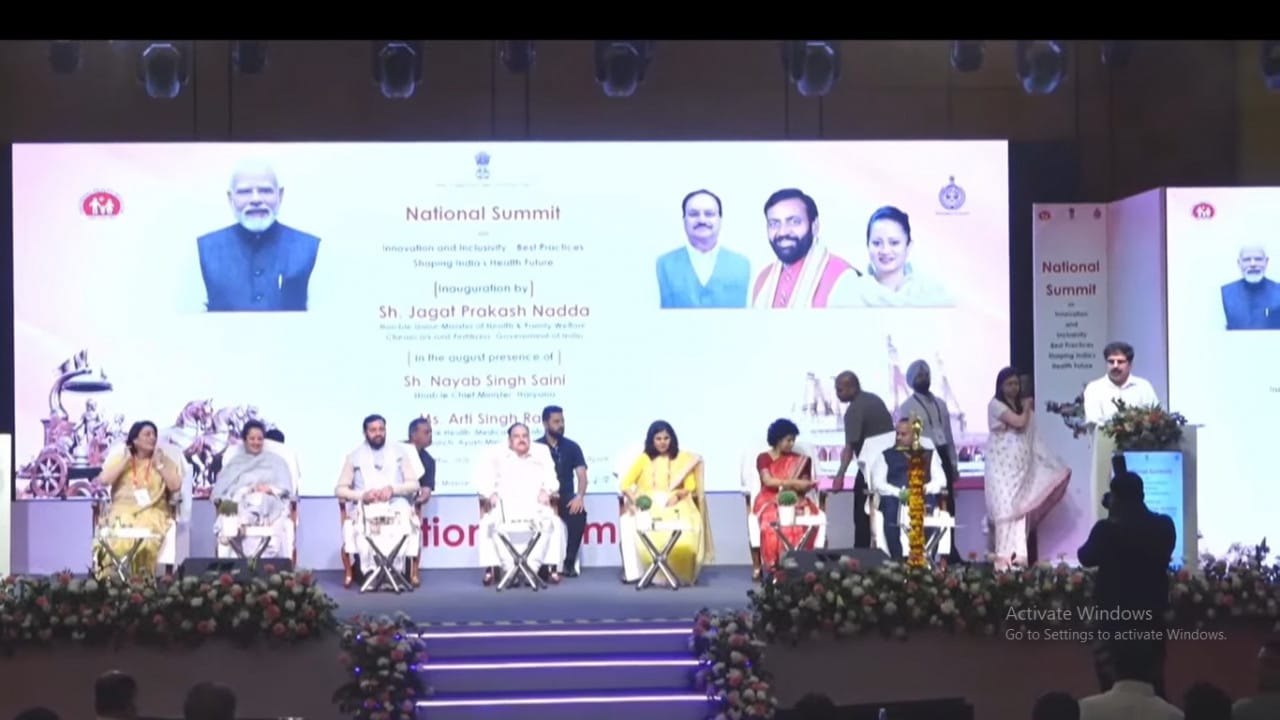
Chhattisgarh has achieved another significant milestone in public health, establishing its strong presence at the national level. The state was recognized for its innovative initiatives to eliminate filariasis and malaria at the “National Summit on Innovation and Inclusivity – Best Practices Shaping India’s Future” held in Chandigarh on April 30 and May 1, 2026. This recognition not only underscores the effectiveness of the state’s health strategies but also testifies to the success of its community-based participation model.
- The BIHAN model has transformed the landscape, with women’s groups becoming the driving force behind change.
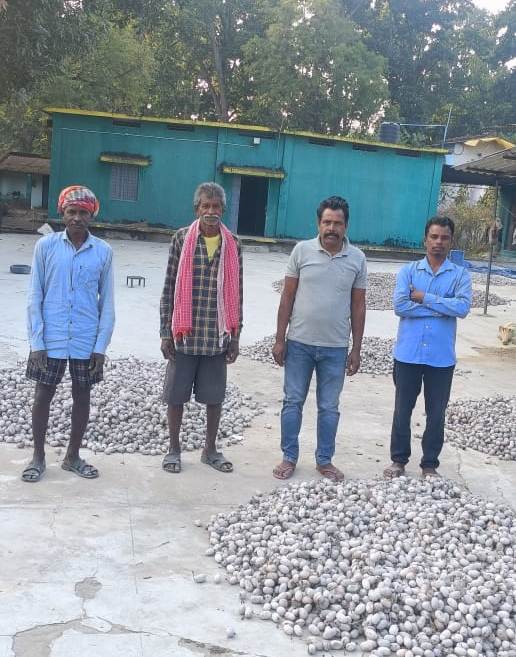
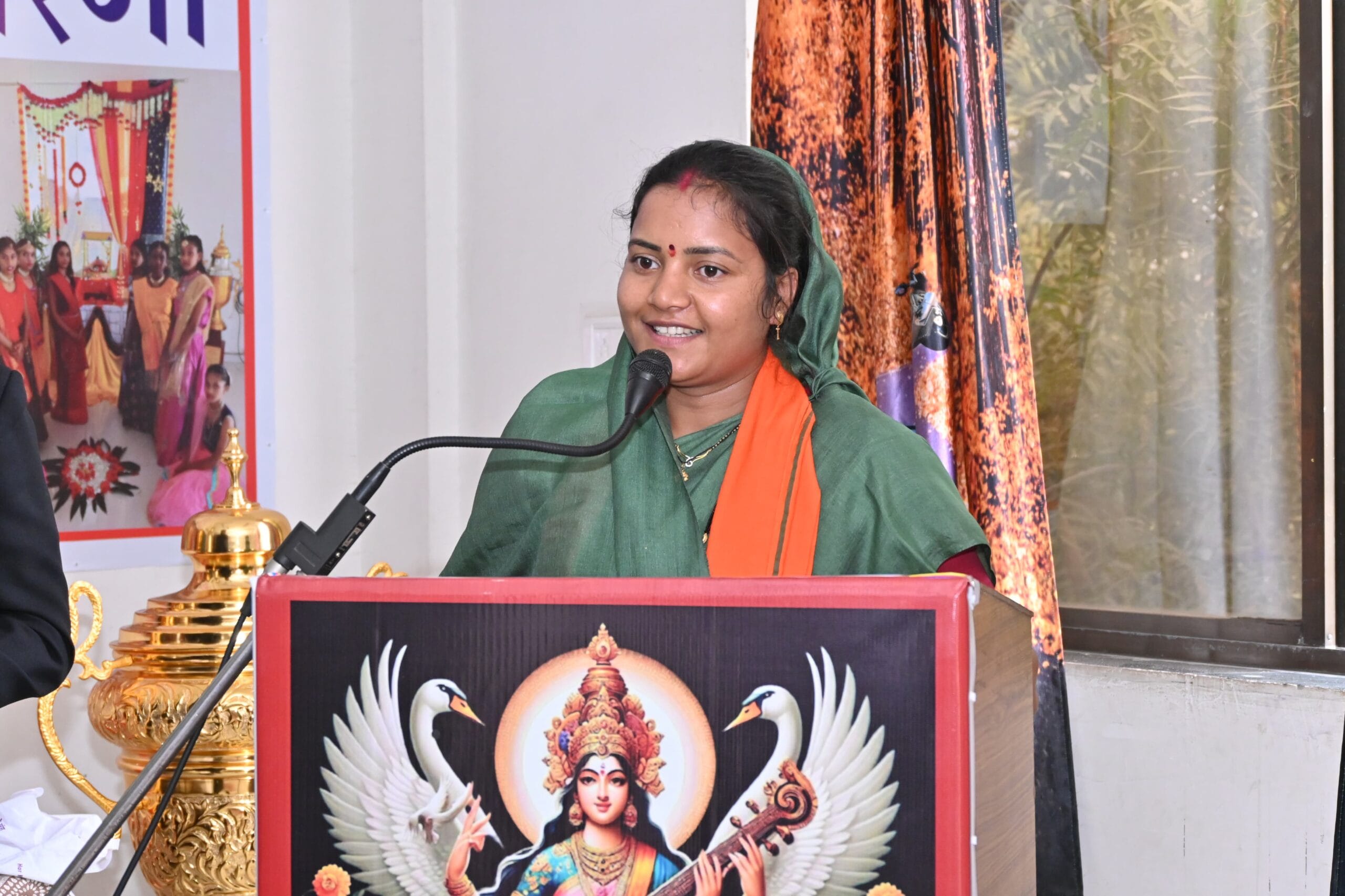
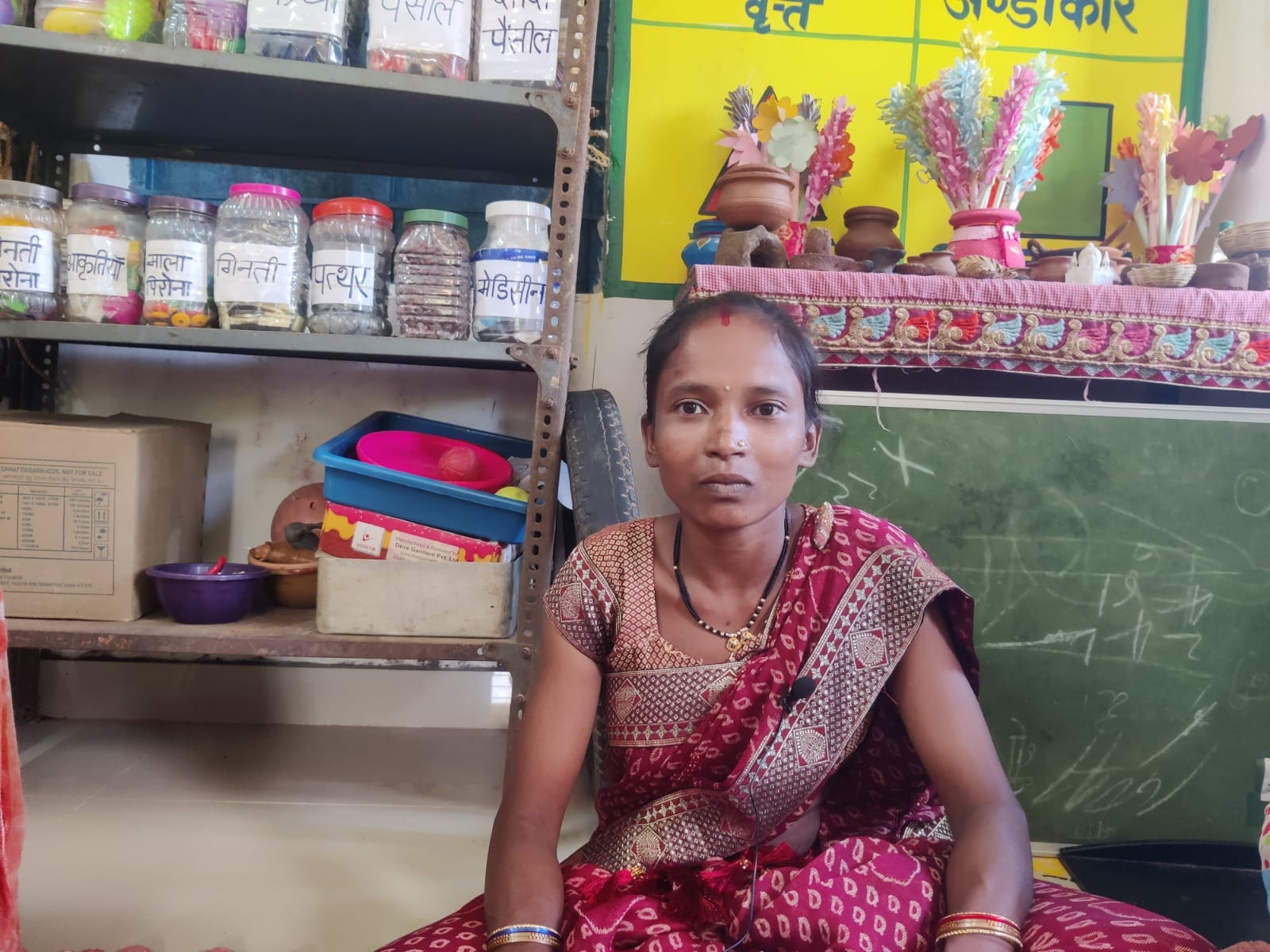
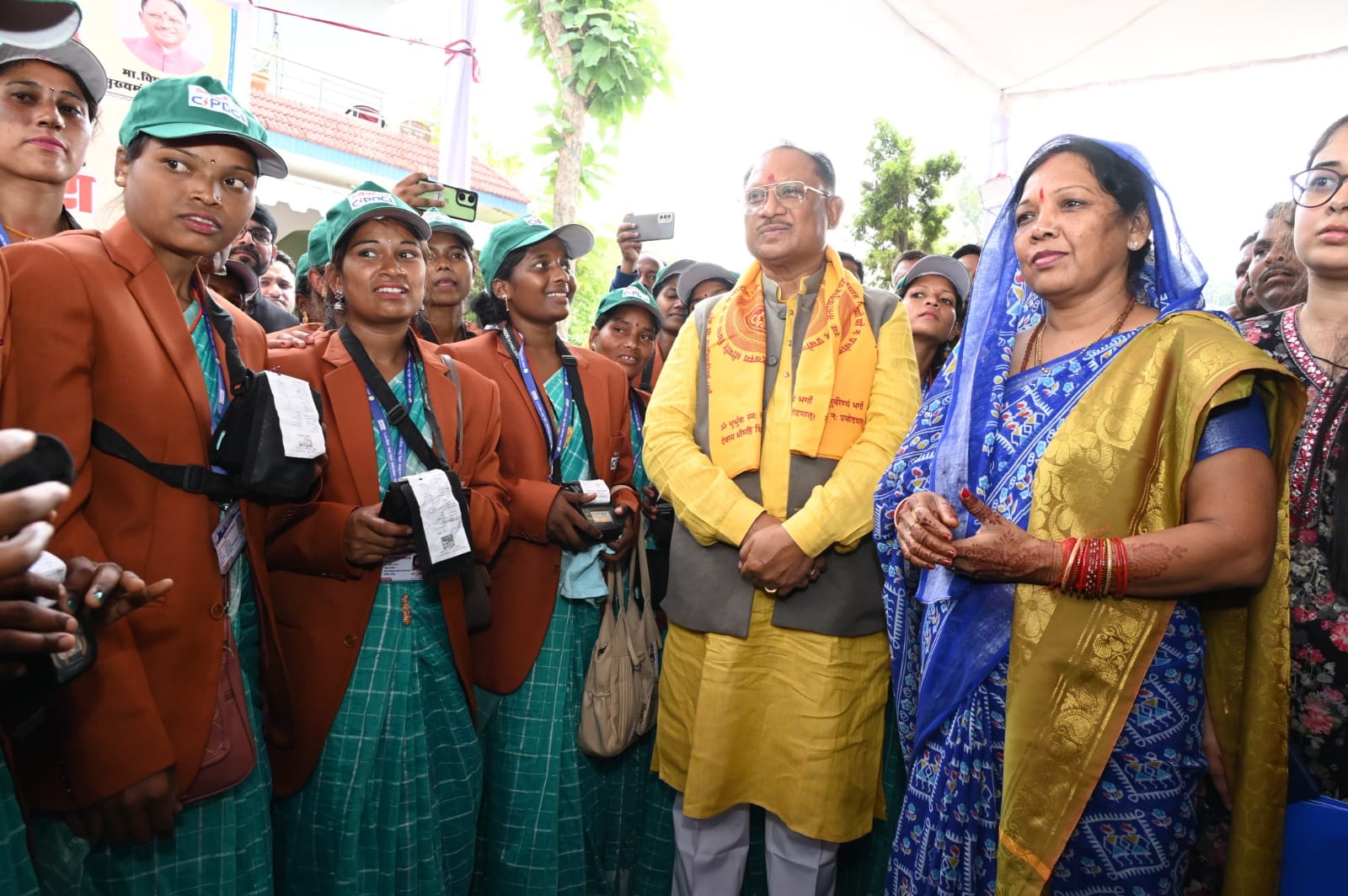
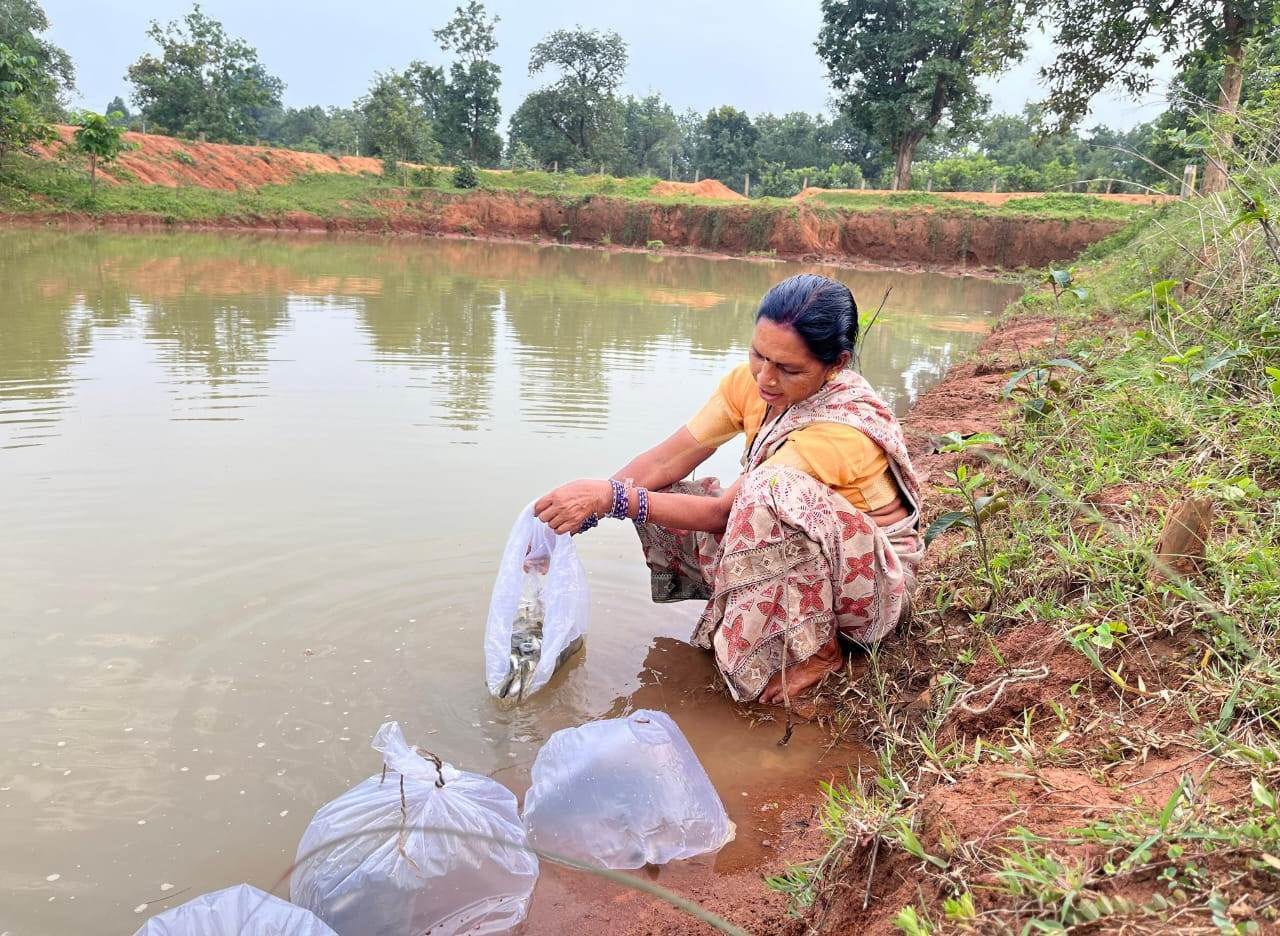
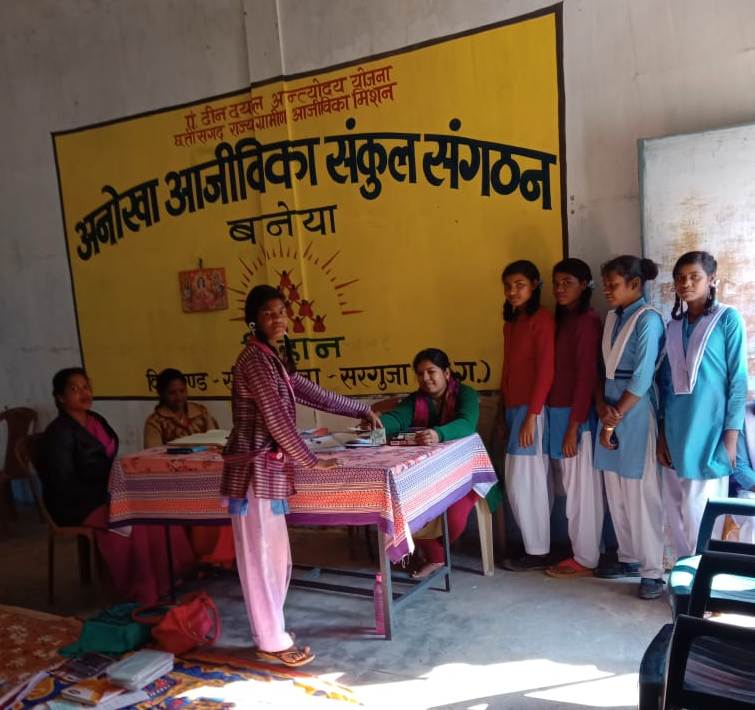
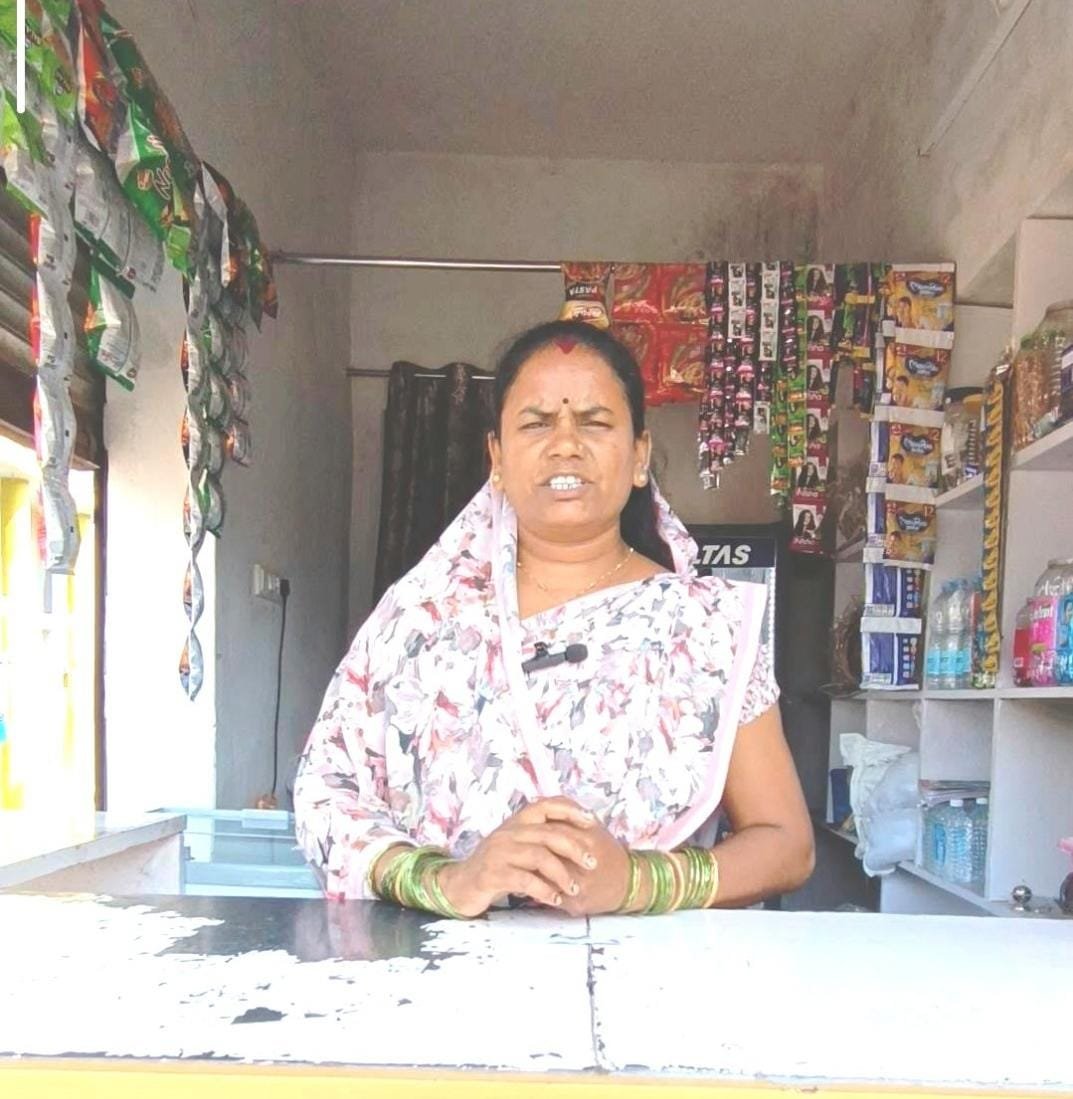
The active participation of women’s self-help groups affiliated with BIHAN (State Rural Livelihood Mission) in the filariasis elimination campaign was recognized nationally. This model was recognized as one of the best innovative and inclusive initiatives in the country under the Mission Steering Group–Human Resource (MSG–HR), with PCI India’s technical support also being crucial.
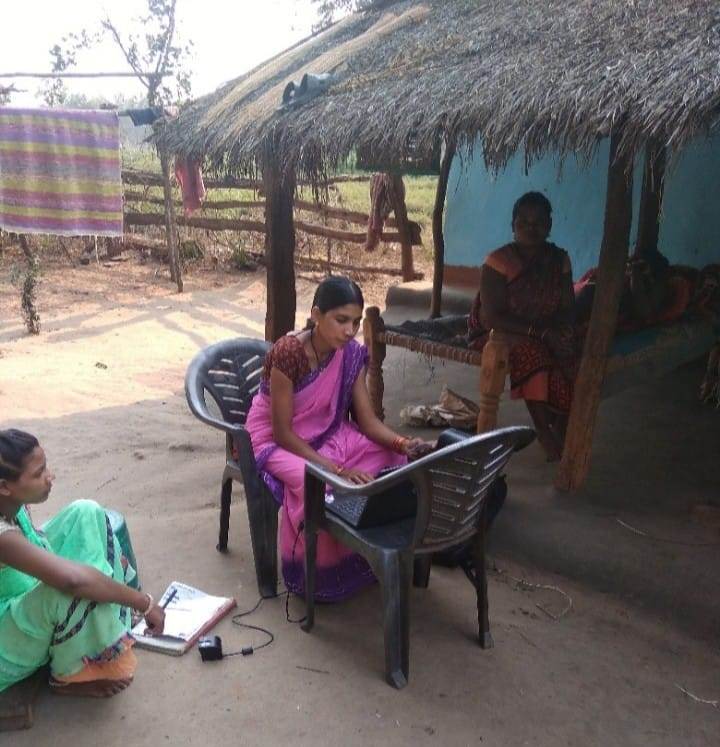
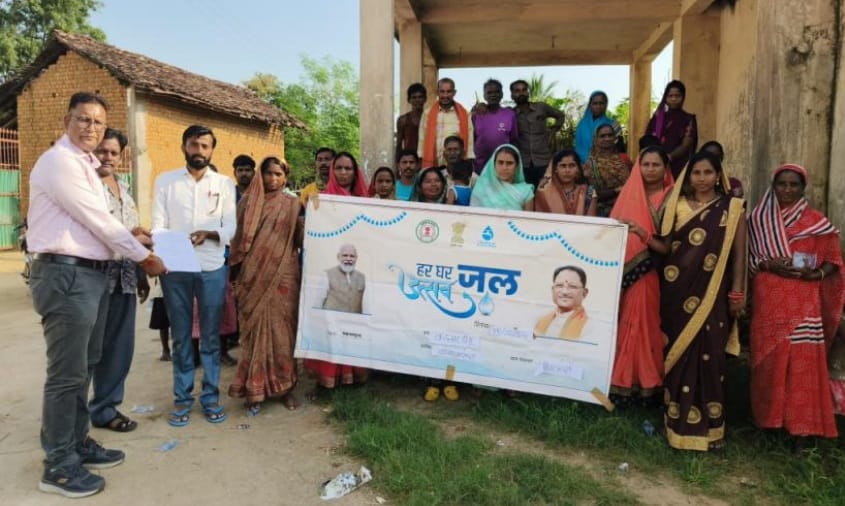
During the Mass Drug Administration (MDA) campaign, women went door-to-door to not only ensure medication adherence but also dispelled misconceptions within the community. Community meetings and awareness activities built trust. As a result, approximately 74% of people who previously refused medication were persuaded to consent—which emerged as the model’s greatest success.

- ‘Malaria Free Bastar’ shows effectiveness in inaccessible areas
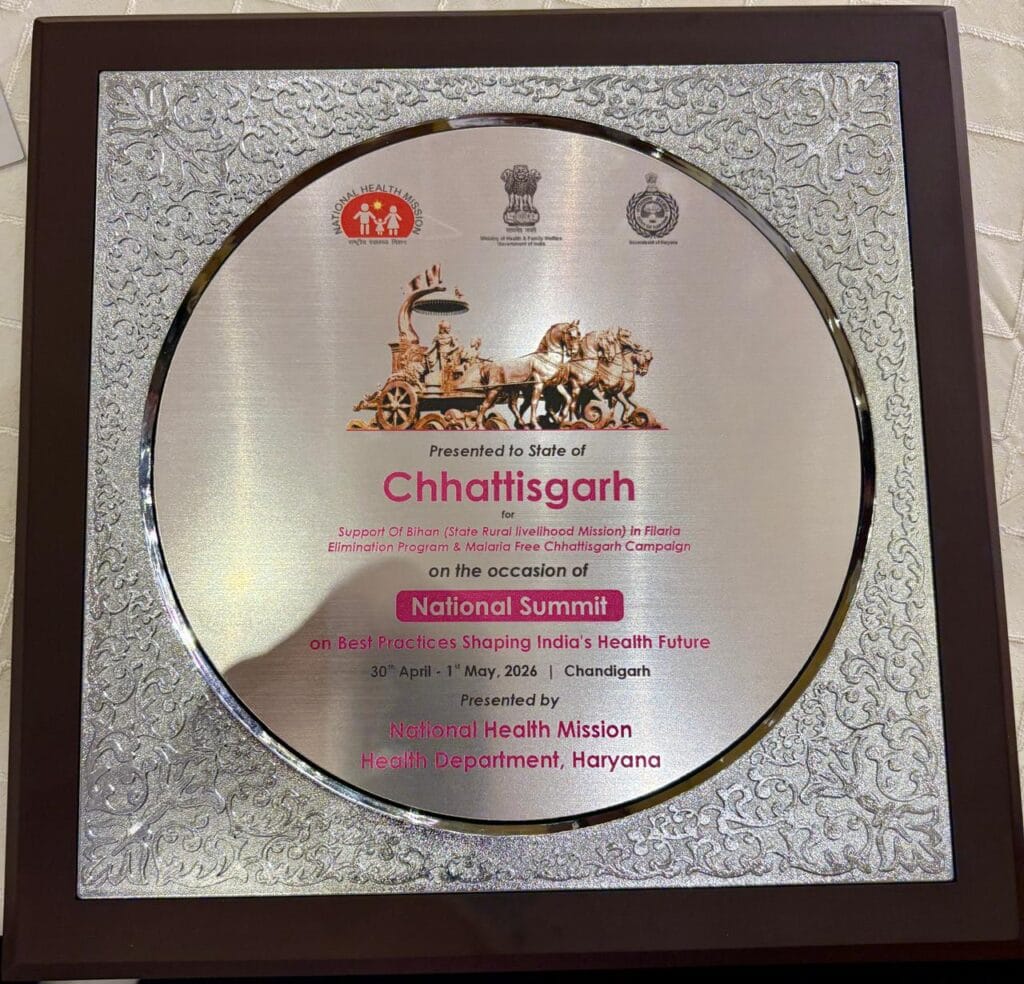
The “Malaria-Free Bastar” campaign also received special praise at the conference as an effective and results-oriented initiative. Conducted in remote and tribal areas of Bastar, the campaign ensured complete cure through door-to-door screening, timely diagnosis with rapid diagnostic tests (RDTs), prompt treatment, and Day-7 and Day-14 follow-ups.
A key achievement of this campaign was the identification of asymptomatic patients, which significantly helped break the chain of transmission. Positive results have also been evident:
the state’s API decreased from 1.97 in 2019 to 0.90 in 2025, while in the Bastar division it decreased from 13.12 to 6.98.
- An inspiring model for other states
Experts and policymakers at the national forum hailed Chhattisgarh’s BIHAN-based community model and the “Malaria-Free Bastar” campaign as examples for other states. These low-cost, high-impact initiatives demonstrate that complex health challenges can be addressed through public participation and local strategies.
The State Government has indicated that public health services will be further strengthened in the future by giving priority to community-based, innovative and area-specific strategies.