


























- SECL States: No Interference with the Natural Flow of the Kelo River; Transparent Rehabilitation and Local Interests Remain Top Priorities
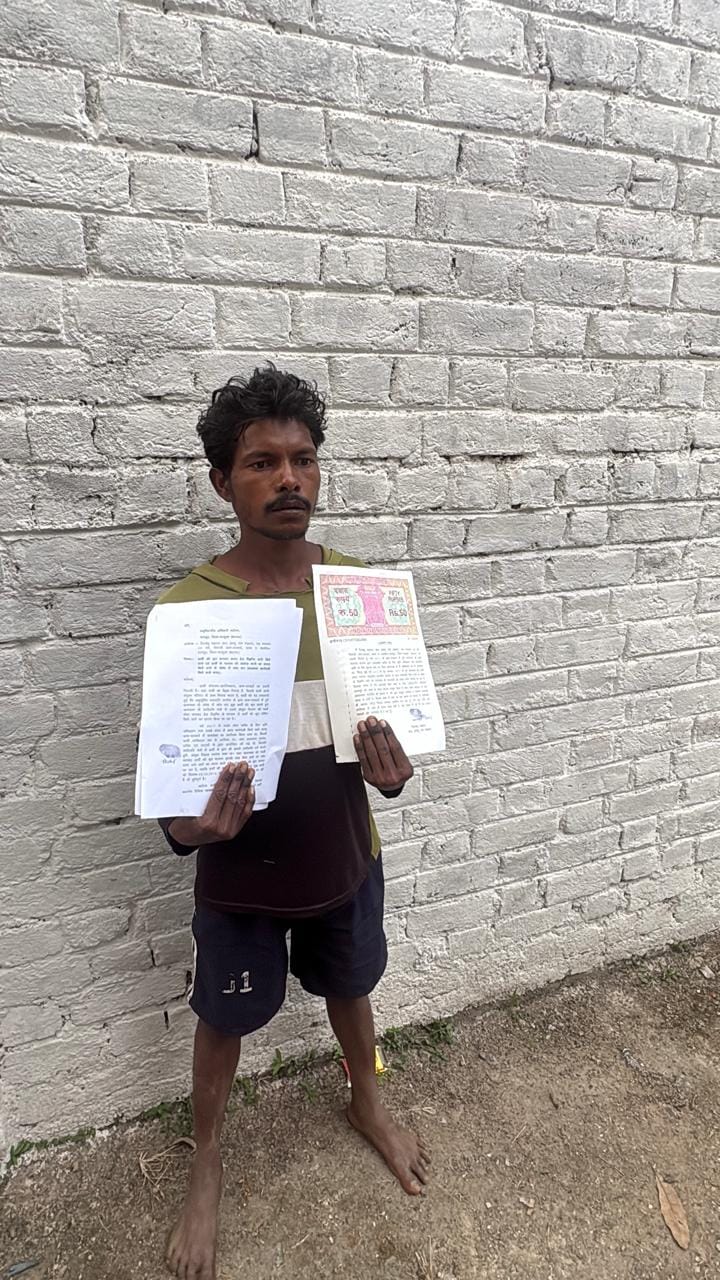
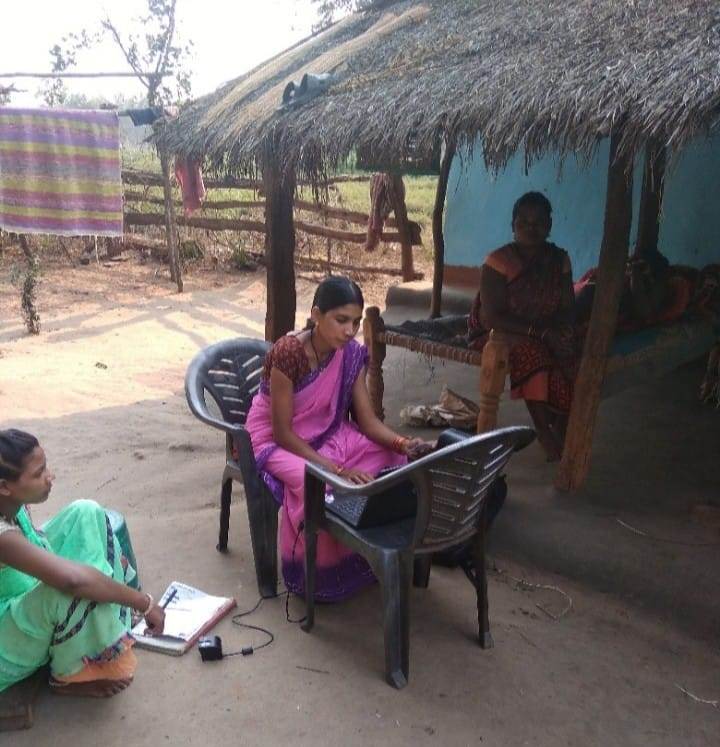
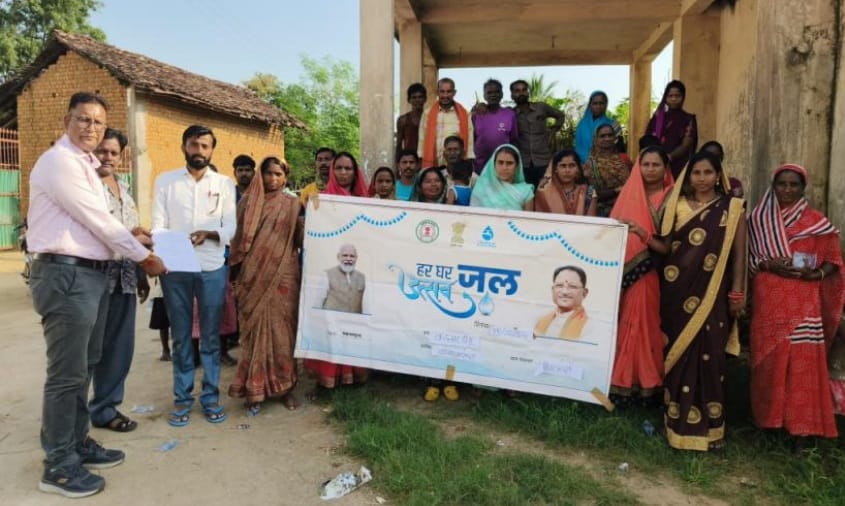
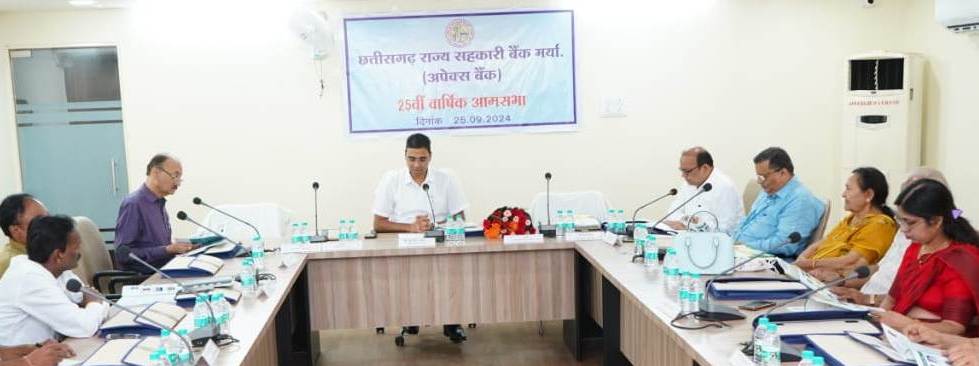
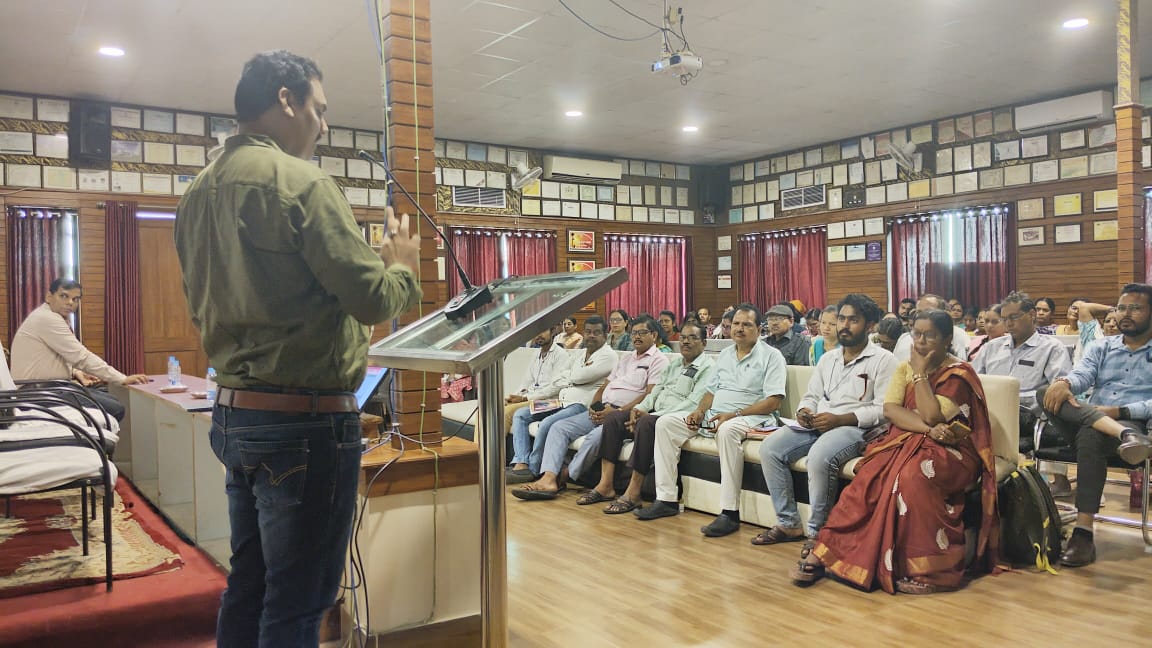
Duly constituted Gram Sabhas (village assemblies) were organized in the villages affected by the Pelma Open-Cast Mine Project, undertaken by South Eastern Coalfields Limited (SECL). During these assemblies, villagers were provided with detailed information regarding all facts related to the project as well as the proposed scope of work. Following discussions, the Gram Sabhas unanimously passed resolutions in favor of the project and issued No Objection Certificates (NOCs).
Regarding the transfer of forest land required for the project, formal consent has been duly granted by all concerned Gram Sabhas in accordance with the provisions of the Scheduled Tribes and Other Traditional Forest Dwellers (Recognition of Forest Rights) Act, 2008 (FRA).
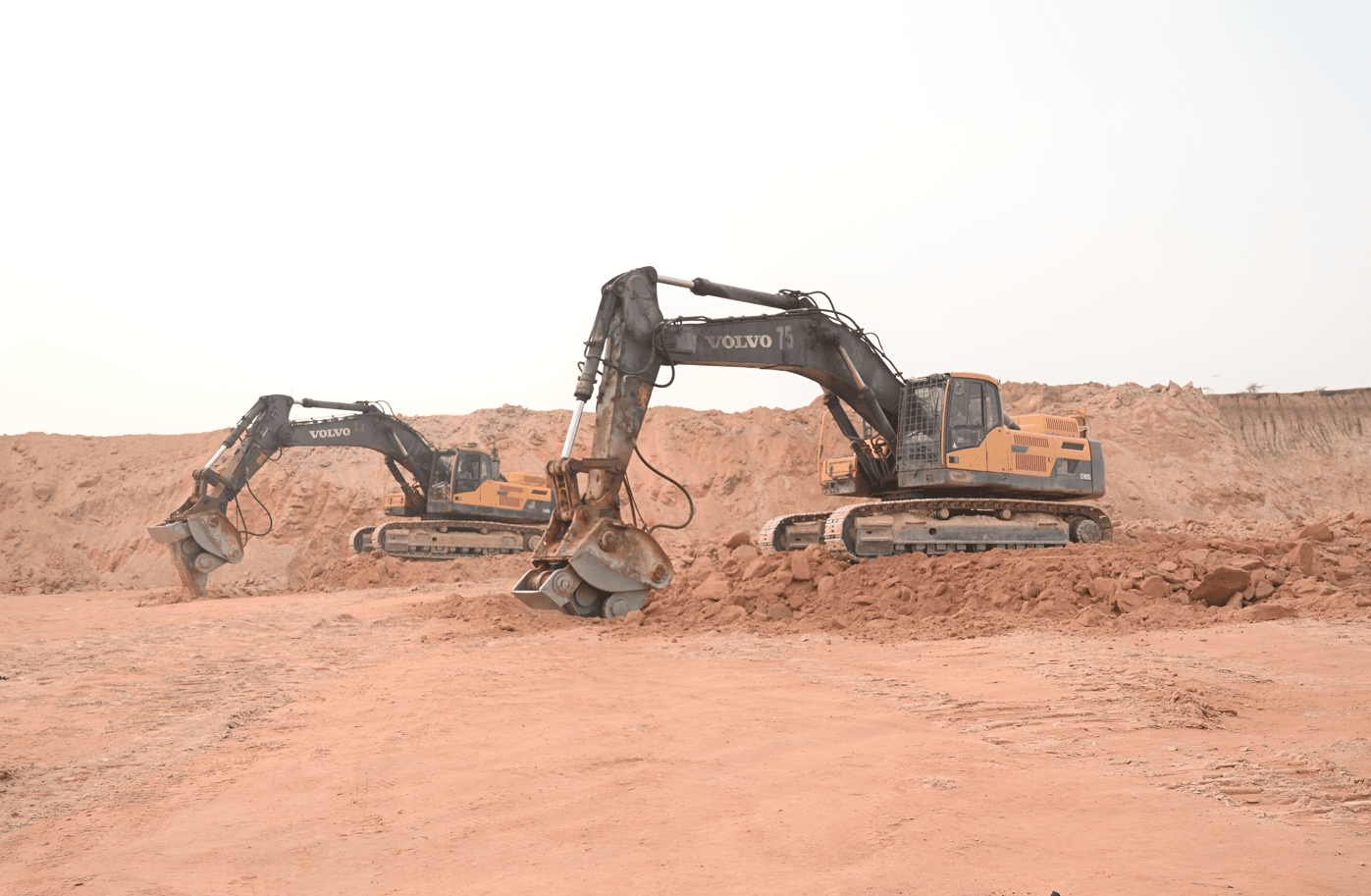
The Pelma Open-Cast Mine Project involves the acquisition of approximately 2,077 hectares of land in total, comprising land from eight entire villages as well as a partial land area from the village of Kharra.

The demands and suggestions put forth by the villagers—pertaining to issues concerning the land, housing, and livelihoods of families affected by the Pelma project—have been received by SECL with utmost seriousness and sensitivity. The company has clarified that a transparent and equitable Rehabilitation and Resettlement (R&R) policy will be implemented to safeguard the interests of the affected families.
SECL has committed to providing housing compensation and rehabilitation benefits—in accordance with established norms—to landless individuals who were residing in the area prior to the land acquisition. Furthermore, various provisions have been incorporated under Coal India Limited’s R&R policy to facilitate employment opportunities; these include providing employment under contractors, constructing and allotting shops, among other measures.
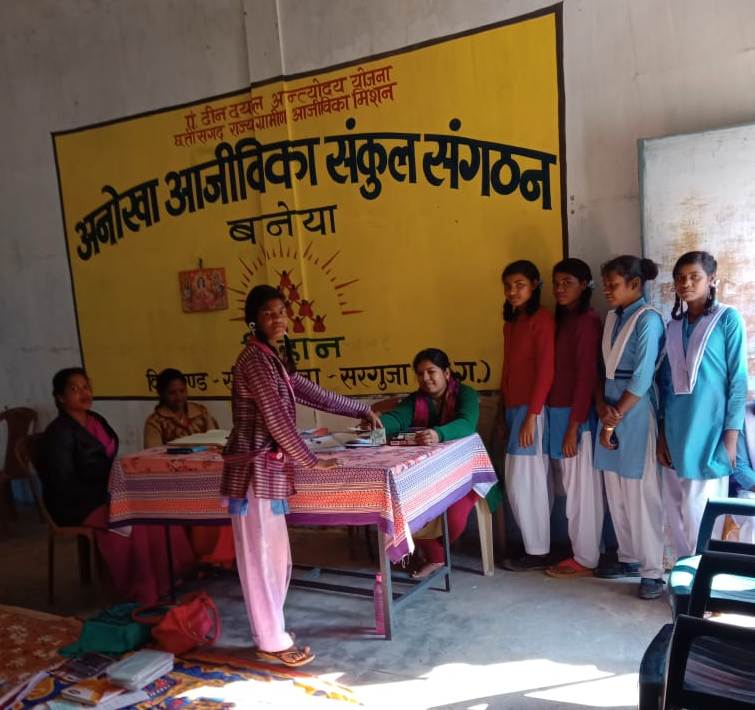
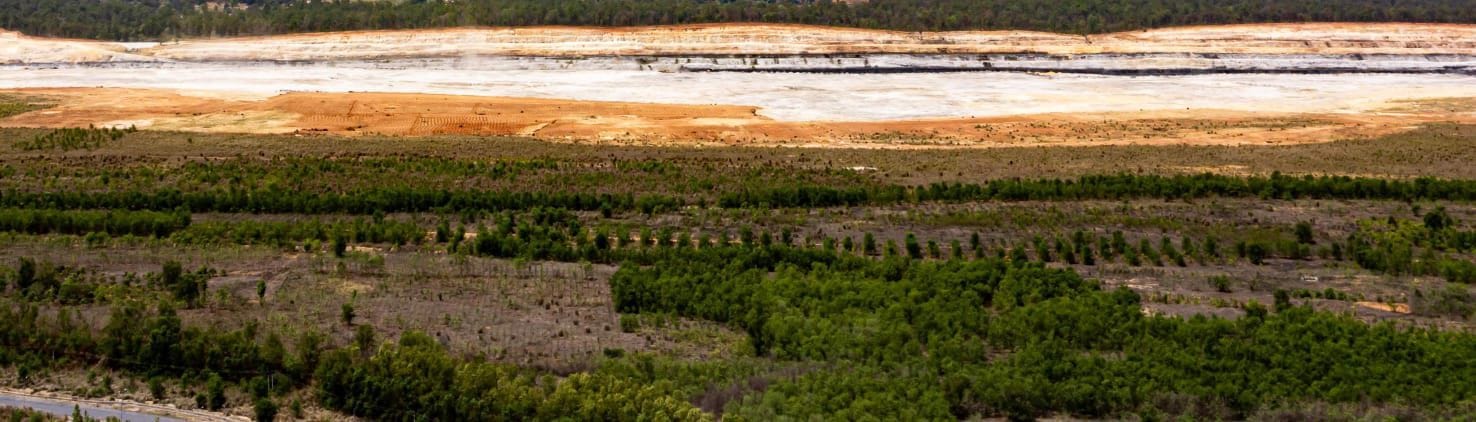
The commencement of the project is expected to generate over 1,500 direct and indirect employment opportunities within the region, with priority being accorded to local youth and members of the affected families. Additionally, initiatives promoting self-employment, skill development, and women’s self-help groups will also be actively encouraged. With regard to environmental conservation, it has been clarified that the natural flow of the Kelo River will not be obstructed or altered in any manner. Compliance with water conservation and environmental standards will be strictly ensured.
Currently, no aerial surveys are being conducted by SECL.
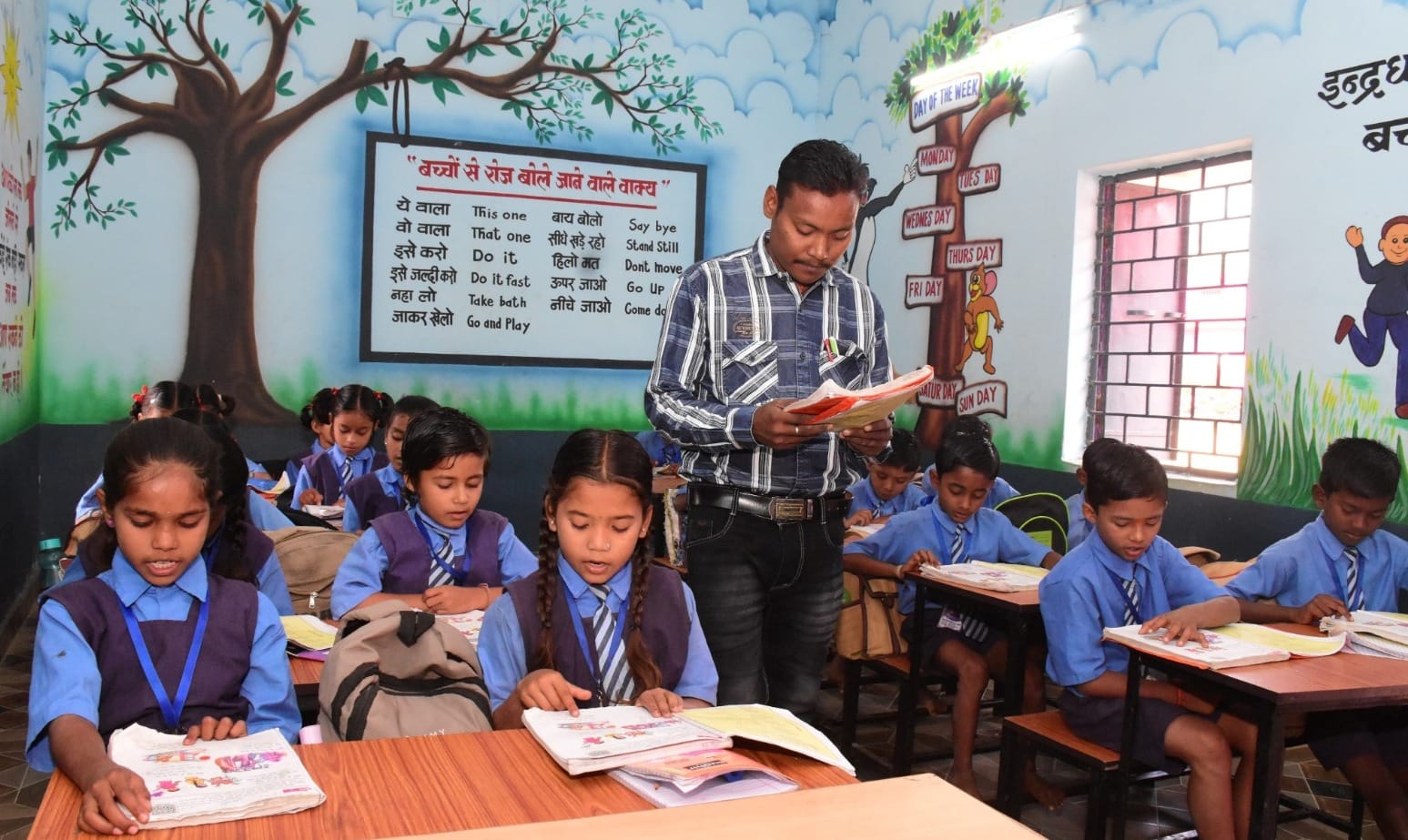
SECL will undertake continuous work within the project area to develop roads, drinking water facilities, healthcare, education, and other infrastructure, thereby improving the standard of living of the local communities.
The company also noted that certain external elements are attempting to mislead the villagers through the dissemination of false information; conversely, the majority of the villagers support the project, recognizing its developmental and employment-generating benefits.
SECL reiterated its commitment to the holistic and sustainable development of the region, pledging to work in coordination with both the administration and the villagers while upholding respect for local sentiments.