






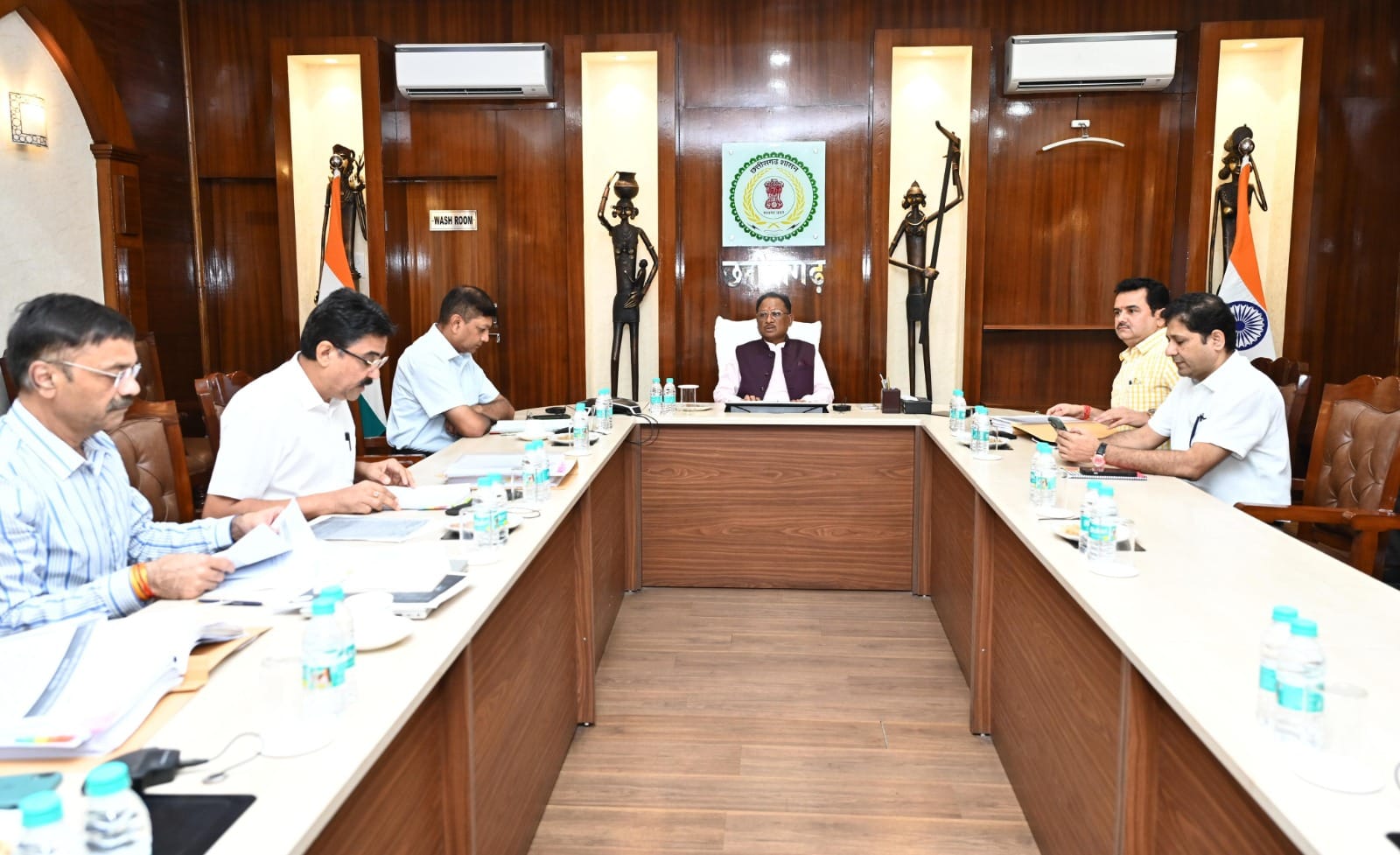





- Providing education, health, nutrition and drinking water to tribal communities is the top priority of the state government: Chief Minister Dr. Yadav
- Many innovations have been made to promote social harmony in the state
- Activities like solar energy and animal husbandry are being expanded in tribal areas
- Regional Industry Conclave opens doors of employment for the youth of tribal communities in areas like Shahdol and Sidhi
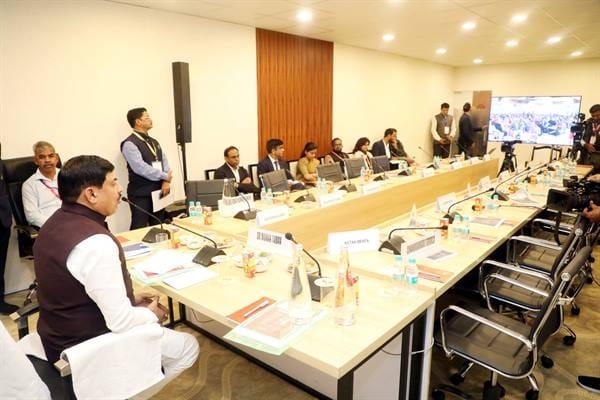
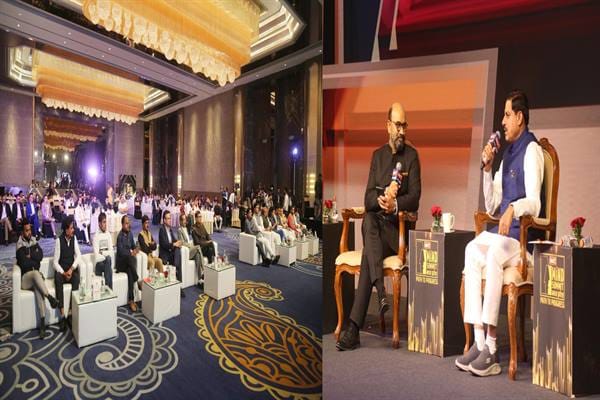
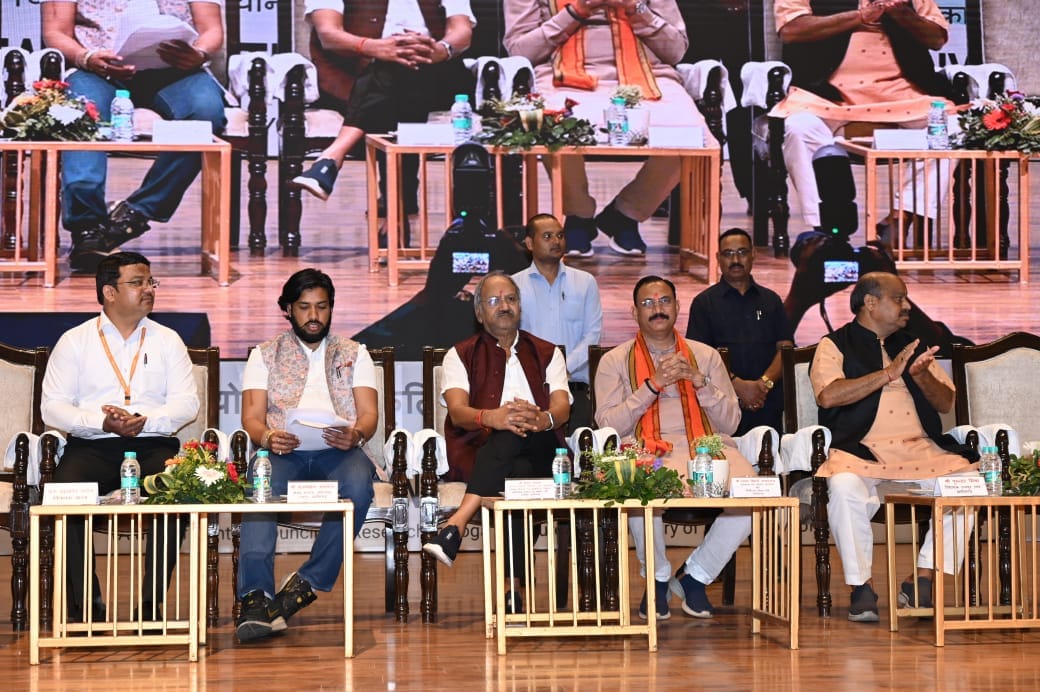
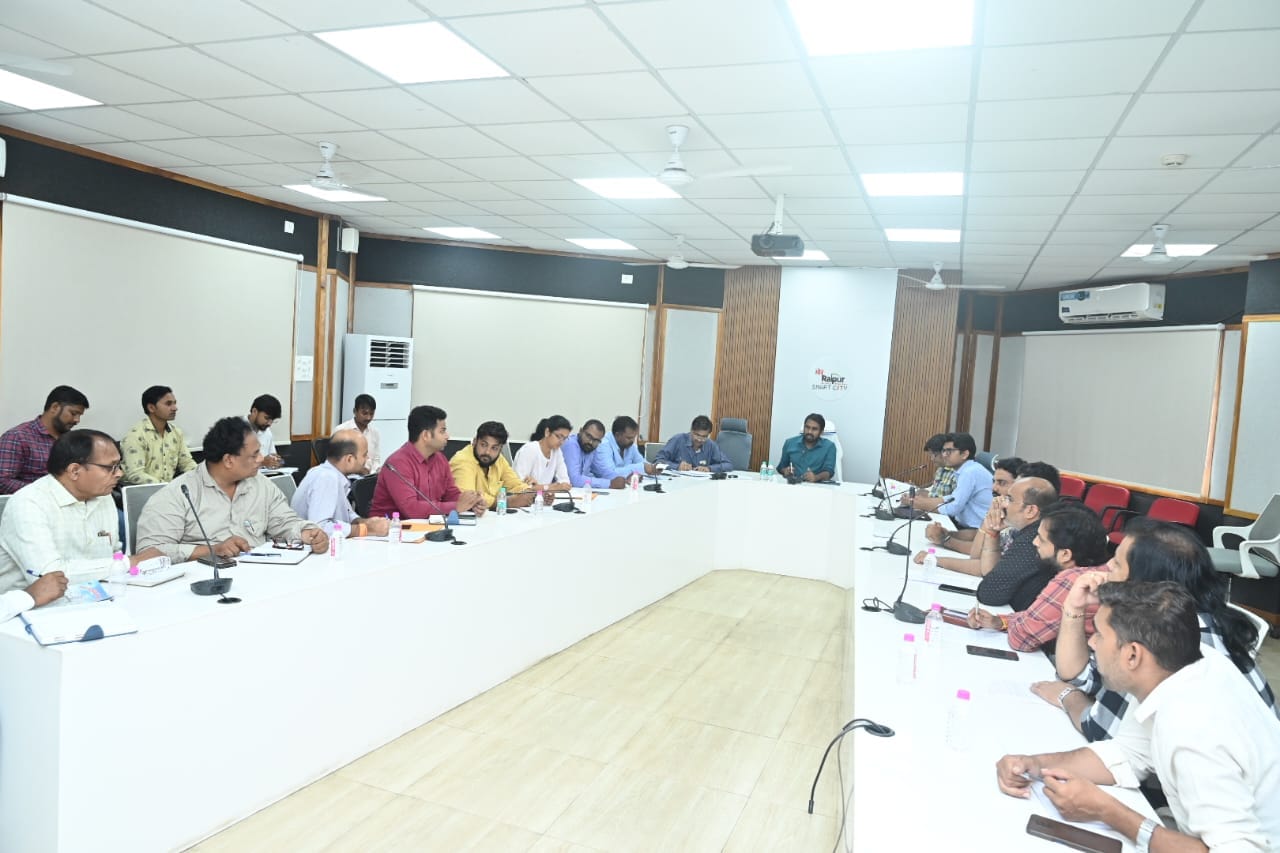
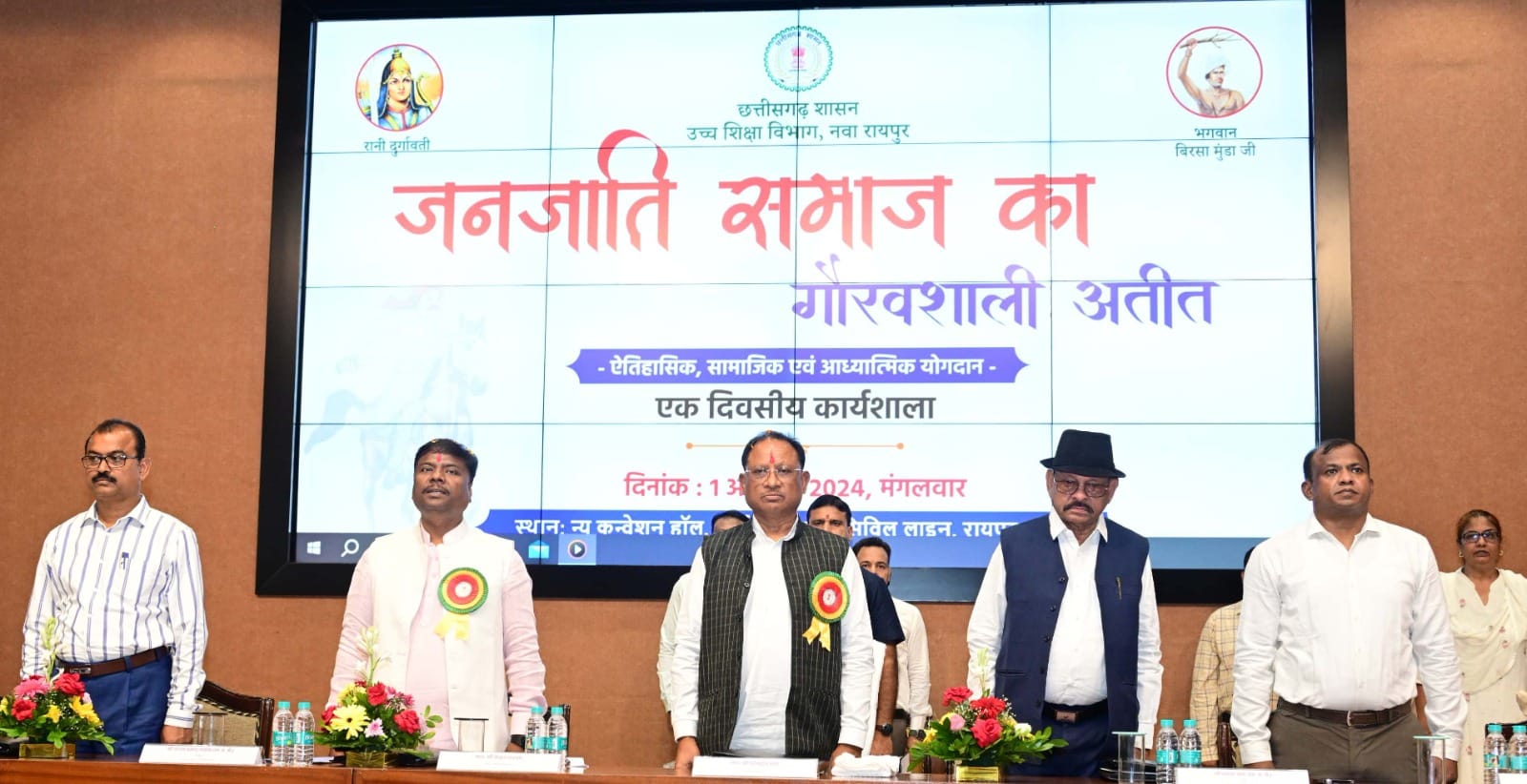
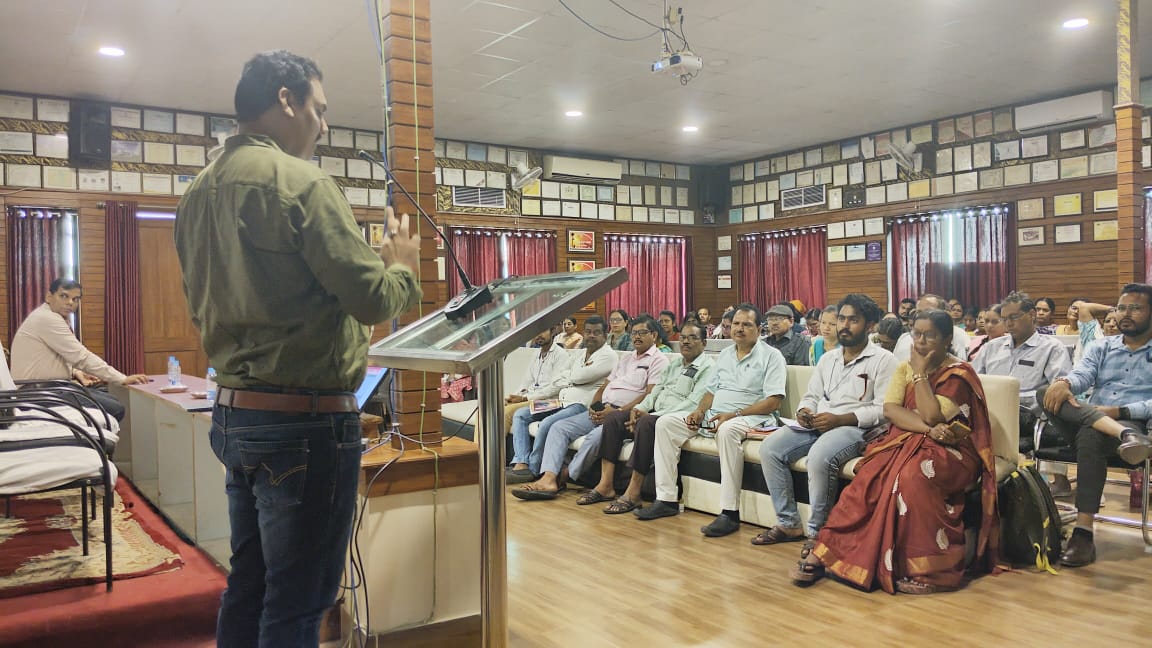
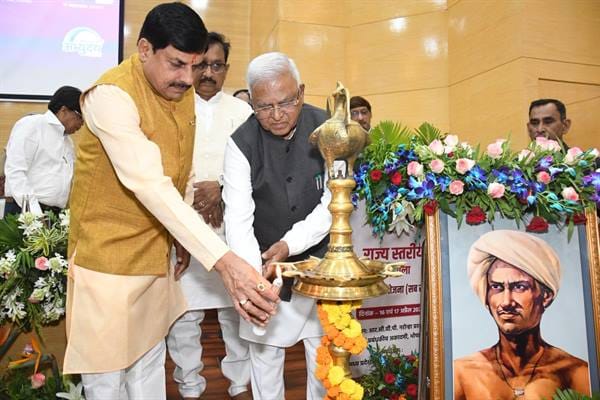
- Governor Shri Patel and Chief Minister Dr. Yadav inaugurated the Goal of Tribal Development – State Level Tribal Sub-Plan Workshop
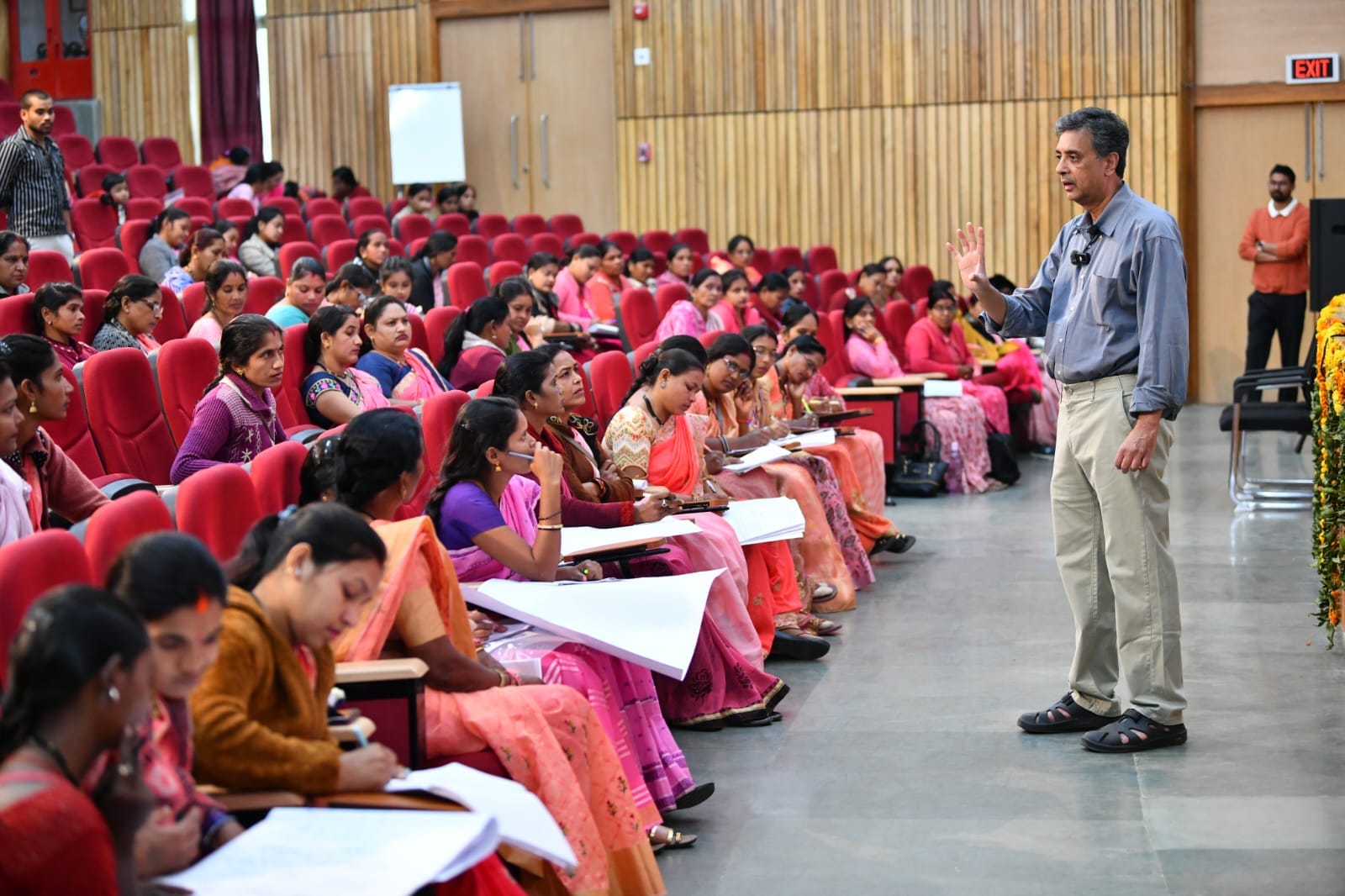
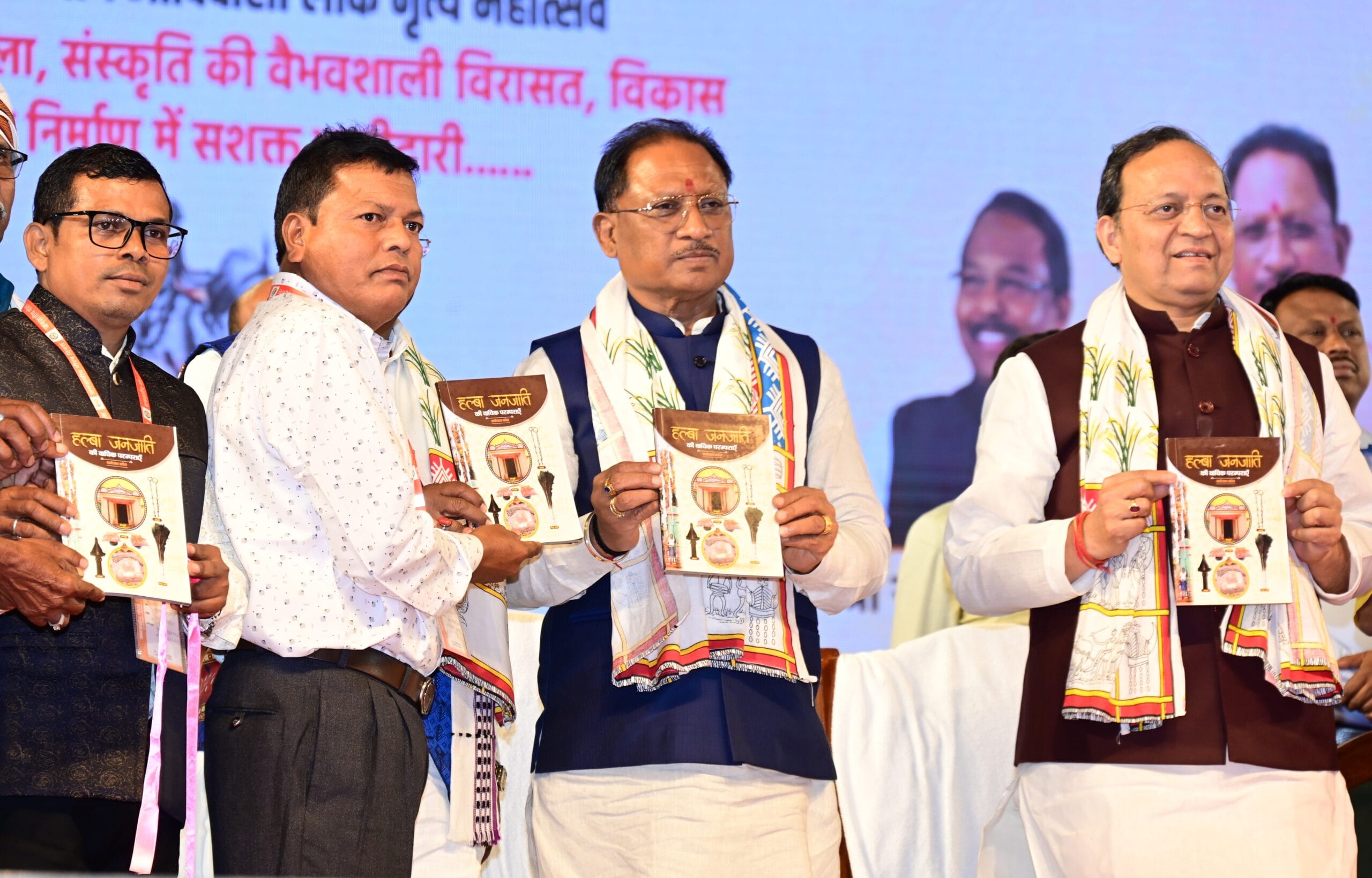
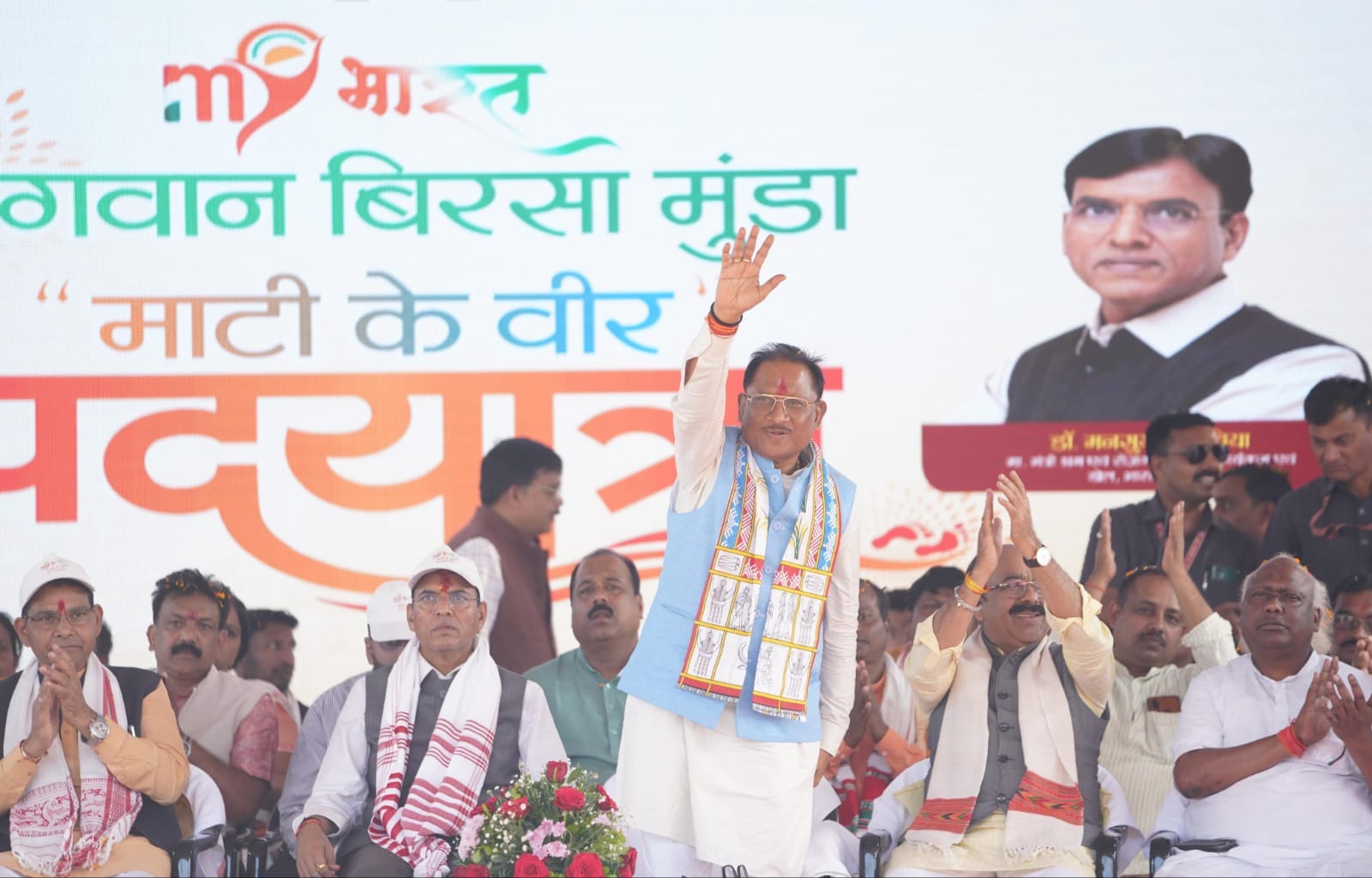
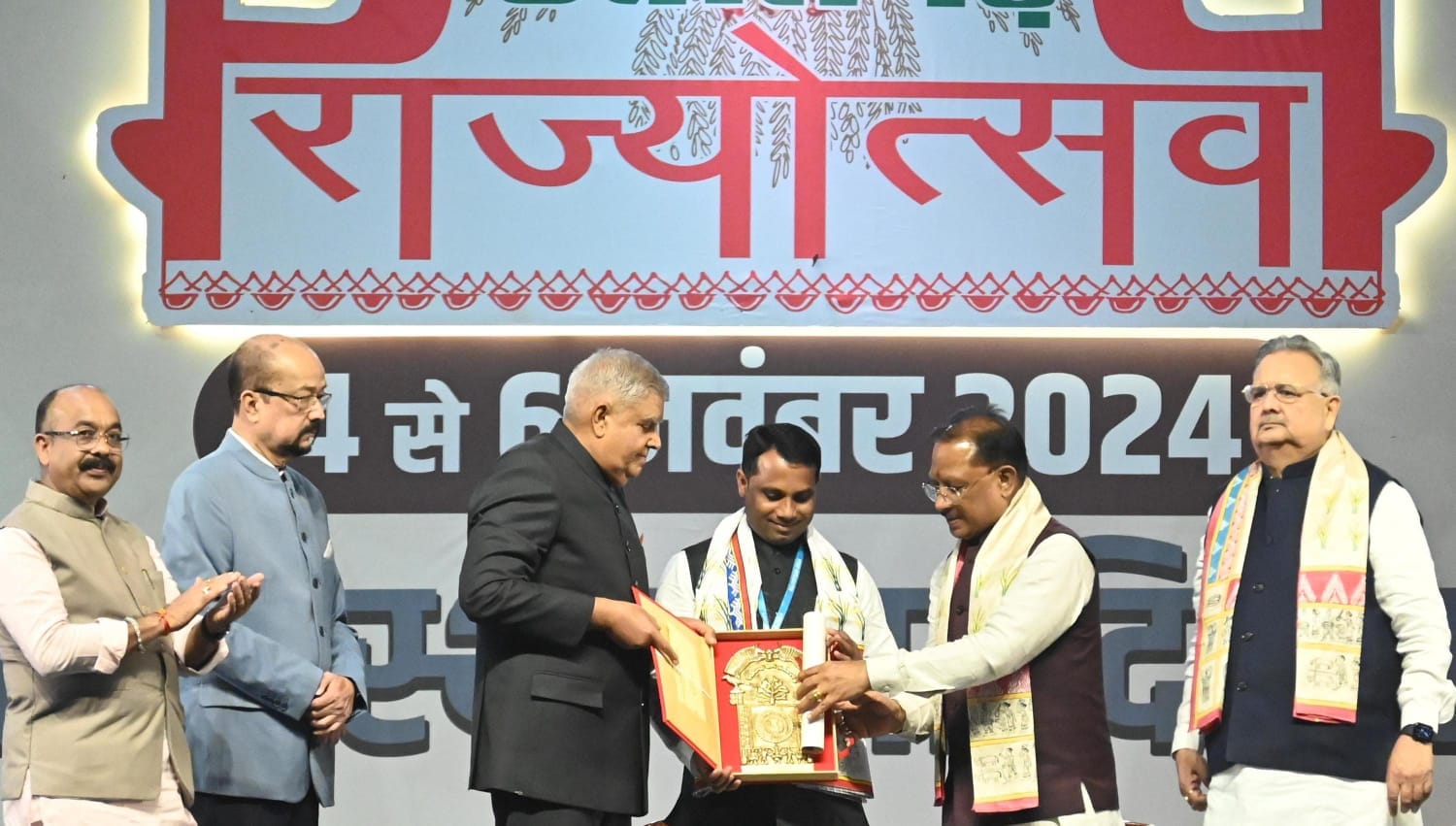
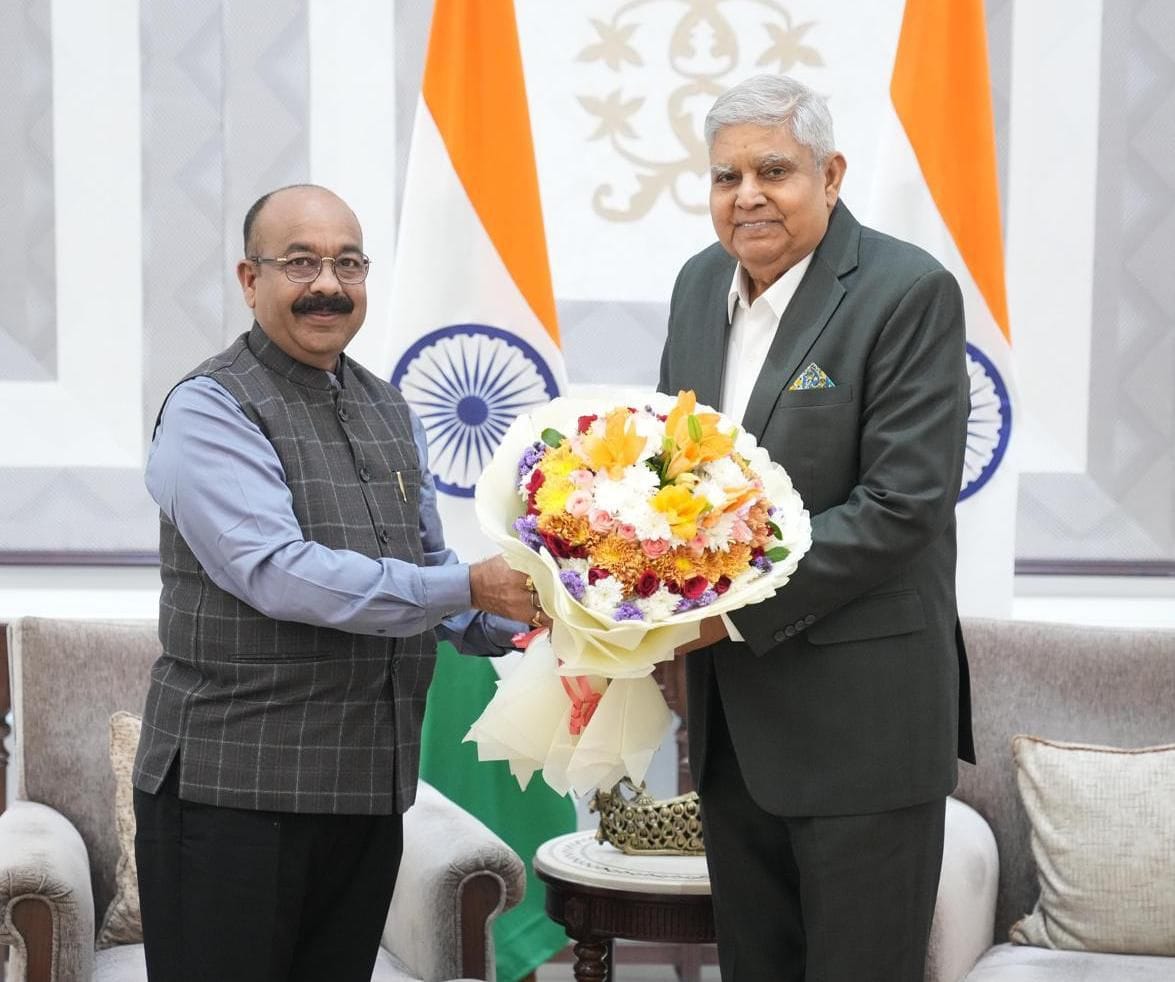
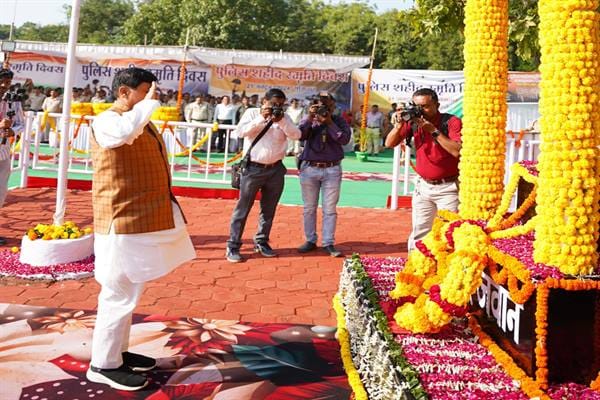
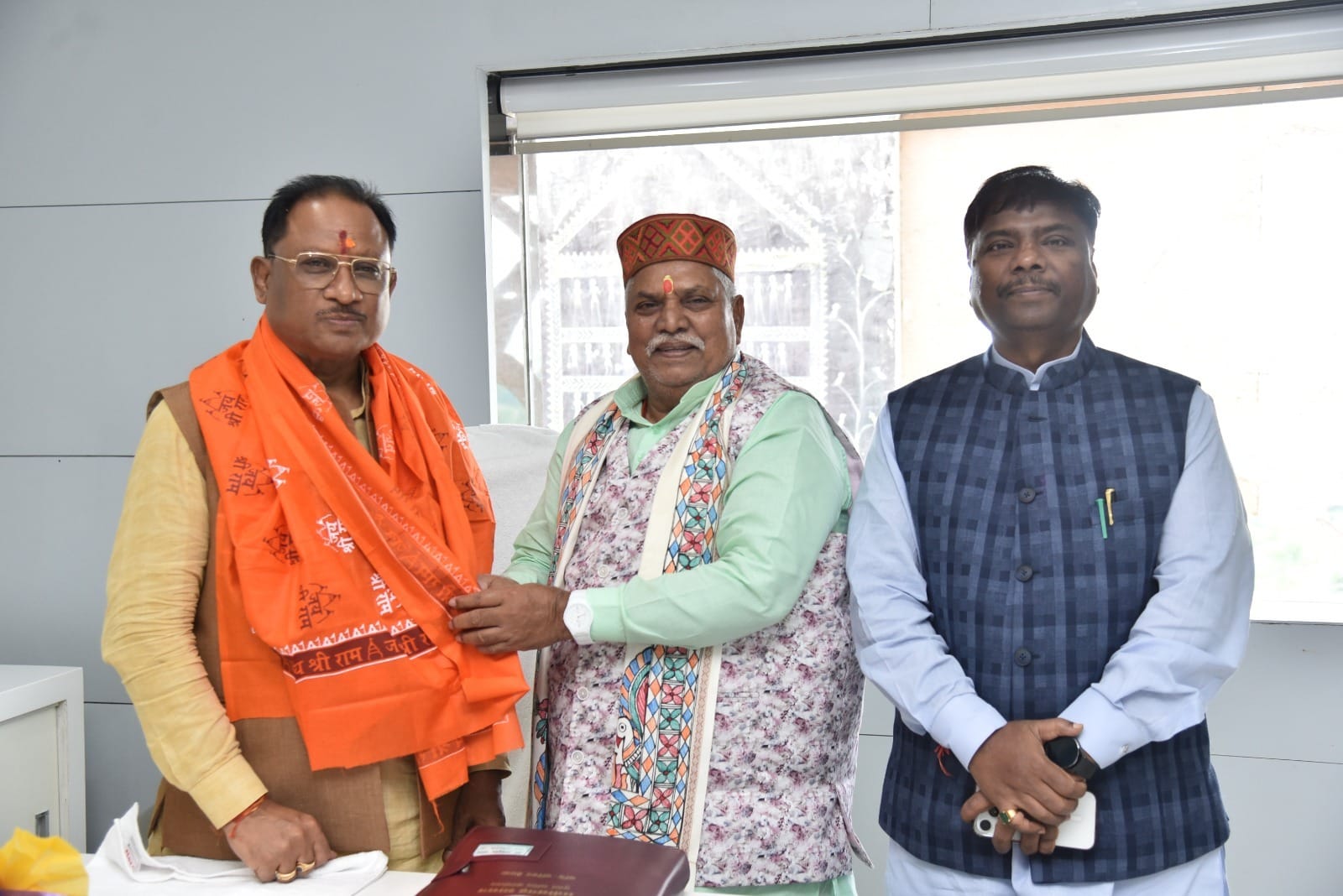
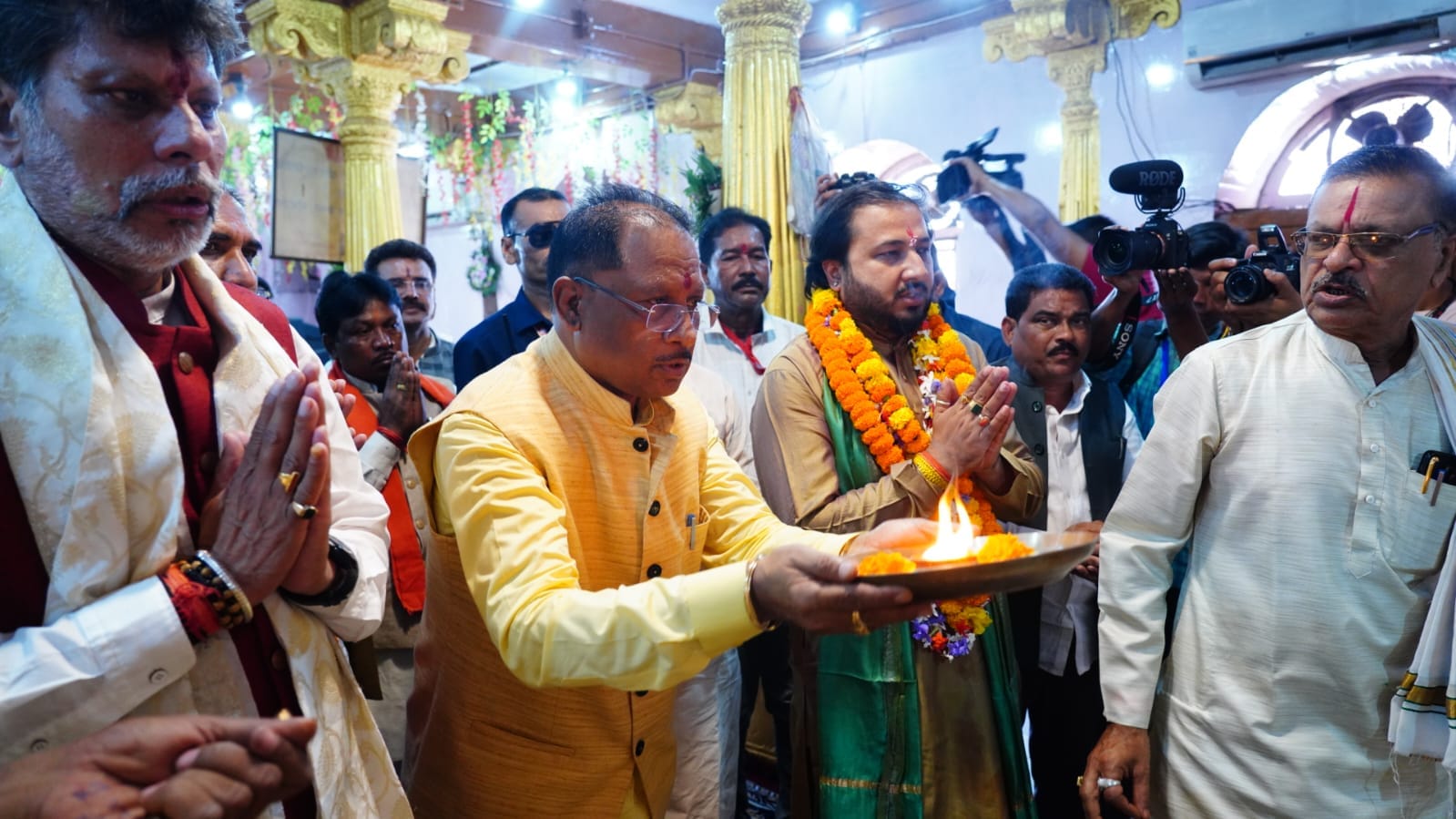
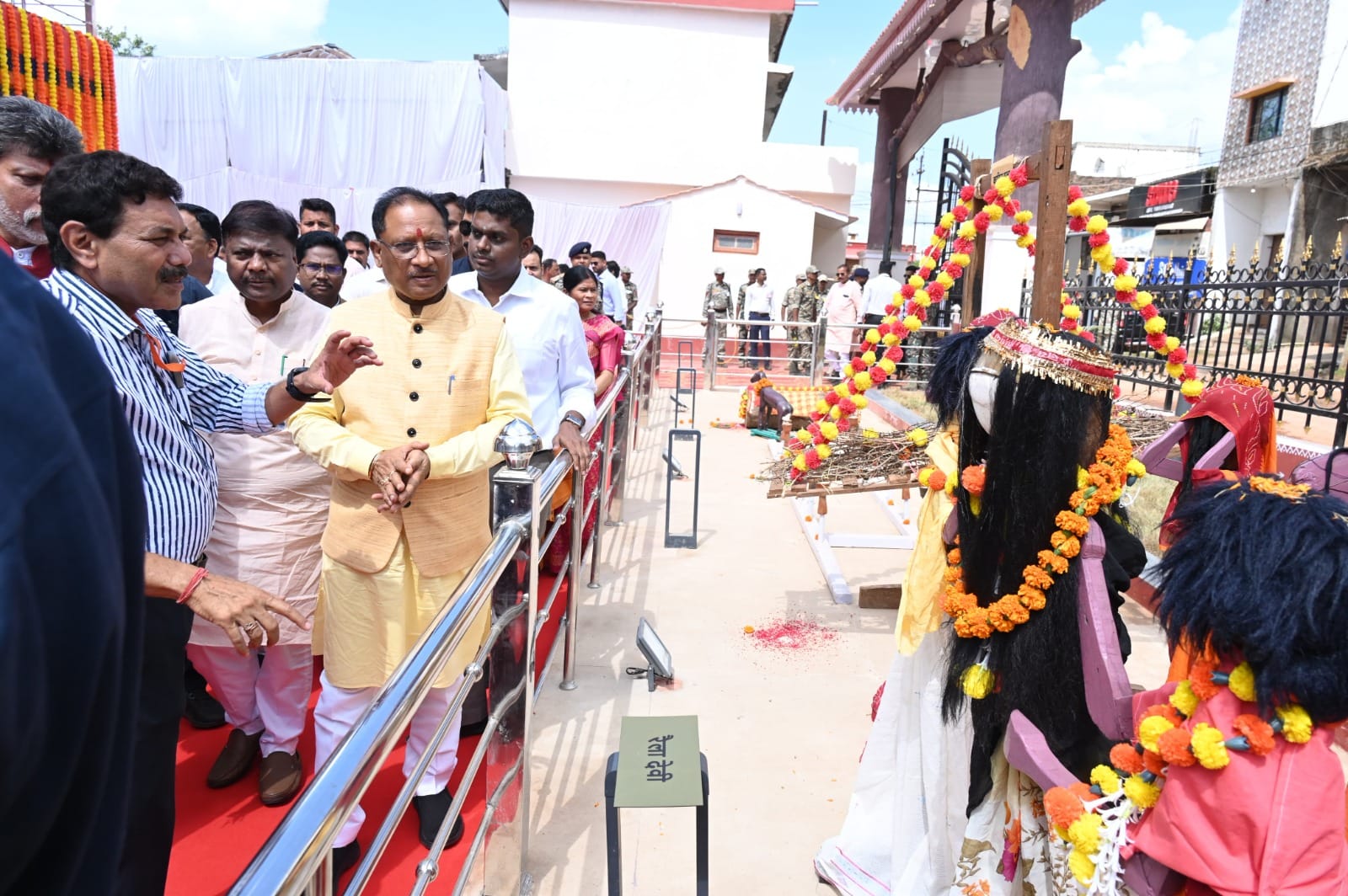
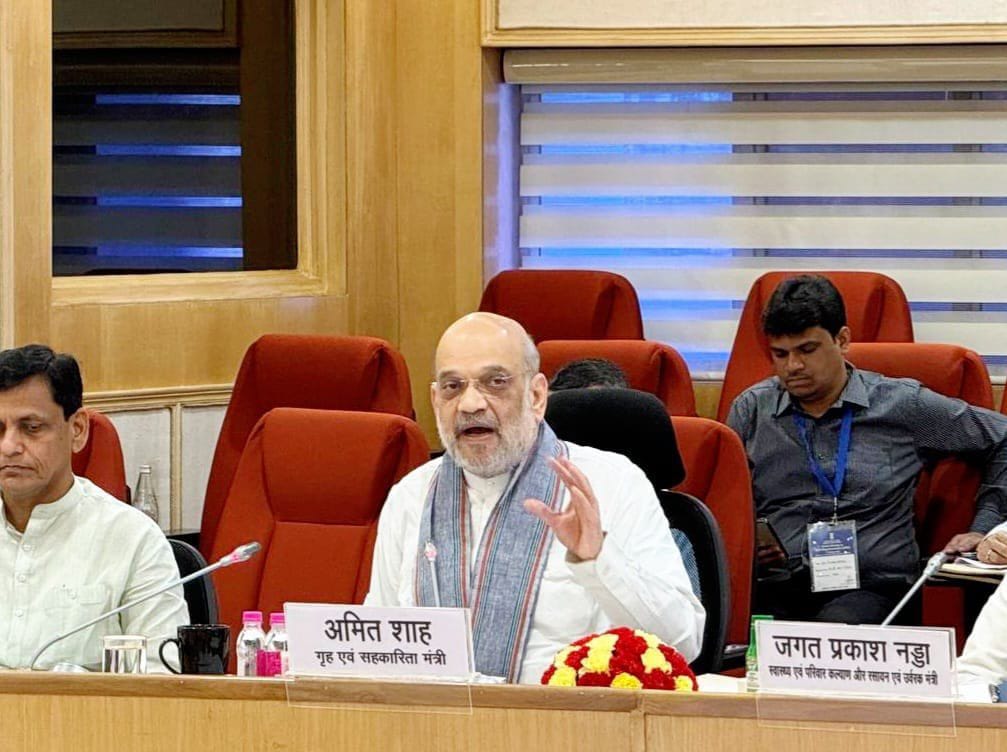
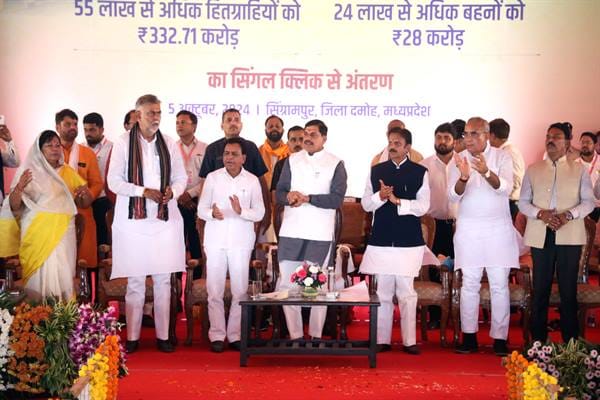
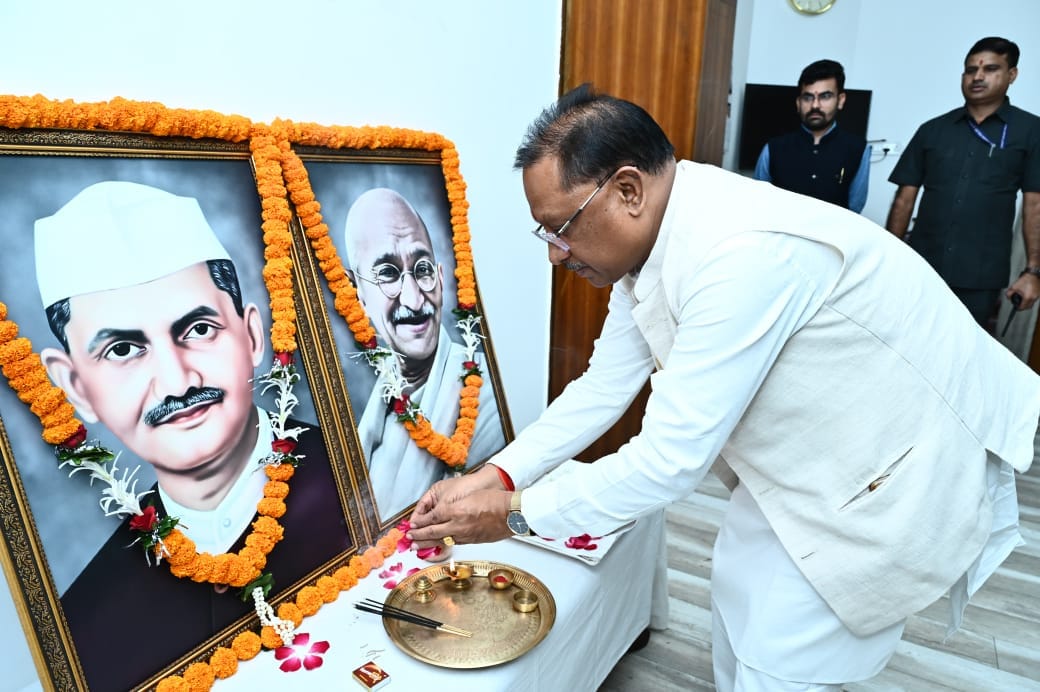
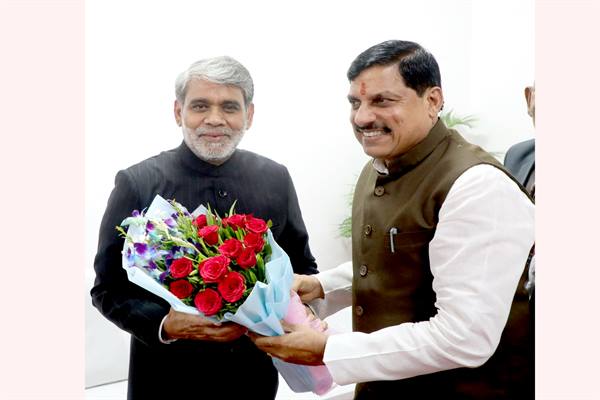
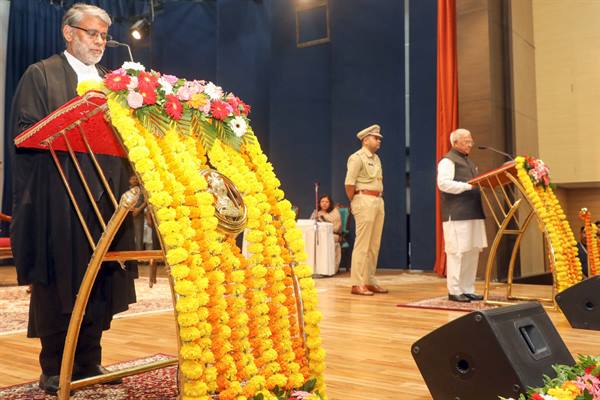
Governor Shri Mangubhai Patel has said that the power of tribal development should be harnessed with devotion to the deprived and the poor. Work done with sensitivity and compassion is blessed by God. He thanked Chief Minister Dr. Mohan Yadav for organizing the workshop to strategize the future development of tribal communities, which constitute 21 percent of the state’s population. He congratulated Yadav on the approval of the budget allocation for tribal development. He stated that the intention behind organizing the workshop is to further improve the work. Governor Shri Patel and Chief Minister Dr. Mohan Yadav inaugurated the workshop by lighting a lamp at the Academy of Administration and offering floral tributes to the portrait of Lord Birsa Munda. Tribal Affairs Development Minister Kunwar Vijay Shah was present on the occasion.
Governor Shri Mangubhai Patel said that the present time can be called the golden age of tribal development. Under the leadership of Prime Minister Shri Narendra Modi, unprecedented work is being done through tribal development schemes like Pradhan Mantri Janman , Dharti Aba Gram Utkarsh Abhiyan, etc. Adequate budget has also been allocated for these. What is needed is the spirit and compassion to do good work for the tribal community. He said that a map of basic facilities should be prepared for the development blocks and tehsils of the state. The map should mark the availability of basic needs like health , education , roads etc. in the population. A road map for tribal development should be prepared accordingly.
Governor Shri Mangubhai Patel said that work orders for projects involving allocated funds should be issued on time to ensure the funds are utilized within the stipulated timeframe. He emphasized that utilizing the funds allocated for development projects within the stipulated timeframe is a significant responsibility. It is essential that plans be developed based on extensive field visits and experiences regarding the design , quality, and utility of various development projects. Recalling his experience as a minister during Prime Minister Shri Modi’s tenure as Chief Minister, he said that plans should be formulated based on extensive field visits, which provide advance understanding of implementation challenges and difficulties. Governor Shri Patel emphasized the need for a personal and intimate relationship with beneficiaries to understand the challenges faced in implementing development projects. Referring to the challenge of school dropouts, he said that the reasons for dropouts can be multifaceted. Illiterate parents often lack understanding of the importance of education. The need is to understand these factors and formulate a plan based on the weakness of children and girls in their studies , the distance of the school from home, the inaccessible road, the lack of toilets in the school, etc. He congratulated the workshop on its success.

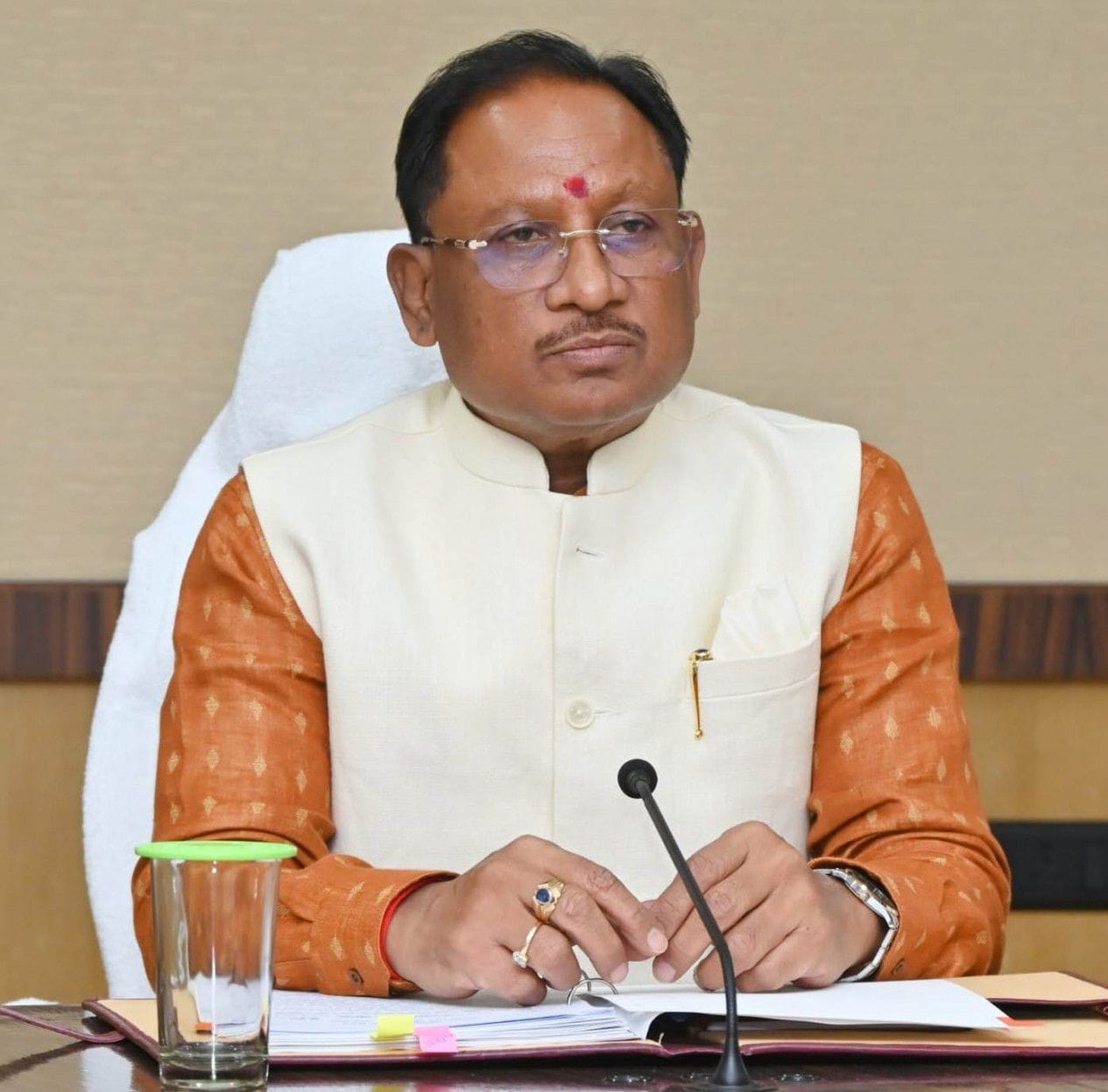
Chief Minister Dr. Mohan Yadav said that under the leadership and guidance of Prime Minister Shri Narendra Modi, activities are underway in the state and the country for the development of all sections of society. Madhya Pradesh is receiving new energy and direction in the field of tribal welfare under the guidance of Governor Shri Patel. Referring to Governor Shri Patel’s work in Gujarat to integrate tribal society into the mainstream and ensure their overall development, Chief Minister Dr. Yadav said that Shri Patel’s affinity with the tribal community and his sensitivity to understand their problems are remarkable. This has increased the effectiveness of tribal welfare schemes implemented at the grassroots level in remote areas of the state. The state government is committed to extending the benefits of schemes to every person in every section of the state and providing them with basic amenities. Ensuring education, health, nutrition, drinking water availability, and infrastructure development for tribal communities is our top priority. The state government is working with the goal of Antyodaya (the ideal of Antyodaya). Chief Minister Dr. Yadav was addressing the inaugural session of the State-Level Tribal Sub-Plan Workshop on Tribal Development: Aim of Tribal Development.
Chief Minister Dr. Yadav said that Madhya Pradesh is called the home of tribes. More than 21 percent of the state’s population consists of tribal brothers and sisters. Such workshops are a platform to create a new framework for the destiny and future of more than 21 percent of the state’s population. He expressed hope that the findings of the workshop will be helpful in making tribal welfare and development schemes more effective, ensuring maximum utilization of the budget, and timely implementation of the schemes. In the workshop, a blueprint for a better life for tribal brothers and sisters will be drawn on important topics like education, health, nutrition, village council-based development and livelihood, infrastructure, culture, social sector, entrepreneurship, forest and AYUSH.
Chief Minister Dr. Yadav said that the Tribal Sub-Plan was launched during the Fifth Five-Year Plan in 1974-75. Its objective was to accelerate the socio-economic development of the tribal population and bring their standard of living on par with the general population. Madhya Pradesh is at the forefront of tribal welfare, and we are continuously progressing in this area. In the year 2023-24, a budget provision of ₹40,207 crore was made under the Tribal Sub-Plan, against which more than ₹33,49 crore was spent, which was more than 82 percent of the Tribal Sub-Plan. In the year 2024-25, against a provision of more than ₹41,733 crore, more than ₹35,537 crore was spent, which is 85.15 percent of the TSP expenditure. In the year 2025-26, against a provision of Rs 47,648 crore, Rs 37,349 crore 63 lakh was spent, which is 78.39 percent of the TSP expenditure. Chief Minister Dr. Yadav said that in accordance with the intention of the Government of India, the state government is continuously working for the welfare of all sections. He expressed confidence that the conclusions of the workshop will help in strengthening the direction of tribal development in the state.
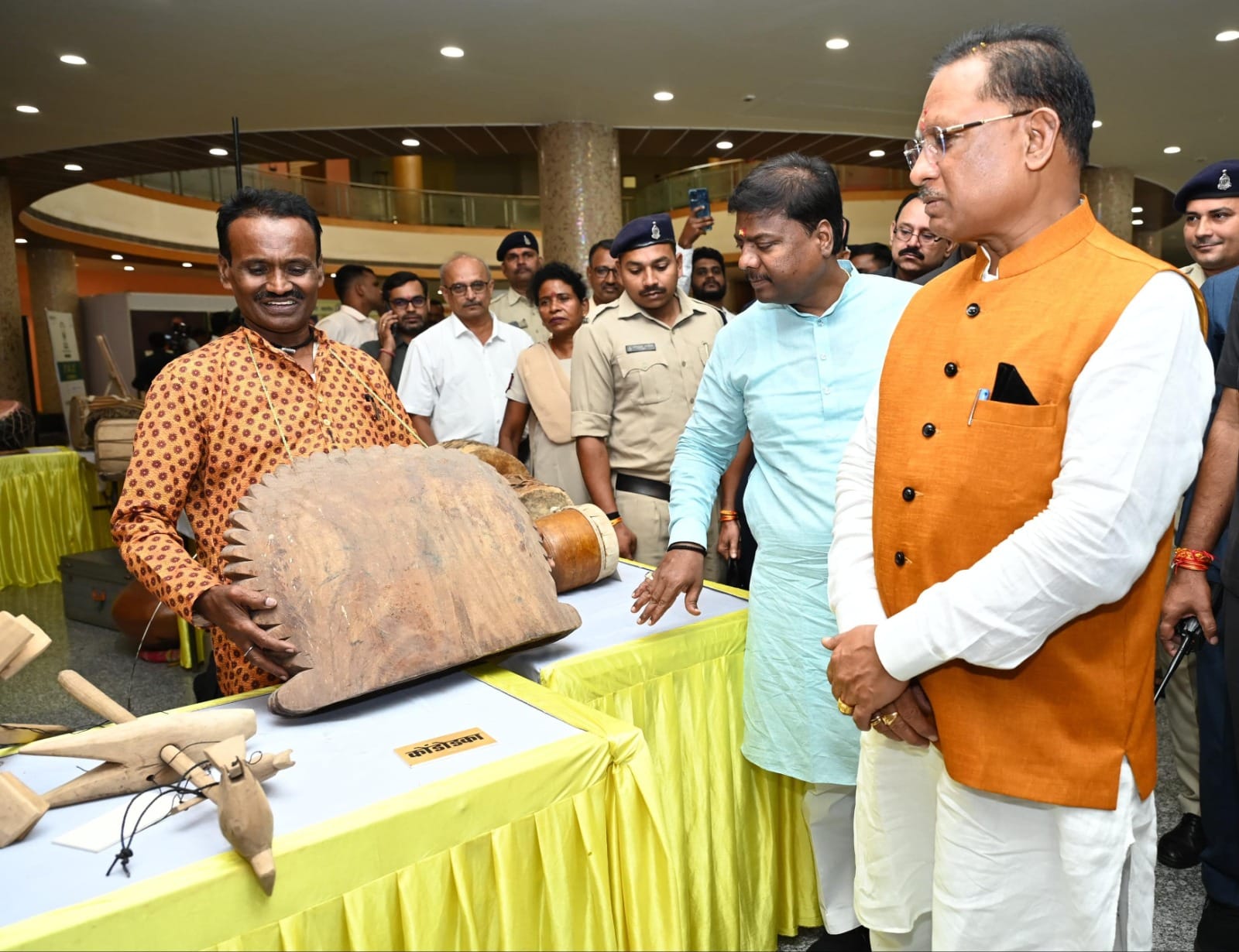
Chief Minister Dr. Yadav said that the state’s geographical expanse is vast and its cultural diversity is also considerable. The state government is continuously working to foster cordial relations between all communities in the state. Tribal brothers and sisters from the state’s tribal districts enthusiastically participated in the grand Baba Mahakal procession in Ujjain with their musical instruments and received the blessing of seeing Baba Mahakal. These efforts are proving helpful in promoting social harmony. Similarly, coarse grains grown in tribal areas have also been included as Baba Mahakal’s Prasad. Sales of Ragi Laddus, included in Baba Mahakal’s Prasad, have set a record in two years. This also fulfills Prime Minister Shri Modi’s intention to promote Shri Anna. This has also paved the way for the produce of tribal brothers and sisters to reach the market. Ragi Laddus, Baba Mahakal’s Prasad, are becoming popular across the country and the world. Kodo-kutki is also being procured at the minimum support price. Innovations such as homestays are being implemented to increase the income of tribal brothers and sisters. The scope of tribal development and welfare activities is being expanded through the mutual use of budgets from various departments.
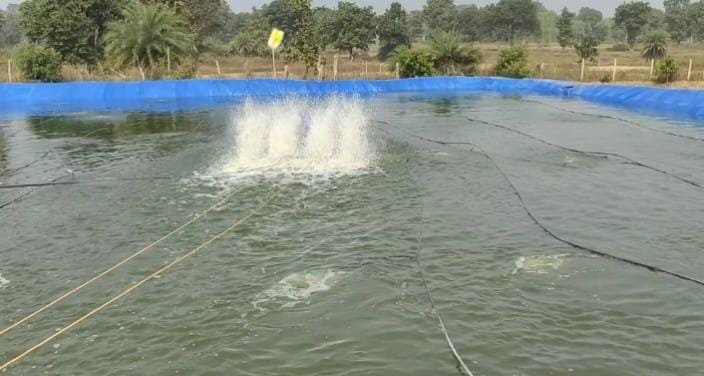
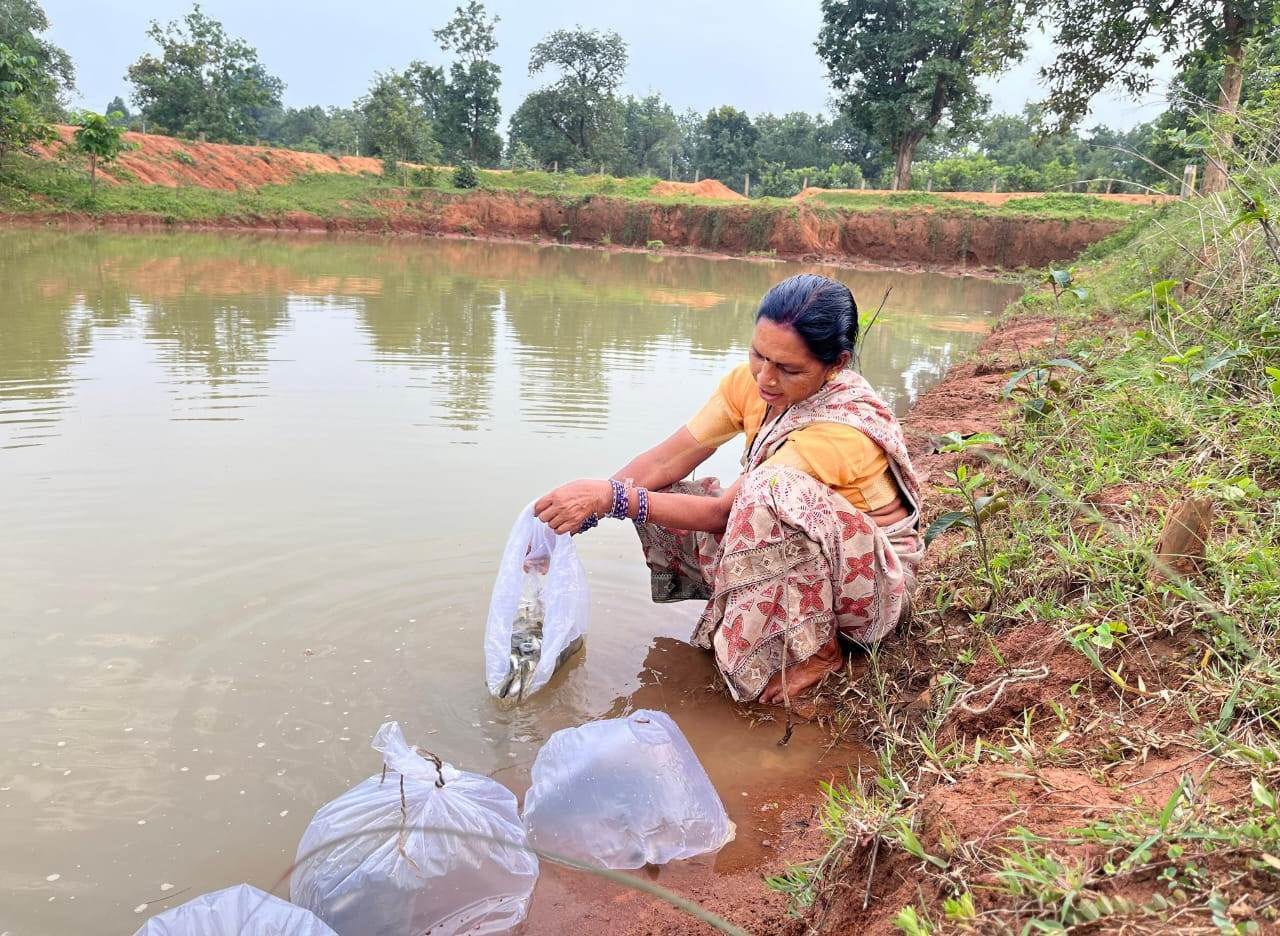
Chief Minister Dr. Yadav said that solar energy is being encouraged in the state. Its expansion into tribal settlements is our priority. The year 2026 is being celebrated as the Year of Farmer Welfare. Under this, tribal brothers and sisters are being connected in the fields of animal husbandry, fisheries, horticulture, etc. Universities are also being established in tribal areas. A university named after Tantya Mama has been established in Khargone and Tatya Tope in Guna. Regional Industry Conclaves were organized in Shahdol, Sidhi, etc. with the aim of establishing employment-oriented industries in tribal areas. This will create employment opportunities for future generations in these areas. Such innovations will continue in the state.
Tribal Affairs Minister Kunwar Vijay Shah stated that the Tribal Sub-Plan workshop will benefit the grassroots by discussing the actual difficulties faced in implementing schemes and programs and how to resolve them. The experience of grassroots staff will help make the schemes more effective. Mrs. Anshu Singh, Deputy Director General of the Tribal Affairs Directorate of the Government of India, stated that Madhya Pradesh has the largest tribal population in the country. The Central Government is providing substantial funds for tribal development and welfare. The workshop also aimed to assess its effectiveness. Social activist Shrikant Vijayvargiya stated that the objective of the Tribal Sub-Plan is to ensure tribal development while preserving tribal culture, traditions, language, and lifestyle. He emphasized the need to encourage the participation of tribal community representatives and organizations in the implementation of the sub-plan. Shri Vijayvargiya also mentioned the contributions of Thakkar Bappa and Balasaheb Deshpande in the field of tribal welfare.
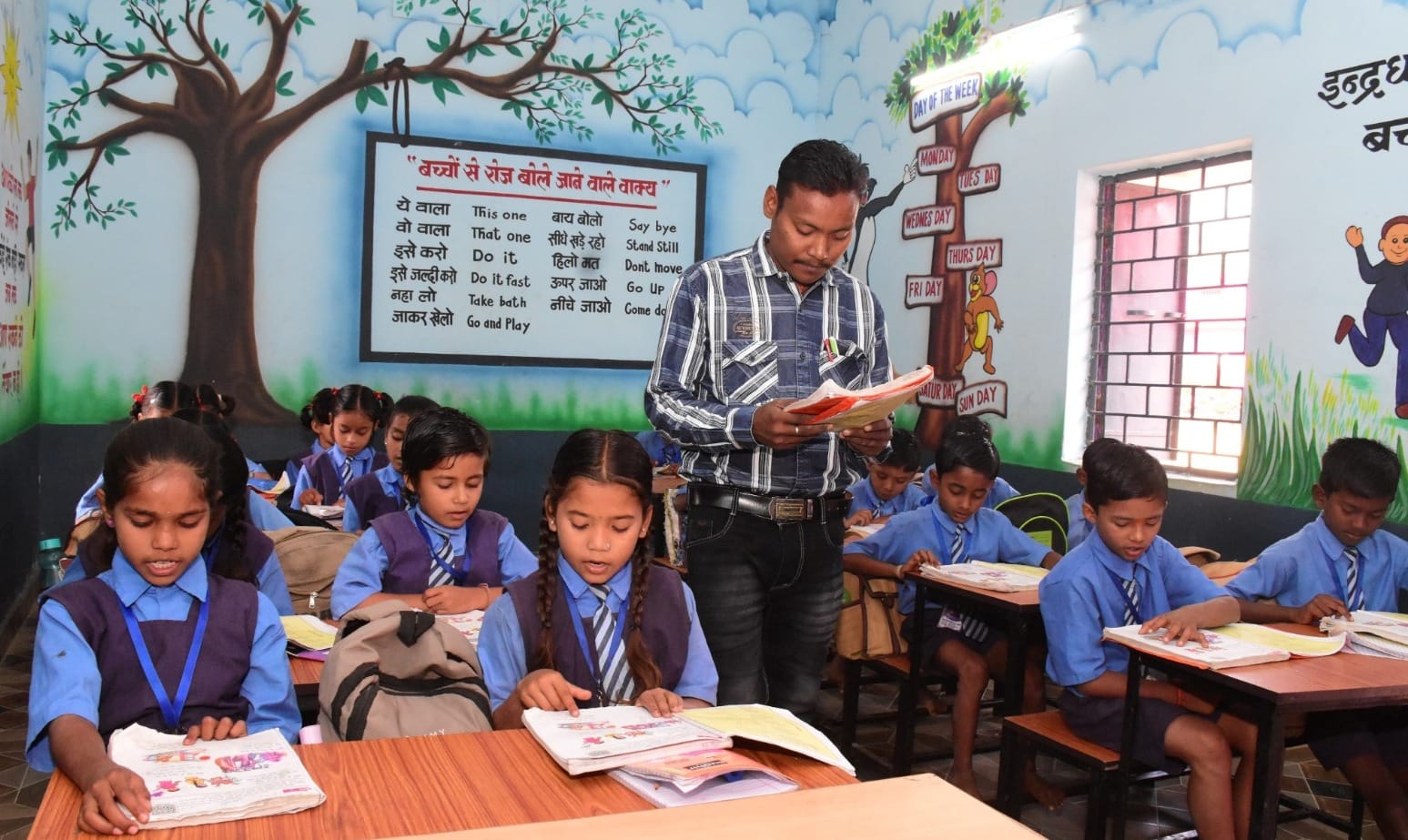
Principal Secretary of the Tribal Affairs Department, Mr. Gulshan Bamra said that under the Tribal Sub-Plan, special emphasis is being laid on education and health in tribal areas. The sub-plan has been implemented to free the tribal community from exploitation, along with infrastructure development , creating employment and self-employment opportunities , providing land and forest rights opportunities. 478 social and economic welfare schemes are being implemented for the tribal community. Special provision has been made for the Tribal Sub-Plan in the state budget for the year 2026-27. Officers and employees of the Tribal Affairs Department were also present in the workshop.