












- In preparation for the Gonchha festival, the production of tupkis has increased livelihoods and is also becoming a means of preserving cultural heritage.
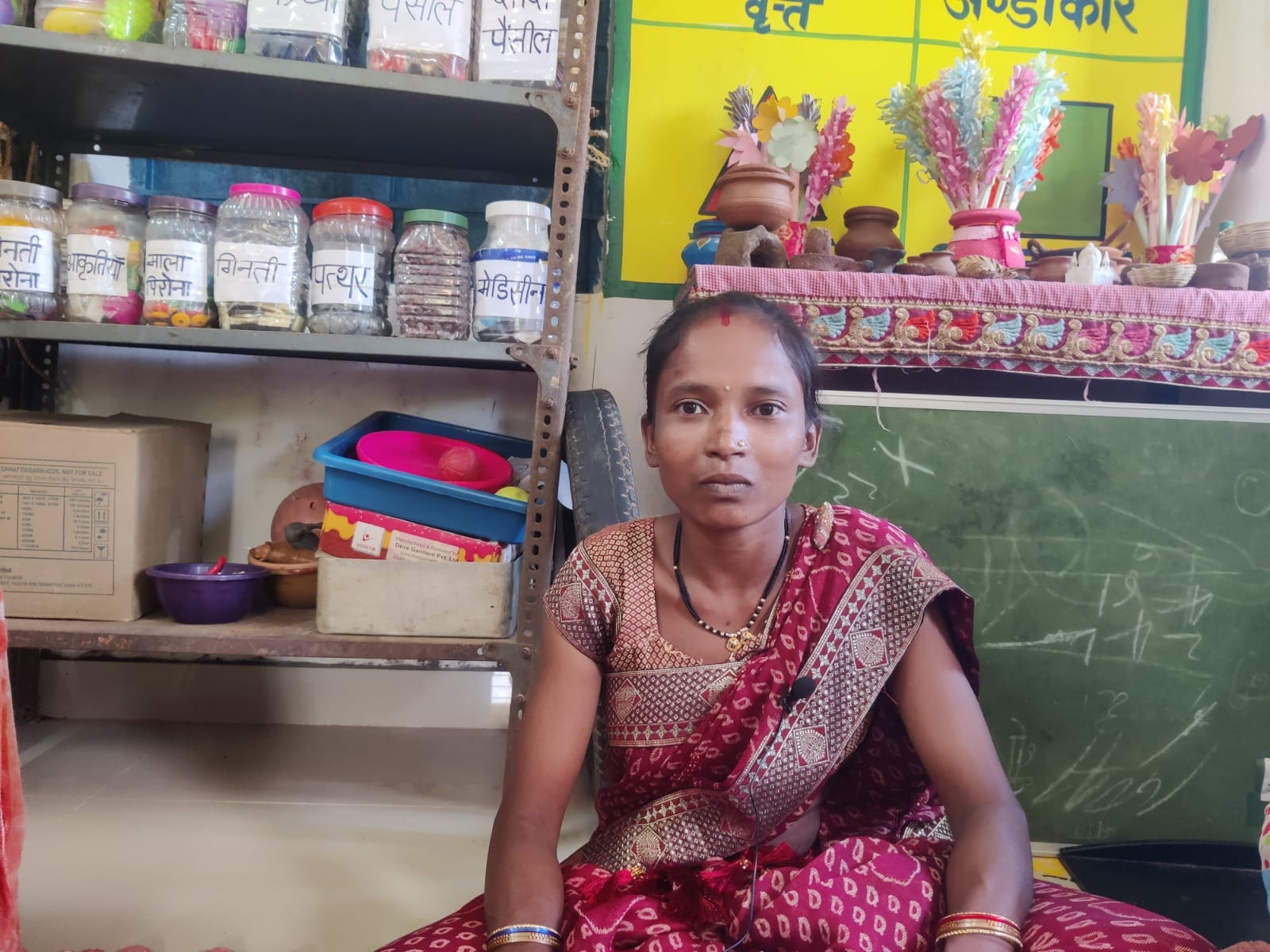
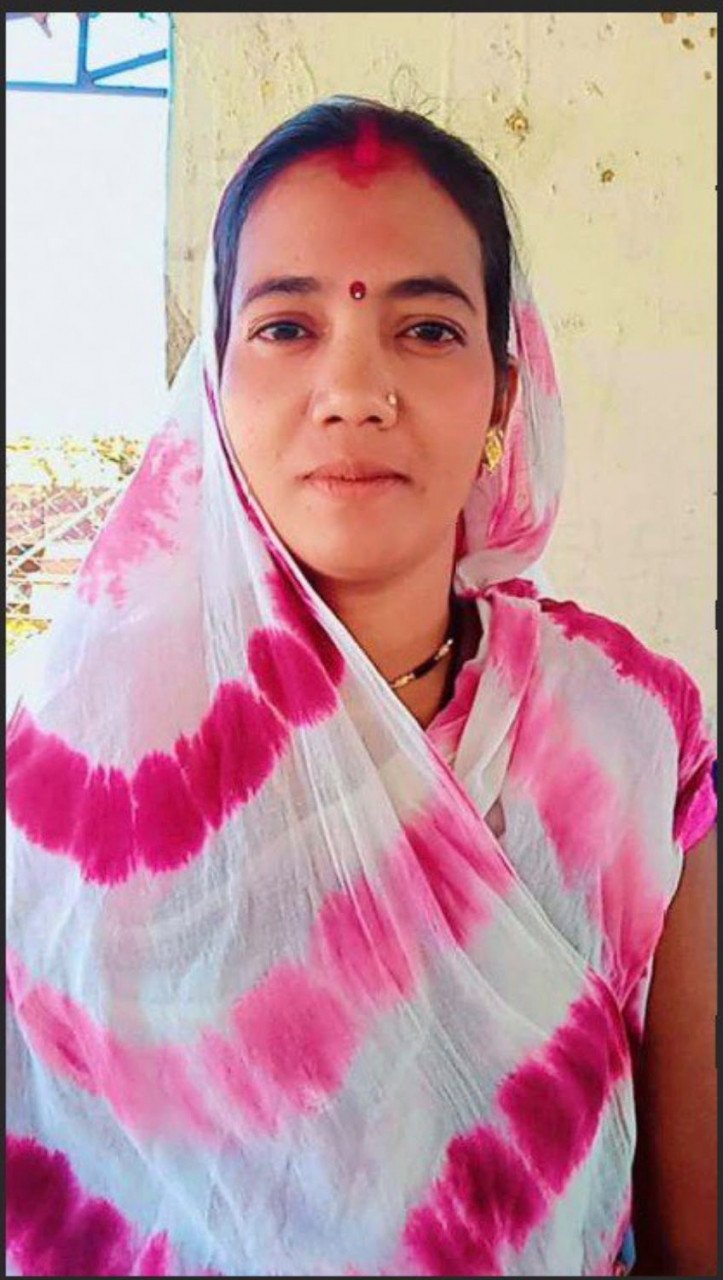
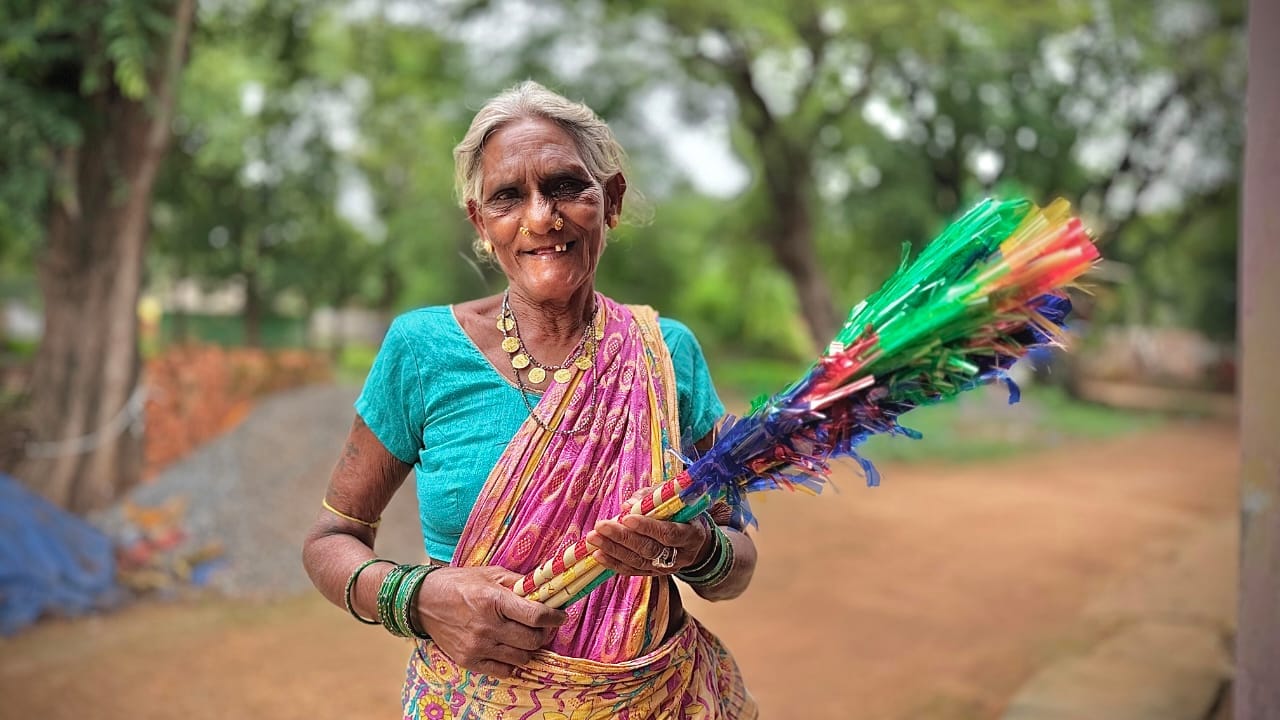
The Mahatari Vandan Yojana not only provides financial assistance to women but also revitalizes their traditional livelihoods and local culture. An inspiring example of this has been seen in the Bastar region of the state, where Mrs. Chanda of Manjhiguda village in the Jagdalpur development block of Bastar district has used the funds received from the scheme to manufacture traditional tupkis used during the Gonchha festival. This is expected to not only increase her family’s income but also help pass on Bastar’s cultural heritage to the next generation.
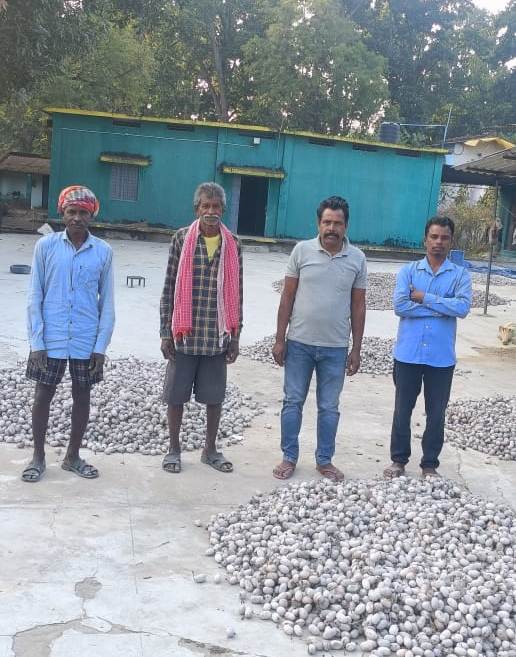
Bastar’s famous Gocha festival symbolizes religious faith, folk tradition, and cultural identity. In preparation for the festival, Chanda, along with her husband, Mr. Chigdu, and other family members, is preparing a large number of Tupkis. These Tupkis are in great demand during the Gocha festival, providing additional income and strengthening the family’s financial situation.
Tupki is a traditional bamboo instrument from Bastar, using the seeds (pengu) of the Malagni tree to produce a gun-like sound. Devotees use this Tupki to give the traditional salute during Lord Jagannath’s Rath Yatra. This tradition has been an integral part of Bastar’s cultural identity for centuries and is still performed with great enthusiasm and devotion.

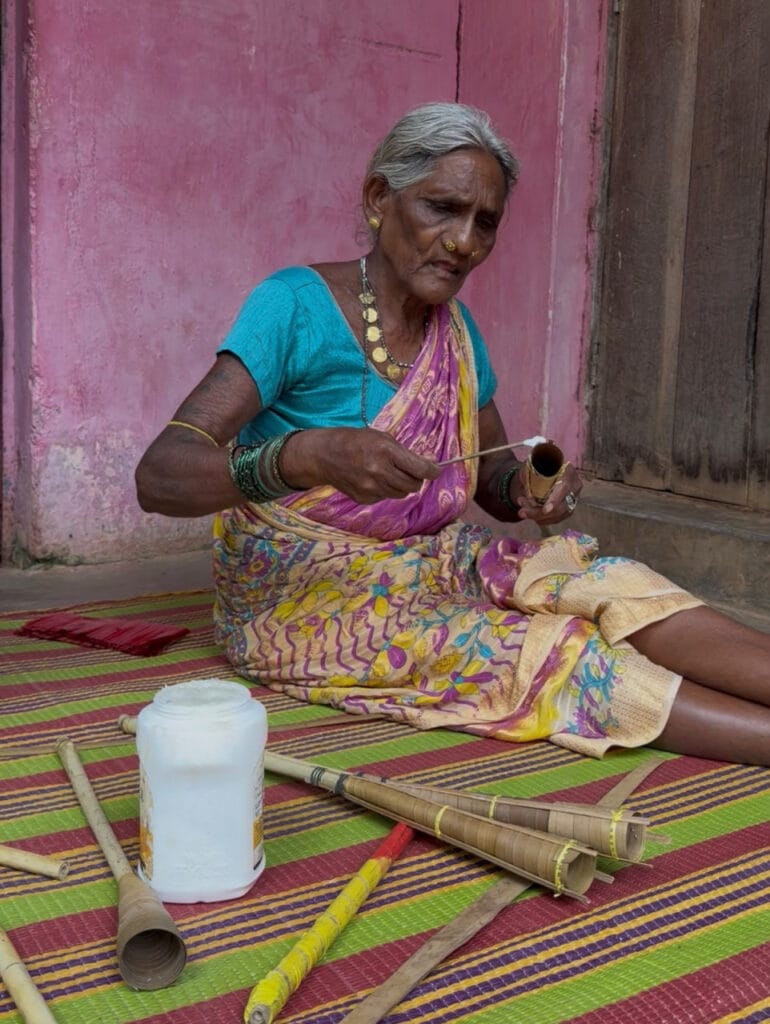
Mrs. Chanda explains that the monthly funds from the Mahatari Vandan Yojana have given her financial confidence. With this assistance, she purchased the bamboo and other materials needed to build the tupki. Now, the entire family is engaged in this work and hopes to earn a good income during the Gocha festival.
She says that the Mahtari Vandan Yojana not only provides financial support to women, but also provides an opportunity to become self-reliant and integrate their traditional arts and skills into their livelihoods. This is increasing family income and preserving Bastar’s rich cultural heritage.
It is noteworthy that since the scheme’s inception, more than ₹18,805 crore has been disbursed directly to women’s accounts through 29 installments. Giving top priority to women’s economic empowerment, the state government has allocated ₹8,200 crore for the scheme in the 2026-27 budget.